Giving Credit Where Credit Is Due: The idea for this series came from a LinkedIn post by Darleen Scherer that caught my eye and got me thinking about how the points she touched on could help my clients.
In our last post, we talked about how to turn your store into a “Third Place” by investing in your physical space. But a comfortable seat and a clean restroom are just the beginning. The next level of competition is all about emotion—about making your customers feel something when they walk through your doors.
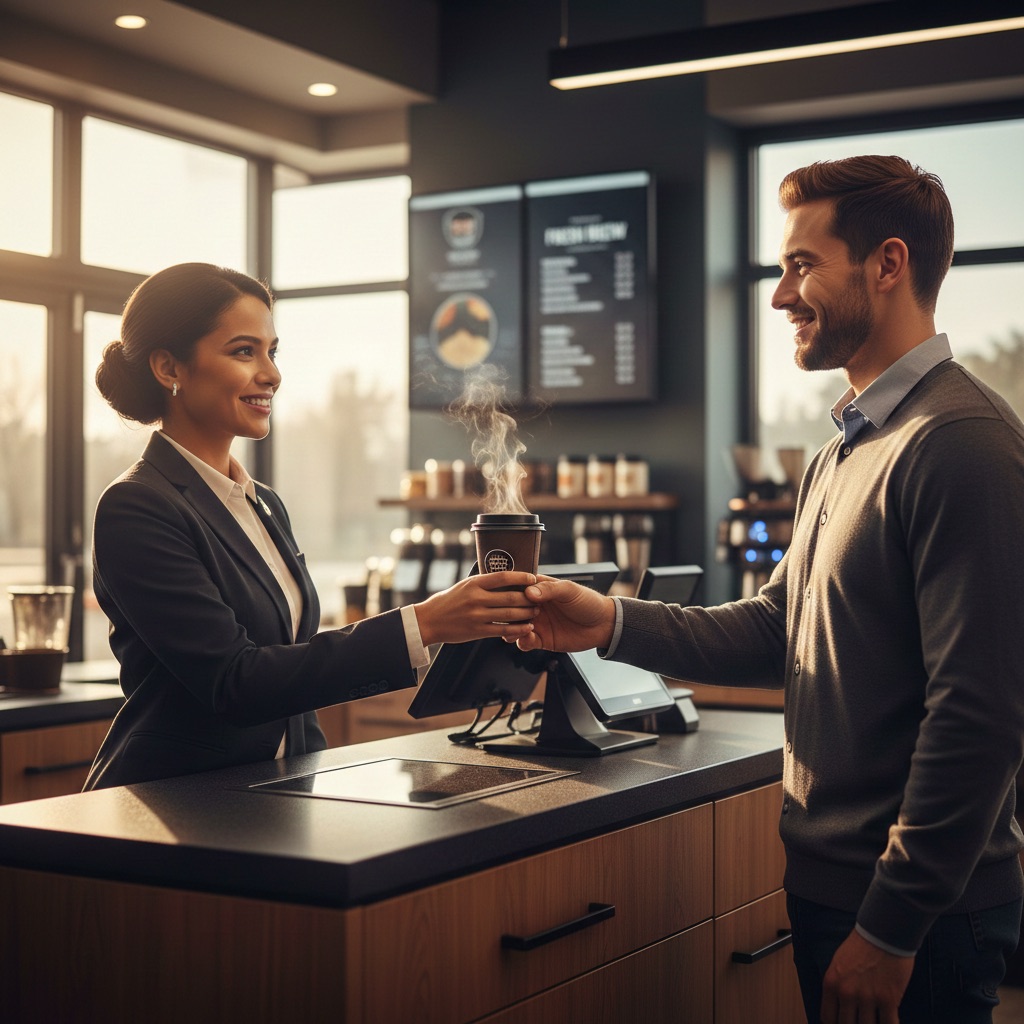
As a coffee expert once noted, you’re not just selling coffee; you’re selling the coffee shop experience. More specifically, you’re selling a feeling: comfort, focus, and identity. A feeling is something a purely transactional coffee sale can’t replicate. Your goal should be to create a deliberate brand identity that “mirrors your best customer.”
Ready to start selling a feeling and not just a product? Here’s how.
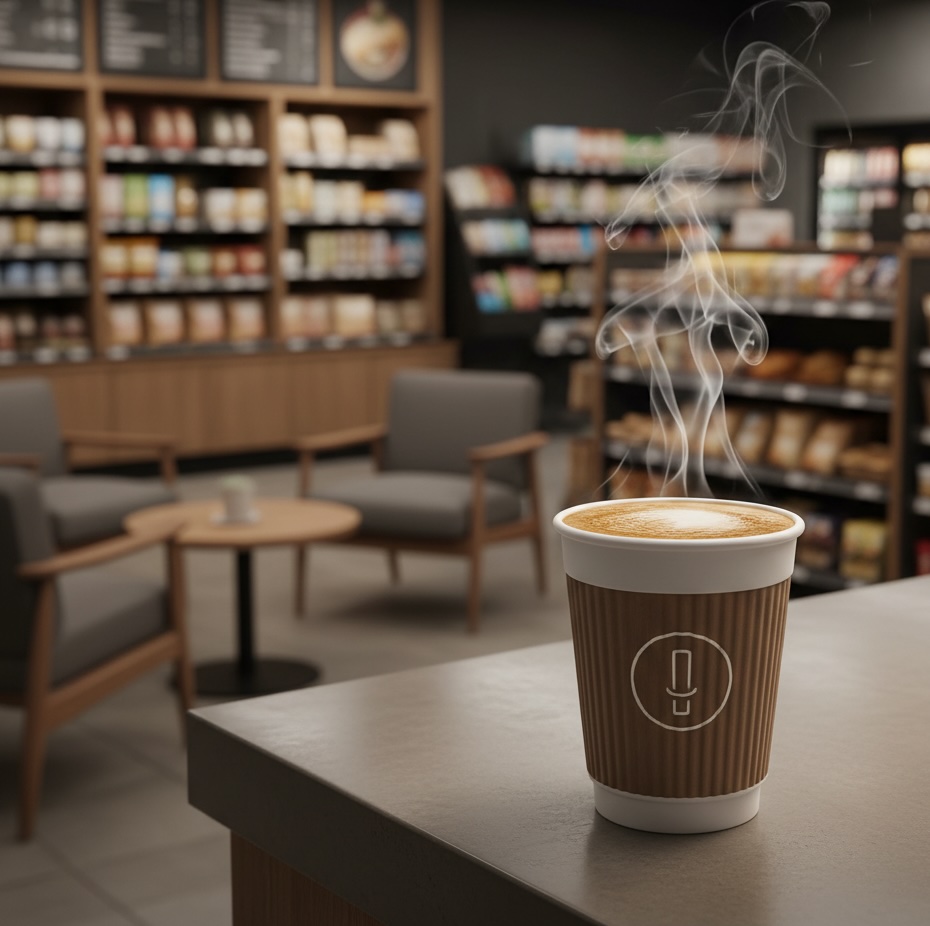
The Power of Sensory Branding in Convenience Stores
Engage all five senses to create an atmosphere customers won’t forget. This isn’t about expensive overhauls. It’s about paying attention to the details that shape a customer’s experience from the moment they step out of their car.
- Sight: What’s the first thing they see? Is your parking lot well-lit? Is your store façade clean and your signage modern? Inside, use warm, inviting lighting instead of harsh, fluorescent bulbs. Organize your displays to be intuitive and visually appealing. A cluttered store feels chaotic. In contrast, a clean, well-lit one makes customers feel confident about the quality of your products. It assures them of the safety of your space.
- Sound: The music you play has a significant impact on mood and perception. Is it upbeat and energetic during the morning rush to encourage a quick, positive transaction? Or is it more relaxed in the afternoon to encourage browsing? A simple, consistent playlist can become a subconscious part of your brand identity, something customers associate with a good experience. And remember, the absence of sound matters too. A store that’s too quiet can feel awkward, while one with a constant hum of equipment can feel unpleasant.
- Smell: This is arguably the most powerful sense for a food service-focused C-store. The aroma of freshly brewed coffee in the morning can be an incredibly effective tool. A warm, savory scent from your hot food display can also work wonders. On the flip side, unpleasant odors can drive a customer away. Cleaning chemicals or stale air may prevent them from reaching the counter. Your store’s unique and pleasant scent can become an instant trigger for a positive memory.
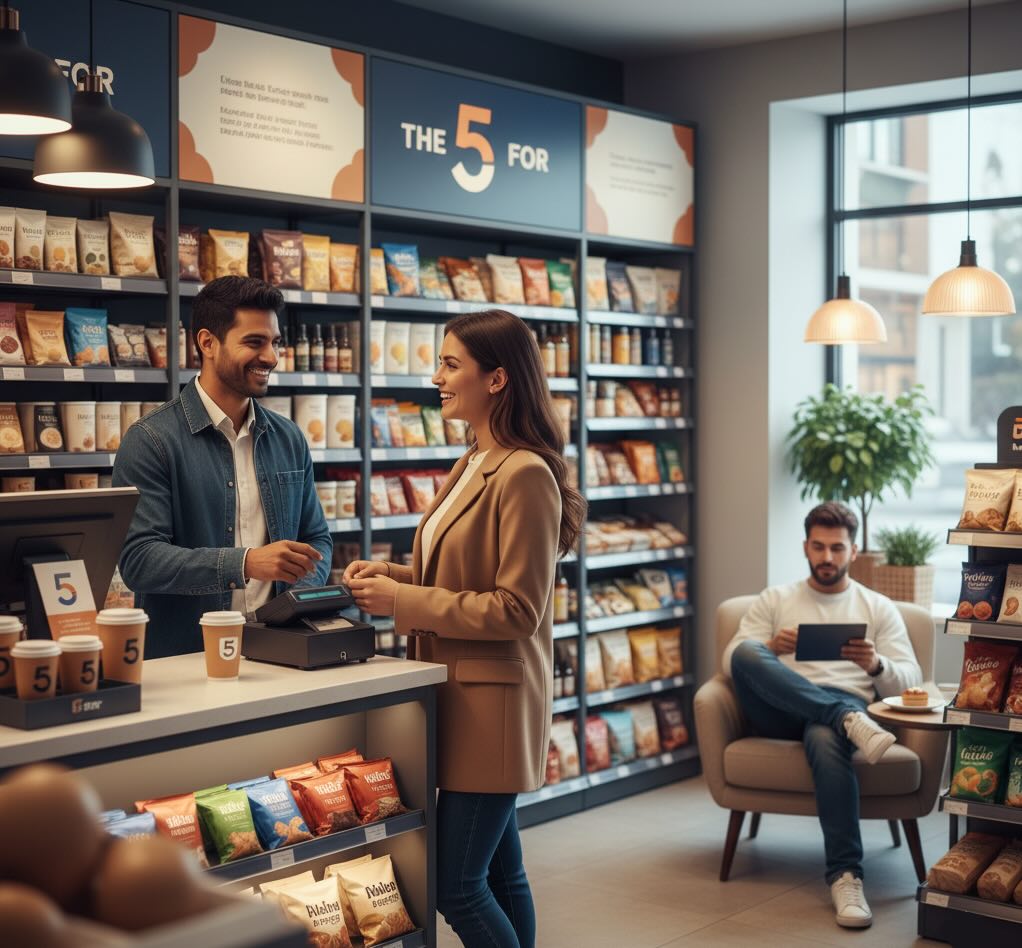
Your Brand Is Your Competitive Advantage
Consider a strong brand name as an economic moat. It offers a sustainable competitive advantage. It shields your business from rivals. This isn’t about a flashy logo; it’s about telling a consistent story and connecting with your audience on a deeper level.
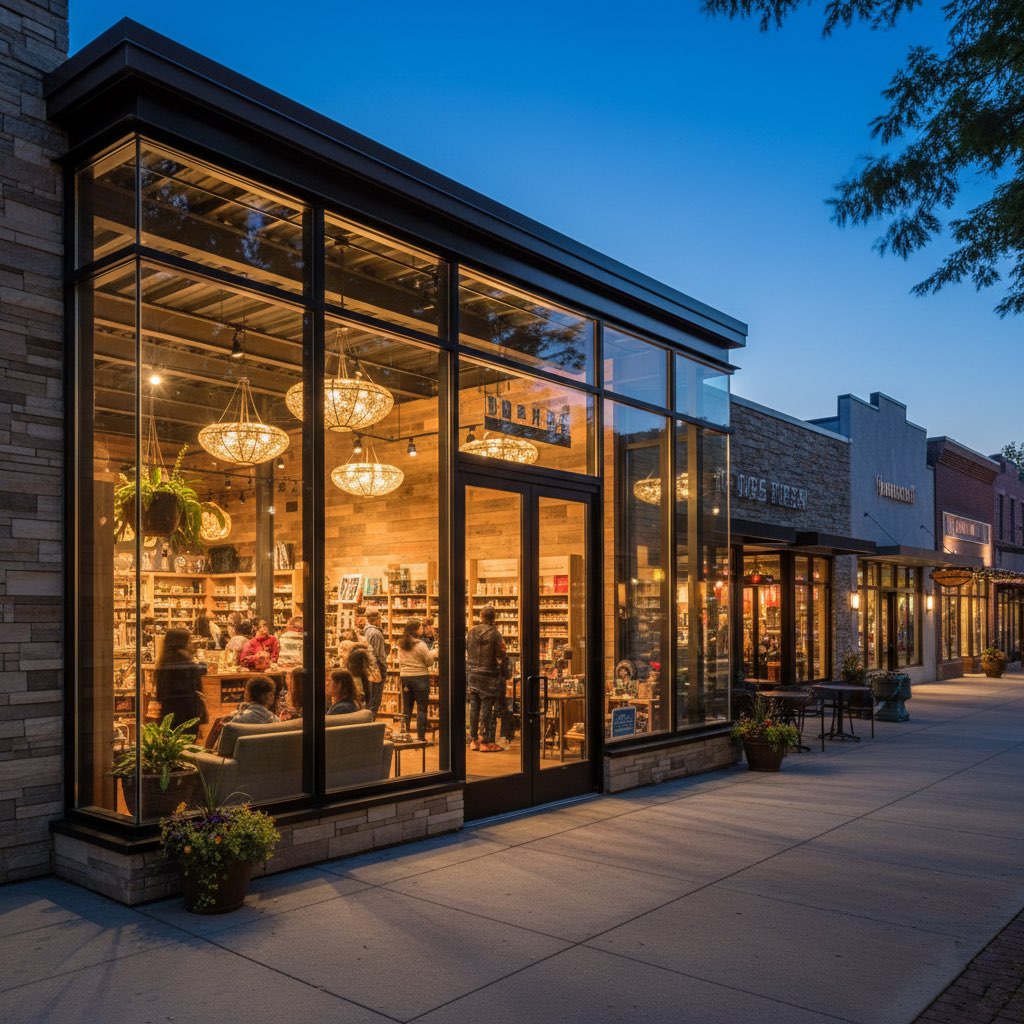
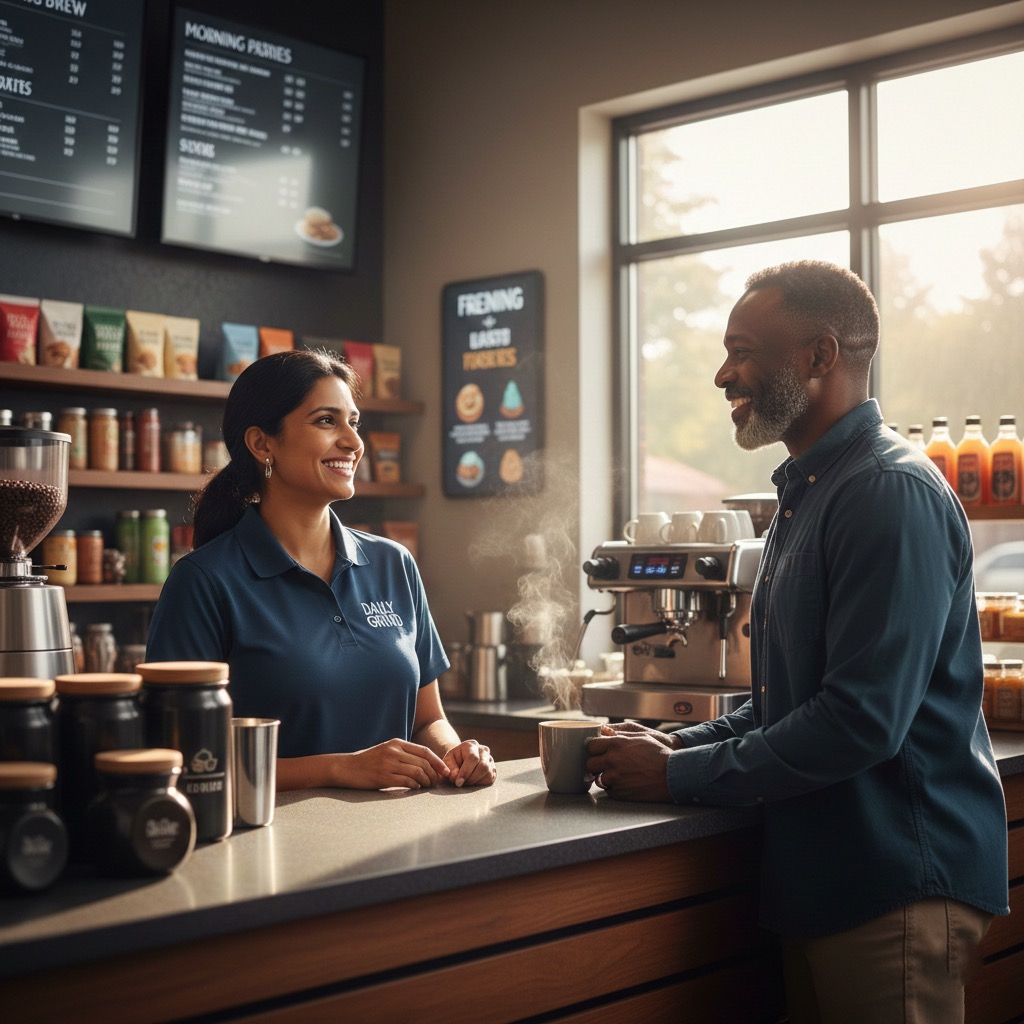
- Become a Local Hub: Your brand can be a reflection of the community you serve. Do you feature local products from a nearby bakery or a small-batch coffee roaster? Do you sponsor a local high school sports team or have a bulletin board for community events? These small actions build a reputation that you are more than a store; you are a partner in the community.
- Build an Identity: When you make a customer feel like they are part of a specific lifestyle or identity, whether they’re a “morning commuter” who relies on you for a quick coffee and a smile or a “road tripper” who sees you as a reliable and clean oasis, you build a loyalty that transcends a simple price point. You’re not just providing a product; you’re providing a reliable, trustworthy experience that makes people feel good and want to come back.

Focus on the ‘Why’ Behind What You Sell
A strong brand isn’t just about what you sell, but why you sell it. This “why” gives customers a reason to choose you that goes beyond a quick, cheap fix. It is a differentiator that a generic, app-based competitor can never replicate. By leveraging your brand’s unique story, you can establish an emotional connection. Research shows this connection is essential for building lasting loyalty and trust.
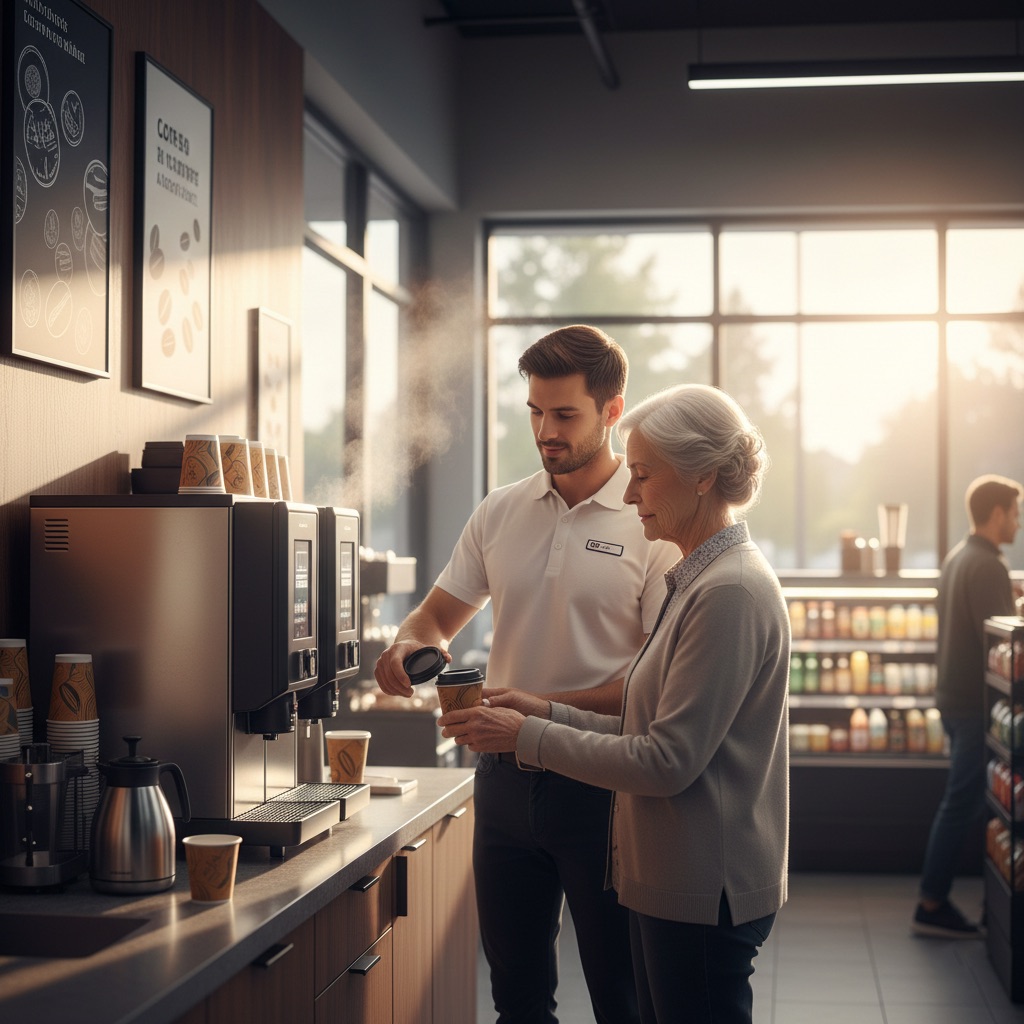
- Quality and Commitment: Do you source your coffee from a specific, high-quality roaster? Is your fresh food made with care on-site? Don’t be afraid to tell that story. Put a small sign next to your coffee pot that says, “Locally roasted in (Your Town).” Add a note on your sandwich display that reads, “Made fresh this morning.” These provide a purpose to your products. They also give a sense of pride to your brand.
- Transparency Builds Trust: In an era of online reviews and instant feedback, it is crucial to be transparent about your values. It is more important than ever to share your practices openly. If your “why” is about being a convenient stop for families, then your commitment to clean restrooms and kid-friendly snacks should be visible and communicated. This consistency from your promise to your execution is the bedrock of a powerful brand.
The Bottom Line: Give Customers a Sense of Belonging
Shift your focus to emotional selling. Your store is not just a place to grab a quick snack; it’s a destination that gives customers a sense of belonging. This is the ultimate strategy for building a loyal customer base. These are the kind of customers who will gladly walk past a competitor to visit you.
The ultimate goal is to become an indispensable part of your customers’ daily lives. When you succeed, your store becomes more than just a business; it becomes a routine, a habit, and a source of comfort. This is where your brand stops being a marketing tool and starts being a lived experience.
In our next post, we’ll discuss how to put this approach into action using a “high-tech, high-touch” model that creates experiences worth staying for.


 The5For
Leave a comment