For decades, your business has relied on a simple formula: fuel and packaged goods. But the rules of the game are changing. A new, powerful opportunity is emerging, and it’s built on food.
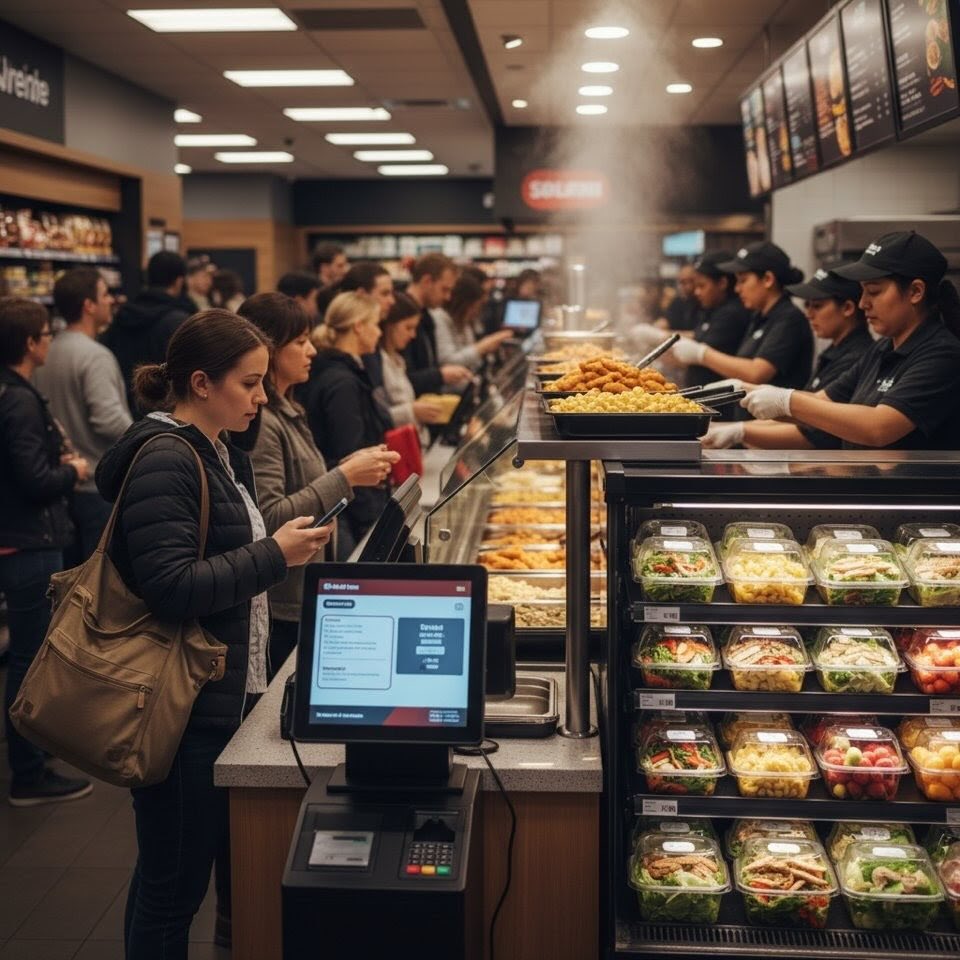
Since 2021, foot traffic to convenience stores has exploded. What’s pulling customers inside isn’t a new candy bar. It’s foodservice. In fact, the growth of foodservice in the convenience channel is outpacing traditional quick-service restaurants (QSRs) by 40%. This isn’t just about adding a hot dog roller; it’s about transforming your business into a food destination.
Your biggest competitive advantage is your speed and accessibility. An average visit to your store takes less than four minutes. This is about half the time of a typical fast-food drive-through wait. With 93% of Americans living within a ten-minute drive of a convenience store, you have a massive opportunity. You can be their go-to spot for a quick, on-the-go meal. The lesson from the industry’s top players isn’t to copy their size. Instead, adopt their mindset. Foodservice is no longer a secondary offering. It’s a core, strategic driver of profit and customer loyalty.
Lessons from the Leaders: Building a Food-First Mindset
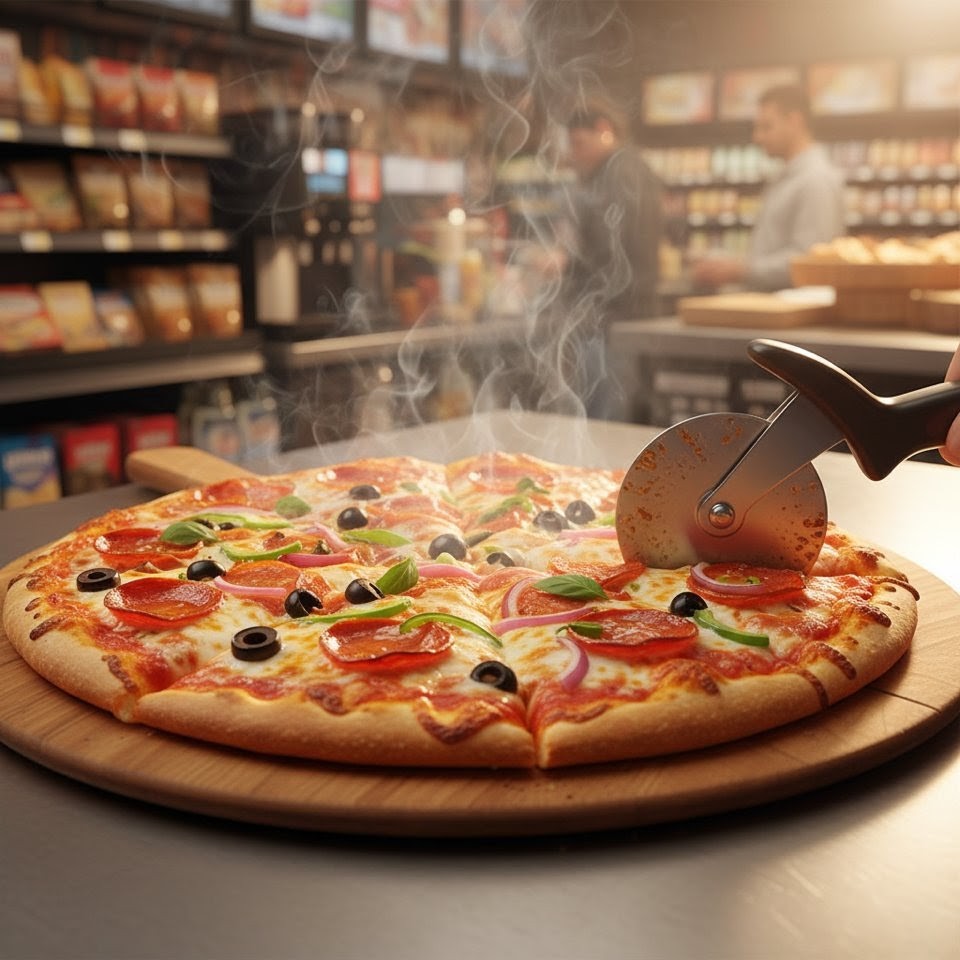
Look at a few powerful examples. Casey’s General Stores, the third-largest c-store chain by size, has also become the fifth-largest pizza chain in the U.S. Their success isn’t luck; it’s the result of developing a signature food item that makes their stores a destination. They’ve built a reputation for quality, affordable pizza that competes directly with national chains, driving repeat visits and increasing basket size.
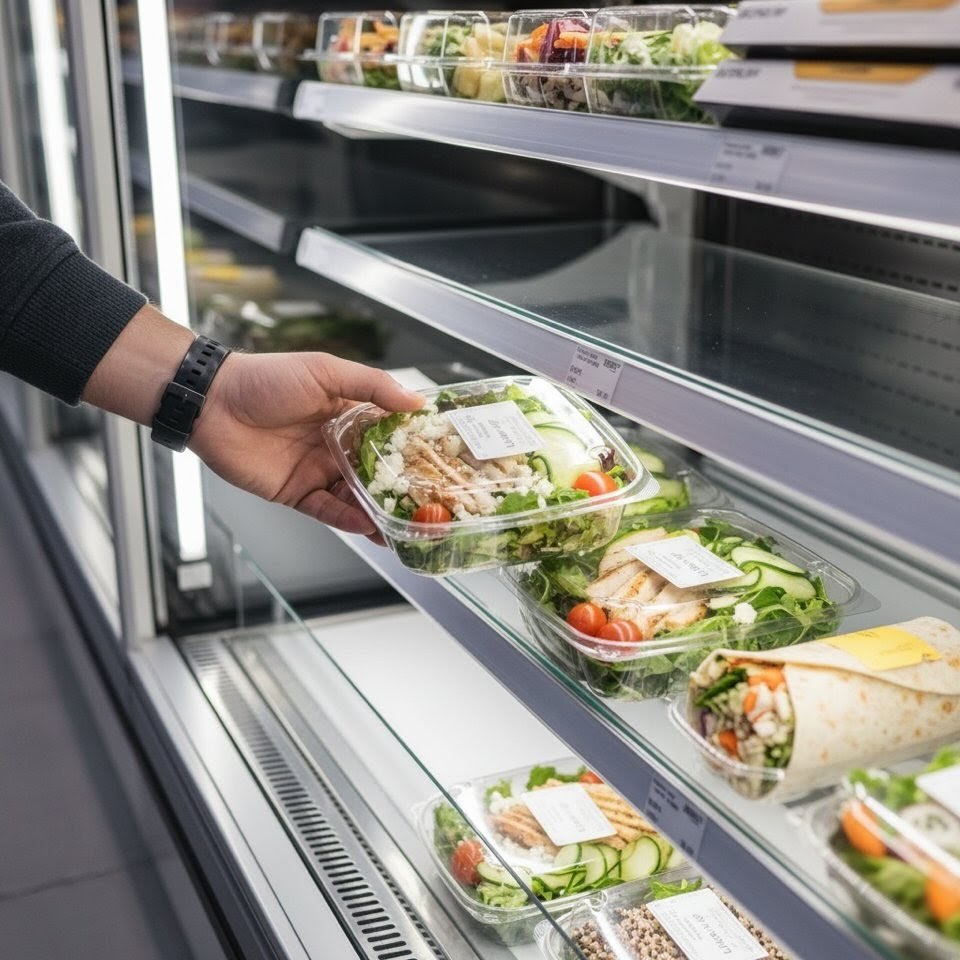
Similarly, Sheetz is building new locations with a “restaurant-style experience,” featuring made-to-order foods, self-service kiosks, and drive-thrus. Their menu includes healthier options like grilled chicken salads and veggie wraps. These items directly meet the customer demand for protein and fresh ingredients. By focusing on what customers crave, they’ve turned a consumer desire into a wildly successful business model. This strategic approach to menu development caters to diverse tastes and dietary needs. This is a key factor in attracting a broader customer base beyond the traditional male, blue-collar demographic.
Another industry leader, Wawa, has established a “Quality Food program.” They also created a “Good to Choose” menu. This is a brand-level commitment to offering balanced and clean ingredients. This approach builds trust and loyalty by signaling to customers that the brand cares about their well-being. Wawa’s success demonstrates that commitment to quality ingredients is essential. A broad, appealing menu can transform a convenience store into a beloved local institution.
Navigating Challenges and Seizing the Opportunity
Of course, a fresh food program isn’t without its challenges. The research is clear. Managing fresh food requires a lot more discipline. This is due to spoilage, food safety regulations, and the need for skilled staff. The cost of equipment and initial training can also be significant. However, these challenges are not insurmountable.
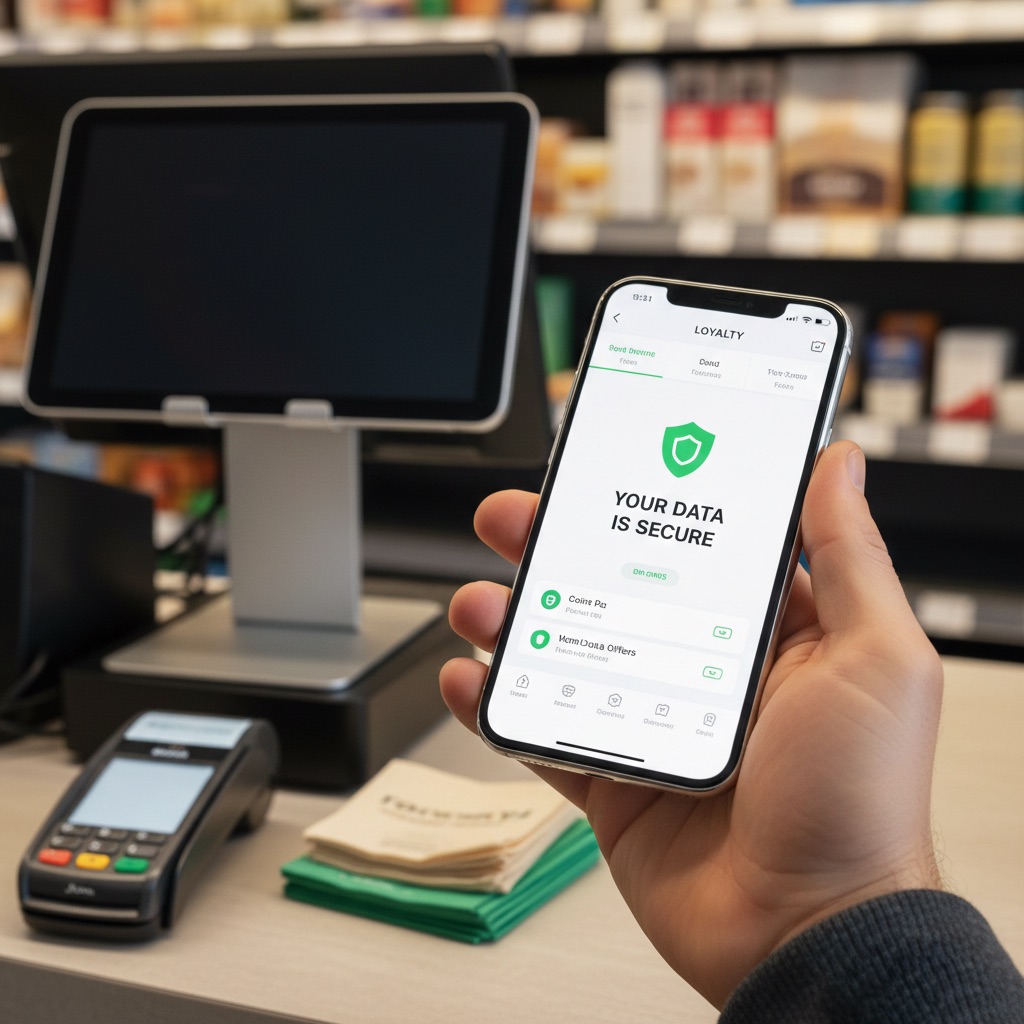
With a strategic, data-driven approach, you can mitigate these issues and turn fresh food into a powerful profit center. This includes leveraging inventory management software to minimize waste and using customer data to refine your menu and promotions. The investment in a strong food program can significantly increase your profit margins. Food service items typically offer much higher markups than packaged goods. This is exactly what we’ll explore in the upcoming posts, where we’ll dive into the specifics of menu planning and technology solutions.
The Bottom Line: Embrace Your Advantages
Learn from the success of these industry leaders. Adopt a similar food-first mindset. You can leverage your unique advantages, such as speed, accessibility, and local presence. This will allow you to become a powerful, modern food competitor. The question is, are you ready to reimagine your business and claim your share of the rapidly growing foodservice market?

 The5For
Leave a comment