Let’s be honest: The thought of adding a full-scale foodservice program to your convenience store can feel like an anxiety dream. You see it as a huge, expensive risk. You envision a massive, complicated kitchen. You think of a team of trained chefs you can’t afford. There is a never-ending list of things that could go wrong. The initial costs, the specialized equipment, the training, the staffing… it’s enough to make you stick with pre-packaged snacks forever.
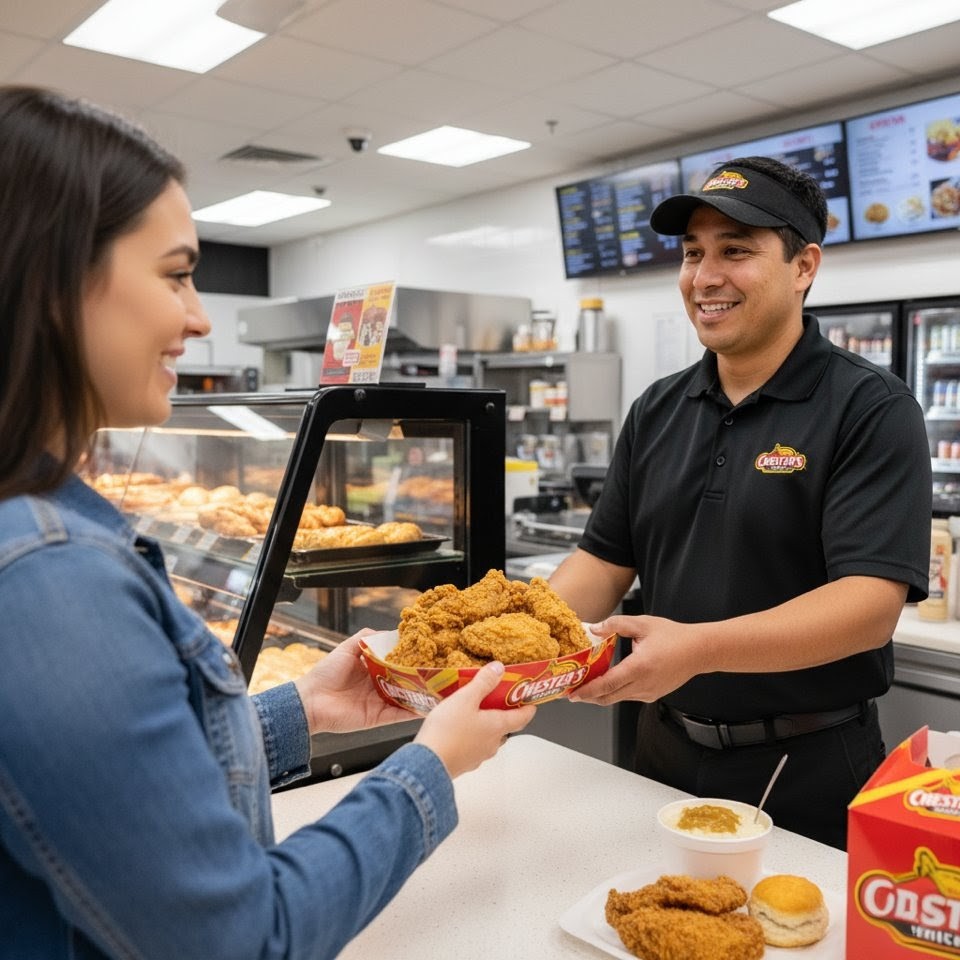
But what if the biggest anxieties you have about running a kitchen are a thing of the past? What if you could add a hugely profitable hot food program without taking on all that risk? The good news is that modern, branded chicken programs are engineered to do exactly that. They transform the complexity of cooking into a streamlined, low-stress, and remarkably profitable process. You don’t need a massive, dedicated kitchen or a team of culinary experts to execute a wildly successful food program. You just need the right system.
Operational Efficiency is Built-In
1. The Turnkey Advantage: Buy a Brand, Not Just a Recipe
For most owner-operators, the smartest move isn’t to reinvent the wheel. It’s better to choose an established, branded turnkey concept like Chester’s Chicken or Genuine Broaster Chicken. Think of it this way: when a customer sees a brand they recognize and trust, half the battle is already won. A brand’s reputation for quality and consistency is your free pass to customer confidence. These partners give you more than just a recipe; they give you instant brand credibility and a proven roadmap to success. You get a pre-tested menu with delicious recipes, pre-engineered side dishes, and branded packaging that customers know and love. Most importantly, you get a full training and support solution that helps your staff get up and running quickly. This eliminates the high cost and risk of developing recipes in-house. It also avoids endless trial-and-error and the headaches of building a reliable supply chain from scratch. You’re not just buying a program; you’re buying a proven system designed to get you profitable fast and keep you there.
2. Labor-Saving Equipment & Prep: Cook Smarter, Not Harder
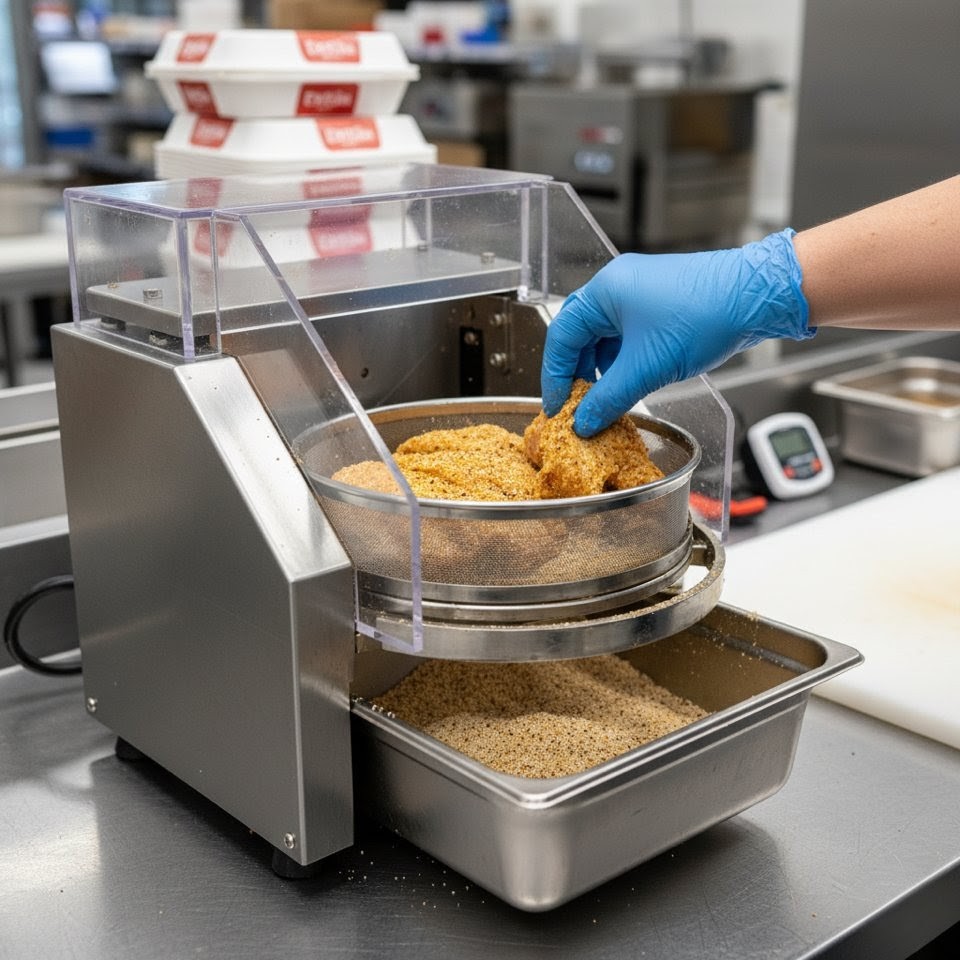
We know c-store kitchens are often space-constrained and staffed by general-purpose employees, not trained chefs. That’s why the heart of a successful foodservice program is specialized, compact, and highly efficient equipment. Investing in automated tools like a Breader Blender Sifter or a DrumRoll Automatic Breading Machine is critical. These tools maximize efficiency and reduce ingredient waste. They ensure every single piece of chicken is consistently perfect. These machines automate the most labor-intensive and messy part of the process. As a result, your staff can focus on serving customers and keeping your store running smoothly. Plus, you can reduce reliance on expensive skilled labor. Use labor-saving strategies such as pre-cooked proteins (like sous vide meats). Pre-made sauces and dressings can also cut valuable prep time. This approach ensures consistent quality, even when you have new staff on the job or a busy lunch rush.
3. Food Safety and Consistency: The Keys to Customer Trust
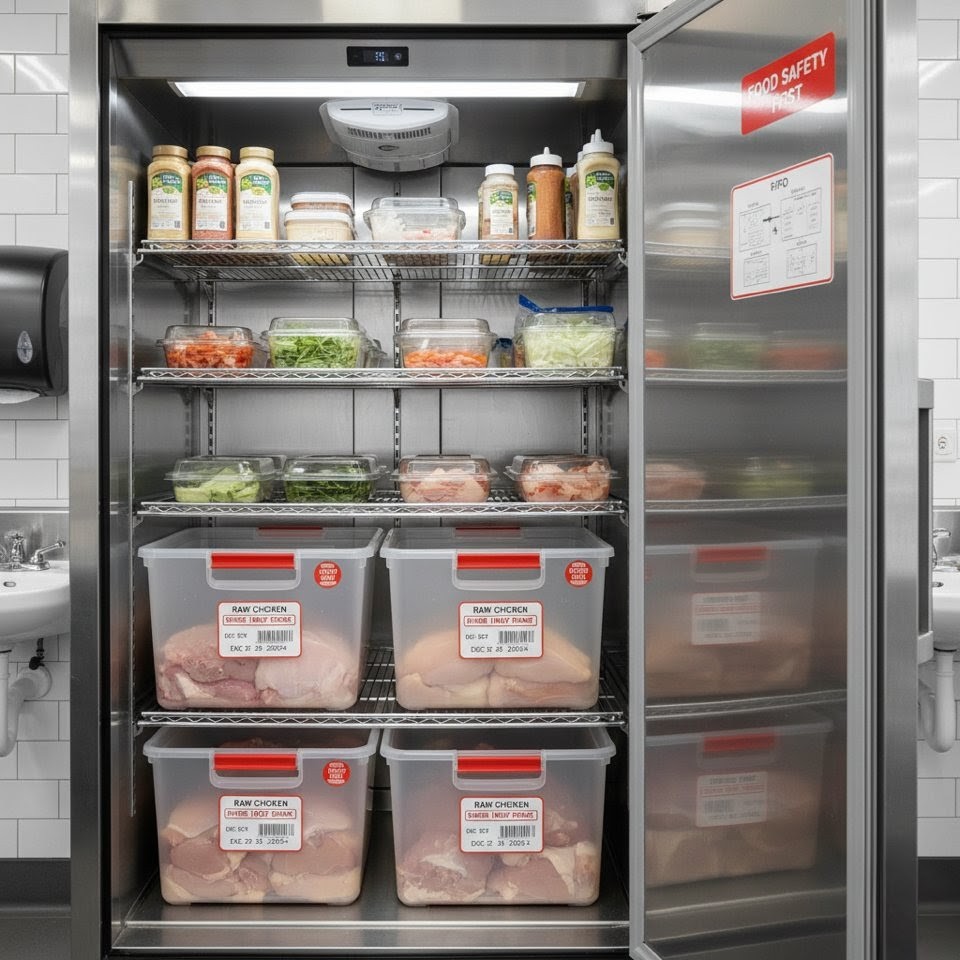
When a customer buys hot food from you, they are putting their trust, and their health, in your operation. QSR-level success demands strict adherence to food safety. Consistency is crucial because one mistake can sink a reputation you’ve worked years to build. Hot foods, such as fried chicken, must be maintained at or above 140°F (60°C). Many guidelines recommend a minimum of 165°F (74°C) during holding. This prevents dangerous bacterial growth. Conversely, raw chicken must be stored in refrigeration units at or below 40°F (4°C). It should always be stored on the bottom shelves to prevent dangerous cross-contamination. To manage inventory and waste, implement the First-In, First-Out (FIFO) system, ensuring older products are used before newer stock. These aren’t just rules; they are the foundation of a reliable, trustworthy food brand. When your customer knows they’ll get a hot, fresh, and safe product every single time, they won’t just come back, they’ll become a repeat customer for life and tell their friends about you.
The Bottom Line: Branded
By leveraging a branded, standardized, and equipment-efficient program, you transfer much of the initial risk and complexity to your supplier. They handle the brand, the recipes, and the support. They also take care of the headaches. This allows you to focus on what you do best: running a profitable business and serving your customers. This is how you take a leap of faith into foodservice with a safety net built-in. It’s not about becoming a professional chef; it’s about becoming a smart food operator.
In our next post, we’ll talk about The Halo Effect. We will discuss how a successful chicken program can boost your foodservice sales. It can also drive loyalty and increase your average ticket size across your entire store. You won’t want to miss it.


 The5For
Leave a comment