Part 1: Stealing the Beverage Crown: How C-Stores Can Adopt Dunkin’s Speed and Scale
The C-store’s Existential Threat (and Opportunity)
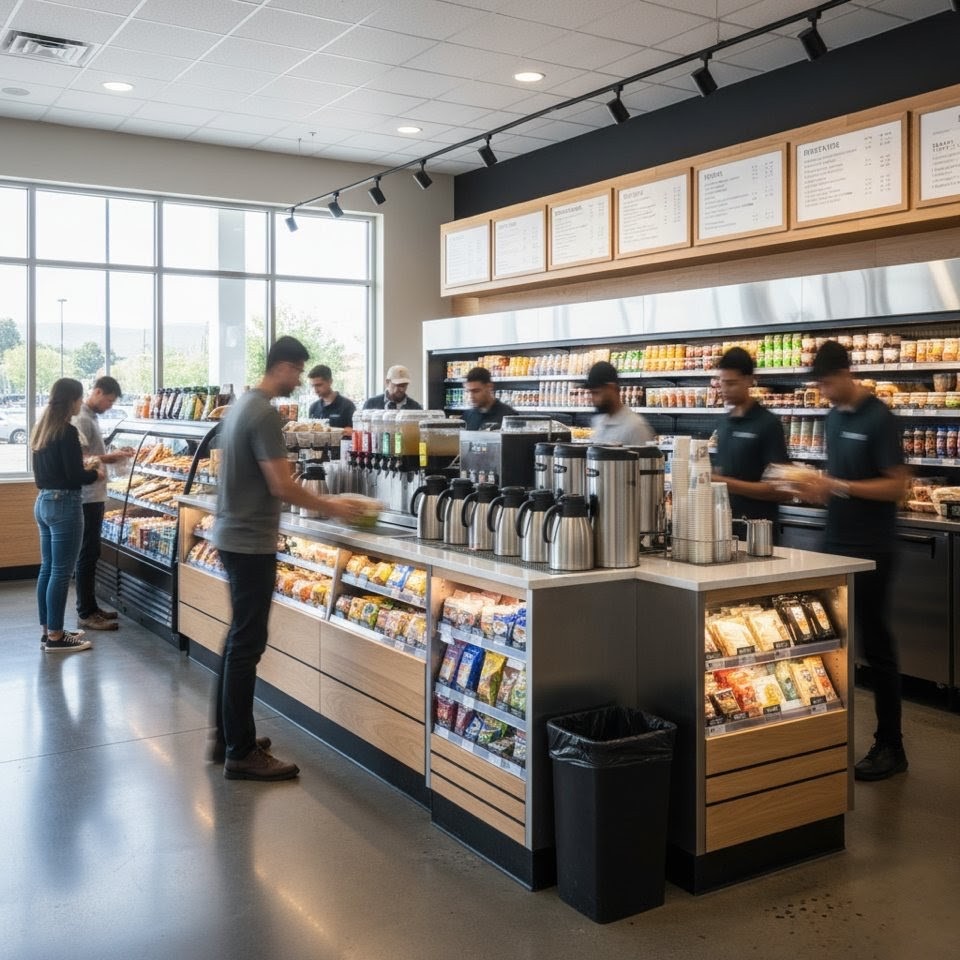
For years, the independent convenience store (C-store) thrived on the simple truth of proximity: being the nearest stop for gas, gum, and cigarettes. But the retail landscape has shifted dramatically. The biggest competitive threat to an independent C-store today is often not the other gas station down the street. It is the quick-service restaurant (QSR) giants like Dunkin, Starbucks, and Chick-fil-A. These massive chains have perfected a science: turning speed, habit, and consistency into an economic engine. They have mastered the morning rush and established themselves as daily destinations.
These QSRs are winning the high-margin battles, specifically, beverages. They have trained consumers to expect a fast, reliable, and delightful experience centered around coffee, cold brew, and specialized drinks. If your C-store relies solely on location, you are vulnerable. The opportunity, however, is immense. C-stores can fight back and thrive by consciously “stealing” the core operational and psychological strategies of these QSRs. The starting line is mastering the high-margin beverage category and, more than anything else, prioritizing speed.
The Convenience Store Competitive Advantage: Leveraging the ‘C’
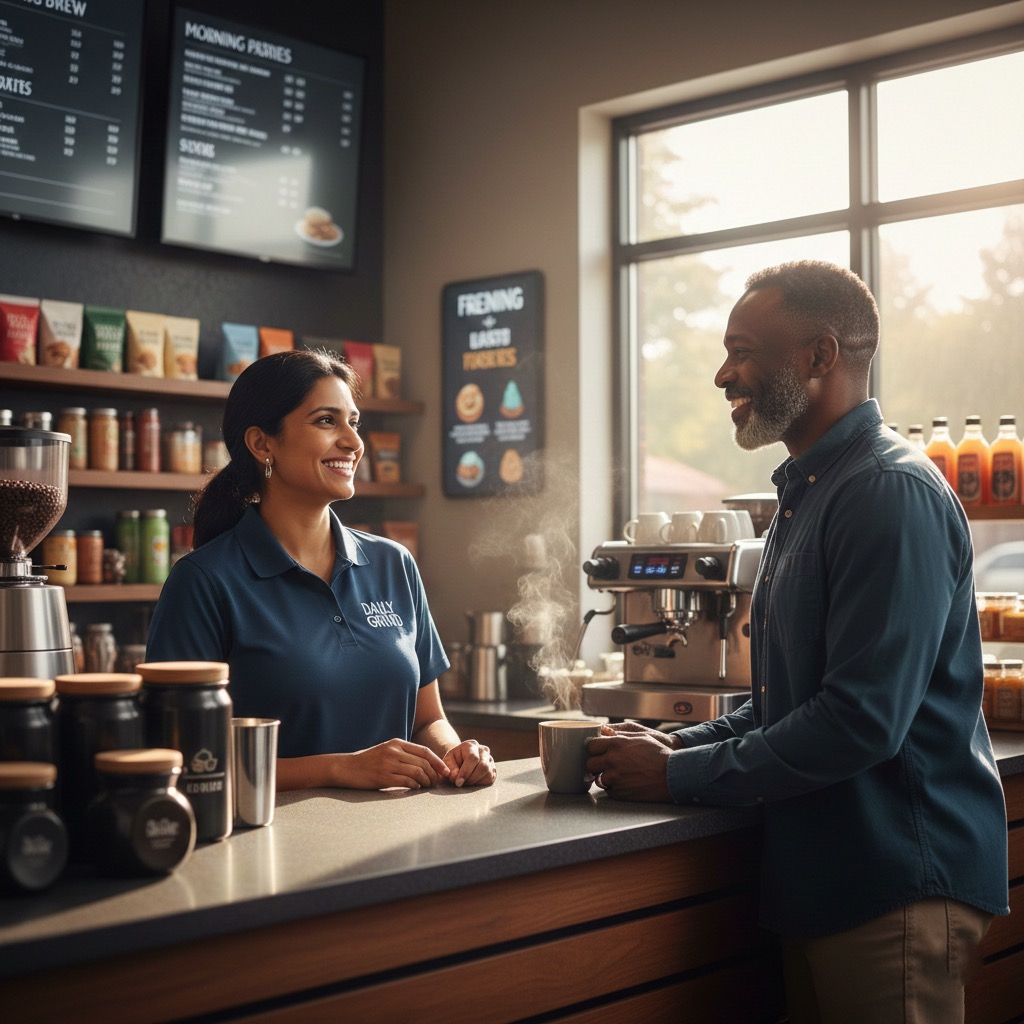
The C-store already holds the essential advantage over nearly every other competitor: immediate convenience. You are literally built into the customer’s daily path. The crucial operational change is marrying that unbeatable location advantage with QSR-level operational efficiency. This demands a profound shift in perspective. You should view the customer stop not as a transaction. Instead, see it as a critical moment of engagement that must be optimized for both speed and profitability.
The modern C-store operator must internalize one absolute truth: Time is the Ultimate Luxury for your customer. The typical customer views their stop at your location as a necessary interruption, often during a busy commute or tight timeline. The objective, therefore, is to minimize friction and deliver service at lightning speed.
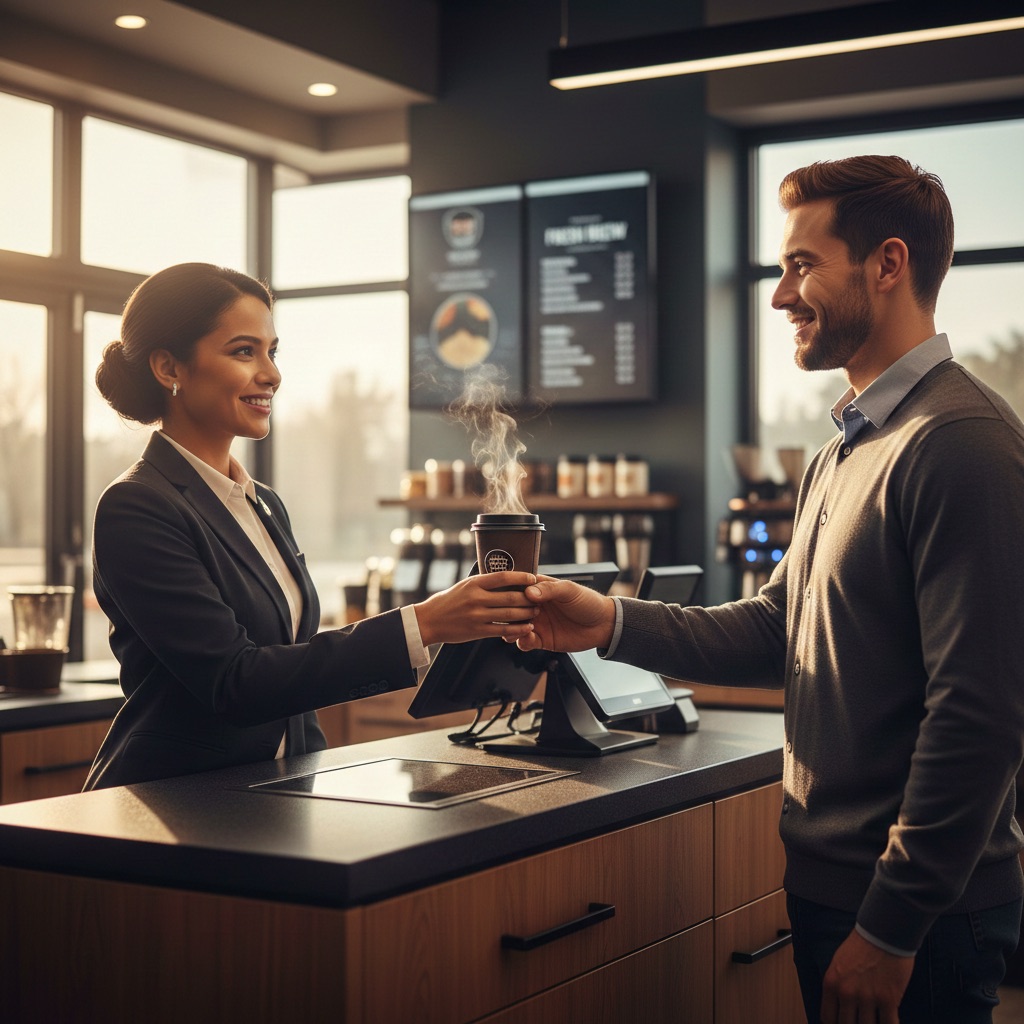
For QSRs, Speed of Service (SoS) is a measurable Key Performance Indicator (KPI). This same rigorous metric must be adopted by C-store operators. The goal is a transaction time, from entry to exit, excluding fuel; that aims for 90 seconds or less. Minimizing the duration of the interruption enhances customer satisfaction. It fosters the habit of choosing your location over a competitor that might offer a slightly cheaper gallon of gas but requires a five-minute wait for coffee.
Core Principle 1: Focus on the High-Margin Anchor Product (The Beverage Program)
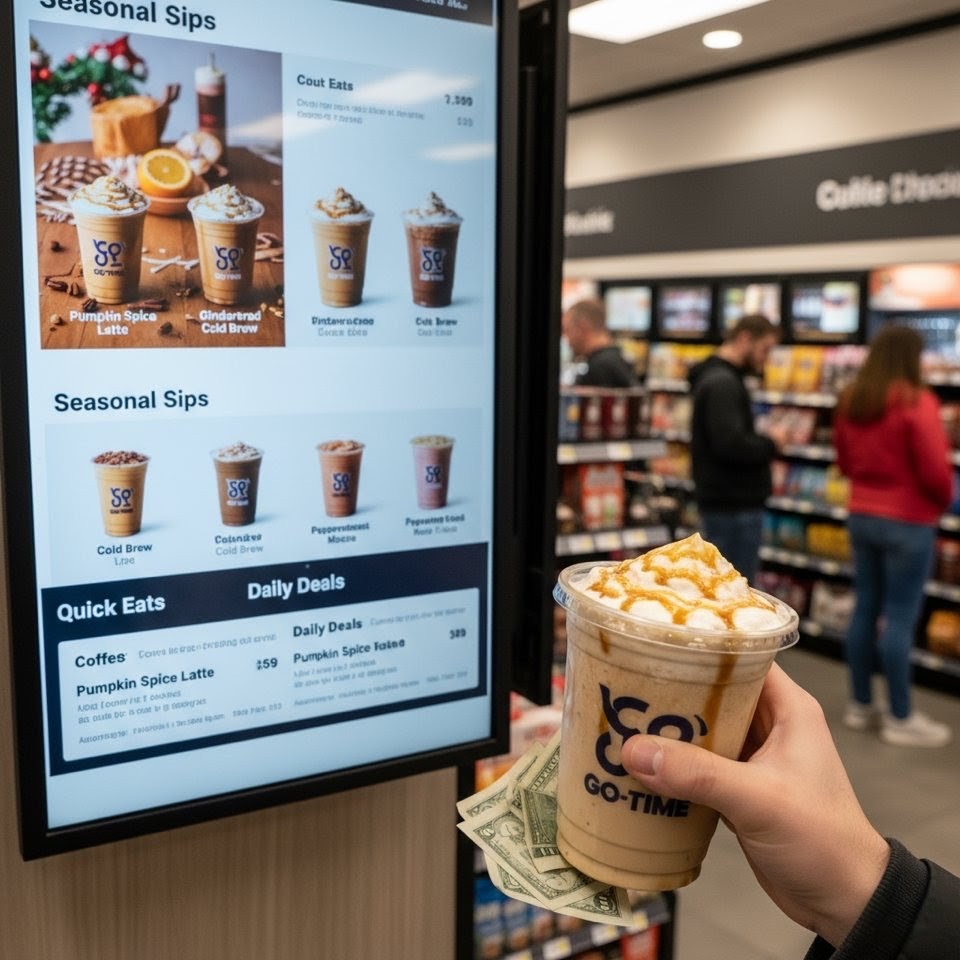
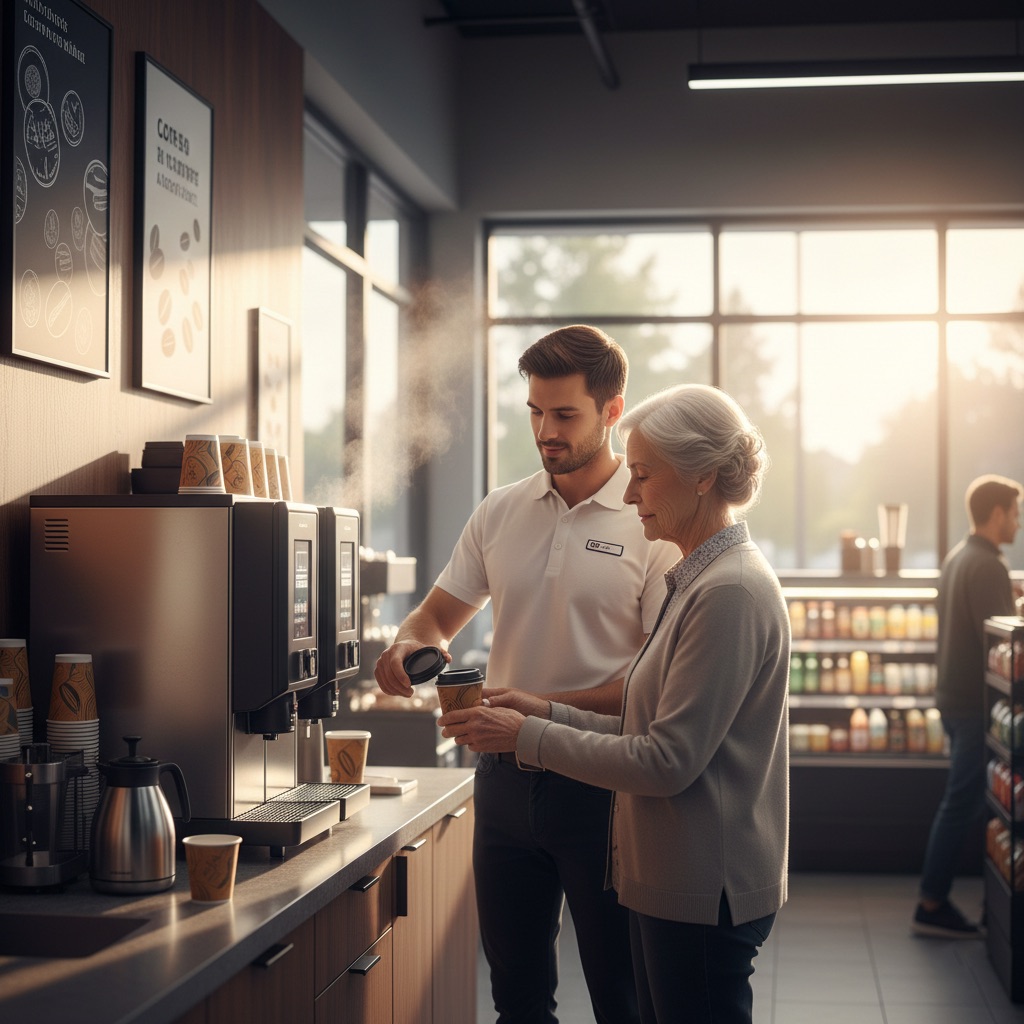
Dunkin did not build an empire on gasoline; they built it on coffee and donuts, high-frequency, high-margin, habit-forming products. C-stores must stop treating their fountain and dispensed beverage programs, coffee, cold brew, frozen drinks, and specialty sodas, as ancillary services. These must be elevated to the primary traffic driver and the highest-profit center, much like a QSR’s core menu.
The fundamental operational commitment required here is to Consistency. Consistency is the currency of trust in the foodservice world. Customers must be able to trust that the quality, temperature, and readiness of their favorite beverage, whether it is a cappuccino or a simple black coffee, will be identical every single time, regardless of the time of day or the employee on shift. Achieving this requires rigorous and structured training protocols for preparation, maintenance, and handling. If the coffee on Monday morning is weak and lukewarm, but perfect on Tuesday afternoon, the customer loses trust and immediately seeks a QSR alternative.
Beyond consistency, a strong beverage program must prioritize Freshness and Variety. QSRs constantly generate excitement and drive impulse sales by cycling through seasonal and limited-time offer (LTO) beverage options. This strategy is highly effective because it captures the consumer’s preference for novelty and taps into the impulse to shop during holidays or summer months. The strategy is so successful that it is utilized across the consumer-packaged goods (CPG) sector; for example, the snacks category often uses festive or summer flavors to remain top-of-mind during peak seasons. C-stores can easily adapt this by ensuring their coffee bar features holiday flavors in December and unique, refreshing cold brew concoctions in July. This keeps the beverage offering dynamic and provides customers with a reason to check back often.
Core Principle 2: The Need for Speed (Why Every Second Counts)
If consistency builds trust, speed builds loyalty. Long queues and slow service are the primary drivers of customer attrition, particularly in environments designed for rapid access. In the drive-thru QSR setting, which is a close analog to the C-store counter during peak hours, studies indicate that 85% of customers will abandon the queue if the line is perceived as too long. This behavior is immediately transferable to the walk-in experience: a busy commuter, seeing three people in line, will abandon the purchase if they perceive the wait will take more than two minutes.
This concept transcends mere customer courtesy; it is a measurable profit center, The Financial Value of Velocity. Data from the QSR industry shows that reducing drive-thru wait times by a mere five seconds can translate into financial gains exceeding $8,000 per location annually. For the C-store, this revenue lift is critical because it represents increased throughput capacity without requiring additional labor hours. Investing in operational efficiency to shave seconds off the transaction is one of the highest-ROI activities available to an owner-operator.
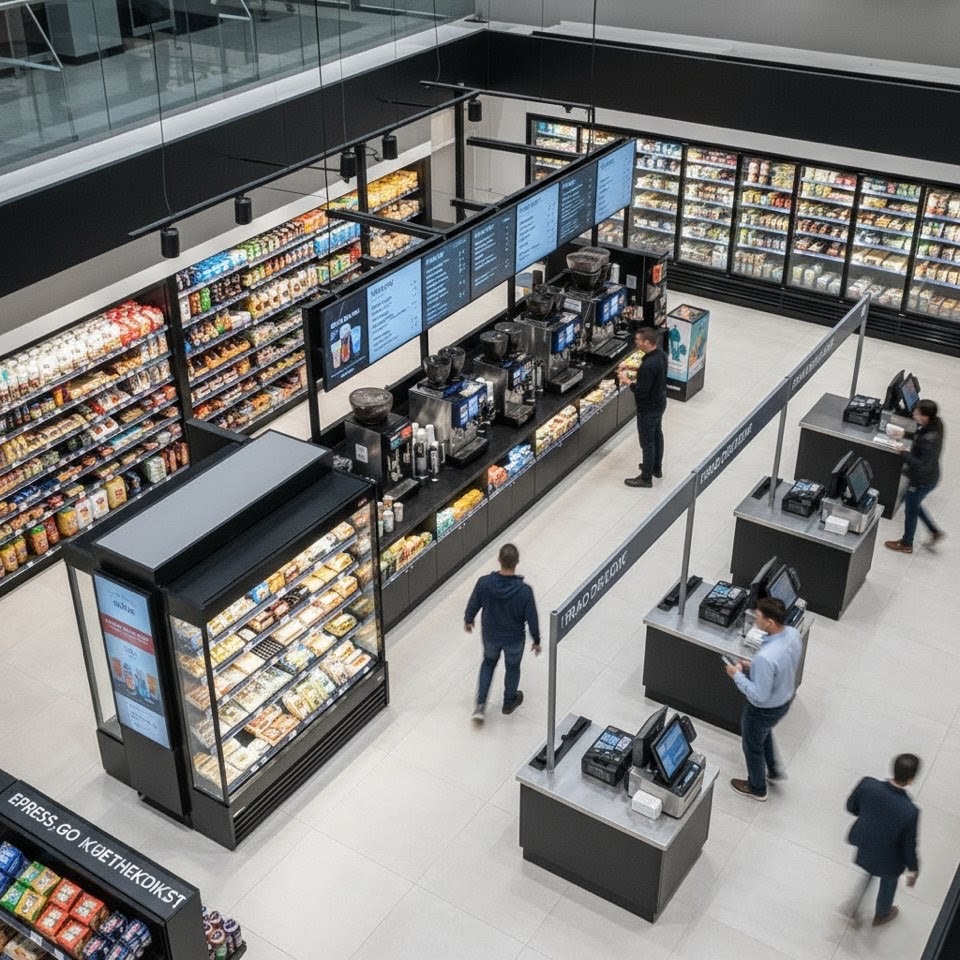
Achieving this level of transactional velocity requires deliberate operational design. The physical layout must be optimized for speed. For example, strategically placing high-demand, quick-access products, such as pre-packaged grab-and-go foods, sandwiches, or breakfast items, near the entrance allows busy commuters to quickly grab what they need and bypass the deep browsing areas, significantly speeding up their checkout time. This focus on reducing the total time investment required by the customer is the ultimate adoption of the QSR mindset.
The Bottom Line: The Shift from Convenience to Destination
The journey toward adopting the Dunkin model begins by fundamentally recognizing that speed and consistent product quality, especially in the high-margin beverage category, are non-negotiable operational requirements. Speed is not a secondary concern; it is a strategic business function and a measurable profit center that generates customer habit and retention. The independent C-store can successfully compete with QSR giants by focusing on velocity and reliability in their core offerings.
However, operational discipline alone is not enough. Achieving and maintaining this level of speed requires smart, affordable, and readily available technology. In our next post, the discussion will transition into the tech toolkit. We will explore low-cost, high-efficiency Point-of-Sale (POS) systems. We will also cover the silent selling power of digital menu boards. These tools can immediately shave critical seconds off every single transaction. They can also sustainably boost your average basket size.

 The5For
Leave a comment