Introduction: Cutting the Wait Time and the Cost of Friction
Following the blueprint established last week, which focused on speed and consistency in the beverage program, the next logical question for C-store operators is: How exactly do we engineer that speed? For too long, independent operators have viewed sophisticated technology as an unaffordable luxury reserved for national chains. This is no longer the case. Modern, accessible technology is now a vital tool for the independent operator seeking to minimize friction and maximize throughput.
This week’s focus is on the essential, affordable technological upgrades. These upgrades can fundamentally redefine the speed of service. They simultaneously drive customer satisfaction and higher revenue. C-stores can create an efficient environment by leveraging intuitive Point-of-Sale (POS) systems. They can also employ low-cost digital signage and self-service options. This strategy matches the velocity of any major QSR competitor.
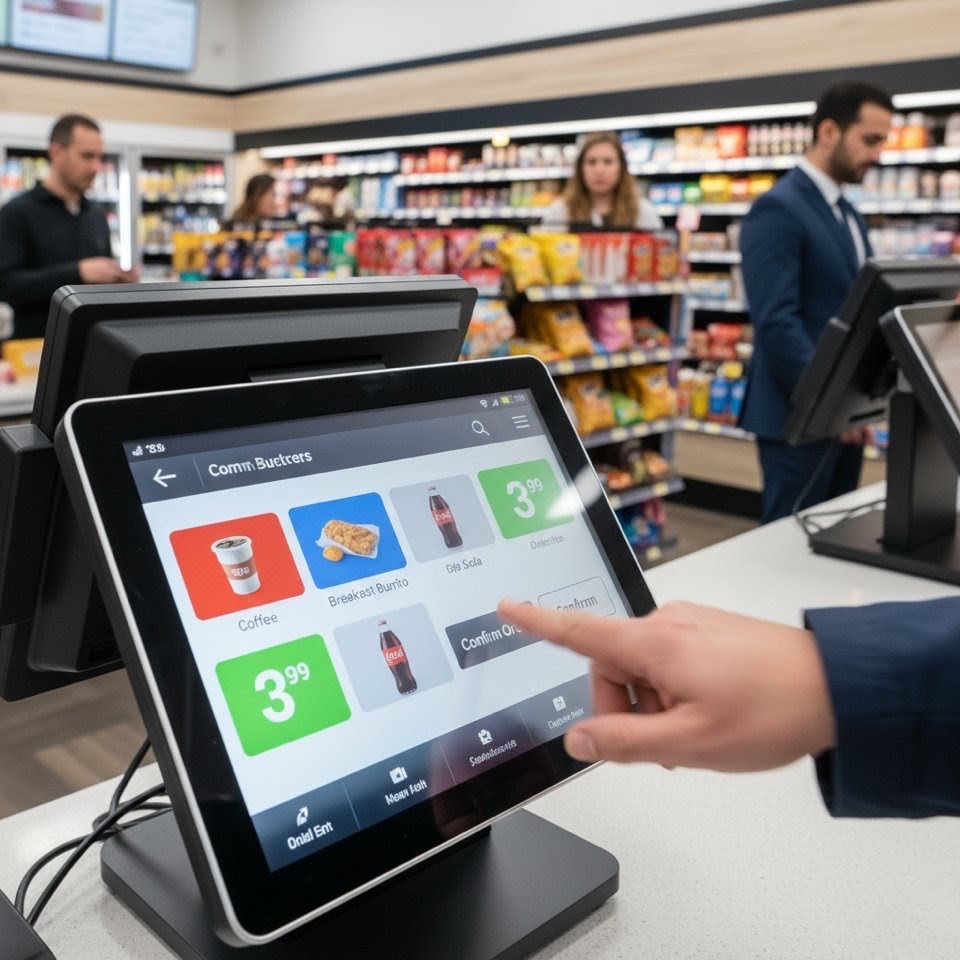
Point-of-Sale Systems: The Engine of Efficiency
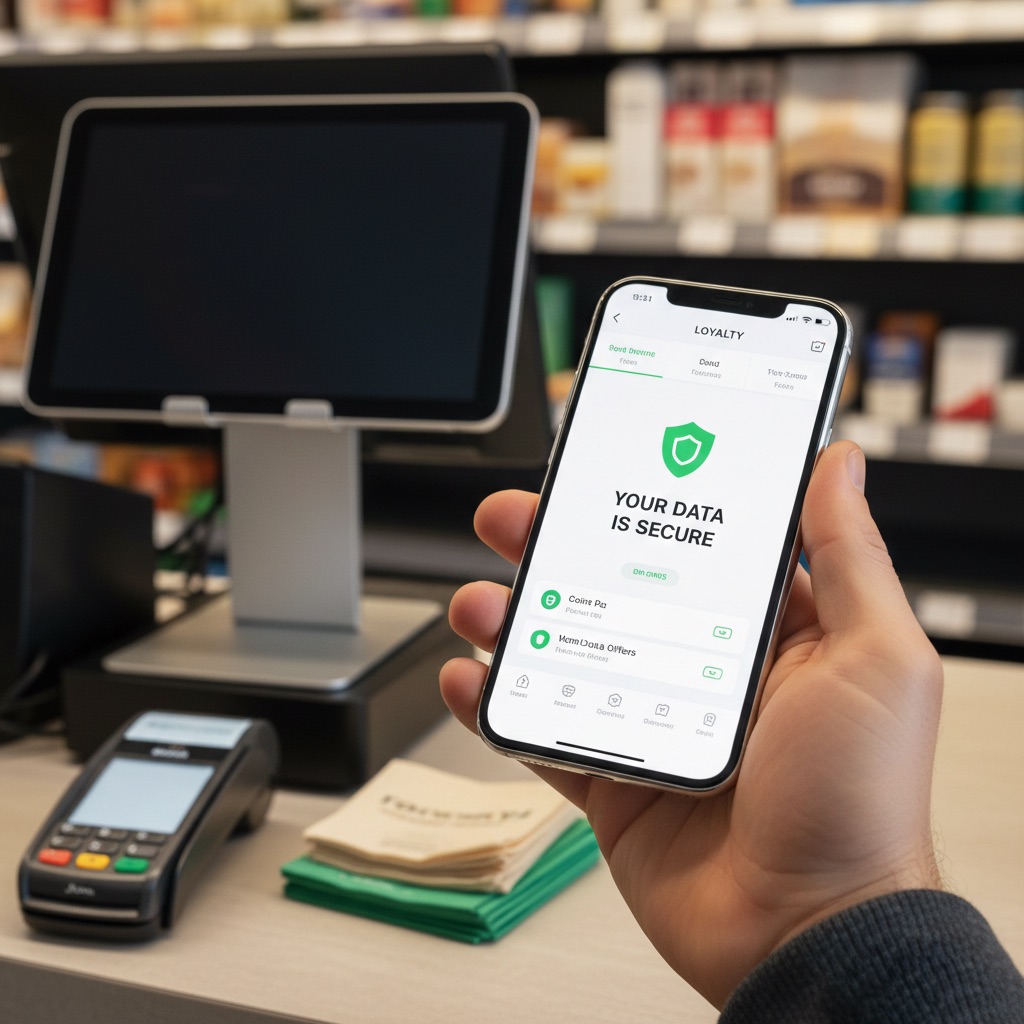
The Point-of-Sale system is the central nervous system of a C-store operation. For independent operators, system selection must prioritize simplicity, intuition, and, most importantly, affordability. Systems that require massive upfront capital, complex training, or long-term contracts create unnecessary barriers.
Top contenders like Square and Clover are highly recommended for new or single-location convenience stores. Their popularity stems from ease of use, transparent pricing, and the elimination of binding contracts. When evaluating potential systems, independent operators should look beyond the basic transaction features. They should ensure the POS offers integrated inventory management. This allows the business to sync inventory across physical and online channels. Furthermore, carefully scrutinizing competitive payment processing rates is essential, as even minor percentage differences can significantly affect overall profitability. For instance, Square’s paid plans often offer lower processing rates than their free versions, justifying the monthly subscription cost through reduced transaction fees.
A vital, often overlooked requirement for high-volume C-stores is the Offline Imperative. Convenience stores are often in locations where internet connectivity can be unreliable, or they may simply experience temporary outages. Sales cannot stop. Operators should seek out cloud-based systems, such as NCR. These should also offer strong on-premise components or offline support. This enables staff to continue taking payments and processing transactions seamlessly during a loss of connectivity. Maintaining transaction continuity is crucial to upholding the fundamental promise of convenience.
Operators who are constrained by capital expenditure budgets should consider cost management. They can look for solutions compatible with existing consumer technology, such as iPads. This strategic approach to minimizing hardware investment frees up capital to be invested in other high-impact areas, such as inventory or lighting upgrades.

The Power of Silent Selling: Low-Cost Digital Signage
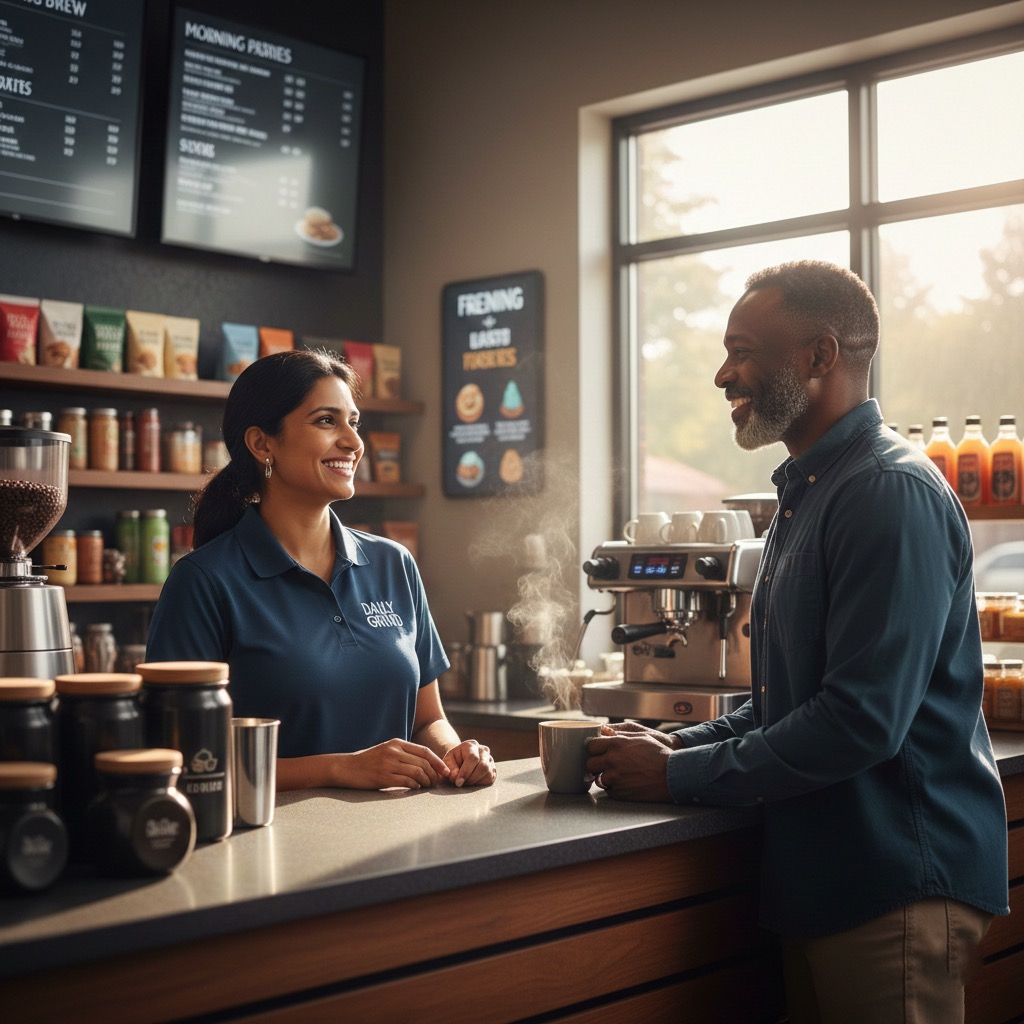
Digital signage is not merely a tool for displaying prices; it is a critical component of QSR operational strategy that enhances the speed of service and increases the basket size through “silent selling.” These vibrant, eye-catching displays cut through the visual clutter of a traditional C-store and provide clear, dynamic visual merchandising.
Affordability is no longer an issue for implementing this technology. Budget-friendly options for digital menu boards and promotional screens are readily available, with scalable solutions starting as low as $10 per month per location, making enterprise-level visual merchandising accessible to even the smallest independent operators.
The strategic value of digital signage extends directly to maximizing transaction velocity. QSRs deploy digital boards to display high-resolution, vibrant imagery of Limited-Time Offers (LTOs) and combo deals. This visual presentation reduces the cognitive load on the customer. When presented with clear, attractive visual choices, customers spend less time debating their purchase at the counter compared to scanning static, cluttered physical menus. This process acts as a form of “silent training” or guidance that leads to faster decision-making, significantly accelerating the queue movement, and directly increasing the average basket size by highlighting add-ons. If the visual communication is instantaneous, the transaction is fast; this directly addresses the QSR core goal of speed.
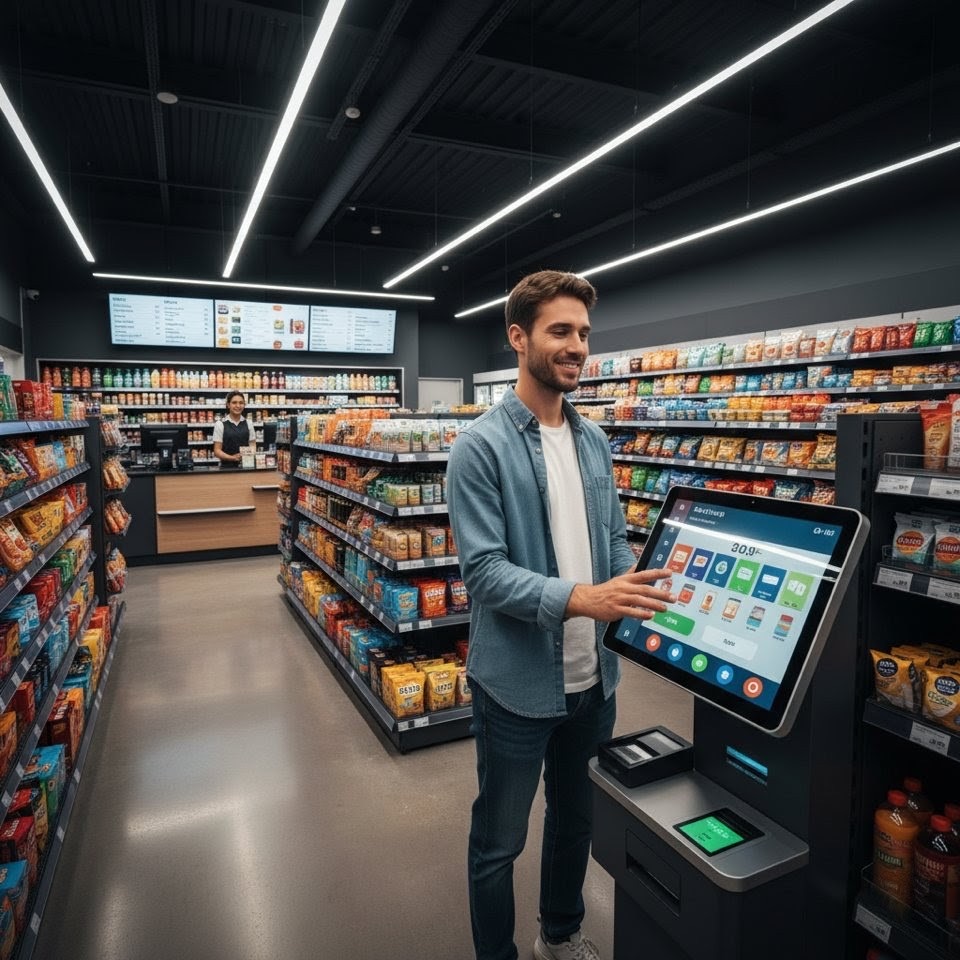
Self-Service & Kiosks: Shifting Transactional Load
The modern customer prioritizes speed so highly that a substantial segment now prefers self-service options. Research shows that six out of ten shoppers favor self-service over direct staff assistance, primarily driven by the perception of speed.
For C-stores, the deployment of self-service kiosks is a highly strategic move. Kiosks, such as the Samsung Windows All-In-One Kiosk, allow customers to browse, select, and purchase items at their own pace. This deployment strategy diverts low-complexity, non-age-restricted transactions (e.g., ordering coffee or a hot dog) from the main register. By shifting this transactional load, the primary cashier is freed up to focus on the necessary high-complexity tasks, such as fuel transactions, age verification for alcohol and tobacco sales, and managing long queues efficiently.
Furthermore, digital technology should be integrated across the entire customer journey, starting even before they enter the store. Outdoor direct view LED screens, such as those used at gas pumps and forecourt marquees, can welcome drivers, direct them to available services (like the drive-thru), and advertise in-store promotions with vibrant imagery. This technology engages the customer from the moment they arrive, enhancing the overall convenience and promoting the in-store experience.
The Bottom Line: More Than Just a Transaction
Modern C-store technology is an operational necessity and a vital investment in growth, rather than a prohibitive expense. The C-store operator accelerates throughput by meticulously optimizing the POS system for efficiency and reliability. They embrace affordable digital signage for rapid communication. Additionally, they offer self-service options to manage transactional load, increasing profitability per minute. This strategic approach ensures that the convenience store is not just fast, but consistently efficient, mimicking the best practices of QSR giants.
Now that the technology is in place to support rapid transactions, the next crucial step is to ensure the physical space maximizes revenue potential. We need to focus on optimizing the physical environment. In my next post, the discussion will pivot to physical layout strategies. It will cover the “racetrack” models and impulse display tactics. These strategies utilize psychological cues to ensure high-margin products are forced into the customer’s line of sight. This turns speed into basket size.



 The5For
Leave a comment