The Human Element and the Failure of Inconsistency
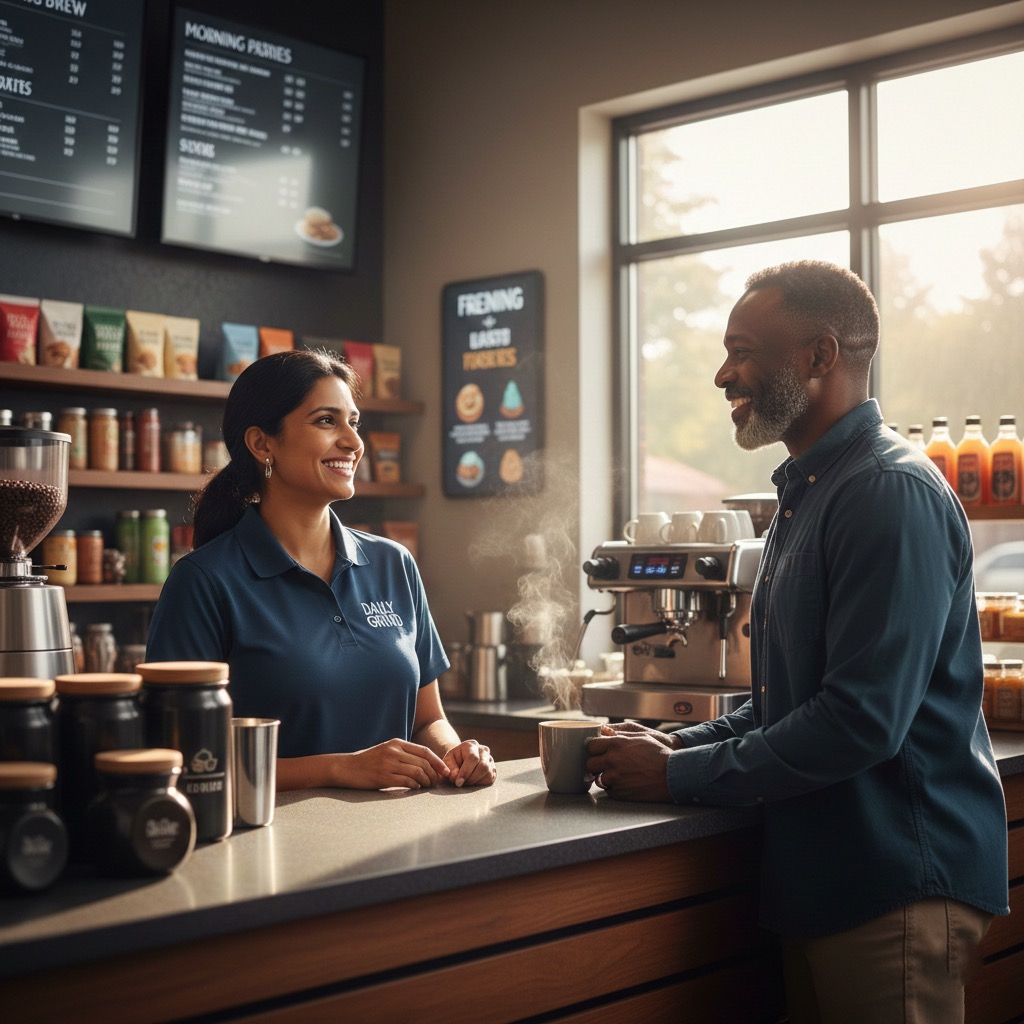
A state-of-the-art layout (Post 3) and bright, appealing ambiance (Post 4) are foundational elements. However, these elements are ineffective if the customer’s interaction with the staff is slow. Ineffective interactions can also be inaccurate or unfriendly. In the convenience retail sector, where product differentiation can be minimal, the human element is the ultimate, non-replicable differentiator.
This post’s focus is on developing rigorous, yet simple, training protocols that replicate the standardized, friendly hospitality of major QSRs. The objective is to steal Dunkin’s focus on staff empowerment and formalized training frameworks to ensure that every single interaction is fast, friendly, and accurate. The C-store team represents the brand’s commitment to quality in real-time.
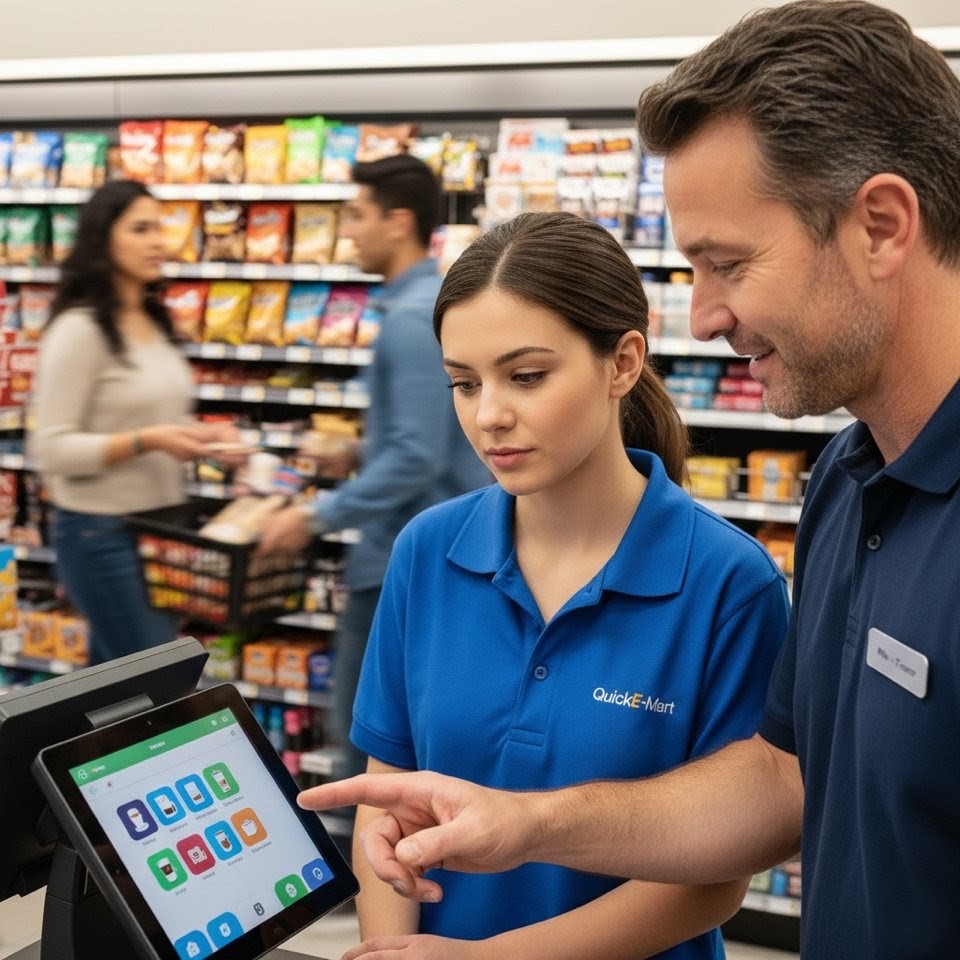
The QSR Training Mandate: Speed, Friendliness, and Accuracy
Staff interaction is not a peripheral factor; it is a measurable Key Performance Indicator (KPI). Data confirms the transformative power of friendly service. Customer satisfaction rockets to approximately 97% when service is friendly. In contrast, it drops to a mere 22% when it is not. Furthermore, friendly interactions directly improve execution. This results in an average order accuracy rate of 89%. In comparison, the rate is 70% when staff are unfriendly. Friendliness is not a soft skill; it is a strategic function that drives accuracy and customer retention.
Consistency in service delivery requires adopting a simple, memorable framework. Many successful models exist, such as the “Be Our GUEST” principles:
- Greeting: Start every interaction with a friendly welcome the moment the customer walks through the door.
- Understanding: Practice active listening to discern what the guest needs, respecting their time constraints.
- Eye Contact: Making eye contact sends a critical non-verbal cue that the customer is important and valued.
- Speed of Service (SoS): Prioritize efficiency and quick thinking. Even during rush periods, guests must be served as quickly as possible to maintain the “convenience” promise.
- Thank: Conclude every visit by thanking the customer, reinforcing basic etiquette.
Comprehensive training must extend far beyond basic POS operation. It must include soft skills, detailed product knowledge, and the ability to handle transactions efficiently. The National Retail Federation identifies poor customer service as a leading cause of customer attrition. This underscores the necessity of thorough and consistent training. Operators should leverage specialized resources. For example, the NACS Certified Convenience Foodservice Management (CCFM) training series offers specific modules. These modules are designed for developing and growing a successful C-store foodservice offer.
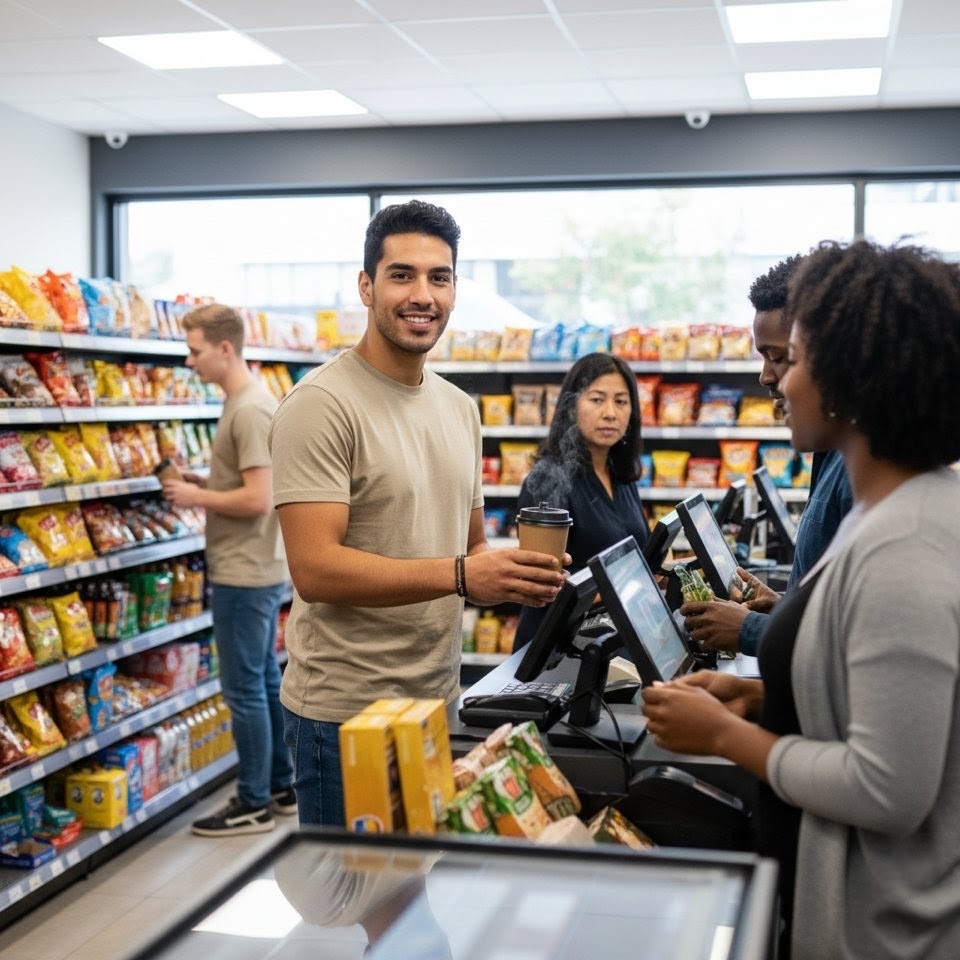
Building Competency Quickly (The 48-Hour Framework)
Independent operators require training methods that are fast and effective without compromising safety or consistency. Rapid onboarding techniques are essential. The “Shadow-and-Switch” method is highly effective, allowing new employees to observe transactions for a brief period (e.g., 30 minutes) before immediately beginning to handle transactions while supervised by an experienced worker.
Furthermore, leverage Peak Period Training. Use busy times for “Controlled Exposure.” Position new hires where they can observe the relentless pace. They should also watch customer flow patterns and real-time problem-resolution techniques. These experiences cannot be accurately replicated during slower periods. Once observed, the new employee practices similar transactions during quieter moments while the lessons remain fresh.
A critical, often underappreciated element of standardized training is mitigating operational and legal risk. QSRs standardize safety and compliance through rigorous, required training. For C-stores, this means integrating mandatory compliance modules, such as food safety, handling alcohol sales, and age verification protocols (e.g., TIPS training for alcohol safety), into the core framework. By ensuring early and systematic skills verification on safety and compliance through role-playing and daily check-ins, the operator establishes a direct link between HR efficiency and legal risk management. This approach protects the business from potential fines or licensing issues.
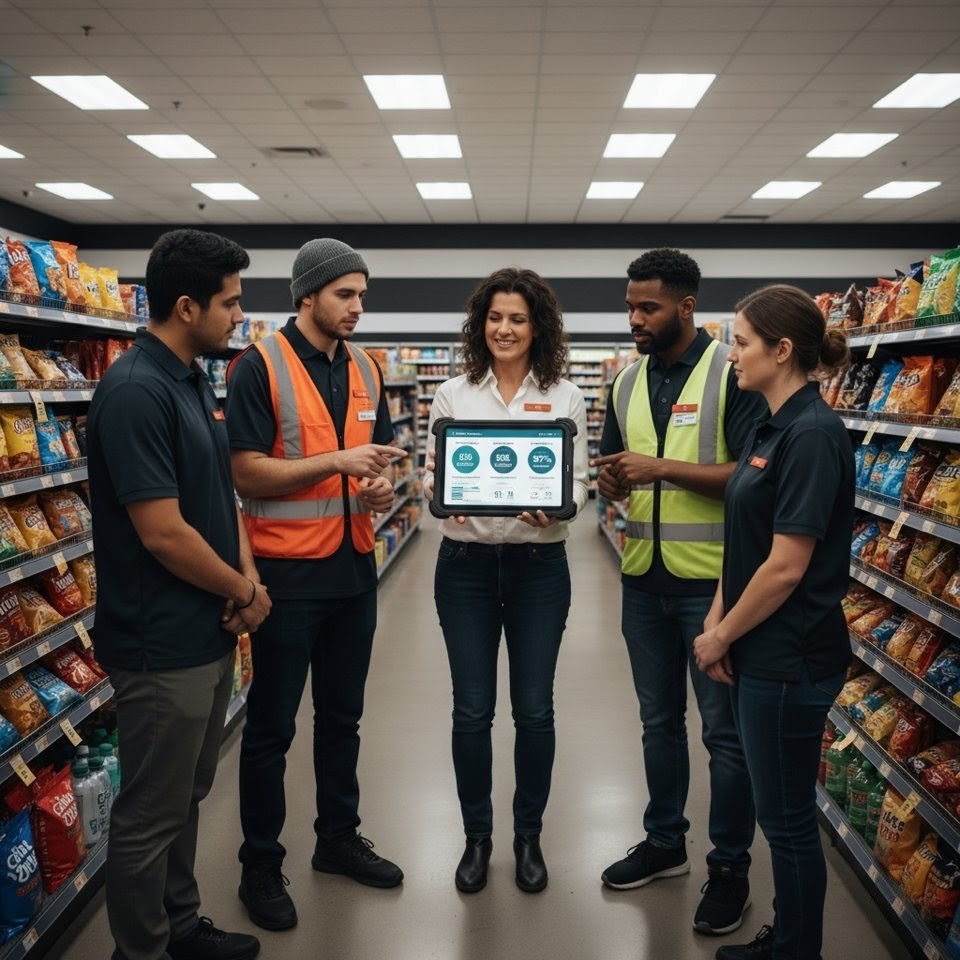
Empowering the Frontline
Training is incomplete without empowerment. Empowering staff means granting them the trust and authority to make minor operational decisions on the spot. When employees are allowed to resolve small issues, it drastically speeds up service. Quickly replacing a spilled beverage or offering a small discount for a faulty product, without needing to summon a manager, enhances the customer experience.
The impact of empowerment is visible both internally and externally. When a team feels valued and capable, their improved performance is evident to customers, which correlates directly with strong store performance metrics, as documented by the NACS. Finally, fostering a customer-centric mindset requires establishing active feedback loops. Actively seeking customer feedback through in-app surveys, simple receipts surveys, or comment boxes provides valuable insights into what needs improvement. This process reinforces the store’s commitment to continuous service enhancement.
The table below outlines key KPIs that C-store operators should track to ensure service excellence, aligning with QSR standards:
Key Performance Indicators (KPIs) for Service Excellence
| KPI | Target Benchmark (QSR Standard) | Operational Benefit |
| Speed of Service (SoS) | Counter: Under 90 seconds (excluding fuel). Drive-Thru: 6 minutes or less. | Increases customer retention; leads to significant annual financial gain per 5-second improvement. |
| Order Accuracy Rate | 95% or higher. | Reduces waste and customer frustration; linked directly to friendly staff interactions and thorough training. |
| Empowerment Rate | 90% of minor issues (e.g., faulty product, beverage spill) resolved without manager intervention. | Speeds up service; boosts employee morale and confidence, contributing to overall store performance. |
The Bottom Line: The Speed of Trust
The ultimate foundation for C-store success is a team that delivers consistent, friendly service at high speed. The independent operator adopts formalized training frameworks. They emphasize empowerment. They also track core KPIs. This instills the QSR discipline into their team. This changes the store from a place where customers have to stop. Now, it is one where they genuinely want to stop.
Building great relationships with individual customers is only half of the battle. In our next post, the focus expands to the entire neighborhood. We will explore how to leverage the C-store’s innate local presence to build unshakeable community loyalty and dominate local search rankings, a crucial strategy that QSR chains struggle to authentically replicate.





 The5For
Leave a comment