This is for the independent convenience store owner/operator who feels like they are constantly losing the marketing battle against the big chains. You see the massive ad campaigns, the ubiquitous billboards, and the endless promotions from the national brands, and you think, “How can my single store, or my small regional group, possibly compete with that budget?”
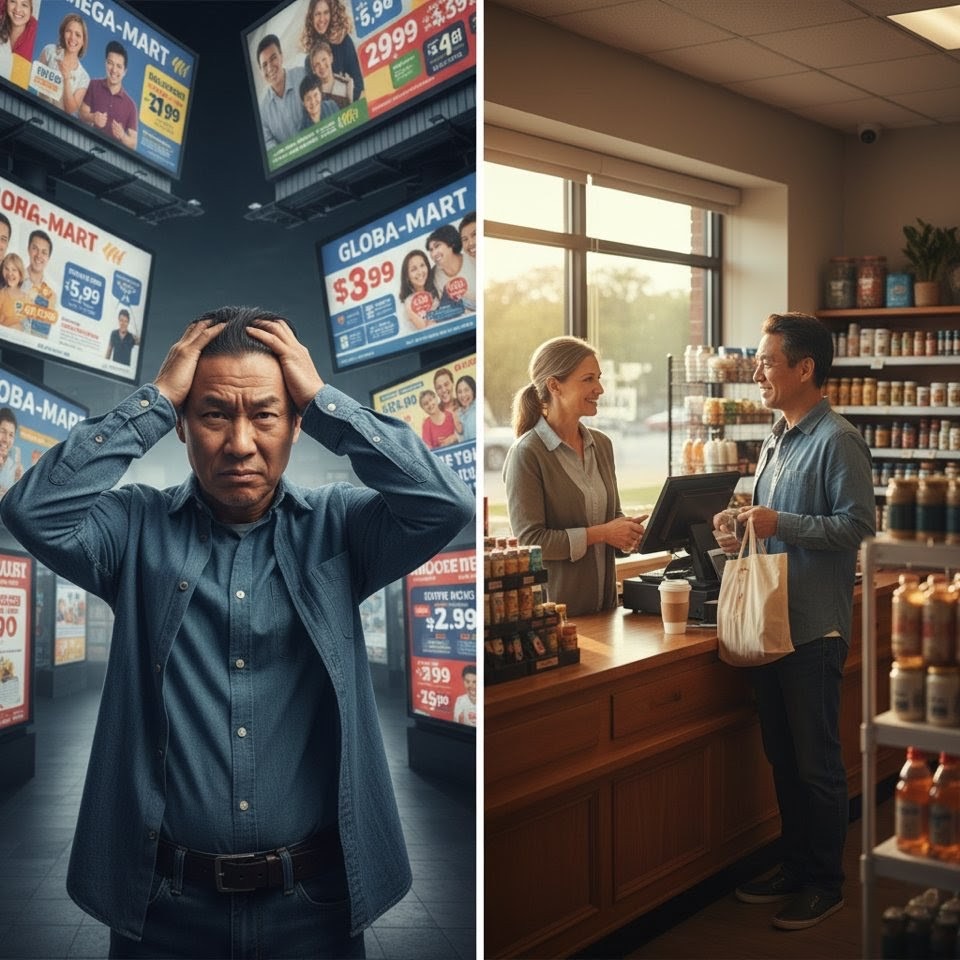
The answer is simple: you don’t. Competing on the terms set by the national chains is costly. P&G veterans call it the “Wear Out” strategy. It’s a path to burnout and limited returns. The “Wear Out” playbook uses a massive advertising spend. It employs high-frequency exposure aimed to blitz the customer into remembering a product or promotion. It’s a strategy built for mass markets and deep pockets. For the independent operator, it is financially unsustainable and ultimately inefficient.
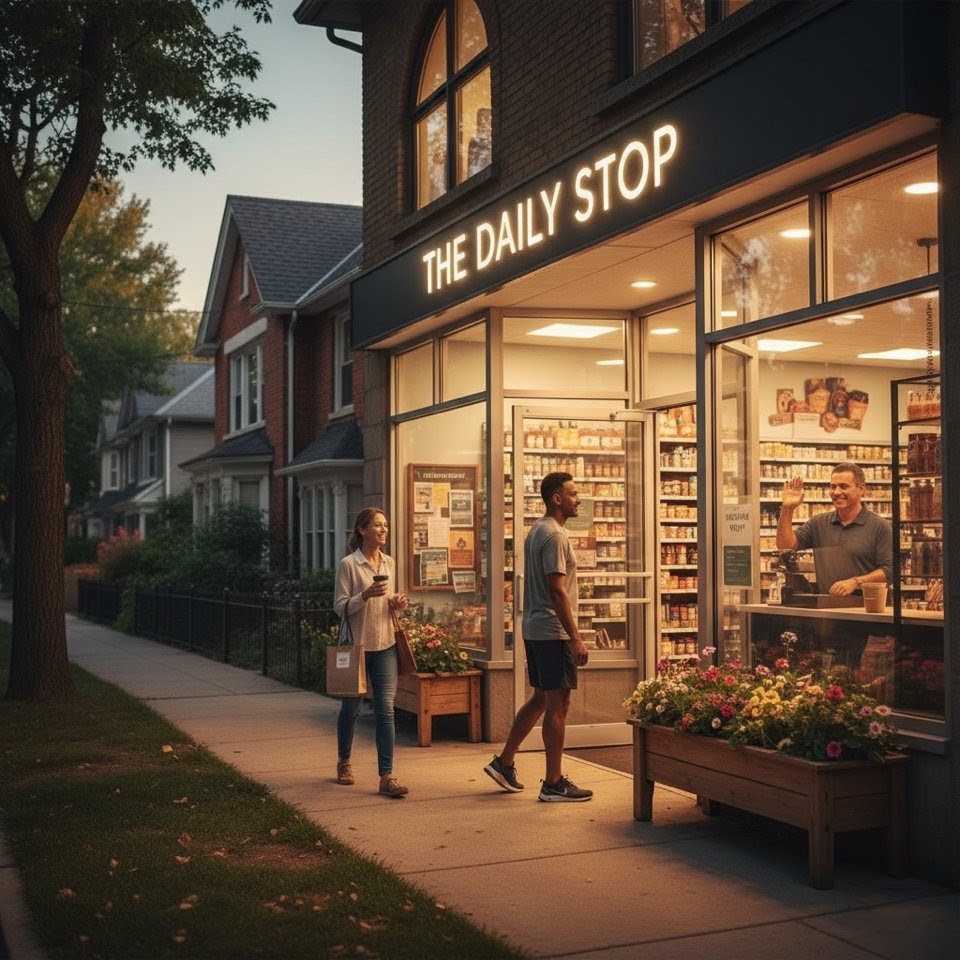
The modern retail environment, exacerbated by inflation, is actually working in your favor, provided you shift your thinking. Consumers today are managing household cash flow through “more, smaller trips” rather than large, weekly stock-up excursions. This trend confirms the C-store’s indispensable role: you are the anti-grocery model, the default choice for immediate, low-friction needs. Your strategic goal is not to win the stock-up battle but to become the non-negotiable choice for the daily need.
This is where the transformative philosophy of “Wear In” comes into play. The “Wear In” imperative focuses on brand building. It avoids expensive, fleeting exposure. Instead, it relies on consistent, positive, and habit-forming experiences. It is a focus on high-efficiency customer retention, not expensive customer acquisition. For independent stores facing resource constraints, where inventory shrink averages 1.85% of annual sales and competition is intense, every marketing dollar must be allocated to initiatives that deepen the customer’s routine. Over the next seven posts, we will translate the “Wear In” philosophy into five core, actionable lessons. This blueprint is designed specifically to increase your brand’s awareness. It aims to boost foot traffic, enlarge basket size, and, most importantly, enhance your profitability.
The Strategic Shift: From Acquisition to Habit
The core distinction between the two marketing philosophies centers on cost and frequency. “Wear Out” demands a massive initial advertising spend and targets single sales events. “Wear In” prioritizes consistency, deepens loyalty, and focuses intensely on measurable repeat visits and the formation of daily habits.
For you, the independent operator, this strategic shift means re-evaluating what defines success. You need to focus on metrics that reflect routine and efficiency, such as:
- Retail Net Profit / Average Inventory Value (Investment): Measuring the financial return generated by your on-shelf assets.
- Units on Hand / Units Sold Per Day: This metric is crucial for minimizing food waste. It helps prevent inventory loss, especially as you move into high-margin foodservice.
- Basket Size: The average U.S. convenience store basket is $7.34, and focused upselling can increase this by 15%. This is a powerful, accessible profit opportunity.
Success in this environment demands a shift from broad, manual marketing efforts, which are often unreliable, toward strategic investments in high-leverage technology. This could mean sophisticated Point of Sale (POS) systems or third-party loyalty platforms that provide AI-driven personalization and scalability. This is how you bridge the resource gap and cultivate the long-term frequency that drives profitable growth.
The Five Pillars of the “Wear In” Blueprint
The path to “Wearing In” your brand with your community is structured around five lessons, each designed to build upon the last:
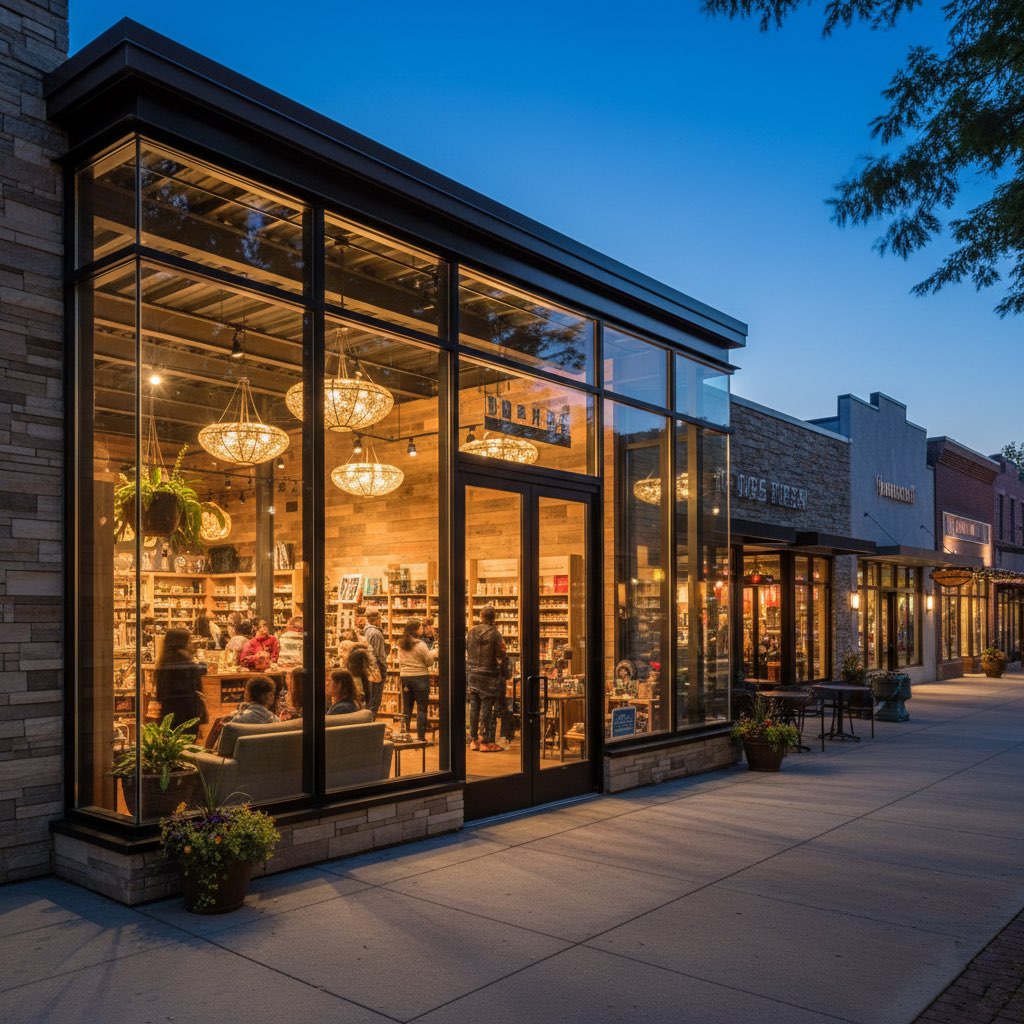
- Lesson 1: Be the Local Node. Build brand relevance and community trust by leveraging your unique local presence.
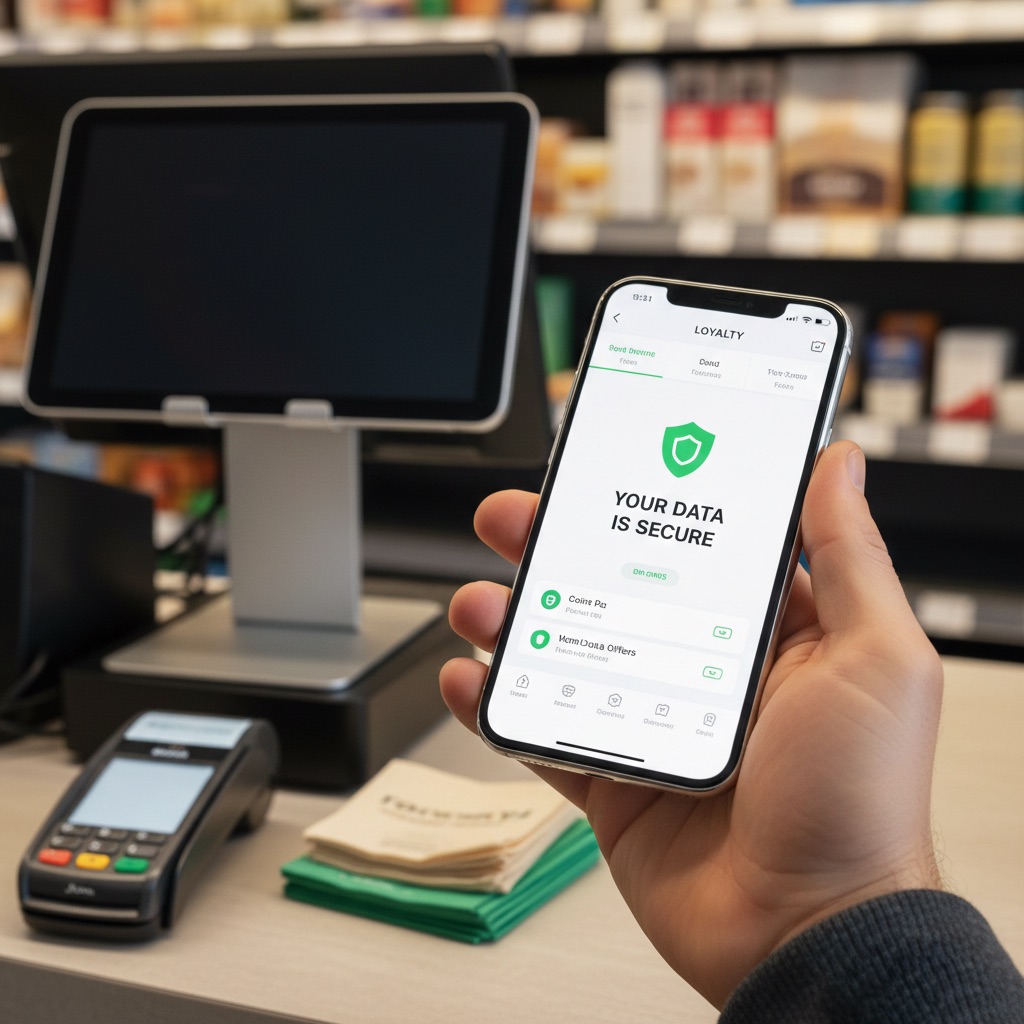
- Lesson 2: Engineer Habit. Drive routine visits using technology and personalized incentives that make your store the default choice.
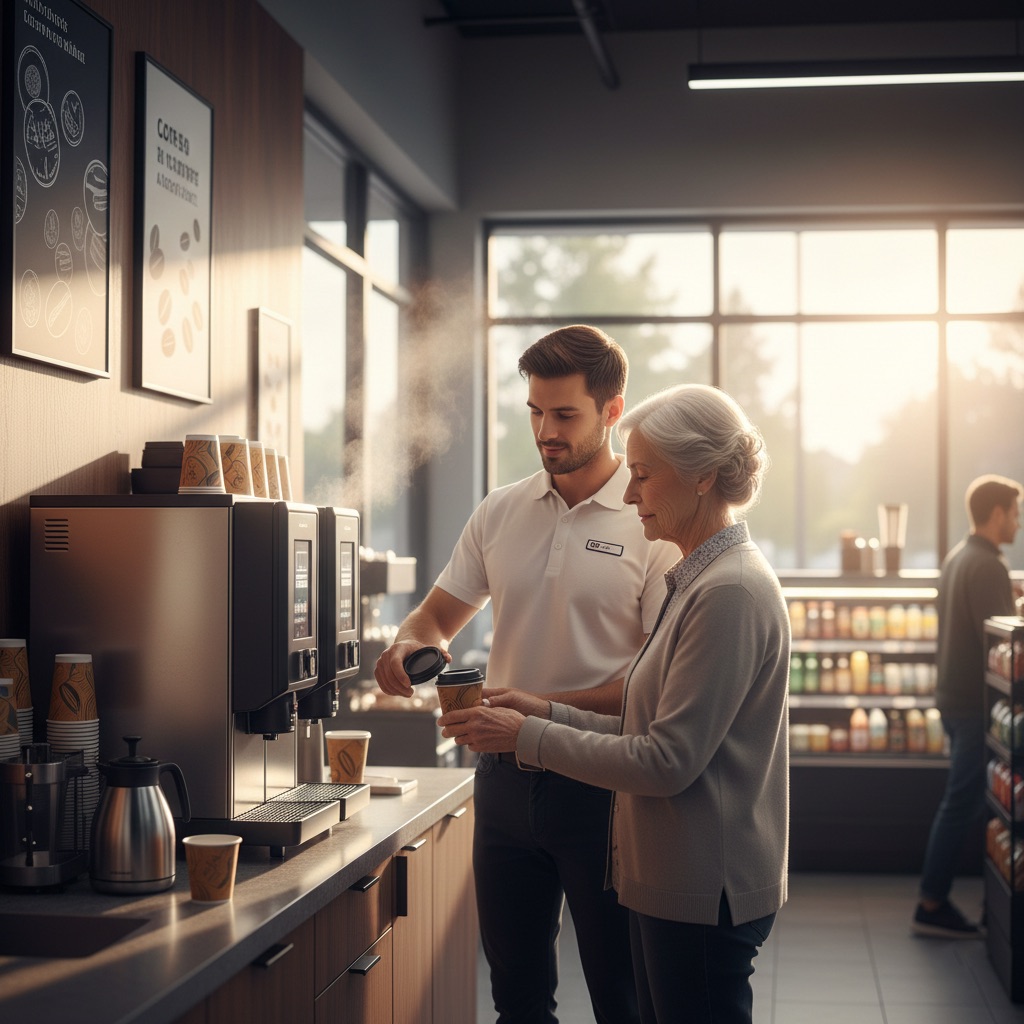
- Lesson 3: Engineer the Impulse Moment. Maximize transaction value by optimizing your store layout and staff interactions for upselling.
- Lesson 4: Own the Destination. Shift your store’s identity toward high-margin profit categories, particularly prepared foods, and beverages.
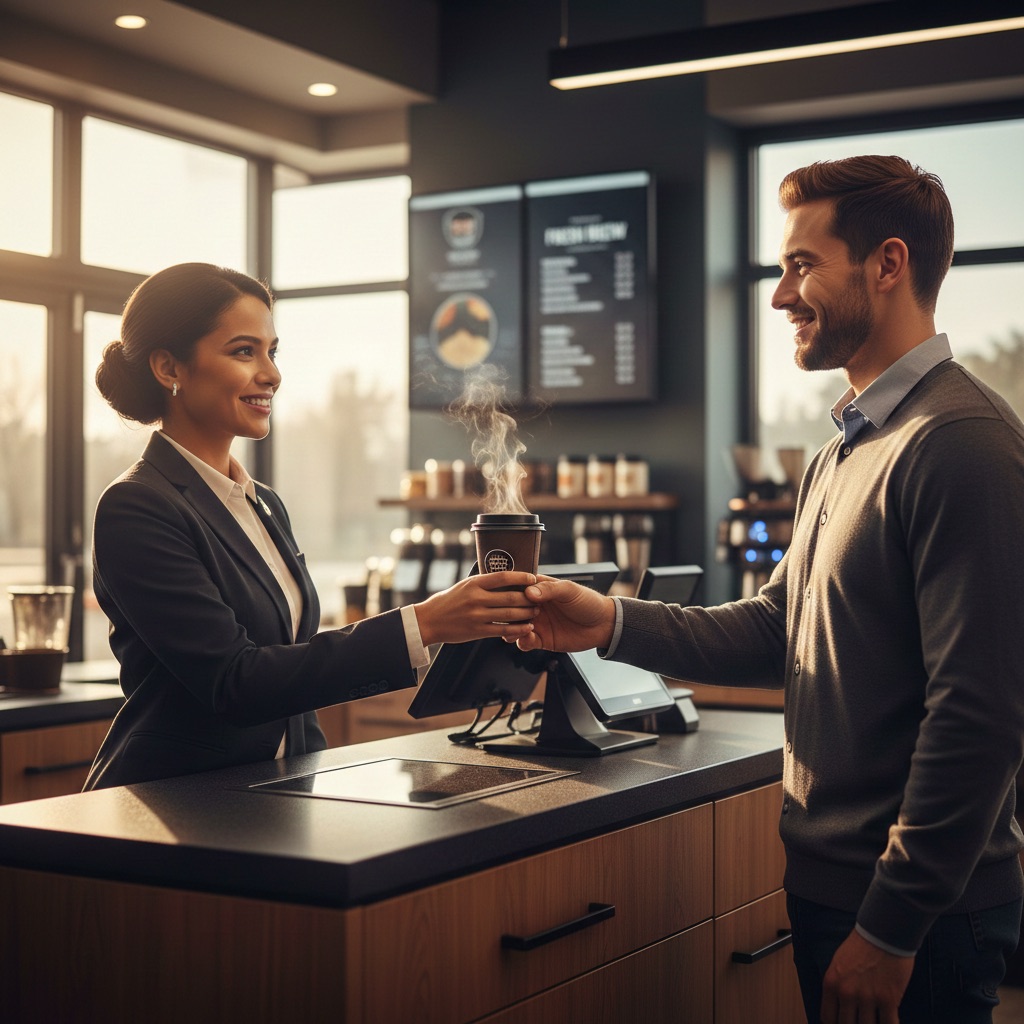
- Lesson 5: The Consistency Playbook. Ensure a reliable, trustworthy customer experience that sustains the habit long-term.
What You Should Be Doing
Your first step in adopting the “Wear In” mindset is establishing a baseline:
- Determine Your Current Foot Traffic Baseline: Use your POS or fuel pump data to understand your current peak times, total daily visits, and average units per trip. This reveals the existing habits you need to build upon.
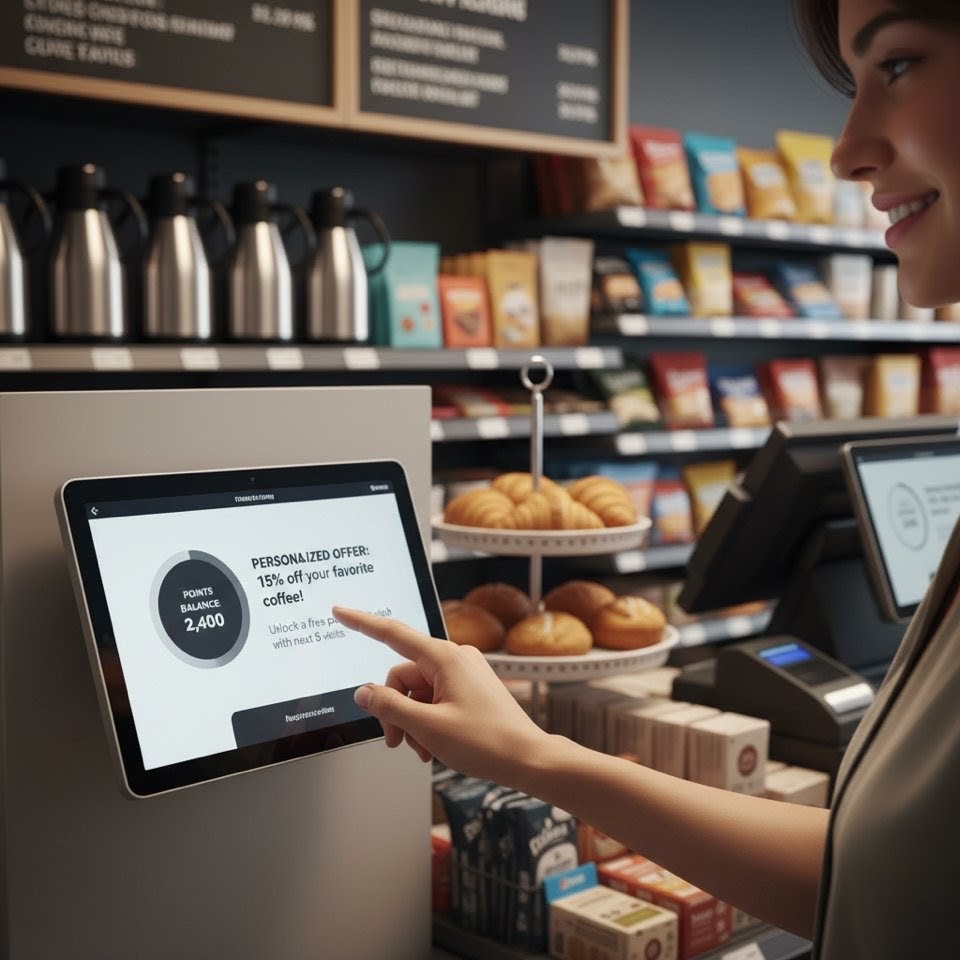
- Identify Your Current Technology Gaps: Assess whether your current POS system can integrate a sophisticated, data-driven loyalty program. If not, begin researching cost-effective, third-party loyalty solutions. You cannot personalize and measure frequency without the data infrastructure.
- Prioritize Retention in Your Budget: Shift your marketing focus immediately from broad, one-time promotions to efforts that target existing or recent customers. Remember, retaining one loyal customer is far cheaper and more profitable than acquiring a new one.
The Bottom Line: Becoming the Daily Default
The “Wear In” imperative is not a quick fix. It is a long-term operational philosophy. This philosophy treats marketing as an extension of customer service and efficiency. It is the necessary shift from competing on price, a battle you can rarely win against the giants, to competing on convenience, trust, and habit. Your independent store has an authentic connection to the community that big chains envy. Your challenge is to formalize that connection, make it measurable, and make it routine.
We’ve set the stage for this new philosophy. In our next post, we will dive into Lesson 1. This lesson explains how to transform your store from a simple point of transaction into an indispensable local node. This change builds brand awareness and community trust. It drives that critical first step in habitual foot traffic.

 The5For
Leave a comment