Last time, we established the “Wear In” imperative. It is necessary for independent C-store operators to pivot from unsustainable, “Wear Out” acquisition campaigns. They should move to an efficient, habit-building strategy. Now, we get tactical. The first step in “Wearing In” your brand is to leverage your genuine connection to the community. This is the one competitive advantage large chains can never truly replicate.
Your convenience store is more than just a place to buy gas and snacks. It functions as a “proximity retailer.” Critically, it also serves as a socio-cultural node. For many in your neighborhood, particularly in urban and underserved areas, your store is an essential access point for necessities. It is also an accessible intervention point and a recognizable fixture. This recognition, this “human truth,” is the foundation of Lesson 1: Be the Local Node. By strategically deepening your roots in the neighborhood, you transcend a purely transactional role and build the brand awareness and trust required to drive habitual foot traffic.
Digital Visibility: The 78% Rule
Before you can be a physical local node, you must first be a digital local node. Forget fancy national ad campaigns; your low-cost, high-leverage marketing priority is local SEO. Why? Because seventy-eight percent of location-based mobile searches result in an offline purchase.
Think about the modern customer: they are driving by and quickly search for “coffee near me” or “open late snacks.” If your store does not show up with accurate information, all your other marketing efforts are compromised. This is a low-effort, high-impact area where you can immediately boost first-time foot traffic.
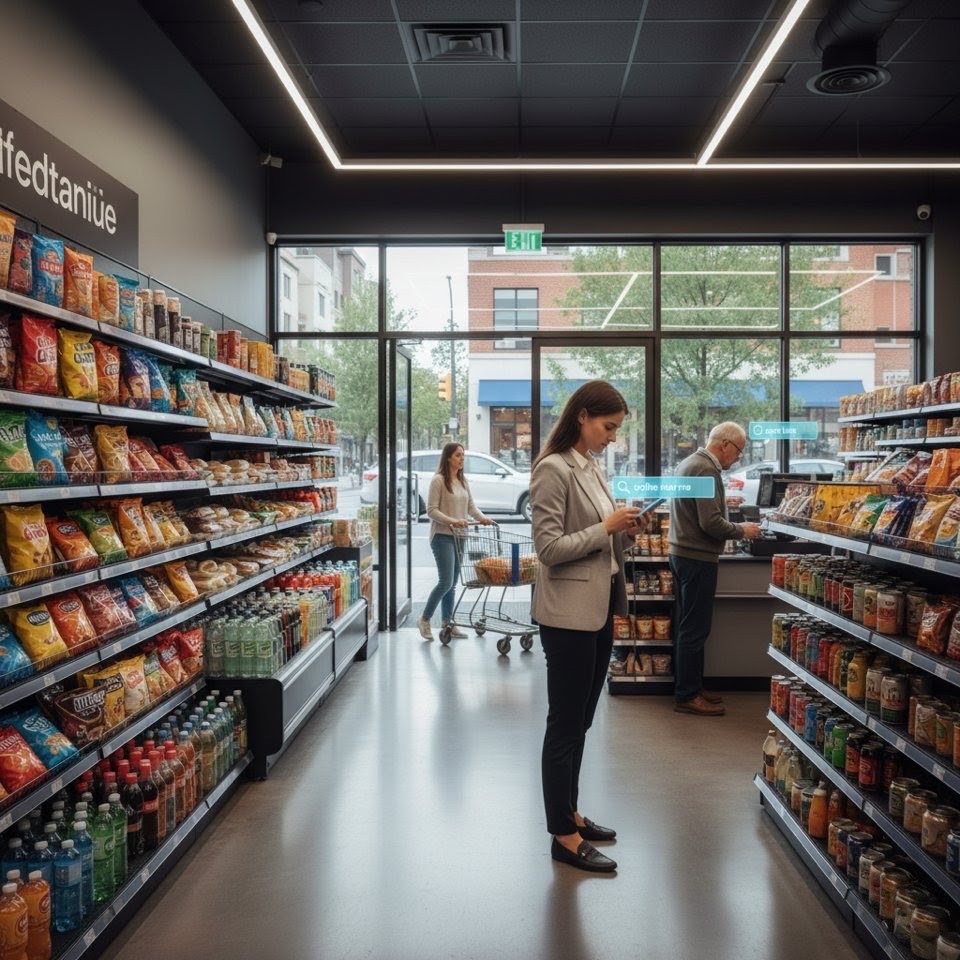
Optimizing Your Digital Footprint:
- Claim and Master Your Local Listings: Rigorously optimize your Google Business Profile, Yelp, and Apple Maps listings. Ensure your store hours, address, phone number, and current photos are always accurate. These listings are free and act as your digital storefront.
- Encourage and Respond to Reviews: Positive reviews provide social proof, which is the emotional buy-in needed for retention. Actively engage with all reviews, positive and negative, to show you are listening and care about the community experience.
The Power of Proximity Marketing
Once digital visibility draws in the first-time visitor, community involvement is the mechanism that converts them into a loyal, repeat customer. This is relationship marketing, not charity.
Independent C-stores are already leaders in this area. According to industry surveys, nearly every convenience retail company (95%) supports charitable causes, and more than three in four (76%) contribute to youth sports groups. You are already doing the work; the key is framing it as a brand-building asset.
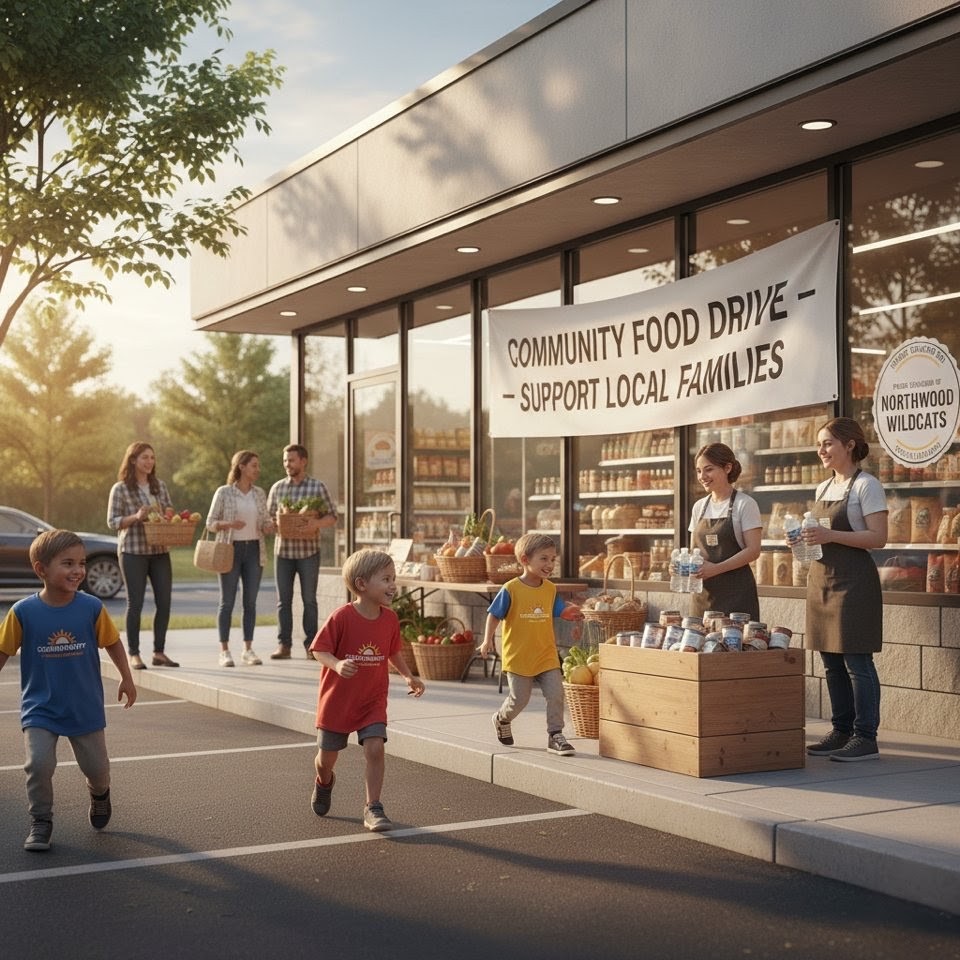
Strategic Community Actions That Build Trust:
- Sponsor Local Youth Sports or Charities: This is classic, effective relationship marketing. When you sponsor the local Little League team, every parent sees your logo every Saturday. The store instantly transcends the price-of-gas conversation and is associated with community support and positive values.
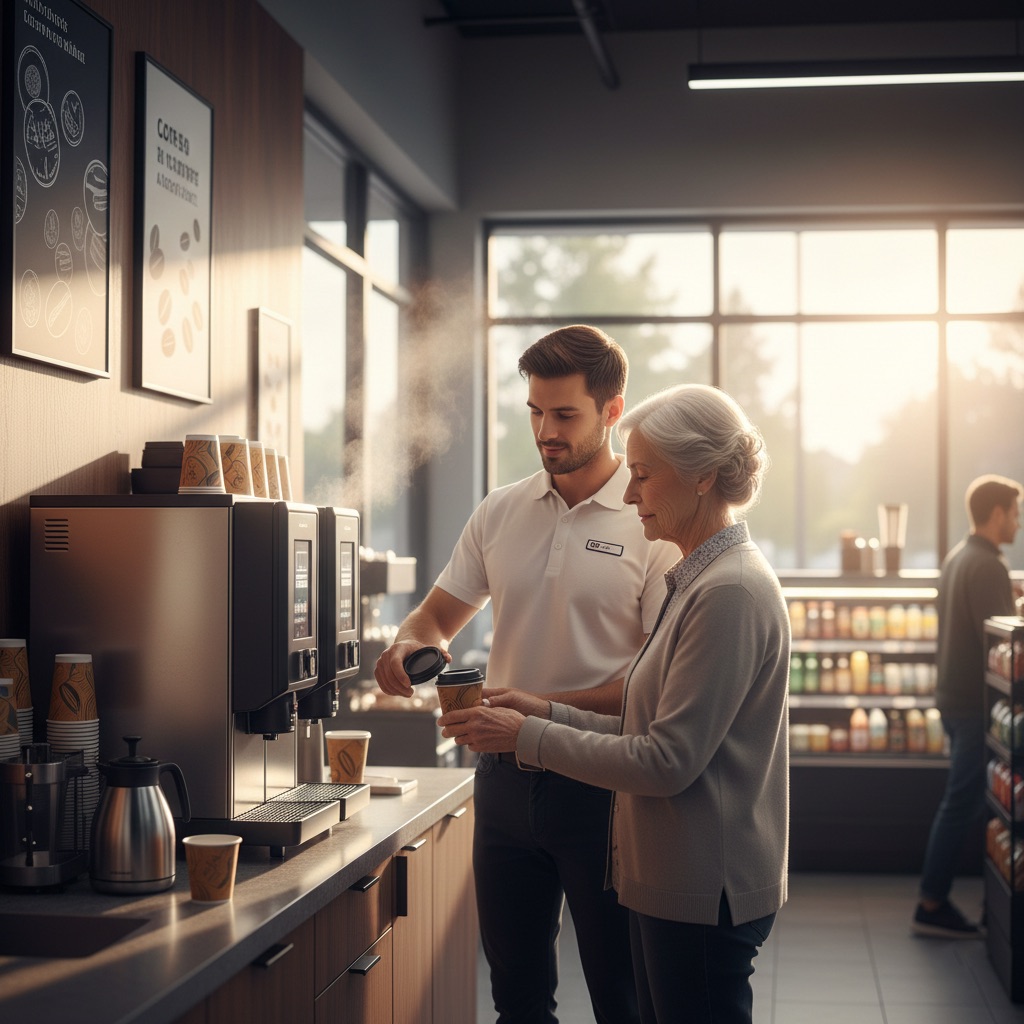
- Host Community Events or Food Drives: Use your store as a tangible community hub. Hosting a food drive or collecting donations for a local shelter positions your store as an accessible intervention point and a responsible local partner.
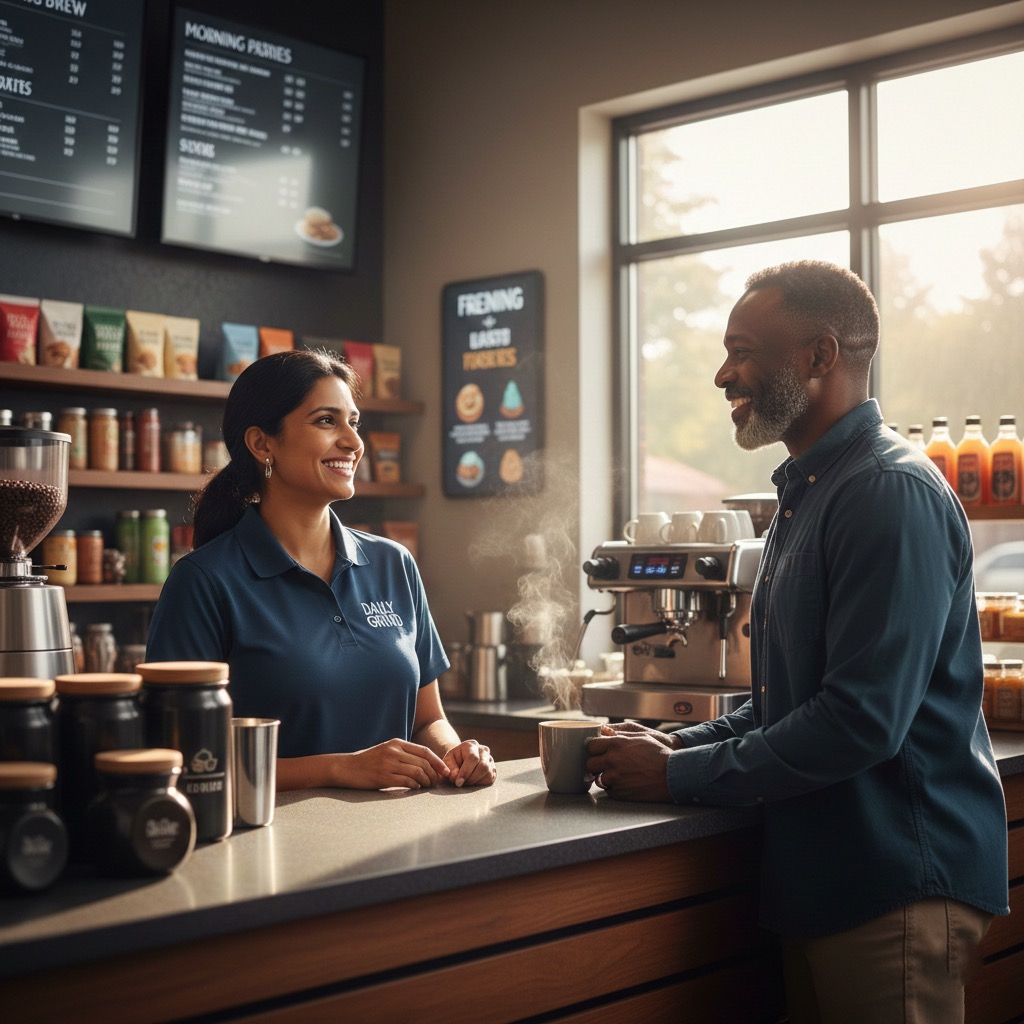
- Showcase Local Products: Feature locally made sandwiches, coffee, or crafts. This reinforces your identity as the community’s preferred retailer and supports other small businesses.
The causal relationship here is clear. Strong local digital visibility leads to increased first-time foot traffic. Community involvement provides the necessary social proof. It also offers the emotional buy-in required for customer retention and habitual repeat visits. This is the very definition of “Wear In.”
What You Should Be Doing
Here is your action plan for establishing your store as the indispensable Local Node:
- Perform a Digital Visibility Audit: Check your store’s presence on Google, Yelp, and Apple Maps. If any information is missing or incorrect, fix it immediately.
- Create a Plan for Review Management: Dedicate 15 minutes each day to checking and responding to new customer reviews. A sincere response to a negative review can build more trust than ten positive ones.
- Define Your Community Budget: Allocate a small, consistent budget toward a local sponsorship. Focus on visibility, a banner at the local park or a weekly mention in a neighborhood newsletter, rather than a single large donation.
- Establish a “Localized Content” System: Identify designated spaces in your store (e.g., a community bulletin board or a digital screen near the checkout) for local messaging, like announcing a sponsored team’s success or promoting a local charity initiative.
The Bottom line: The Unseen ROI of Trust
Lesson 1 is about laying the foundational emotional layer for your brand. While it doesn’t immediately drive a 10% sales lift, it creates the essential condition for long-term loyalty: trust. When a customer trusts your brand, they are less likely to brand-switch over a two-cent price difference on gas or milk. They choose you out of habit, convenience, and community affinity.
By becoming the Local Node, you’ve successfully driven the initial foot traffic. But how do you formalize that traffic and turn those first-time visits into a measurable, guaranteed routine? That is the focus of our next post, where we will dive into Lesson 2: Engineer Habit, Mastering Data-Driven Loyalty Programs for Frequency and ROI.


 The5For
Leave a comment