In our last post, we focused on Lesson 1: becoming the indispensable Local Node by mastering local digital visibility and community trust. That strategy gets the customer through the door for the first time or two. Now, how do we formalize that initial visit and turn it into a high-frequency, measurable habit?
The answer lies in Lesson 2: Engineer Habit. For the independent operator, a loyalty program is not merely a perk. It is the highly efficient mechanism that formalizes the customer routine. It makes the entire “Wear In” principle measurable. Data confirms the influence of these programs. Twenty percent of customers say that enrolling in a loyalty program is the main reason they visit a convenience store. This isn’t a matter of if you should have a program, but how you implement a modern, data-driven one to maximize your return on investment (ROI).
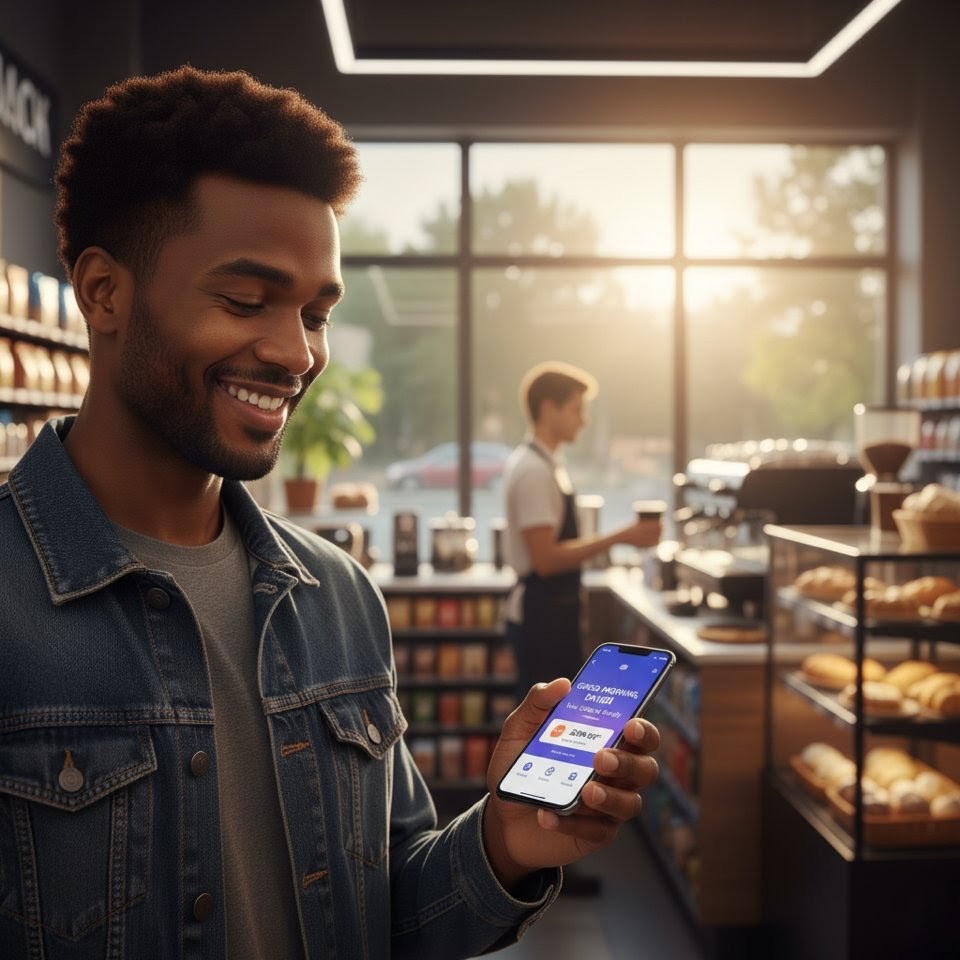
Loyalty is Retention, Retention is Profit
As an independent operator, your greatest financial constraint is always budget. You cannot afford a marketing strategy with a low conversion rate. Loyalty programs solve this directly:
- Retention is 5–7x More Cost-Effective: Industry data consistently shows that keeping an existing loyal customer is significantly cheaper. It is more cost-effective than attempting to acquire a new one. By focusing your resources on repeat visitors, you maximize profitability and drive a higher net profit by controlling acquisition costs.
- Loyalty Outperforms Broad Advertising: Loyalty campaigns consistently outperform broad, one-size-fits-all advertising. They focus resources directly on the most profitable segment: repeat visitors. The ROI is clear, with retailers often reporting more frequent visits and higher average transactions.
- Increases Measured Visit Frequency/Habit: Loyalty programs create habit-forming behaviors. Shoppers prioritize your store when they earn or redeem rewards. This directly increases their measured frequency. It also solidifies the store as their default choice.
The Mobile Imperative (Bridging the Tech Gap)
The success of a modern loyalty program depends on technology. It addresses the technology gap many independent stores face when competing with chains. If your loyalty strategy stops at a punch card, you are missing out. The engine of “Wear In” is data and personalization.
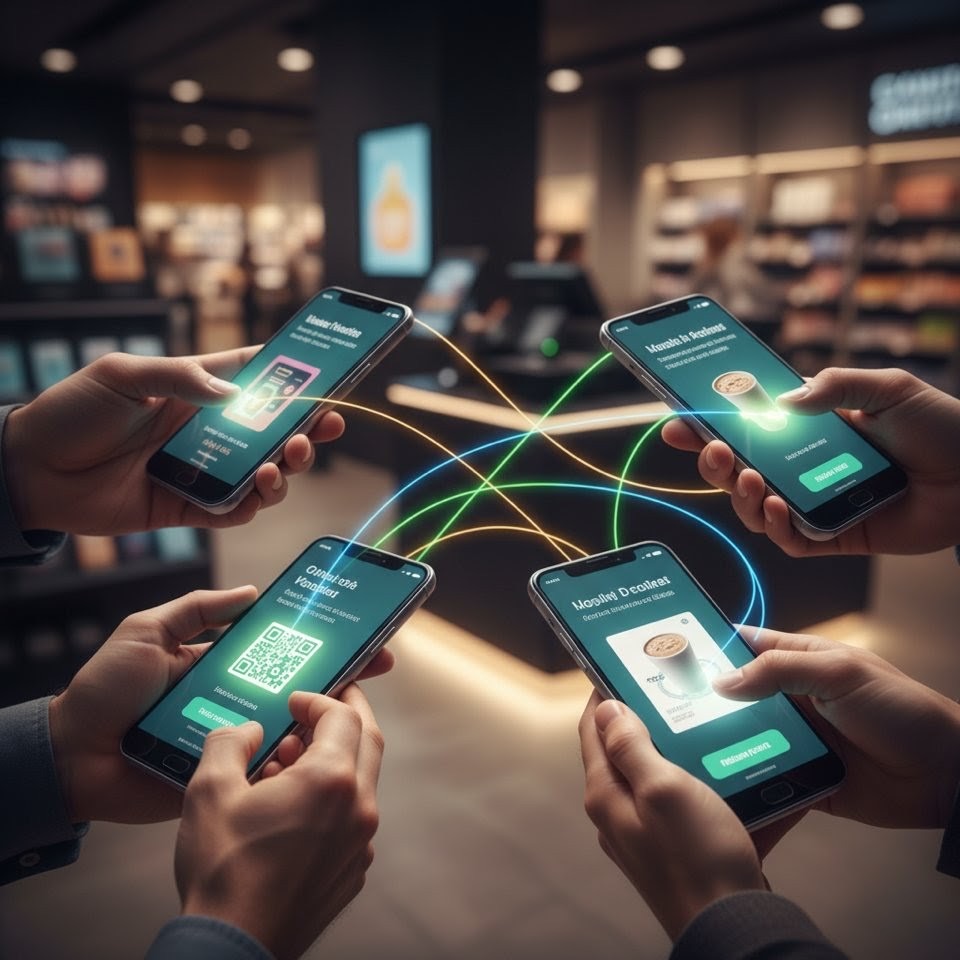
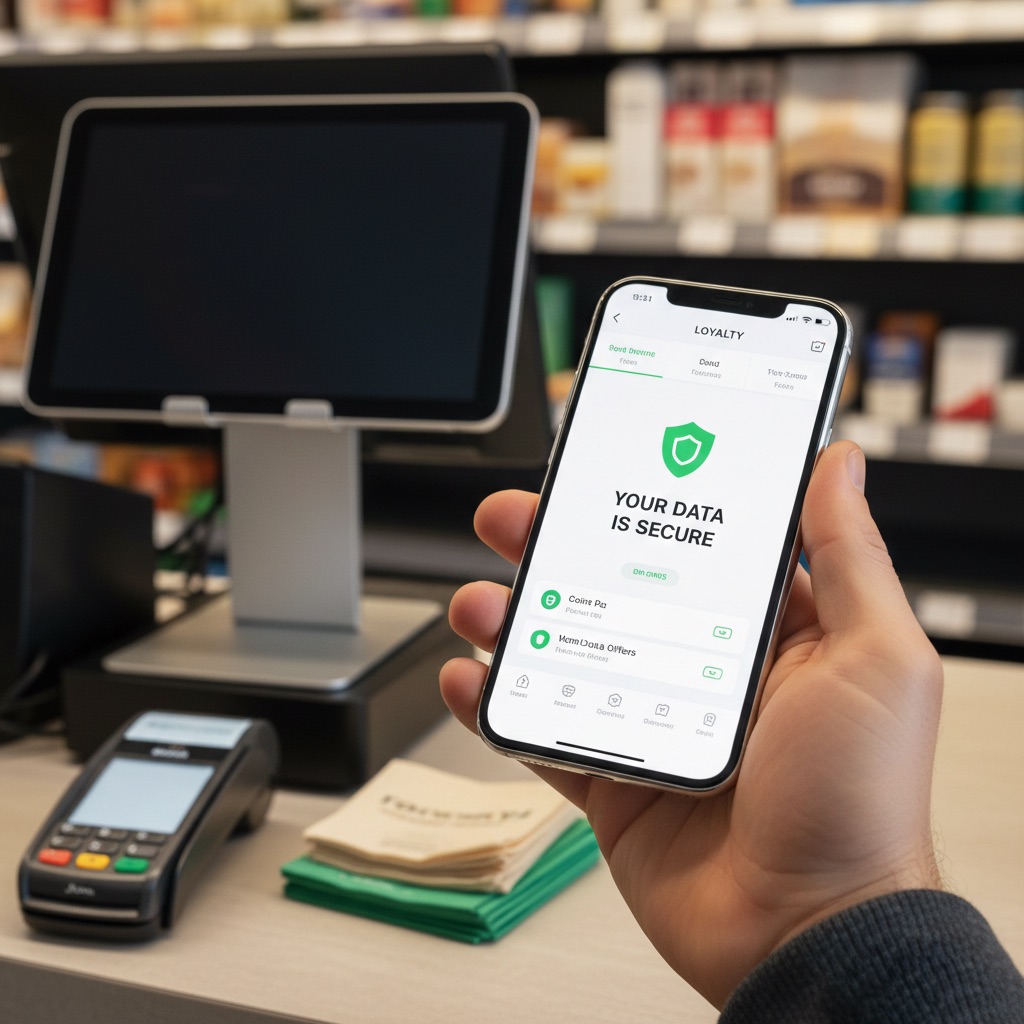
- Mobile App Dominance: Mobile is non-negotiable. Three in five loyalty program members engage through mobile apps. This platform allows for sophisticated, AI-driven personalization, generating highly relevant offers based on an individual’s purchase history and behavior.
- Driving Frequency with Urgency and Geo-Targeting: Digital platforms enable you to create time-sensitive offers. These personalized offers foster a sense of urgency. They effectively drive immediate traffic. You can notify a customer with a personalized coffee discount only minutes before they usually arrive, cementing your store in their daily routine.
- Supporting Modern Expectations: Aligning your program with emerging tech trends is essential. Today’s customers not only expect mobile coupons and discounts (with 72% satisfaction) but also value the convenience of mobile payments (appreciated by 81% of customers).
Margin Protection: Loyalty as an Operational Tool
A critical, often overlooked function of a loyalty program is its role in operational efficiency and margin protection.
- Refining Merchandising and Stock Levels: Granular purchase history collected via the loyalty app allows you to analyze precisely what customers are buying, when, and in what quantities. This data allows you to refine merchandising and stocking levels, directly mitigating costly inventory shrinkage (which averages 1.85% of sales) and food waste.
- Optimizing the Waste-to-Revenue Ratio: The loyalty data feeds directly into metrics like “Units on Hand to Units Sold Per Day” and “Food Wasted Inventory Cost to Food Service Revenue”. A loyalty program thus changes from a marketing expenditure into a critical operational efficiency tool. It supports the highly personalized service that successful regional chains are known for.
What You Should Be Doing
To move from a punch card system to a data-driven loyalty engine, focus on these actionable steps:
- Evaluate Your Technology Stack: Assess your current Point of Sale (POS) system. Does it have the capacity to integrate seamlessly with a scalable, third-party loyalty platform? If not, make a strategic investment in a POS system that acts as an operational backbone.
- Prioritize Personalization Over Mass Offers: Use initial loyalty data to categorize customers (e.g., ‘Morning Coffee Regular,’ ‘Afternoon Snack Buyer’). Target offers based on their known habits rather than sending a generalized deal to everyone.
- Focus on Frequency Incentives: Structure rewards to encourage the next visit sooner. Examples include time-sensitive offers or ‘Buy X, Get the Yth Free’ promotions specifically for high-frequency categories like coffee and fountain drinks.
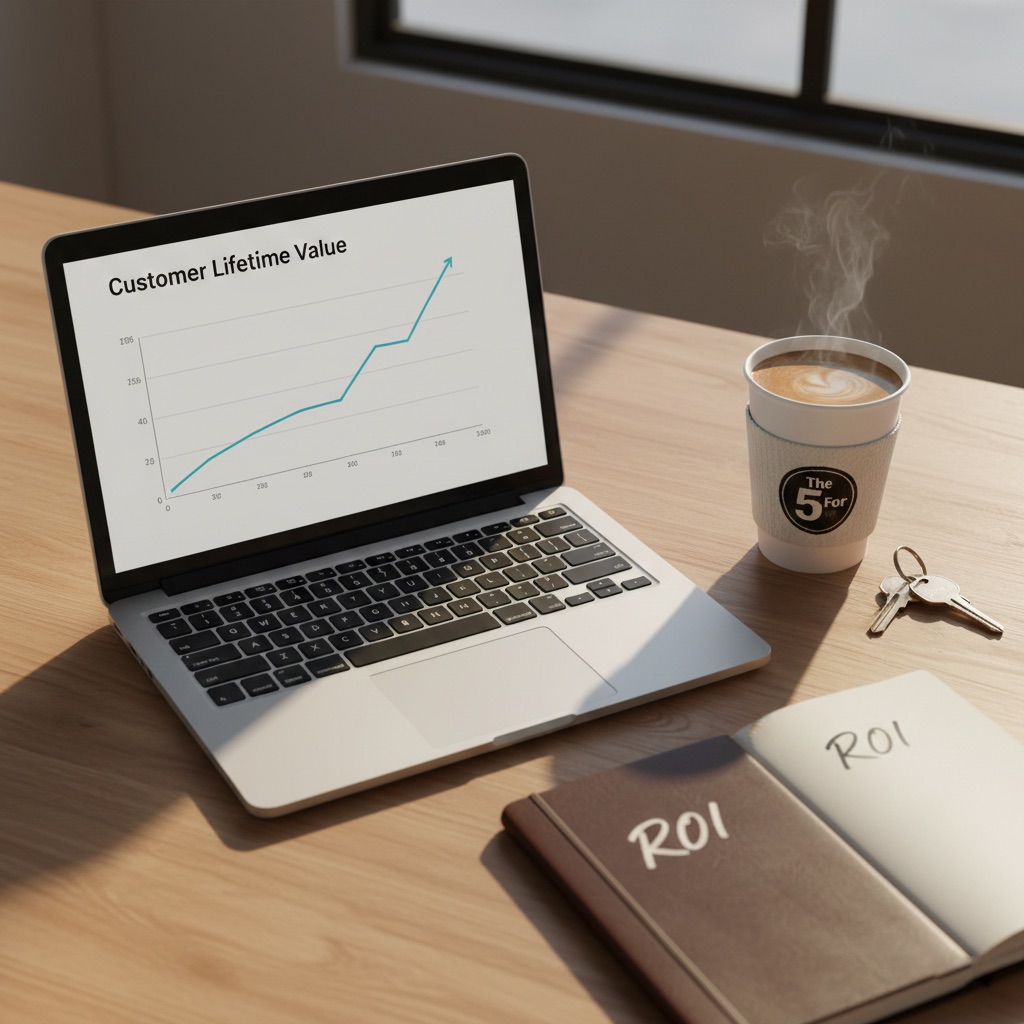
- Establish Key Loyalty Metrics: Track the percentage of customer visits influenced by your loyalty program (targeting 15% in Year 1) and monitor the uplift in average basket size among loyal members.
The Bottom Line: The Formalized Habit
Lesson 2 is about formalizing the good will you built in Lesson 1. By implementing a sophisticated, data-driven loyalty program, you are no longer relying on hope; you are actively engineering the customer’s habit. You are making your store the path of least resistance for their daily needs.
Now that you have the foot traffic coming in routinely, the next challenge is making sure you maximize the value of every single visit. The average U.S. basket size is $7.34, and that number is ready to be increased by 15%. In our next post, we will begin Lesson 3, focusing on The $7.34 Difference, Merchandising Tactics That Guarantee Impulse Purchases, by optimizing your physical store environment.

 The5For
Leave a comment