In the first part of Lesson 3, we optimized your store’s physical environment for the passive impulse purchase. Your displays are set, your ‘Hot Zones’ are strategically placed, and your store is doing the silent selling.
But here is a fundamental truth: the greatest single asset of your “Wear In” strategy is the human element. The most fragile point is also your front-line staff. Inconsistent or negative service can instantly destroy the emotional connection and habit you built through community engagement (Lesson 1) and your loyalty program (Lesson 2). Your staff are not just cashiers; they are the tangible, positive embodiment of your brand and your primary relationship marketers.
Lesson 3, Part B, focuses on training your staff to capture the remaining 15% upsell potential while reinforcing the brand trust that sustains the habitual visit.

The Cost of Inconsistent Service
Regional chains like QuikTrip and Wawa have built their reputations not just on fresh food, but on consistent customer service and store cleanliness. For the independent operator, that same consistency is the foundation of Lesson 5, but it starts here.
- Trust is the Habit Anchor: If a customer has one great experience and one terrible experience, they cannot rely on your store. They stop forming the habit. Consistency in service ensures that the positive expectation is always met, reinforcing the daily choice.
- Body Language Undermines Words: Staff training must focus heavily on non-verbal cues. If an employee is verbally polite but has their arms crossed or looks bored or uninterested, it conveys a negative message that makes customers feel uneasy and less likely to return. Employees must maintain a kind, patient, and pleasant tone, even if the customer is frustrated.

Upselling and Cross-Selling: The 15% Uplift
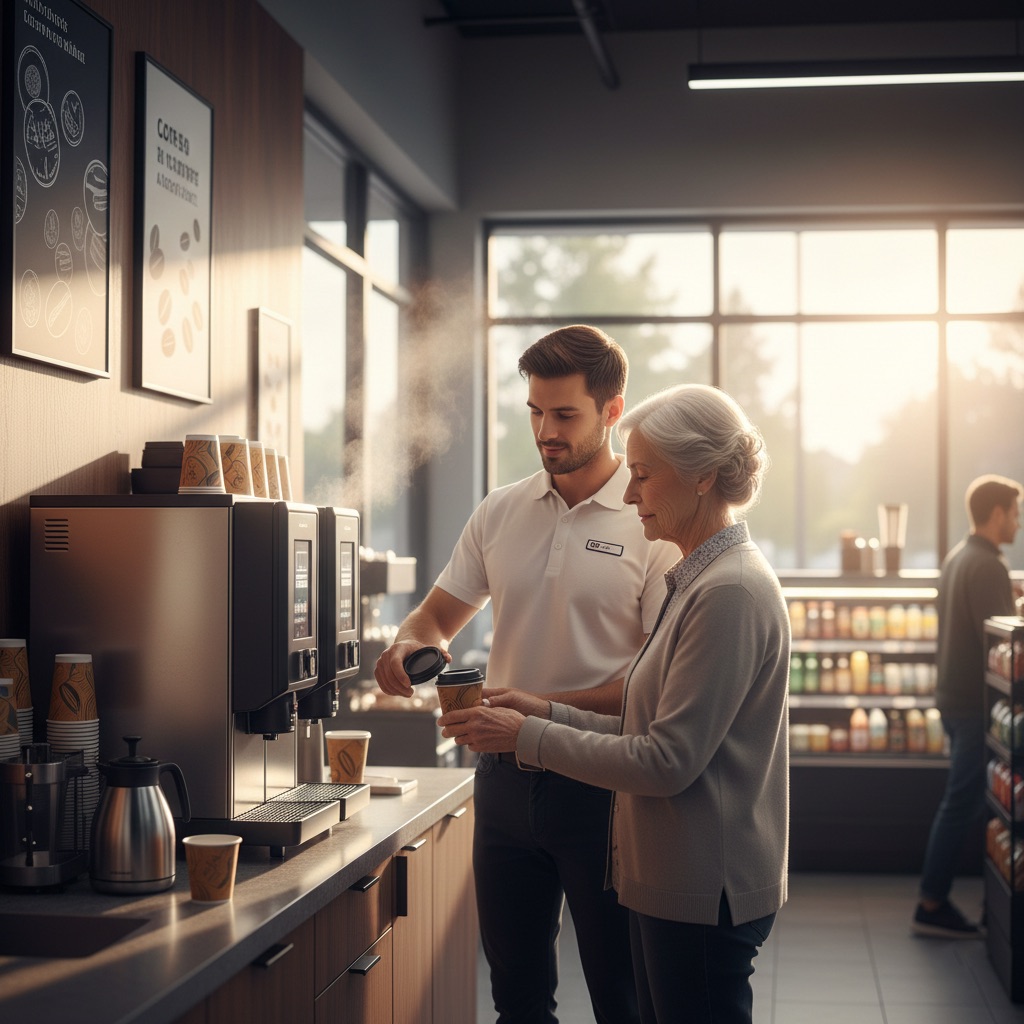
Effective staff training moves the interaction from a simple transaction to a value-add moment. The goal is not to be pushy, but to provide tailored solutions that improve the customer’s satisfaction.
- Upselling: Encouraging the customer to purchase a higher-priced version of the product they already selected (e.g., “Would you like to upgrade that medium coffee to our large size for just 50 cents more?”).
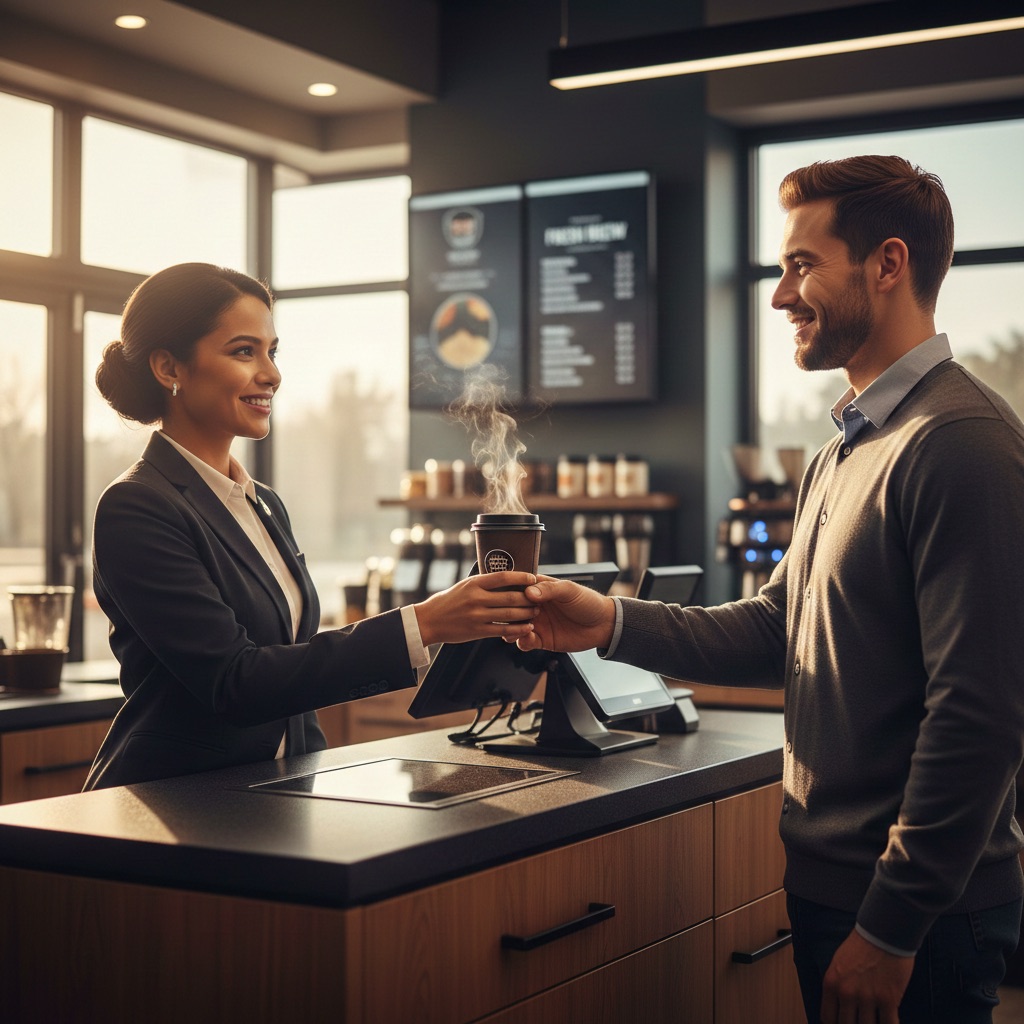
- Cross-Selling: Promoting complementary items that enhance the original purchase (e.g., “That hot coffee goes perfectly with our fresh-baked pastry special today”).
When executed correctly, these techniques transform the cashier into a helpful guide. They turn a one-time buyer into a loyal customer by providing tailored solutions.
Training That Works: Keep It Simple and Actionable
In the high-turnover environment of convenience retail, training must be simple, practical, and immediately actionable. Overwhelming staff with too much detail will lead to inconsistent execution.
- Keep Instructions Simple: Focus on practical, concise instructions for two or three key items. For example, when a customer buys a sandwich (Lesson 4), the instruction is simple: “Offer the combo meal for $1.50 more.”
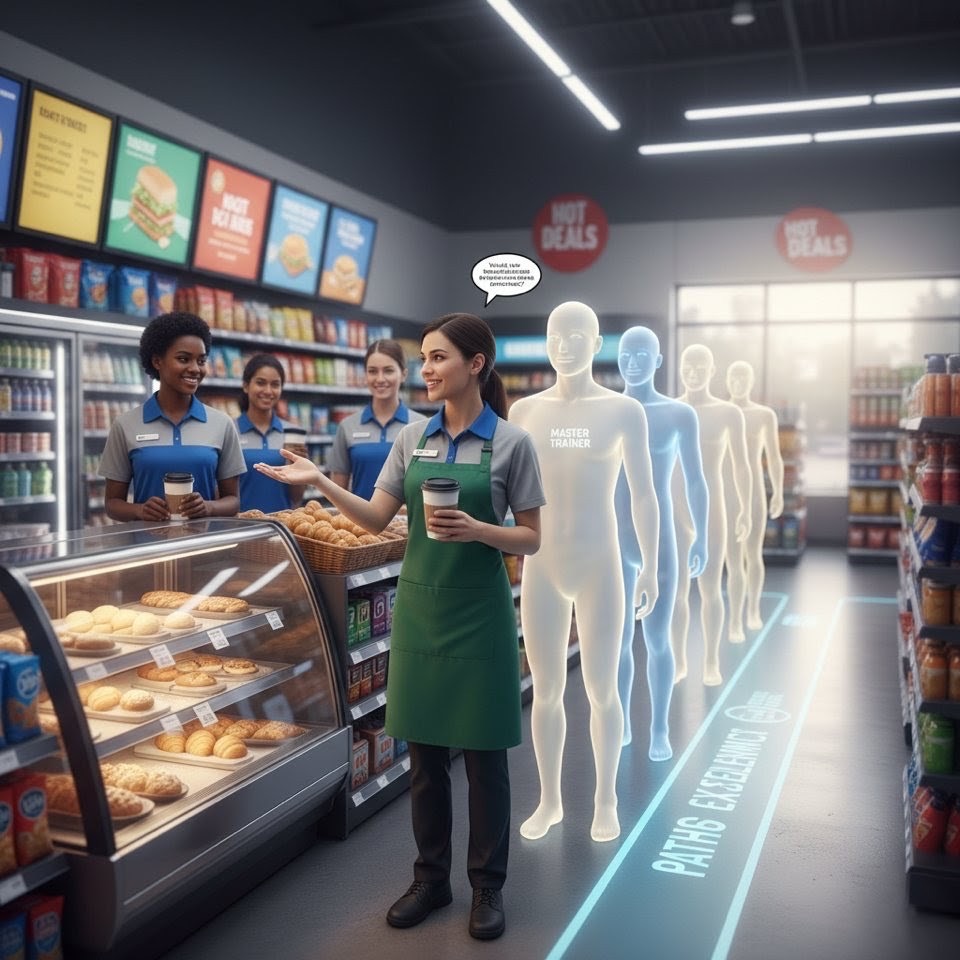
- Leverage Shadowing and Practice Runs: The best way for new staff to learn effective upselling and professional demeanor is through job shadowing experienced employees who have a proven success track record. Conduct role-playing practice runs for common scenarios, such as suggesting a complementary item or handling a customer complaint with kindness.
- Incentivize Success: Tie small incentives or recognition to successful cross-selling performance. This encourages staff engagement and reinforces the desired behavior.
The cashier is the final touchpoint of your entire “Wear In” strategy. Through simple, effective cross-selling, they become the translator. They convert personalization (Lesson 2) and merchandising (Lesson 3A) into realized profit. This process reinforces the habitual choice of the store.
What You Should Be Doing
To ensure your staff are brand ambassadors who drive active upsells, implement these steps:
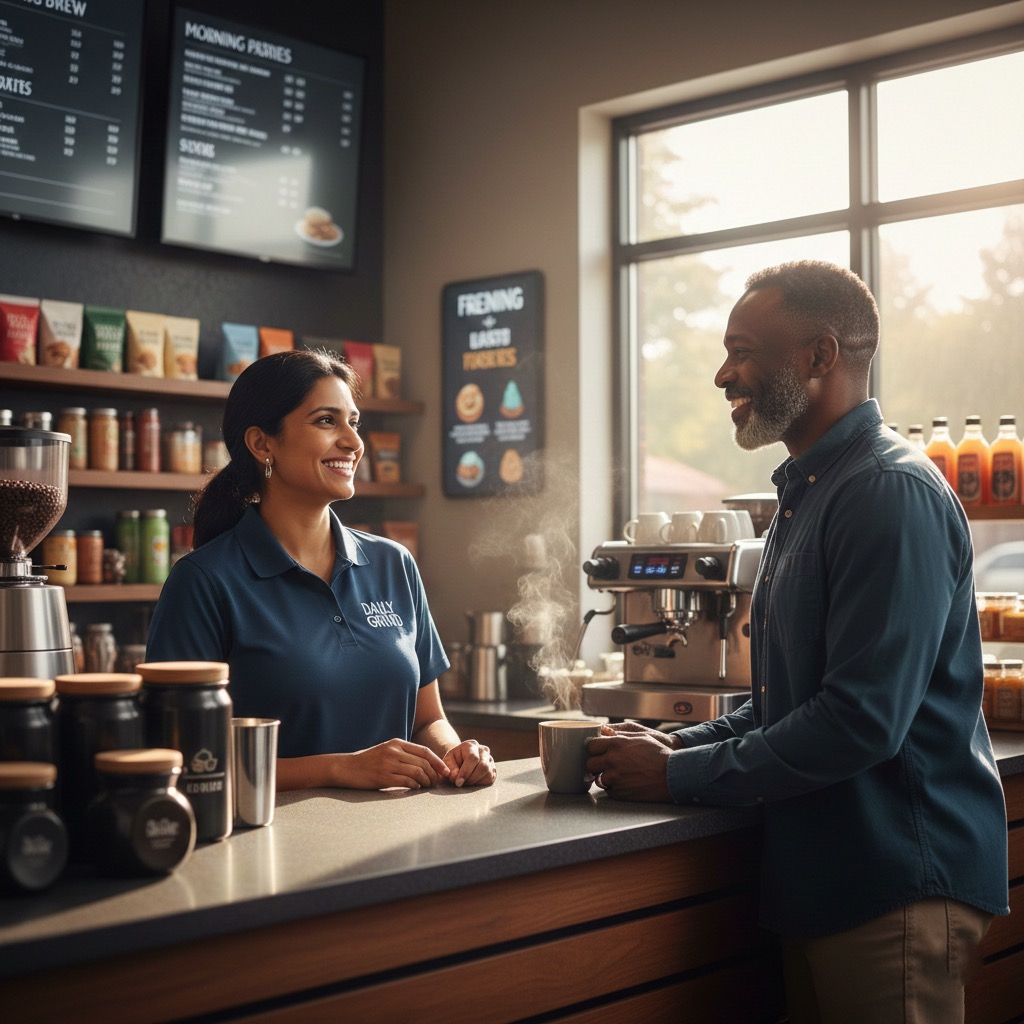
- Develop a Two-Point Cross-Sell Script: For two high-margin, high-traffic items (e.g., Coffee and Prepared Lunch), create one simple, non-aggressive question for staff to ask every time. Example: “Can I grab you a quick pastry with that coffee this morning?”
- Conduct a Body Language and Tone Review: Use a brief team meeting to discuss professional communication. Emphasize the importance of smiling, making eye contact, and avoiding visual signs of disinterest (e.g., leaning away, sighing, crossing arms).
- Integrate Shadowing into Onboarding: Designate an experienced employee as a “Brand Ambassador Trainer” to mentor new hires specifically on customer service and the two-point cross-sell script.
- Communicate the “Why”: Ensure staff understand that increasing the average basket size by 15% contributes directly to the store’s ability to offer better wages, cleaner facilities, and more local engagement.
The Bottom Line: The Personal Touch
We have now covered how to drive traffic. We have also discussed how to maximize the value of that traffic through passive sales techniques such as merchandising. Additionally, active sales techniques like employing staff are important. Lesson 3 shows that the true competitive edge of the independent store is the personal connection that leads to a positive, frictionless exchange.
In our next post, we will tackle the single biggest lever for sustained, high-margin profitability: Lesson 4: Own the Plate, How to Achieve 70% Margins by Elevating Foodservice and Beverages. This is the lesson that turns your store from a stop-gap necessity into a premium destination.


 The5For
Leave a comment