In our “Wear In” journey, we have covered the first three pillars: we generated Awareness and Trust (Lesson 1), drove measurable Frequency (Lesson 2), and maximized the Basket Size through merchandising and staff training (Lesson 3).
Now, we address the financial backbone of your store. True, sustained C-store profitability depends not on volume from low-margin staples like tobacco or lottery (1-15% margins), but on strategically elevating “Profit Categories.” This brings us to Lesson 4: Own the Destination. You must shift your store’s identity from a necessity stop to a reliable, high-quality, high-margin food destination.
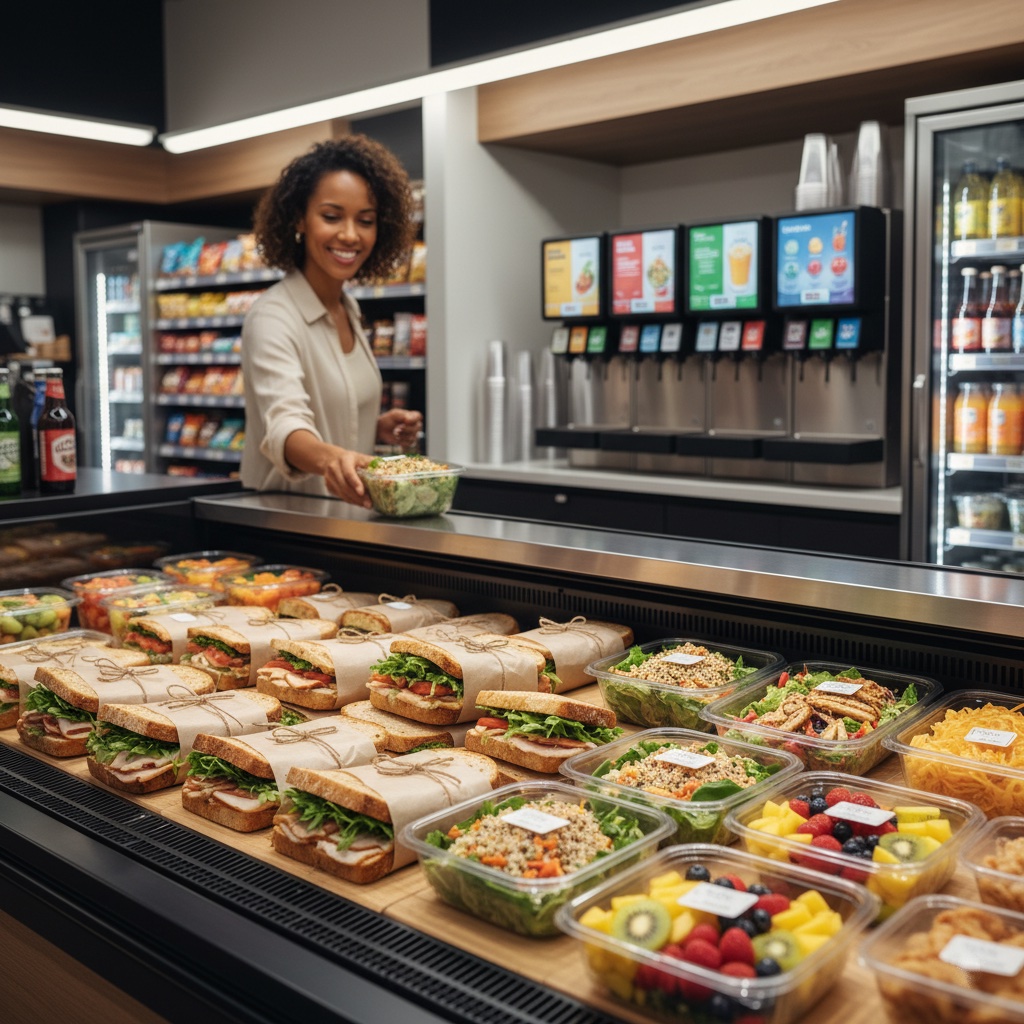
Shifting the Profit Engine
The profitability difference between your low-margin staples and your destination categories is staggering:
- Prepared Foods and Fountain Beverages are your primary drivers, offering high margins that can reach a powerful 60–70%.
- Low-Margin Staples like tobacco and lottery often yield minimal profits (1–15% margins).
The profitability gained from high-margin categories is instrumental. It subsidizes competitive pricing on lower-margin staples. This protects the overall profit engine and fosters the trust required for long-term brand equity.
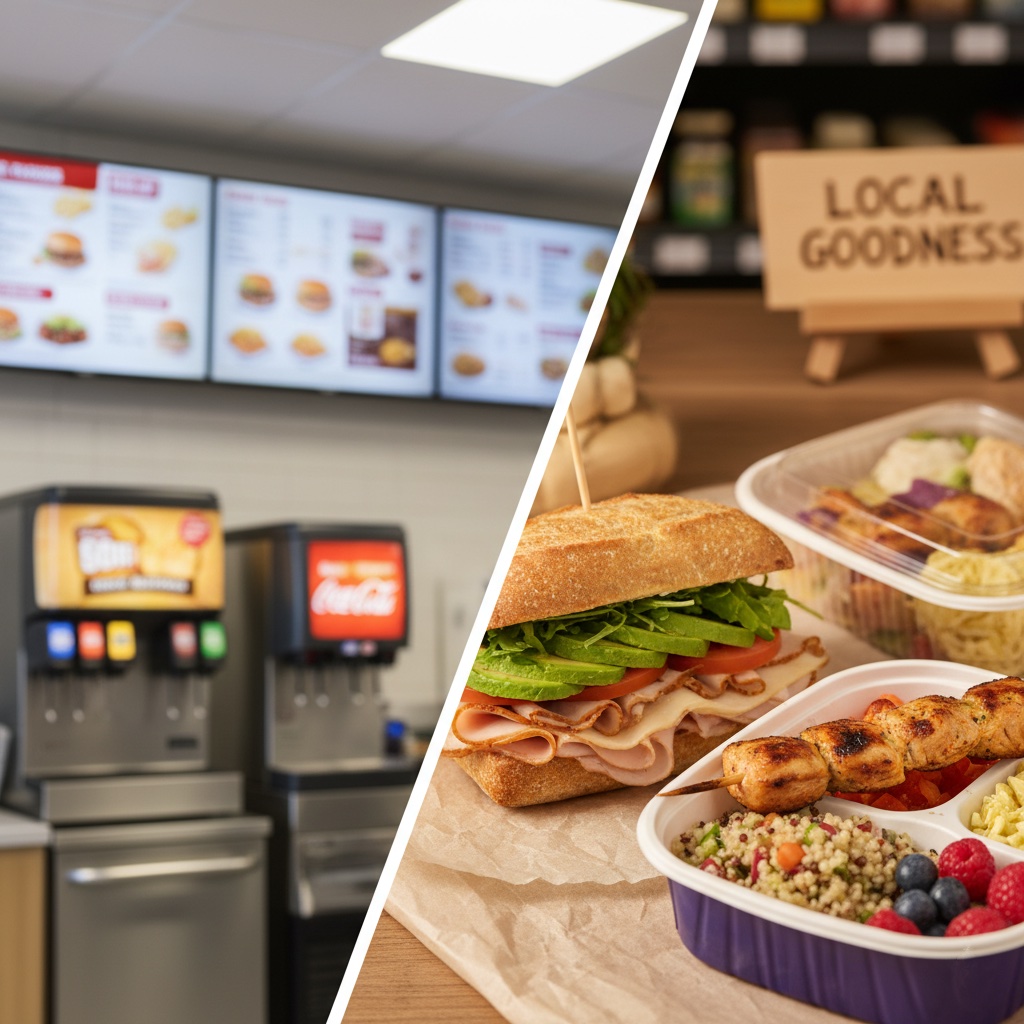
The QSR Challenge and Local Opportunity
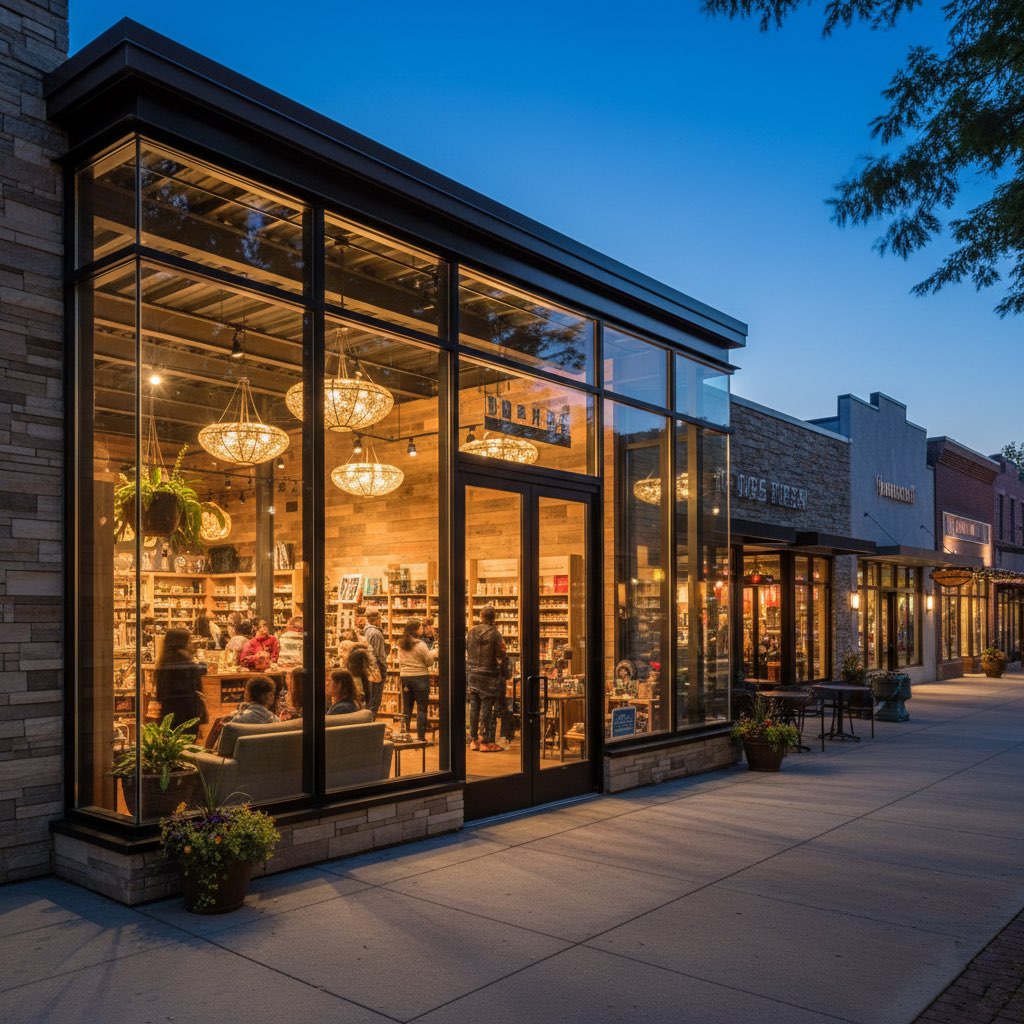
The lines between C-stores and Quick Service Restaurants (QSRs) are blurring, with C-stores increasingly viewed as affordable, quick destinations for meals. This is your opportunity to leverage the “Local Node” advantage (Lesson 1) and differentiate yourself from the generic chain offerings.
- Focus on Localized, Quality Offerings: Independent operators can distinguish themselves by curating quality offerings that reflect community tastes. One family-owned store introduced a grab-and-go foodservice section. This section featured locally made sandwiches and coffee. As a result, they achieved a 25% increase in daily sales within three months. This demonstrates the power of a focused, quality approach.
- Cater to the Modern Palate: Consumers, especially Gen Z and Millennials, increasingly seek out options that support health and wellness. You can distinguish yourself by offering better-for-you, small, portable formats, such as protein bento boxes or low-sugar snacks. These items not only address immediate needs but also position your store as a modern, mindful retailer.
The Daily Habit Anchor: Beverages
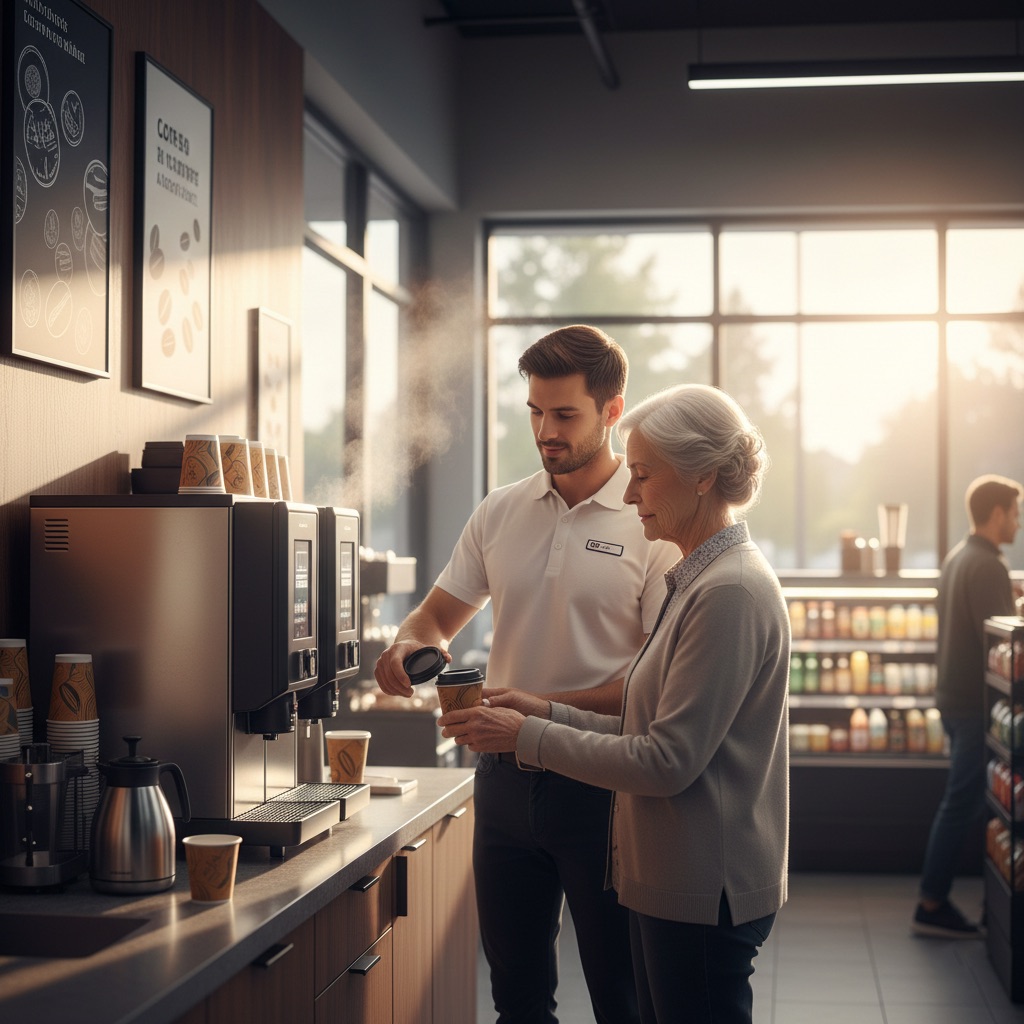
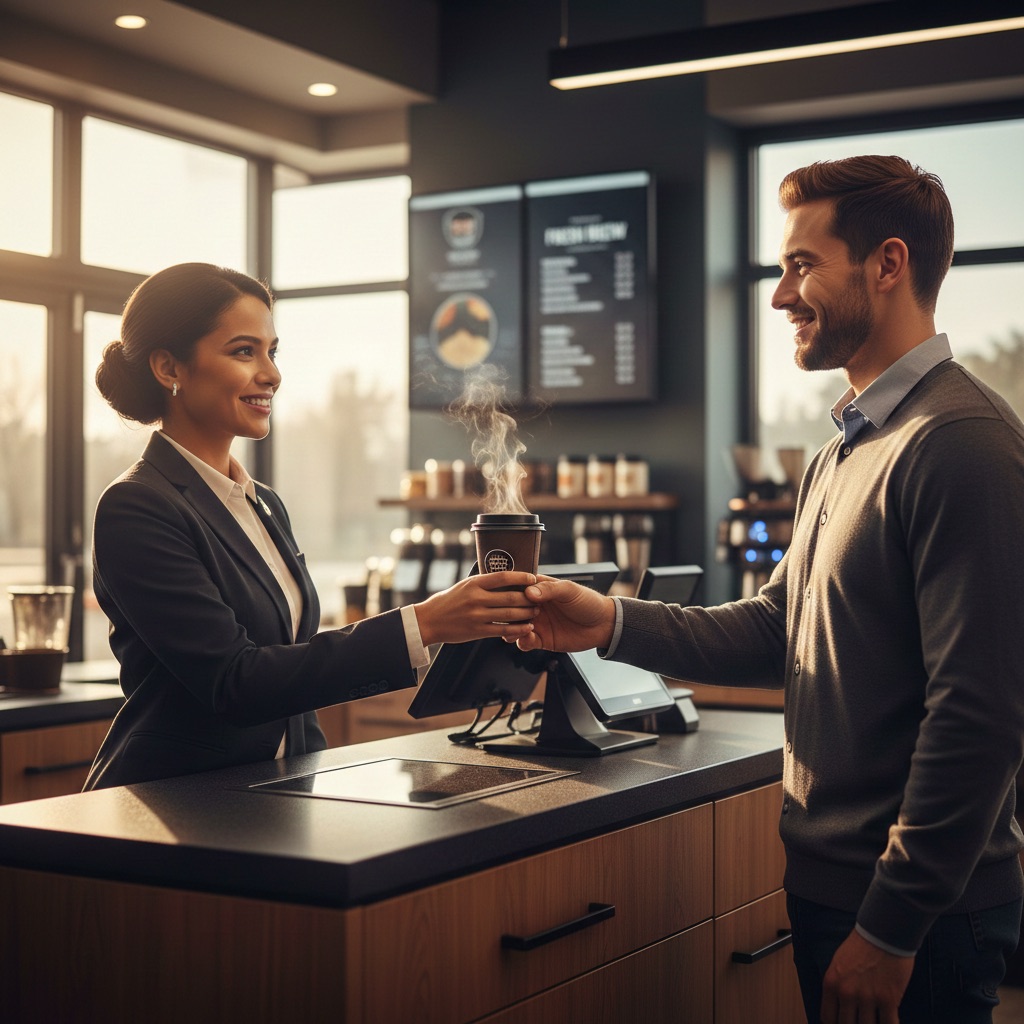
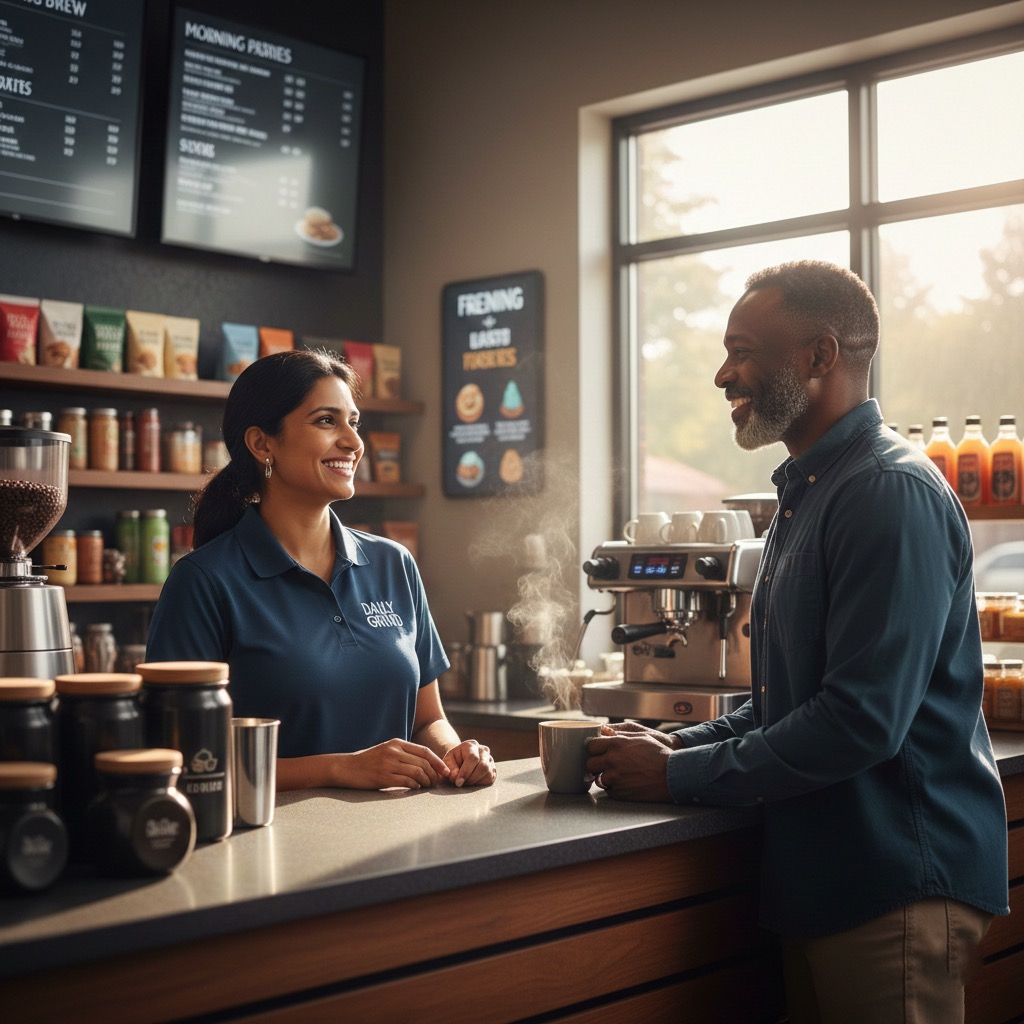
Fountain beverages and coffee programs are perhaps the purest form of “Wear In” routine, serving as top three traffic drivers and daily habit builders.
- Low-Cost, High-Markup: These items anchor the morning or afternoon routine due to their low-cost, high-markup nature.
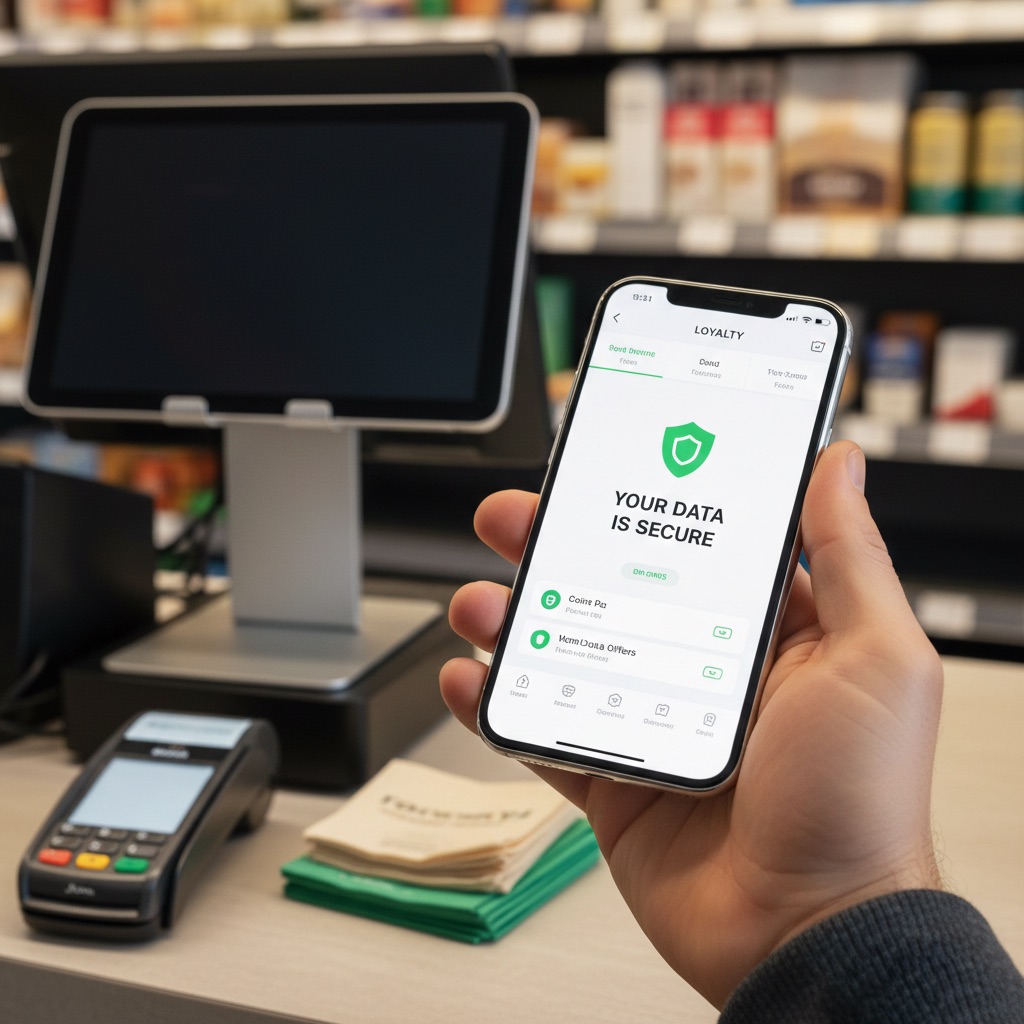
- Loyalty Incentives: Leverage your loyalty program (Lesson 2) to offer frequent discounts or free refills to encourage daily visits. This makes your store the default, most rewarding choice for their daily caffeine or beverage fix.
The Operational Caveat: Margin Protection
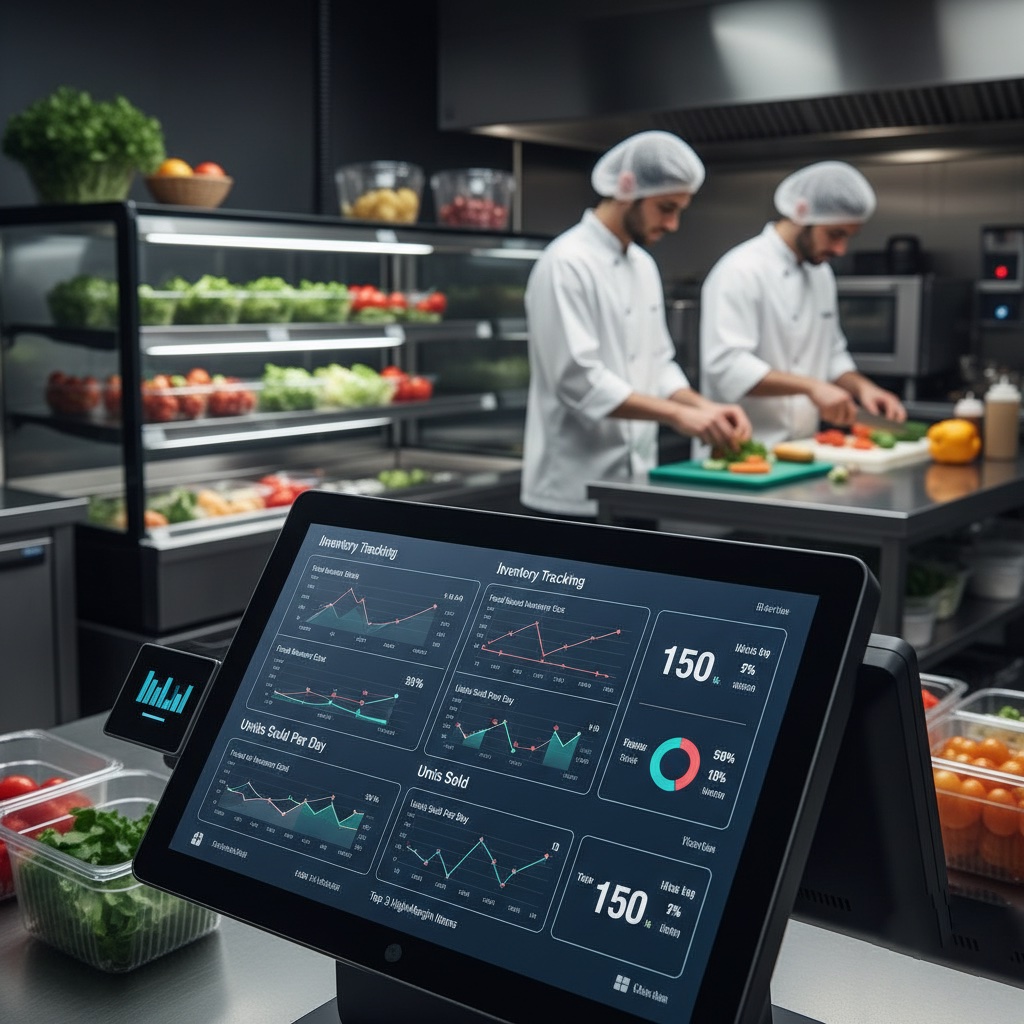
While the margins are excellent, prepared food requires rigorous operational efficiency. To realize 70% margins, you must aggressively manage costs, or high shrink rates will quickly undermine profitability.
- Inventory Tracking is Non-Negotiable: Food service necessitates robust inventory tracking and waste management. Utilize your POS system’s data capabilities to track specialized metrics like Food Wasted Inventory Cost / Food Service Revenue and Units on Hand / Units Sold Per Day.
- Waste Management: Rigorous tracking minimizes food waste and inventory loss, ensuring that the high margins are realized in your pocket, not lost to the dumpster.
What You Should Be Doing
To execute Lesson 4 and elevate your store into a destination, focus on these action items:
- Audit Your Margin Mix: Identify your current top-selling items and compare their margins (e.g., 10% on tobacco vs. 65% on fresh sandwiches). Use this data to justify investment in the high-margin categories.
- Investigate Localized Grab-and-Go: Start small. Partner with a single, high-quality local bakery or deli to offer 2-3 unique, high-quality sandwiches or salads. Track their sales and customer feedback religiously.
- Optimize Your Beverage Program: Ensure your fountain area and coffee station are impeccably clean, well-stocked, and use clear, professional signage (Lesson 3A). Use your loyalty program to target beverage customers for repeat visits.
- Implement Food Service Tracking: If you don’t already, implement a dedicated system (or POS feature) to track fresh food production, sales, and waste with granularity.
The Bottom Line: Subsidizing Success
Lesson 4 provides the financial oxygen for your entire “Wear In” strategy. The profit generated by your high-margin categories subsidizes the technology you need for loyalty (Lesson 2). It also allows you to compete effectively on price for staples.
All of these strategic moves require a single, critical element to be sustainable. Whether it is localized food, friendly staff, or loyalty apps, they need consistency. In our final post, we will tie all five lessons together, focusing on Lesson 5: The Consistency Playbook, and provide the ultimate call-to-action for unstoppable brand growth.

 The5For
Leave a comment