The Loyalty Loop
In our journey through the unattended retail landscape, we’ve examined the financial advantages and secured the profits. We strategically positioned the markets and mastered the fresh food logistics. We also built the powerful technological foundation of the Connected Campus. We now arrive at the ultimate objective of all this operational excellence: turning a first-time Micro Market user into a loyal, high-spending Superfan.
A Micro Market’s success is measured by high sales velocity and low shrinkage, but its long-term viability is secured by loyalty. After all, a customer with a loyalty card visits your store more often, spends more, and is measurably happier with their overall experience. Closed-loop environments like corporate, hospital, and university settings provide unique opportunities. In these places, you can capture 100% of the captive audience’s convenience spending.
But how do you market an unmanned store? The answer is: Data-Driven Digital Engagement.
You must shift from passive merchandising, which means hoping people buy what’s on the shelf. Start using active, personalized marketing. This method leverages the powerful data gathered by your smart POS and Global Market Account (GMA). This is how you differentiate your MM from a competitor’s, increase the basket size, and transform your anonymous transaction into a recognized, rewarding brand experience.
Let’s focus on the digital strategies that turn your unattended MM into an engine for brand loyalty and personalized sales growth.
The Digital Advantage: Turning Data into Engagement
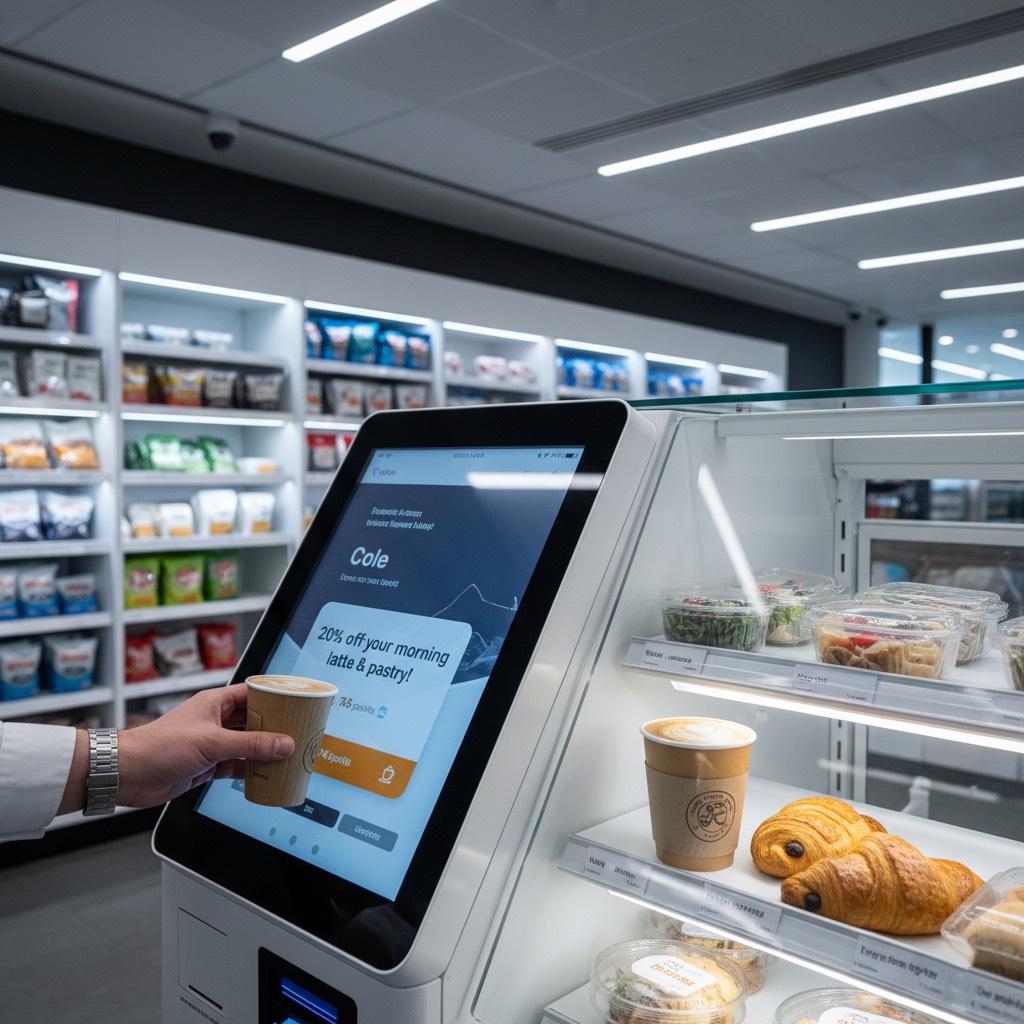
1. Personalized Loyalty Programs: The Data Treasure Trove
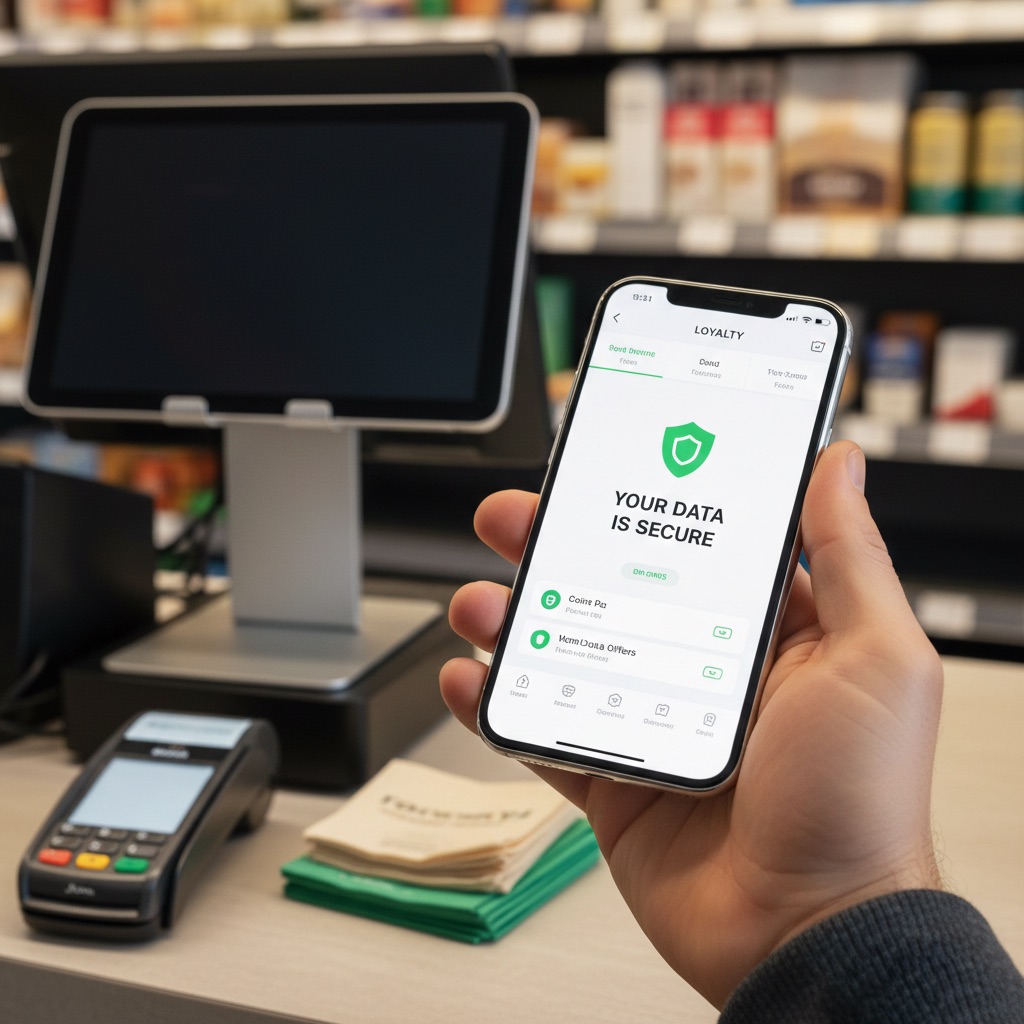
The cornerstone of your MM marketing strategy is a robust loyalty program, ideally housed within your mobile application (as discussed in Post 5).
- Driving Repeat Business and Data Capture: Loyalty programs reward customers for patronage, but more importantly, they are data collection engines. They allow you to build detailed profiles of consumption habits, which is crucial for operational planning, logistics, and supply chain management. Customers are generally happy to trade their data for perceived benefits like discounts or convenience.
- Personalized Promotions and Dynamic Pricing: Using the data collected through the GMA/POS, you can deliver targeted, personalized promotions. Instead of offering a generic discount, you can send a promotion to a specific user demographic identified as a high-value morning shopper. The promotion could be “20% off your favorite morning latte and a freshly baked pastry.” This not only drives sales but makes the customer feel seen and valued, increasing their overall satisfaction. You can also use this system for dynamic pricing based on demand or to move short-dated fresh items.
- The Accountability Bonus: As noted in our security post, linking customer identity to transactions through loyalty programs serves a strategic purpose. It acts as a subtle yet powerful deterrent against theft. This approach reinforces accountability within the unattended retail ecosystem.
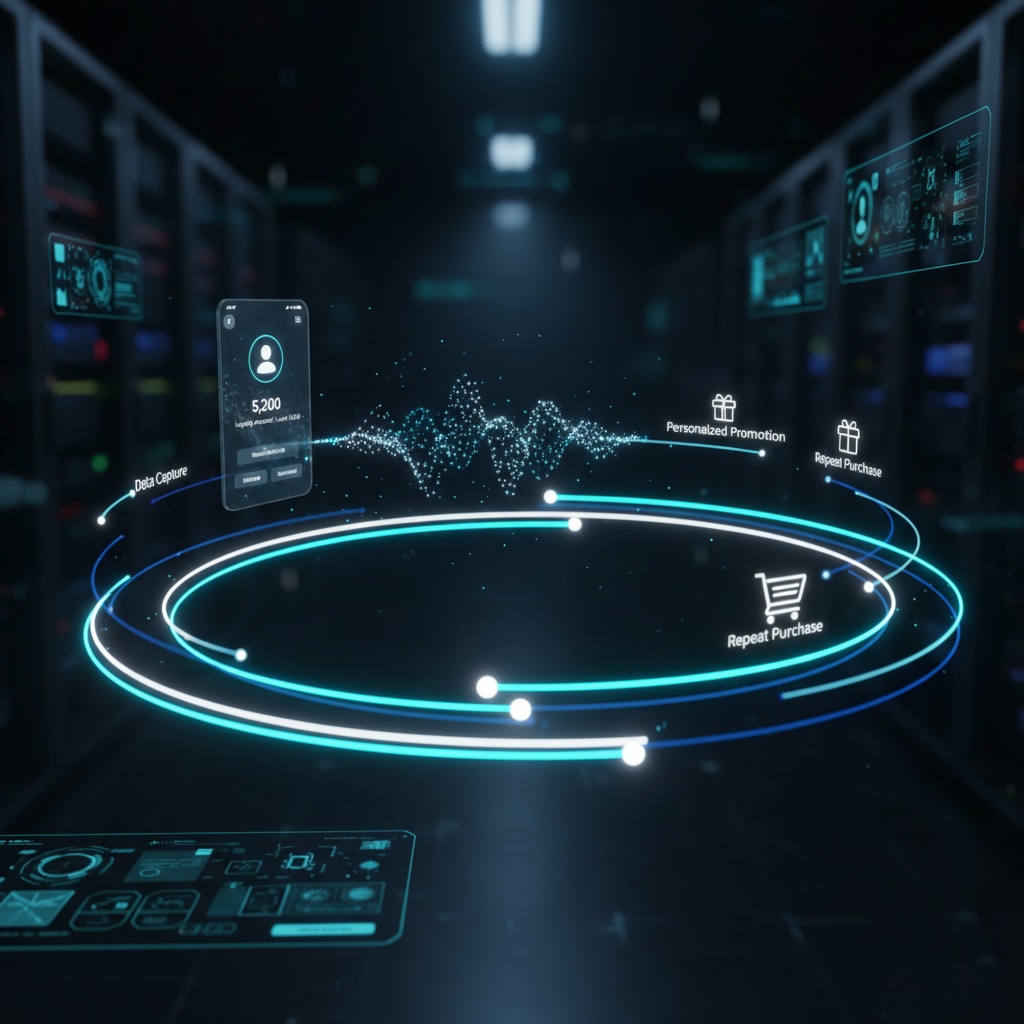
2. Content Strategy: Education, Assurance, and Localization
An unattended store can feel impersonal. Your content strategy, delivered via the mobile app, in-store screens, and social media (for public-facing MMs), must bridge that gap by focusing on education, building trust, and creating a sense of community.
- Focus on Health and Convenience: Position the MM as a desirable alternative to traditional quick service or bringing lunch. Highlight the wide, fresh selection of healthy, grab-and-go meals (salads, fruit, wraps) to capture the lucrative lunch segment. Blog posts and app notifications should focus on actionable benefits, such as: “How to Make Healthy Choices While Shopping at Convenience Stores.”
- Promote Security and Innovation: Transparency builds trust. Use content to assure customers of a safe, fast, and secure shopping experience. Detail the advanced technology, AI, cameras, and self-checkout speed, to alleviate any apprehension regarding unattended retail. Highlight the speed, such as completing transactions in as little as 90 seconds.
- Localization and Community: For both B2B and public sites, appeal to local tastes. Highlight regional snacks, unique product availability, and personalized service offerings. If you are a small chain (Archetype 4), this localized appeal is your main differentiator against national competitors. Showcasing “Local Flavors: The Best Regional Snacks You Can Find Here” or “Why Our Customers Love Shopping with Us” fosters engagement.
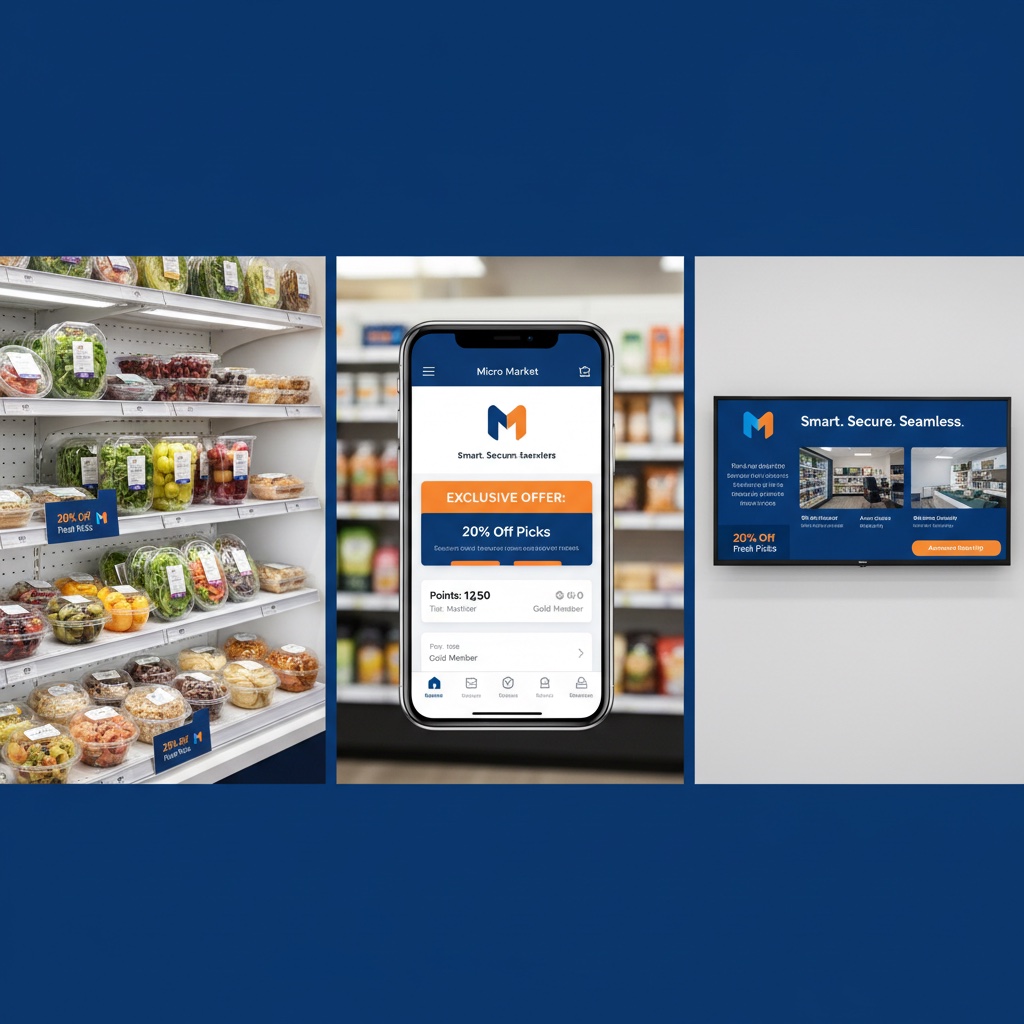
3. Omnichannel Consistency: The Seamless Brand Promise
Your Micro Market cannot operate as a silo. For a modern C-store chain, the customer must experience a single, unified brand. This experience should be consistent whether they are at the gas pump, the main store register, the mobile app, or the Micro Market kiosk.
- Pricing and Promotions Parity: Inconsistency kills customer satisfaction. Ensure that pricing, promotions, and loyalty rewards are identical and immediately redeemable across the physical store, the MM, and any digital ordering channels. The mobile app (GMA) serves as the central platform to maintain this parity.
- Branded Experience: While the MM is unattended, it should be clean, well-merchandised, and clearly branded. Use high-quality displays, lit panels, and merchandisers. Highlight key offerings and guide customers through the new products. Create an engaging experience that drives sales, just as you would in your main store.
- Incentivizing Digital Adoption: Loyalty members are far more likely to use your mobile app. They have up to a 60% usage rate among members versus 34% overall. Actively push enrollment at the MM kiosk. Offer instant rewards or discounts for first-time app users to rapidly migrate your MM customer base onto the digital platform.
What You Should Be Doing: Your Marketing and Loyalty Launchpad
Focus your next marketing efforts on digitizing your MM customer base:
- Launch Personalized Loyalty Tiers: Integrate personalized rewards (e.g., product discounts, points for fresh food) into your mobile app, making the MM the primary point for new sign-ups.
- Create Location-Specific Content: Develop a rotating content calendar that highlights the MM’s convenience, security, and unique product offerings. Use in-market digital screens and mobile notifications for this communication.
- Audit Omnichannel Consistency: Verify that all MM pricing and promotions match your main C-store and digital channels. Any discrepancy must be corrected immediately, as this erodes brand trust.
- Focus on the ‘Why’: Use marketing to articulate the value proposition. Ask, “Why does your busy lifestyle need convenience store solutions?” This will position your MM as an essential part of the customer’s daily routine.
The Bottom Line: The Future of Convenience is Personalized
The era of anonymous transactional retail is ending. Your Micro Market network is not a collection of isolated self-service points. It is a highly integrated and data-rich ecosystem. This ecosystem is ready for sophisticated engagement. Treat the POS data as a treasure trove. Implement targeted loyalty. Maintain a consistent omnichannel brand. By doing these, you transform the Micro Market experience from a basic self-service stop to a personalized and highly rewarding retail relationship. This shift from transaction to intelligence is what drives long-term success.
We have built a comprehensive strategic roadmap. We understood the economics and secured the operation. We targeted the location and mastered the logistics. We implemented the technology and engaged the customer. In our final post, we will bring all seven critical components together, providing an Executive Synthesis and a powerful forward-looking strategy that will empower your C-store chain to dominate the unattended retail future.

 The5For
Leave a comment