(IMPORTANT: This seven-part series offers operational strategy and professional insights. It is provided for informational and educational purposes only and is not legal or regulatory advice.
Age-restricted sales regulations are constantly changing and vary significantly by locality (city, county, and state).
Before implementing any strategy or technology discussed here, you must verify all requirements with your local and state regulatory agencies and consult with legal counsel. Compliance remains your sole responsibility.)
If you read Post 1, you know we are facing a fundamental shift: the traditional “smokes and cokes” model is no longer financially viable. The old way of driving massive traffic with low-margin tobacco and hoping for impulse buys is officially dead. The T21 law accelerates this decline by raising the minimum legal age for tobacco sales to 21. Now, we must get specific. We need to identify exactly how much profit we’re losing and where we can transfer that customer loyalty and spend to sustain your business.
The data confirms the urgency. In the most recent year, cigarettes were the only category among the top 10 in-store merchandise categories (excluding foodservice) that failed to achieve positive sales and gross profit growth. Cigarette gross profit (GP) contribution actually fell by 1.3%. This isn’t just stagnation; it’s a systematic erosion of a category you built your business around. When T21 is implemented, sales reductions can be sizable, especially in communities with a high percentage of younger shoppers. For an independent operator, this erosion is lethal. We know that when fuel gross profit is stripped away, 70% of C-stores report negative in-store operating profit. If cigarettes can no longer reliably cover those operating costs, your store is underwater.
The strategic imperative, therefore, is an aggressive pivot to high-margin, high-frequency categories that can absorb this lost revenue.
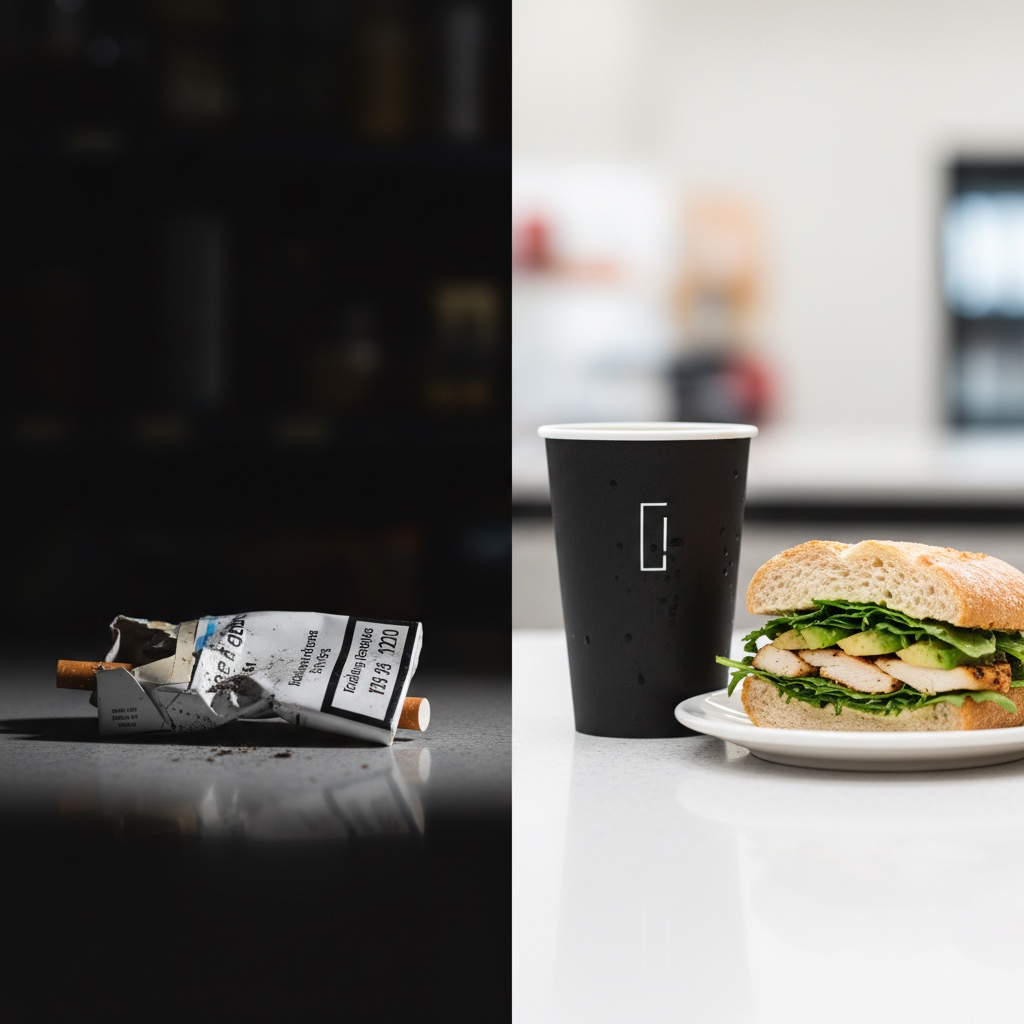
1. The Financial Reality: Foodservice vs. Cigarettes
The most accessible solution is to maximize the profitability of your existing food-forward sections. Foodservice (prepared food, dispensed beverages) delivers massive margins, accounting for approximately 39.6% of in-store gross margin dollars in 2024, a substantial increase from the prior year. Compare that performance to the low-to-mid margins of tobacco, and the choice is clear.
The fastest path to transferring revenue lost from T21 sales is through the cold box and grab-and-go sections. Packaged beverages and beer are already major profit contributors, together responsible for nearly 25% of both inside sales and profits. Crucially, packaged beverages saw a healthy gross profit growth of 5.4% in the recent year. By strategically elevating these categories, you leverage existing customer behavior. This is the “cokes” part of the old model. You also redirect the spending frequency that used to be tied to cigarette runs.
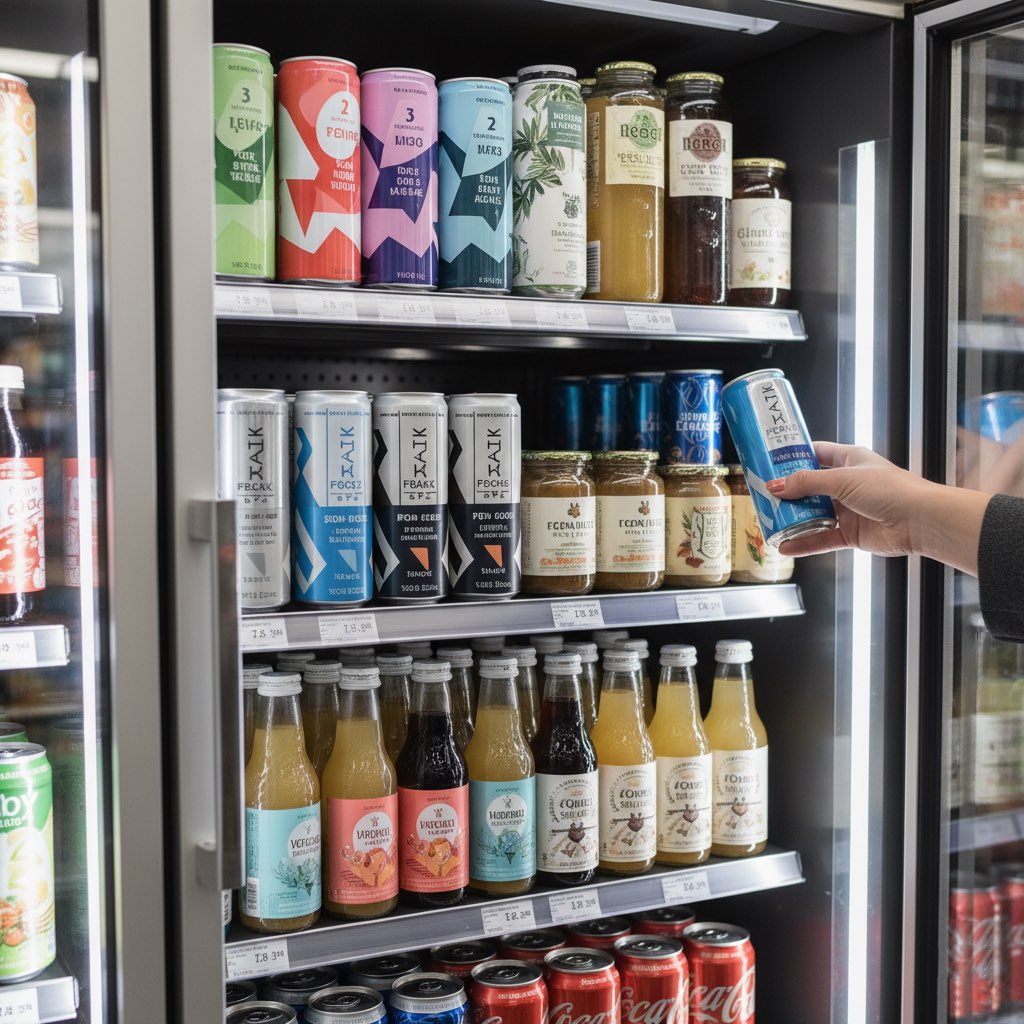
2. Specialized Beverages: Your New Margin King
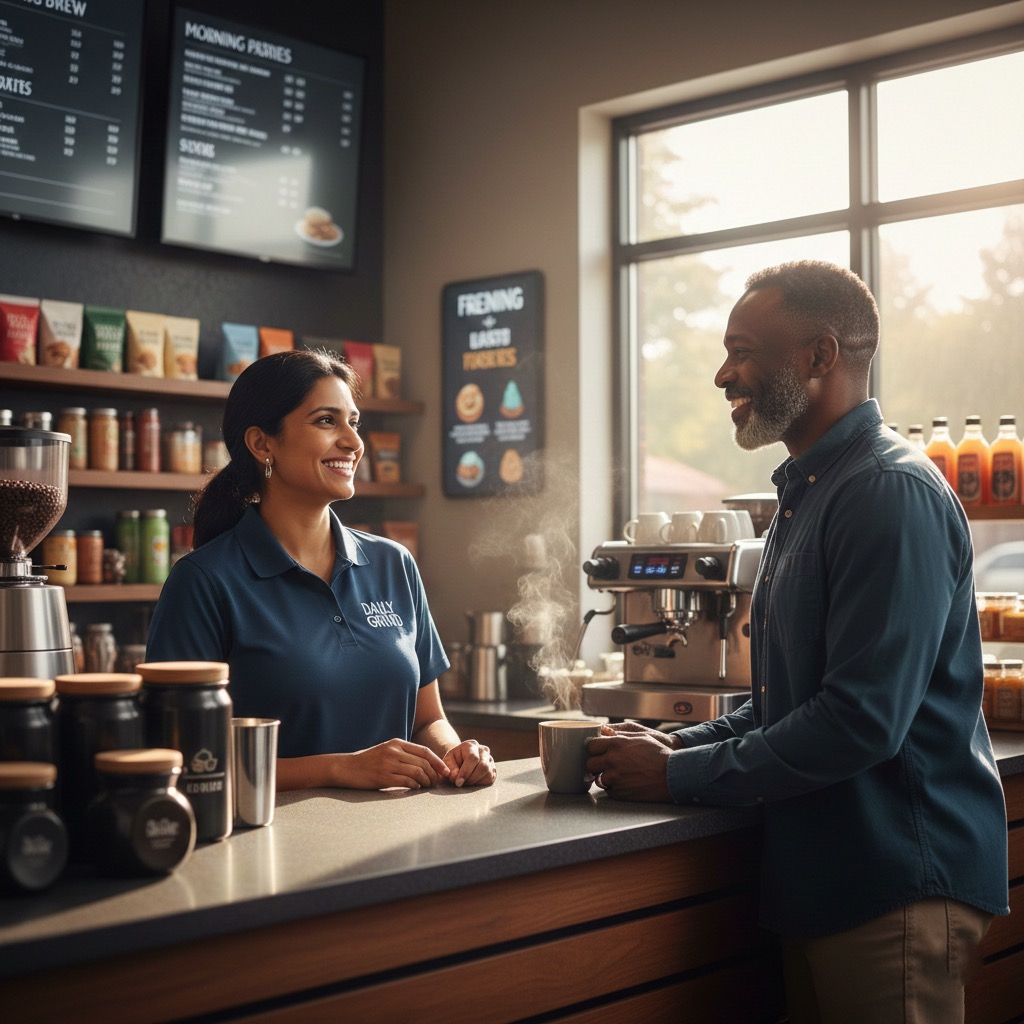
The simplest and most immediate pivot involves upgrading your beverage strategy. The modern C-store customer is looking for specialized, functional, and premium drinks, not just the standard soda.
- Premium Coffee and Energy: Focus on expanding your dispensed coffee program and cold-brew options. Coffee drinkers are typically high-frequency, high-margin customers.
- Functional Beverages: Prioritize high-end sports drinks, specialized teas, and energy drinks. These often have higher markups than standard carbonated drinks. They attract customers who are already seeking a quick “boost.” This is the same customer mindset that drove cigarette sales.
- Grab-and-Go Reinforcement: Pair the specialized beverage pivot with an elevated grab-and-go section (fresh sandwiches, specialized wraps, high-quality snacks). Encourage customers to purchase a premium beverage along with a high-margin food item. This significantly increases the basket size. You also maximize the transfer of that lost cigarette spend.

What You Should Be Doing
Your mission is to execute a surgical transfer of profit from the dying cigarette category to sustainable, high-growth alternatives.
- Establish a Margin Benchmark: Pull the most recent margin reports for cigarettes and your top five foodservice/beverage SKUs. Understand that a customer trading a low-margin cigarette pack for a high-margin cold brew is beneficial. Adding a grab-and-go snack is a win for your store’s solvency.
- Redesign the Cold Box Flow: Strategically place premium, specialized, and high-margin cold beverages at eye level. These include functional drinks, specialty waters, and craft sodas. Position them nearest the main register. Direct traffic flow away from the declining tobacco wall and toward the cold box.
- Launch a “T21 Transition” Staff Training: Train your staff to proactively suggest high-margin substitutions. When a customer asks for an ID for a tobacco product, train the cashier to follow up. They should say: “Can I also get you one of our new specialty energy drinks or a fresh coffee for the road?”
- Leverage Existing Assets: If you have a dispensed coffee station, ensure it is impeccably clean, well-stocked, and prominently advertised. Focus on coffee traffic as the new morning anchor, replacing the previous cigarette run.
The Bottom Line: It’s About Survival
We have established the financial foundation for your store’s survival by addressing the decline of the cigarette category. But as you pivot into new, higher-margin age-restricted products like vapes, the compliance risk increases exponentially. The stakes are no longer just lost profits, but massive regulatory fines.
In Post 3, we will move to the next crisis: Vaping’s $21,348 Threat. I will detail the FDA’s massive enforcement campaign against unauthorized inventory. I will also show you how to audit your shelves immediately. Lastly, I will explain why your choice of product is now your biggest legal liability.




 The5For
Leave a comment