In our last post, we overhauled your snack aisle. We swapped empty calories for fiber-rich, gut-friendly options. These are what the modern, medicated consumer is craving. But after eating that protein pack or bag of mushroom jerky, your customer is going to head straight to the cold vault.
For decades, the convenience store beverage strategy was simple: CSDs (Carbonated Soft Drinks), energy drinks, and beer. Volume was king. But if you look at your recent sales data, you’ve likely seen the cracks in that foundation. Unit sales of traditional sugary sodas are flattening, and for the first time in a long time, alcohol consumption is trending down among younger generations.
This isn’t a crisis; it’s a pivot point. The “Food as Medicine” movement has hit the beverage cooler harder than any other category. Your customers, especially those on GLP-1 medications like Ozempic, are battling dehydration and sugar aversion. They don’t just want something to drink; they want something that does something.
In this post, I’m going to walk you through the three pillars of the modern c-store beverage architecture. The first pillar is Prebiotic Sodas. The second is “Very Vinegar” Hydration. The third is the “Sober Curious” movement.
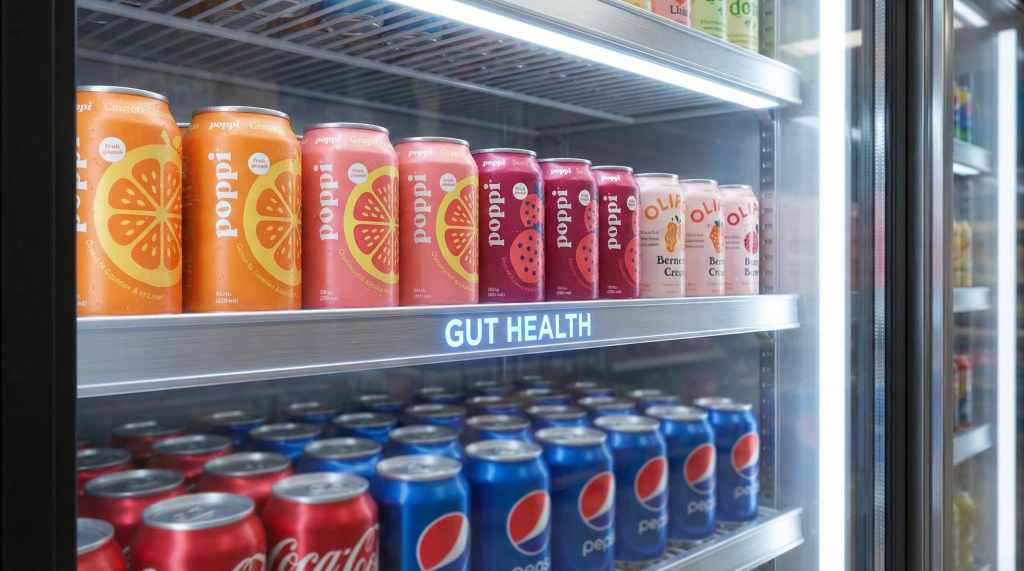
The “New Soda”: Prebiotics and Pop
For a GLP-1 user, a traditional high-fructose corn syrup soda is often unappealing. It spikes blood sugar and can cause nausea, a common side effect of the medication. However, the craving for a fizzy, cold, flavorful can remains.
Enter the Prebiotic Soda. Brands like Poppi, Olipop, and even 7-Eleven’s own private label entrants are revolutionizing this space. These drinks offer the “bite” and mouthfeel of a soda but with drastically lower sugar (often under 5g) and a functional dose of fiber (prebiotics) to support gut health.
This creates a bridge for your customer. They aren’t buying a “diet” drink; they are buying a functional beverage that actively helps their digestion, a top priority for anyone on weight-loss medication.
The prebiotic soda market is exploding. PepsiCo’s recent acquisition of functional brands shows that big players are taking action. 7-Eleven is also contributing by rolling out 7-Select Fusion Energy, which is packed with vitamins and antioxidants and contains zero sugar. If you are still dedicating 80% of your cooler space to traditional CSDs, you are wasting prime real estate.
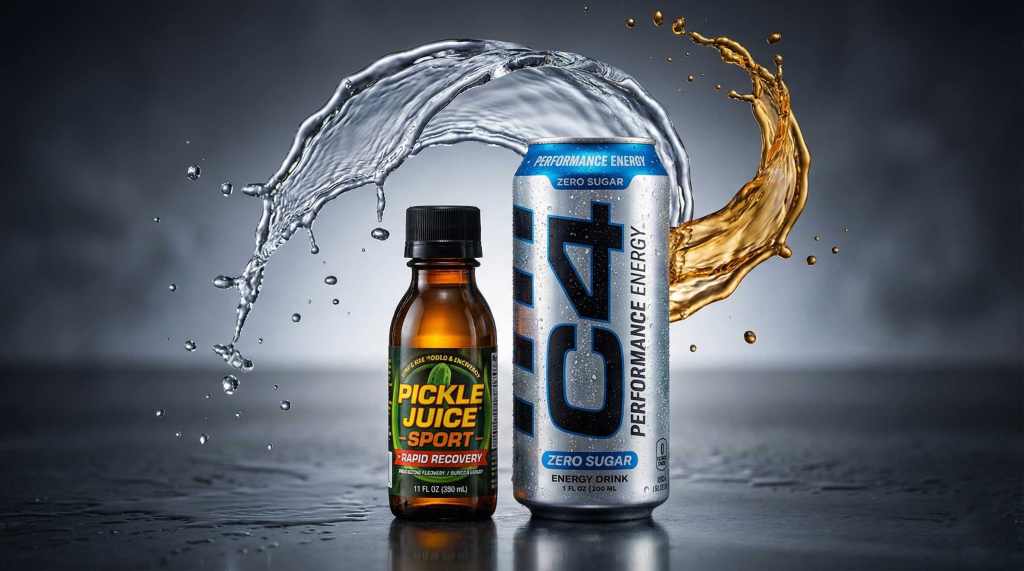
Advanced Hydration: The “Very Vinegar” Trend
Dehydration is a major side effect of GLP-1 medications. Users often lose their thirst signal, making intentional hydration critical. But plain water doesn’t always cut it, and traditional sports drinks are often too sugary.
We are seeing a surge in demand for functional hydration. This goes beyond basic electrolytes.
- The Pickle Juice Phenomenon: It sounds niche, but pickle juice shots are flying off shelves. Brands like The Pickle Juice Company are partnering with major distributors to get into c-stores nationwide. Why? High sodium content stops muscle cramps instantly and aids rapid rehydration without sugar. It’s a favorite of athletes and is now being adopted by the wellness crowd.
- Drinking Vinegars: Acetic acid (vinegar) helps blunt insulin spikes. Savvy consumers are looking for “shrubs” or sparkling vinegar drinks that help stabilize their blood sugar after a meal.
- Performance Energy: The energy drink consumer has graduated. Consumers are shifting away from “aggressive” energy brands. They are choosing “performance” energy brands like C4, Ghost, and Celsius. These brands offer fat-burning claims. They also include nootropics for focus and contain zero sugar.
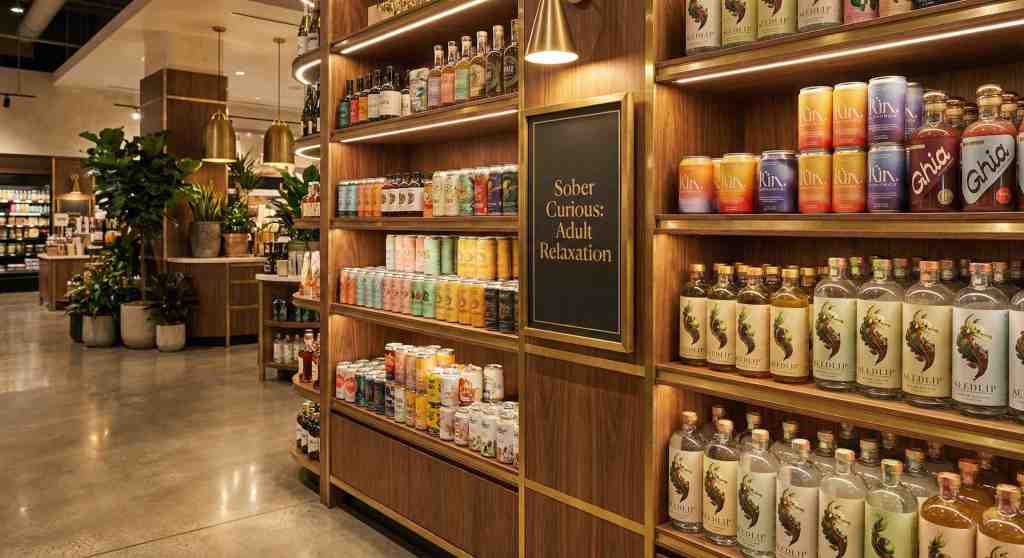
The “Sober Curious” Economic Shift
Perhaps the most disruptive trend for c-stores is the decline in alcohol consumption among Gen Z and Millennials. Fewer people are buying 12-packs of light beer. This decline is due to various factors. Health reasons, GLP-1 usage, which suppresses the desire for alcohol, and the “Sober Curious” cultural movement all contribute to this change.
However, the social ritual of drinking remains. This has birthed a massive market for Ready-to-Drink (RTD) Mocktails and non-alcoholic spirits.
These aren’t just juices. They are sophisticated, complex blends. They use adaptogens like ashwagandha or L-theanine to provide relaxation. They are packaged in premium cans that look just like craft beer or seltzers.
The Opportunity: A premium non-alcoholic mocktail often retails for $3.00 – $5.00 per can. The margin is healthy, and you don’t have to deal with age verification or liquor tax headaches (depending on your local laws).
What You Should Be Doing
Your cold vault is your most expensive asset to run. Make every facing pay rent.
- Create a “Zero Proof” Zone: Don’t mix non-alcoholic beers and mocktails in with the water. Merchandise them adjacent to the alcohol section. Use “Sober Curious” or “Zero Proof” rail strips to denote the section. This signals to the customer that these are adult beverages, not kids’ drinks.
- Prioritize Single-Serve “Functional” Shots: Clear counter space for pickle juice shots, turmeric shots, or collagen shots. These are high-impulse, high-margin items that appeal to the “I need a quick fix” mindset of the c-store shopper.
- The “Gut Health” Shelf: In your soda door, create a block specifically for prebiotic sodas (Poppi, Olipop). Place a small shelf talker that says “Low Sugar, High Fiber” to educate the customer who might be browsing for a Coke but willing to trade up for health.
- Audit Your Energy: Look at your energy drink planogram. Are you over-indexed on legacy high-sugar brands? Aggressively expand your facings for “performance energy” (Celsius, Ghost, Alani Nu) which appeal to the female demographic and the fitness-focused GLP-1 user.
The Bottom Line: Quench Your Customer’s Thirst
The beverage landscape has shifted from “refreshment” to “function.” Your customers are thirsty for products that solve problems, whether that’s dehydration, gut health, or the need to relax without a hangover.
By restructuring your cold vault to highlight functional hydration and mocktails, you aren’t just selling drinks; you are selling solutions.
In Post 5, we’re going to take a step back and look at the store as a whole. We’ll discuss Merchandising & Layout strategies to interrupt the shopper’s journey and drive impulse buys for these new, high-margin categories.

 The5For
Leave a comment