In our last post, we reorganized your store layout to interrupt the shopper’s journey. We placed high-margin, high-fiber options in the “impulse zones” traditionally reserved for candy bars. You have the right products (Post 2 & 3), the right beverages (Post 4), and the right placement (Post 5).
But here is the hard truth: If your customers still perceive your store as just a place for “cokes and smokes,” those protein packs will rot on the shelf.
The “Food as Medicine” movement isn’t just about inventory; it’s about identity. To capture the GLP-1 user and the modern health-conscious consumer, you have to change the narrative. You aren’t just selling convenience anymore; you are selling sustenance.
In this post, I’m going to show you how to market this shift without getting slapped with a lawsuit from the FDA. We will discuss how to speak the language of the metabolic consumer. We will also cover how to form profitable partnerships with local gyms and clinics. Additionally, we’ll explain how to use your digital channels to drive foot traffic from a demographic that used to drive right past you.
The Language of Health (and How to Avoid Trouble)
First, a word of caution. “Food as Medicine” is a powerful concept, but as a retailer, you must be careful with your claims. You cannot claim a snack “cures obesity” or “treats diabetes.” That is the quickest way to get a letter from the FTC or FDA.
However, you can and should use “Structure/Function” claims that highlight the benefits your customers are actively seeking. The GLP-1 user is looking for specific keywords.
Swap This for That:
- Don’t say: “Weight Loss Snack” -> Do say: “Portion Controlled” or “Satiety Support.”
- Don’t say: “Cures Stomach Aches” -> Do say: “Gut Health” or “Digestive Support.”
- Don’t say: “Ozempic Diet Food” -> Do say: “High Protein & Fiber” or “GLP-1 Friendly.”
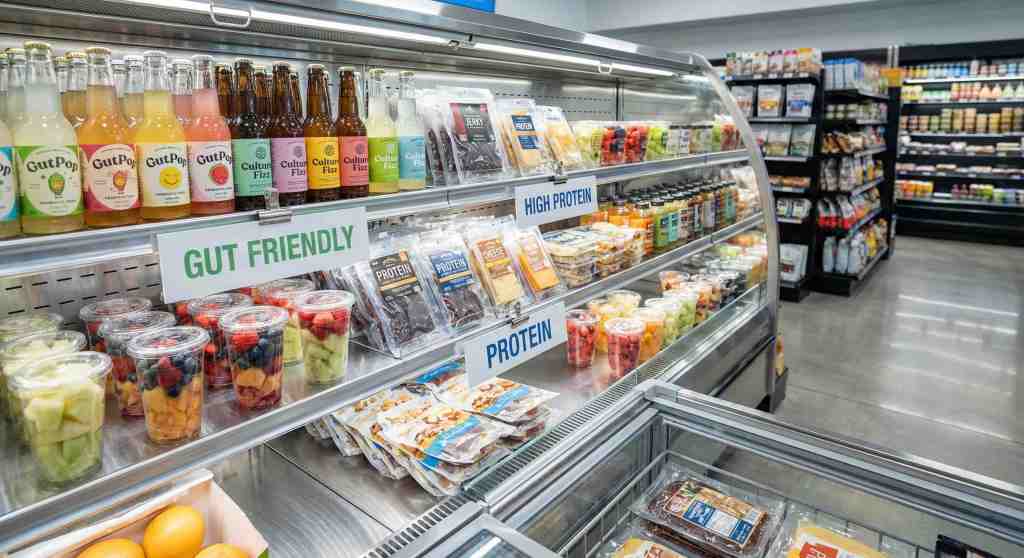
Big brands like Conagra are already rolling out “GLP-1 Friendly” badges on their packaging. You can mimic this in your store signage. Use shelf talkers that act as “navigational beacons” for these specific attributes. A simple sign on your cold vault can read “Fiber & Protein: Fuel Your Day”. This signals to the customer that you understand their nutritional needs.
The “Local Health Ecosystem” Partnership
Convenience stores have historically operated as islands. In the “Food as Medicine” era, you need to build bridges. Your store should be viewed as part of the local healthcare continuum.
Partner with Local Gyms: The fitness industry is booming alongside the weight-loss drug market. Users are advised to strength train. This helps combat muscle loss, which is a common side effect of GLP-1s.
- The Play: Walk into the gyms within a 3-mile radius of your store. Offer a “Gym Member Perk.” Flash a gym membership card at the register, get 10% off water and protein packs.
- The Benefit: You drive traffic from people who are already in “health mode” and looking for post-workout fuel.
Connect with Local Clinics: Weight loss clinics and med-spas are prescribing these medications. However, they often struggle to tell patients what to eat on the go.
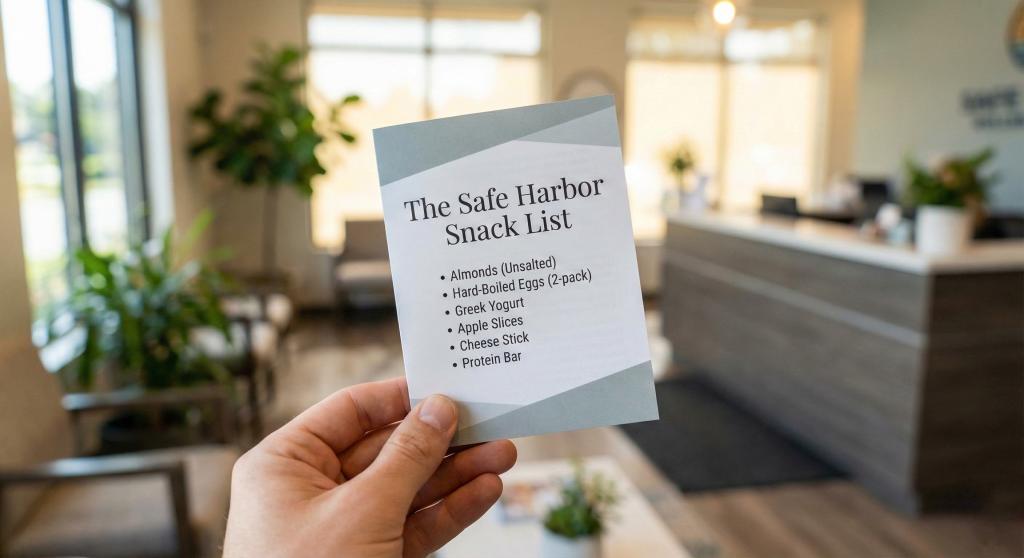
- The Play: Create a simple “Cheat Sheet” flyer of the GLP-1 friendly snacks you stock (e.g., “The Safe Harbor Snack List”). Drop these off at local clinics for them to give to patients.
- The Benefit: You become the recommended solution for patients who are anxious. They worry about where to find food that won’t make them nauseous.
Digital Marketing: Targeting the “Intentional” Shopper
The days of relying solely on foot traffic are fading. The modern shopper, especially Gen Z and Millennials, is driving the “Sober Curious” and “Gut Health” trends. They are researching online before making a purchase.
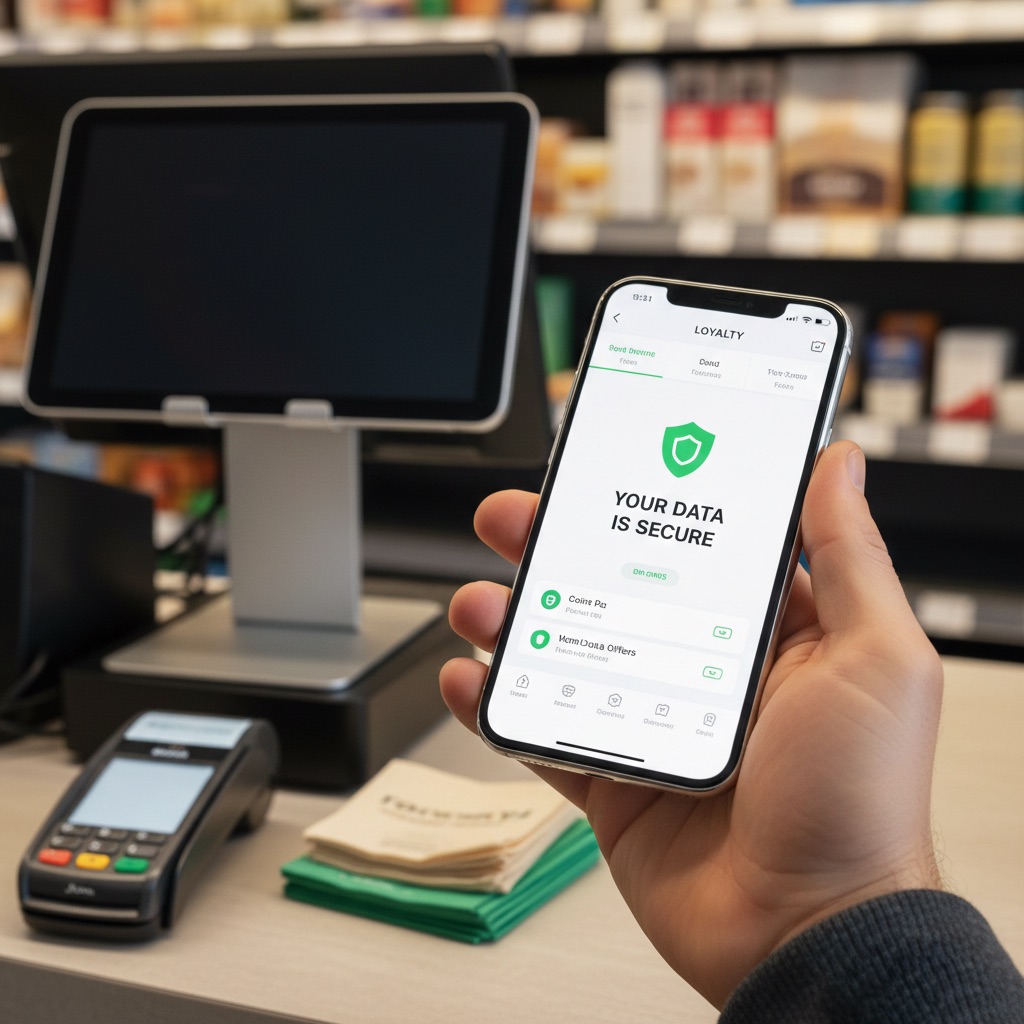
Leverage Loyalty Data: If you have a loyalty program, look at your data. If a customer buys a bottle of water, they might be interested in your new “Adult Lunchables.” If they also purchase a bag of almonds, they are an even better candidate. Send them a push notification or email coupon specifically for your healthy foodservice items. Don’t waste a “2-for-1 Energy Drink” coupon on a customer who only buys herbal tea.
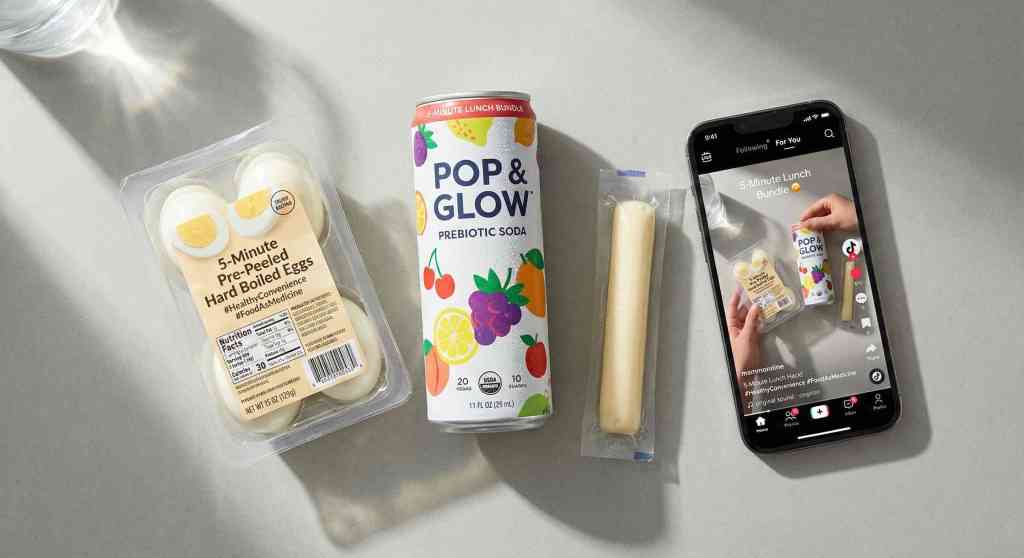
Ride the Hashtags: You don’t need a massive social media budget, but you should be present where the conversation is happening. Trends like #FiberMaxxing, #GutHealth, and #ProteinHacks are viral on TikTok and Instagram.
- The Content: Post a quick video of a “5-minute lunch from for under 500 calories.” Show the products: A hard-boiled egg pack, a prebiotic soda, and a cheese stick.
What You Should Be Doing
- Audit Your Signage: Take down the faded posters for sugary sodas. Replace them with high-quality signage highlighting “Functional Hydration” or “Protein Packed.” Ensure your “GLP-1 Friendly” sections are clearly marked with benefit-driven language (e.g., “Gut Friendly,” “High Fiber”).
- Launch a “Gym Perk”: Print simple window clings or counter mats: “Members of [Local Gym] Save 10% on Protein Snacks.” It costs almost nothing and builds immediate goodwill.
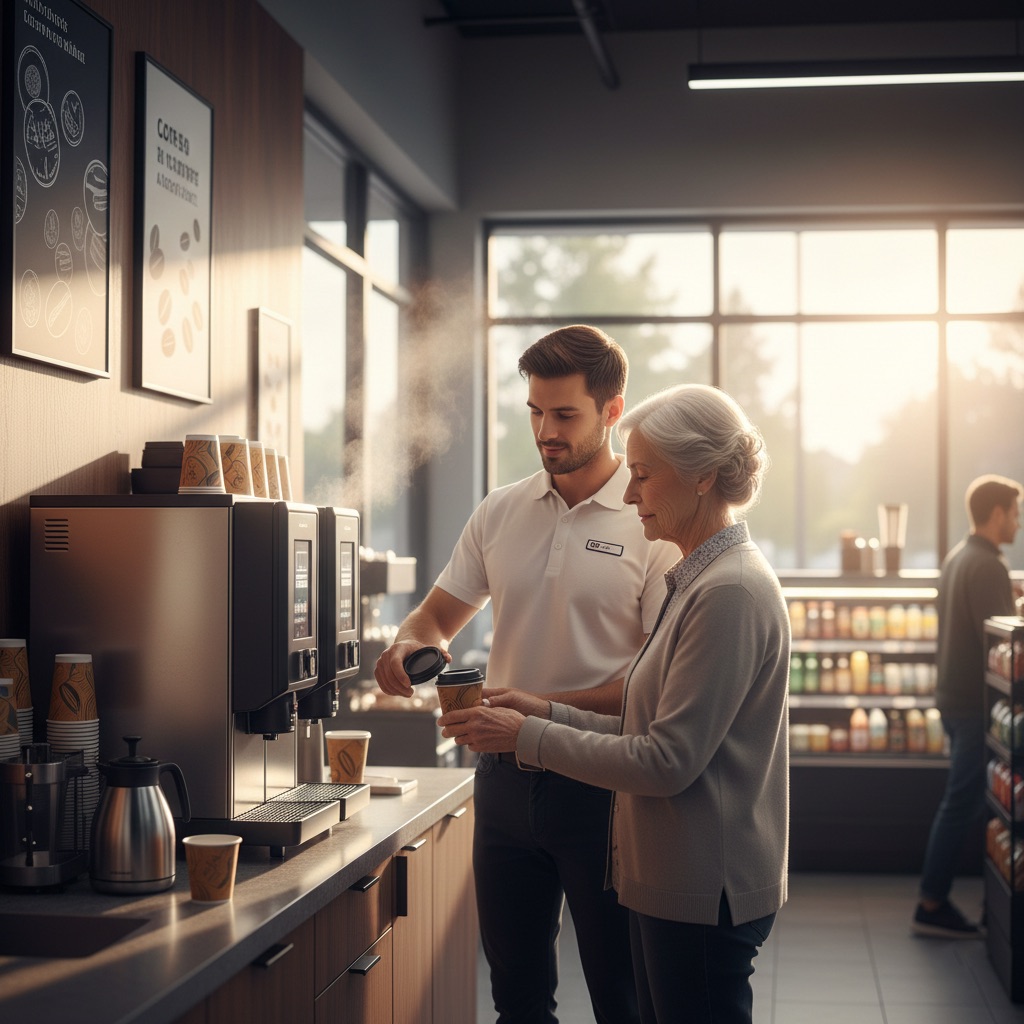
- Educate Your Staff: Your cashiers are your frontline marketers. Teach them that when someone asks, “Do you have anything for an upset stomach?” they can point to the ginger chews and prebiotic sodas, not just the medicine aisle.
- The “Bundle” Post: Take a photo of your new “Fuel Deal” (Post 2) and post it to your store’s social media pages with the tag #HealthyConvenience. Tag local businesses in the post to increase reach.
The Bottom Line: Broaden Your Tent
Marketing the “new” convenience store isn’t about alienating your core customer who still wants a hot dog and a beer. It’s about broadening your tent. It’s about signaling to the community that you are a destination for health, not just a pit stop for indulgence.
Refine your language. Partner with local health hubs. Get smart with your digital presence. By doing so, you build a brand that is resilient, relevant, and ready for the future.
We have covered the what, the where, and the how. In our final post, we are going to look at the when. In Post 7, we will wrap up this series with a strategic roadmap for the future, helping you future-proof your business for 2026 and beyond.

 The5For
Leave a comment