Welcome back to our series on leveraging food holidays. If you have been following along, specifically in our last post, we went deep into the psychology of Limited Time Offers (LTOs) and how to craft promotions that create urgency and excitement. We talked about the shiny, fun side of the business, the marketing, the graphics, and the “sizzle” that gets a customer to turn their car into your lot.
But now, we have to get serious. We have to talk about the steak, not the sizzle.
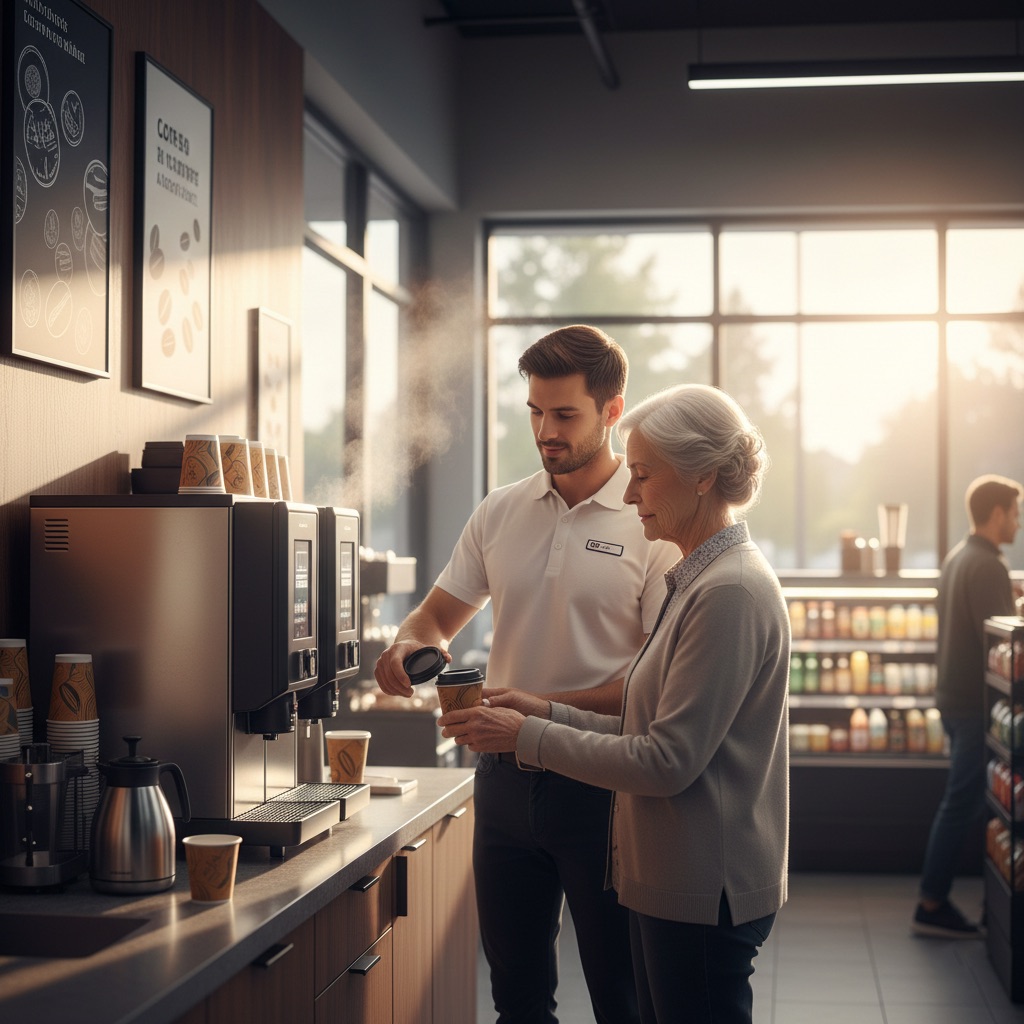
Here is the hard truth that I have learned over decades in this industry. Marketing generates traffic. However, Operations generates repeat business. You can have the best National Coffee Day campaign in the state. But if your bean-to-cup machine is down, the milk is empty, or the line is ten people deep because the register is slow, you haven’t just lost a sale. You have actually done damage to your brand. You promised a great experience and delivered a headache.
In this post, we are moving into the “engine room” of the convenience store. We are going to look at the unsexy, gritty, absolutely vital work of execution. We will cover the math of inventory safety stock, so you never run out, the integration of technology to capture data, and the crucial element of staff training. By the time we are done, you will have the operational blueprint to back up your marketing promises.
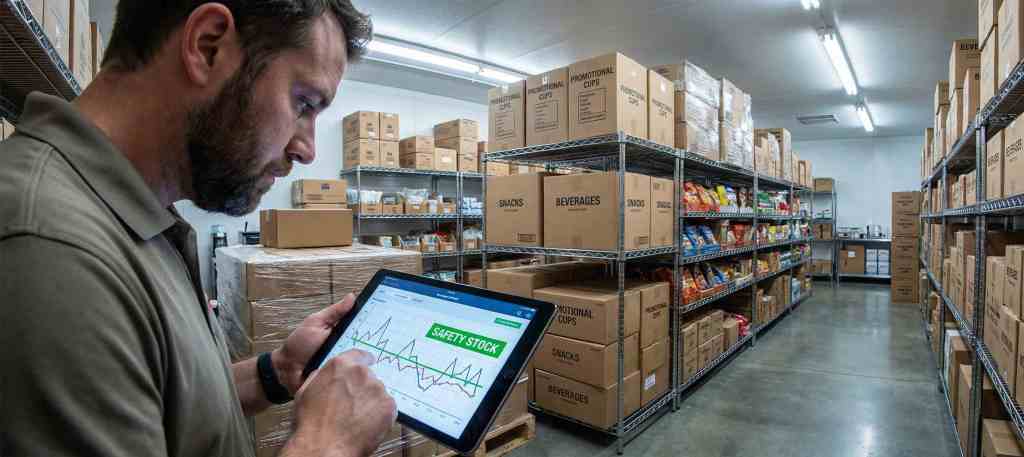
1. Inventory Management: The Math of Safety Stock
Nothing kills the momentum of a food holiday faster than an “Out of Stock” sign. When you run a promotion, you are intentionally disrupting your standard sales patterns. This means your automated ordering system, which relies on historical averages, is going to fail you if you don’t intervene.
You must move from intuition to data-based forecasting. When you plan a promo, your standard pars go out the window. If you usually sell 50 hot dogs a day, but National Hot Dog Day drives that number to 300, your “Just-In-Time” inventory model becomes a “Just-Ran-Out” disaster.
To combat this, I recommend using a Safety Stock calculation specifically for high-volume holidays.
The Formula
SafetyStock=(MaxDailySalesduringPromo×MaxLeadTime)−(AvgDailySales×AvgLeadTime)
How to Use This
Do not use your standard daily average for “Max Daily Sales.” You need to model this based on your previous promotion data or industry benchmarks for similar holidays. If you expect a 300% lift in sales, plug that number in. This formula accounts for the worst-case scenario, highest sales volume combined with the longest possible delivery time, ensuring you have a buffer.
The Human Element of Supply Chain
Automated ordering systems are fantastic for day-to-day operations, but they react to history; they cannot predict the future you are creating. They don’t know you plan to give away 500 units next Wednesday. You need to manually override your par levels at least two weeks out to fill the supply chain pipeline.
What You Should Be Doing:
- Audit Your History: Look at the sales data from the same holiday last year or a similar promotion. What was the lift? Use that as your baseline for the “Max Daily Sales” variable.
- Call Your Rep: Don’t just click a button. Call your distributor representative two weeks out. Tell them, “I am projecting to move X cases of this product on this date.” Make sure they have it in their warehouse before you try to order it for your store.
- Organize the Backroom: If you are bringing in 3x the stock, you need a place to put it. Clear a designated section in the cooler or dry storage specifically for the promo items, so they are easily accessible during the rush.
- Check Expiration Dates: When front-loading inventory, ensure you are practicing FIFO (First In, First Out) strictly, so you aren’t left with spoilage after the holiday.
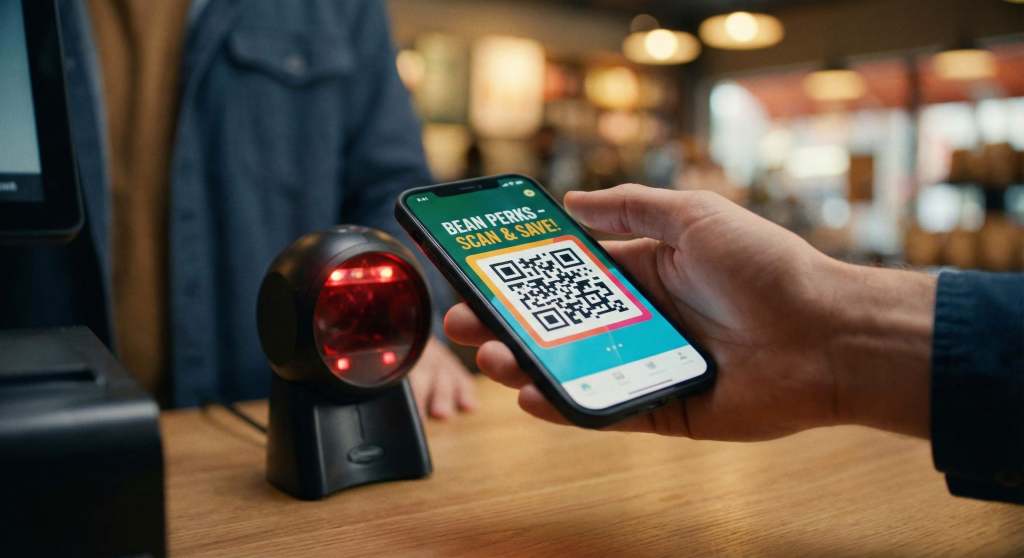
2. Technology & Loyalty Integration
If you are still using paper coupons or just verbally honoring a deal, you are leaving money on the table. Food holidays in the modern convenience store era are data-harvesting events. The “free” or discounted item is the cost of customer acquisition.
The App-First Strategy
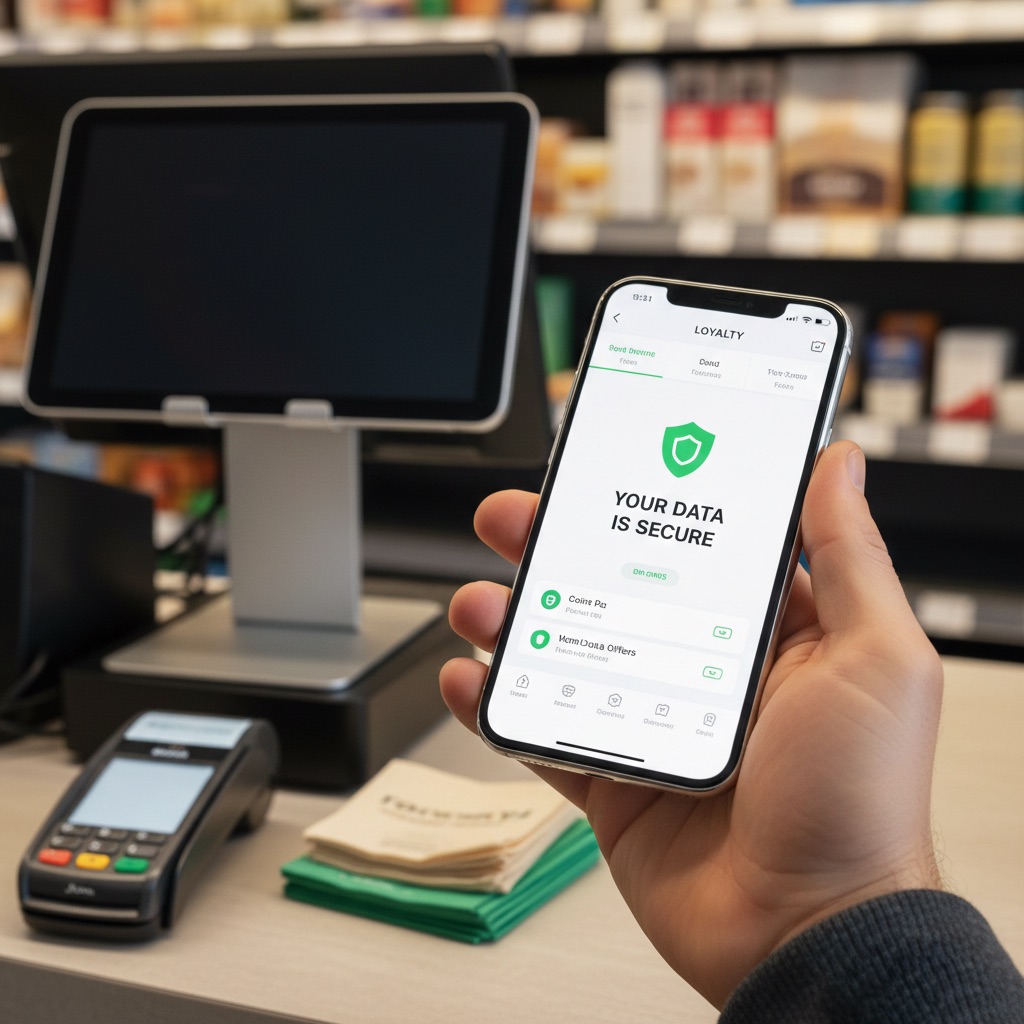
All “free” offers should ideally require a scan of your loyalty app or a check-in at the kiosk. This transitions an anonymous fuel customer who pays at the pump into a known digital user. Once they are in your ecosystem, you own the data. You know what they bought when they bought it, and how often they return.
Retargeting and Retention
The promotion doesn’t end when the customer walks out the door. If a customer redeems a free coffee on September 29th (National Coffee Day) but hasn’t returned by October 15th, your system should automatically trigger a “We missed you” offer. This is how you turn a one-time holiday visitor into a daily regular.
Geofencing
This is a tactic that aggressive operators are using with great success. On a specific food holiday, you can set up geofencing around competitor locations. For example, on National Coffee Day, you can geofence the parking lot of the Starbucks down the street. When a customer enters that zone, you can serve an ad to their mobile device offering “Free, Faster Coffee” at your location. It’s competitive, it’s targeted, and it works.
What You Should Be Doing:
- Test Your QR Codes: One week before the event, print out the test codes and scan them at every register. Ensure the discount triggers correctly and the inventory deducts properly.
- Update Your App UI: Make the food holiday offer the very first thing a customer sees when they open your app. Do not make them dig for it.
- Set Up Geofencing Ads: Allocate a small budget ($50-$100) to test geofencing ads around high-traffic competitors on the day of the event.
- Capture the Data: Ensure your POS is set up to tag these transactions specifically, so you can run a report later on exactly how many “Holiday Promo” items were sold versus standard sales.
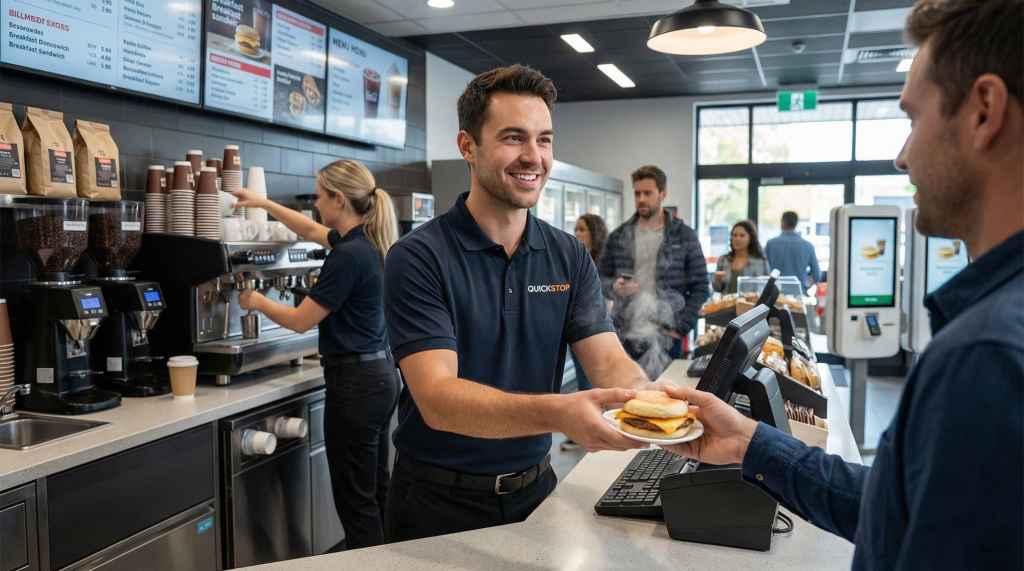
3. Staff Training & Engagement
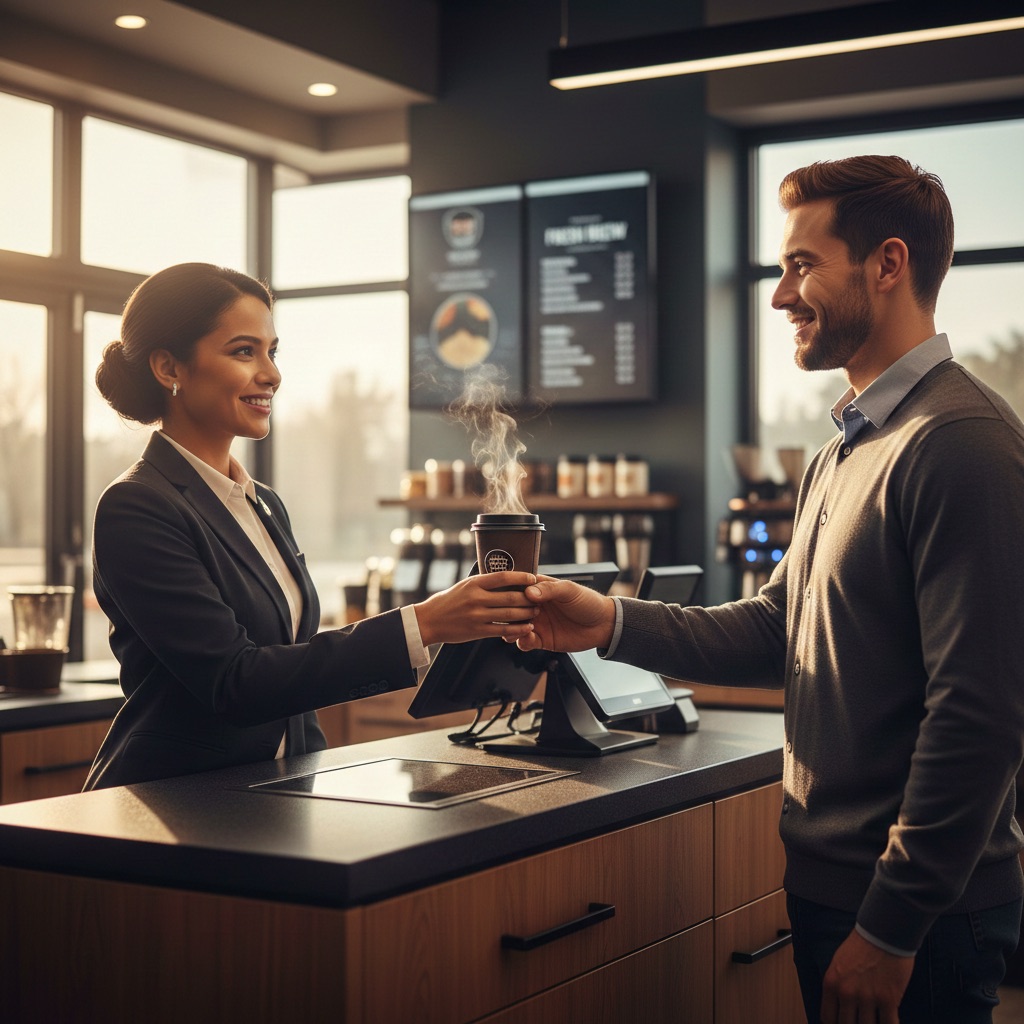
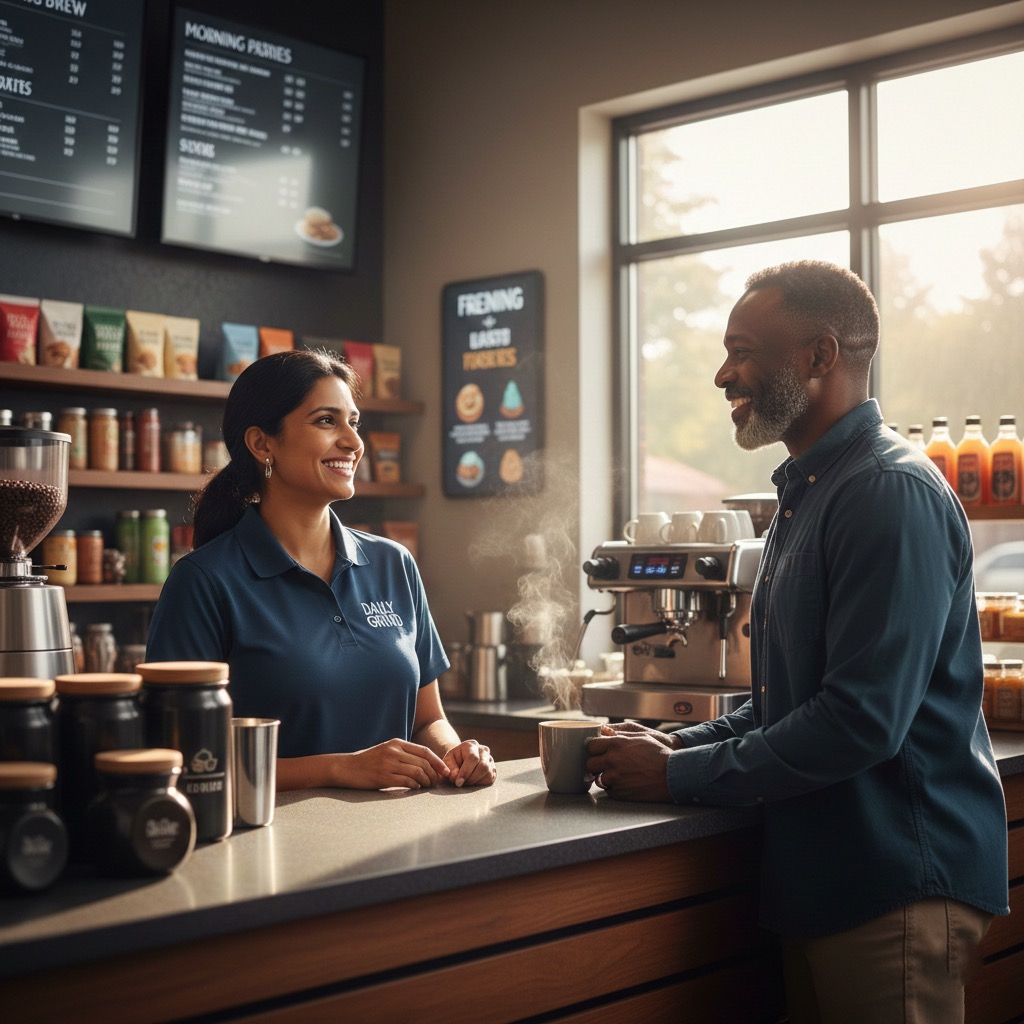
Your frontline staff are the face of the promotion. You can have the best inventory levels and the slickest app, but if the cashier doesn’t know about the deal or seems annoyed by it, the promotion fails.
The “Why” Matters
Explain to your team why you are doing this. It’s not just to give away free stuff and make their shift busier. It’s to bring in new customers who pay their wages. When they understand the goal is growth, they are more likely to buy in.
Scripting and Upselling
You need to train your staff to upsell, but it has to feel natural. A simple script is your best friend here. For example: “Happy National Pizza Day! Since you’re getting a slice, would you like to add a large fountain drink for just $1?”
This simple question can increase beverage attach rates by double digits. It turns a low-margin food transaction into a higher-margin basket.
Internal Contests
If you want your staff to push a product, gamify it. Run a contest for the shift that sells the most LTO items. You could also hold a contest for the individual store employee who secures the most app downloads during the holiday. A $50 gift card or a cash bonus creates a level of engagement that a “Please do this” memo never will.
What You Should Be Doing:
- Conduct Pre-Shift Huddles: On the day of the event, every shift change should include a 2-minute briefing on the promo mechanics, the PLU codes, and the upsell script.
- Assign a “Runner”: Designate one employee per shift as the “runner.” Their sole job is to restock cups, lids, condiments, and grab-and-go items, so the register staff never has to leave the counter.
- Create Cheat Sheets: Tape a small cheat sheet next to the register with the PLU codes for the promo items and the troubleshooting steps if the app scan fails.
- Celebrate the Wins: If the morning shift crushed it, text the afternoon shift and let them know the number to beat. Keep the energy high.
The Bottom Line: Operational Excellence
Operational excellence is what separates the top-tier chains like Wawa, QT, and Kwik Trip from the average corner store. The average store puts up a sign and hopes for the best. The top-tier store calculates safety stock, integrates their digital platforms, and trains their team to execute flawlessly.
When you combine the marketing strategies, we discussed in previous posts with the operational rigor we covered today; you build a machine that prints money. It stops being about “surviving” the rush and starts being about maximizing every single second of it.
We have covered a lot of ground in this series. In our final post, Part 7, we are going to bring it all together. I will provide a comprehensive summary of the entire framework and leave you with a final call to action to set your strategy for the year ahead.


 The5For
Leave a comment