Transforming Your Aisles into a Destination for the 2026 Shopper
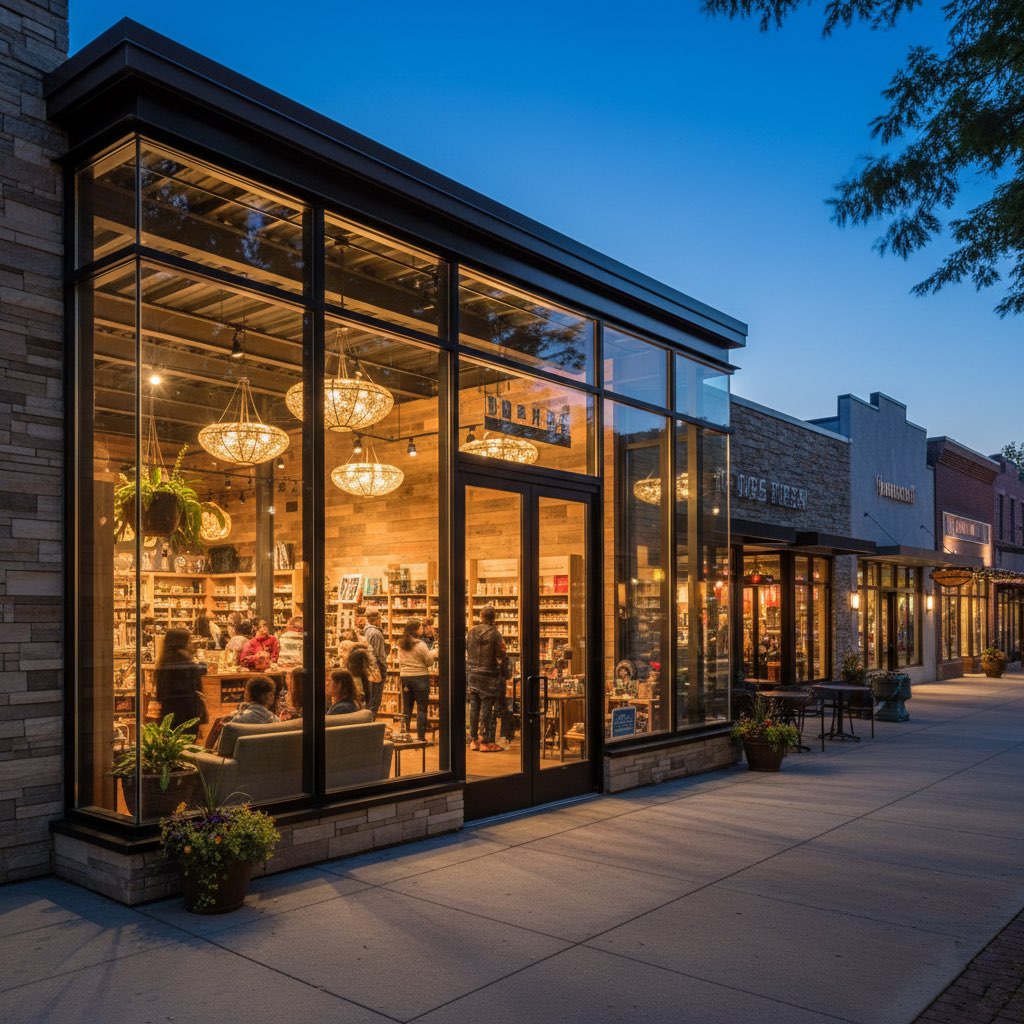
If you’ve been operating a convenience store for more than a decade, you know the old playbook by heart: get them to the pump, hope they come inside for a pack of smokes or a soda, and maybe they’ll grab a bag of chips on impulse. For years, that model worked. But as we look toward 2026, everything is different. I’m here to tell you that the playbook hasn’t just changed. It’s been rewritten entirely. The era of the “gas station that sells snacks” is ending. We are entering the era of the “convenience destination.”
The structural economics of our industry are shifting beneath our feet. With fuel efficiency rising and electric vehicle adoption slowly chipping away at gallon volume, the forecourt is no longer the guaranteed traffic driver it once was. Simultaneously, tobacco sales continue their structural decline. This leaves the “center store”, your dry grocery, salty snacks, and packaged beverage aisles, as the new engine of your enterprise’s value. But this isn’t just about swapping products; it’s about adapting to a fundamentally different consumer.
The shopper of 2026 is biologically different (thanks to GLP-1 medications). They are technologically augmented (using AI agents to shop). Additionally, they are psychologically craving “affordable indulgence” in a complex economic landscape. In this seven-part series for The 5 For, I am going to guide you through the massive transformation hitting our center aisles. We will move beyond the buzzwords and look at the concrete data driving these changes.
Over the next several weeks, we will dissect the top five trends that will define profitability in 2026. These trends include the “Proteinification” of snacking, the explosion of “Swicy” and global flavors, and the rise of the “Phygital” store. The reinvention of Private Label and the dominance of “Mini-Meal” merchandising are also key. By the end of this series, you won’t just understand these trends; you’ll have a tactical roadmap to implement them and increase your basket size.
The 2026 Landscape: A Strategic Overview
Before we dive into the specific trends in future posts, we need to understand the battlefield. The center store of 2026 is no longer a graveyard of dusty cans and basic chips. It is a strategic environment where health, technology, and experience converge.
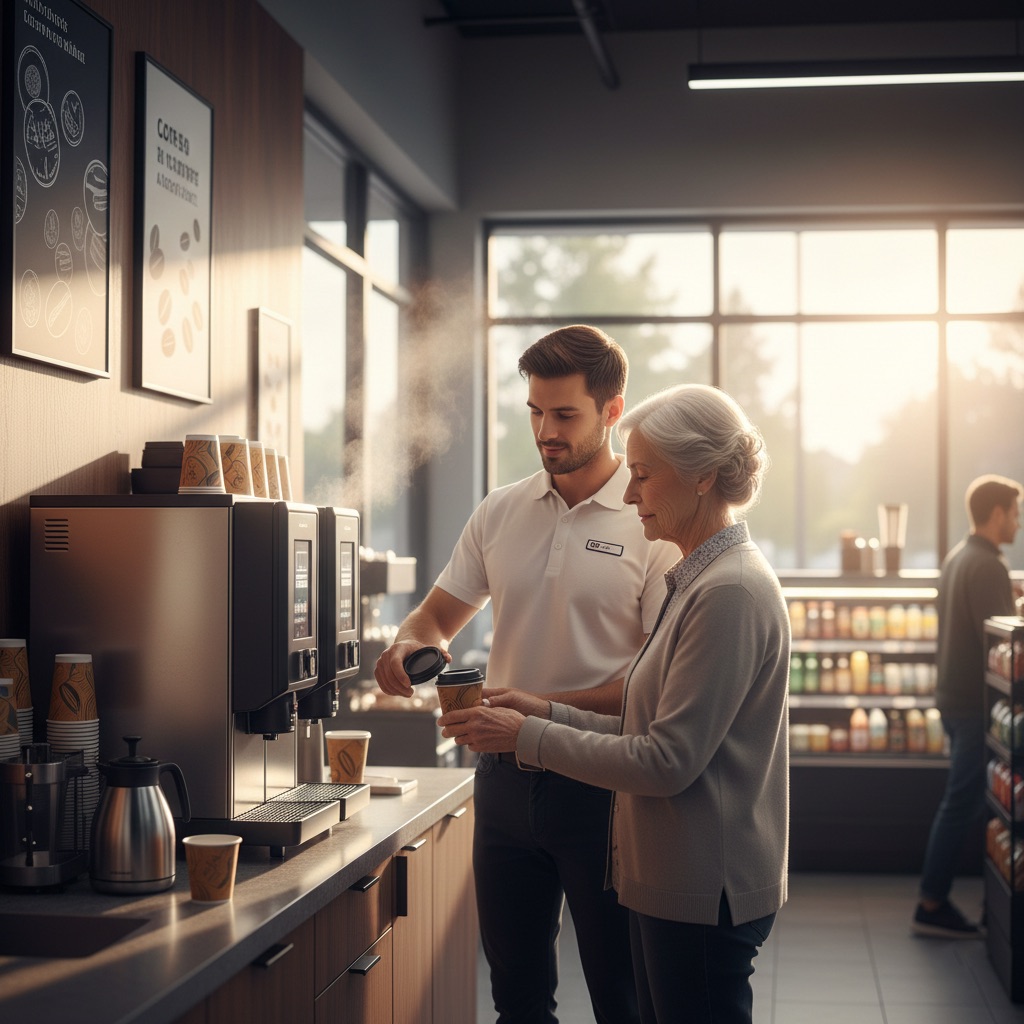
The most successful operators in 2026 will view their center aisles not as storage for inventory, but as a stage for engagement. The consumer visiting you is shopping more strategically. They are making fewer trips, but they are willing to spend more per trip if, and only if you offer high-quality, functional, and exciting products. They are looking for “micro-adventures” in the candy aisle and “functional fuel” in the snack rack.
Here is a high-level look at the five pillars we will be exploring in this series, and why they matter to your bottom line right now.
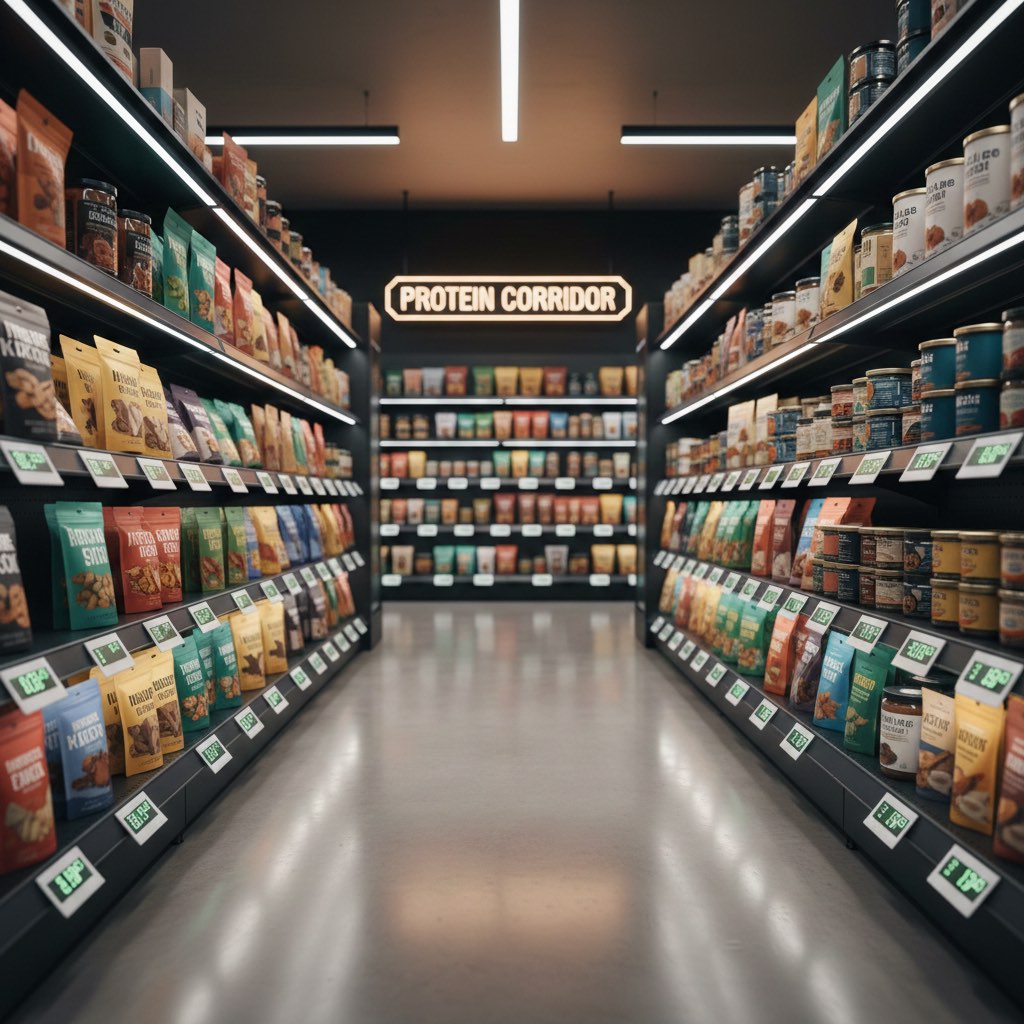
1. The “Proteinification” of Snacking
The first major shift is biological. The widespread adoption of GLP-1 weight-loss medications is altering the American appetite. Consumers are moving away from high-volume, empty-calorie snacking toward nutrient-dense, high-protein options that provide satiety.
In 2026, your “healthy” section can’t just be a dusty corner with a few granola bars. It needs to be a “Protein Corridor” featuring premium meat snacks, cheese bites, and high-end tinned fish. GLP-1 users spend less on food overall but more on high-quality protein. You need to capture that premium spend.
2. “Swicy” and Global Flavor Exploration
The palate of the 2026 shopper, led by Gen Z and Gen Alpha, is bored by basic BBQ. They demand complexity. We are seeing the dominance of “Swicy” (sweet + spicy) profiles, alongside global heat trends like “Mala” and “Gochujang.”
Snacking is becoming a form of affordable travel and emotional release. Unique flavors drive destination traffic. If you are the only store in town with a specific “Hot Honey” jerky or “Chili-Mango” gummy, you own that customer’s loyalty.
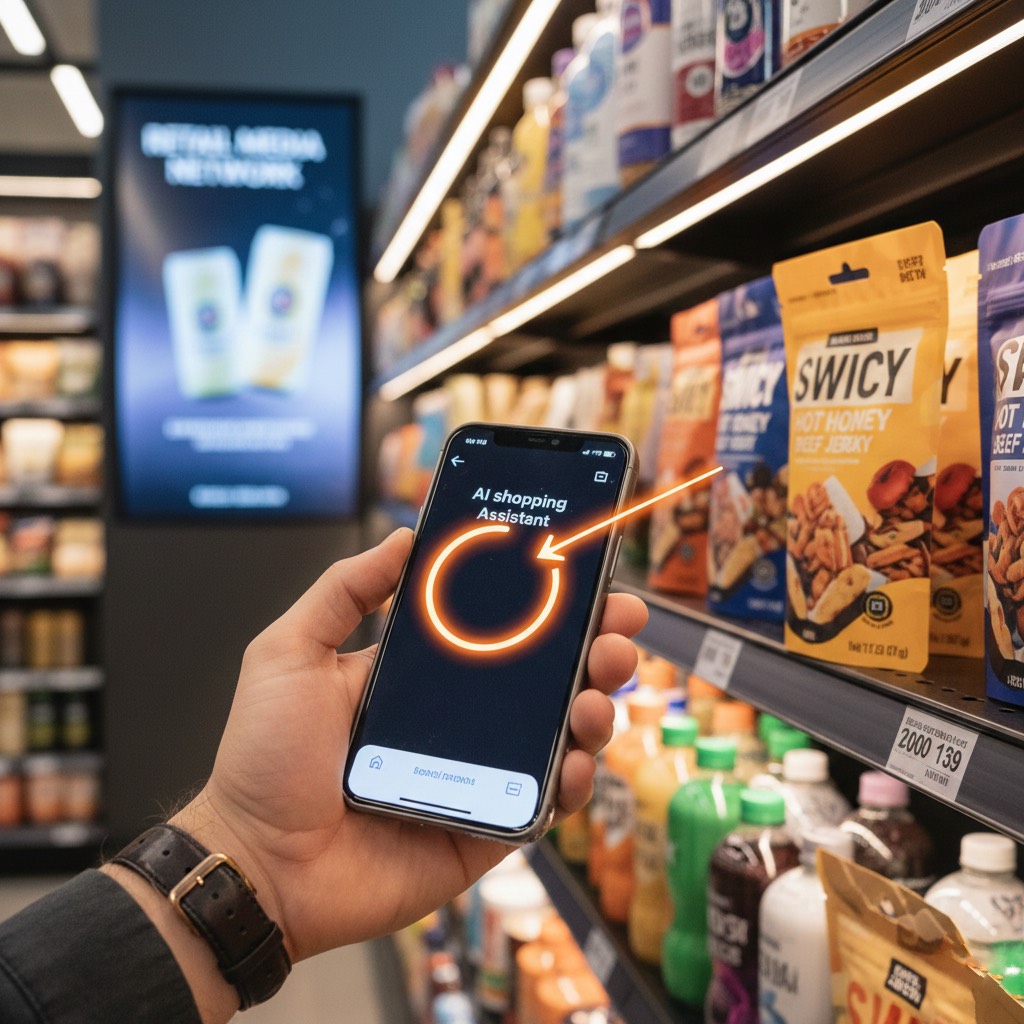
3. The “Phygital” Center Aisle
The line between physical retail and digital commerce has dissolved. By 2026, your physical shelf needs to “speak” to digital devices. This involves Electronic Shelf Labels (ESLs) for dynamic pricing and Retail Media Networks (RMNs) that serve ads to customers at the point of decision.
We are also preparing for “Agentic Commerce,” where AI assistants will search your inventory for products before the customer even leaves their house. Digitizing your shelf unlocks new revenue streams and operational efficiencies.
4. “Premiumization” of Private Labels
Store brands are no longer the “cheap generic” alternative. In 2026, they are the boutique option. Retailers are launching “lifestyle” private labels, artisanal snacks, premium waters, and clean-label goods. These products offer better margins for you and better quality for the consumer.
Private label is your margin shield against inflation and your primary tool for brand differentiation.
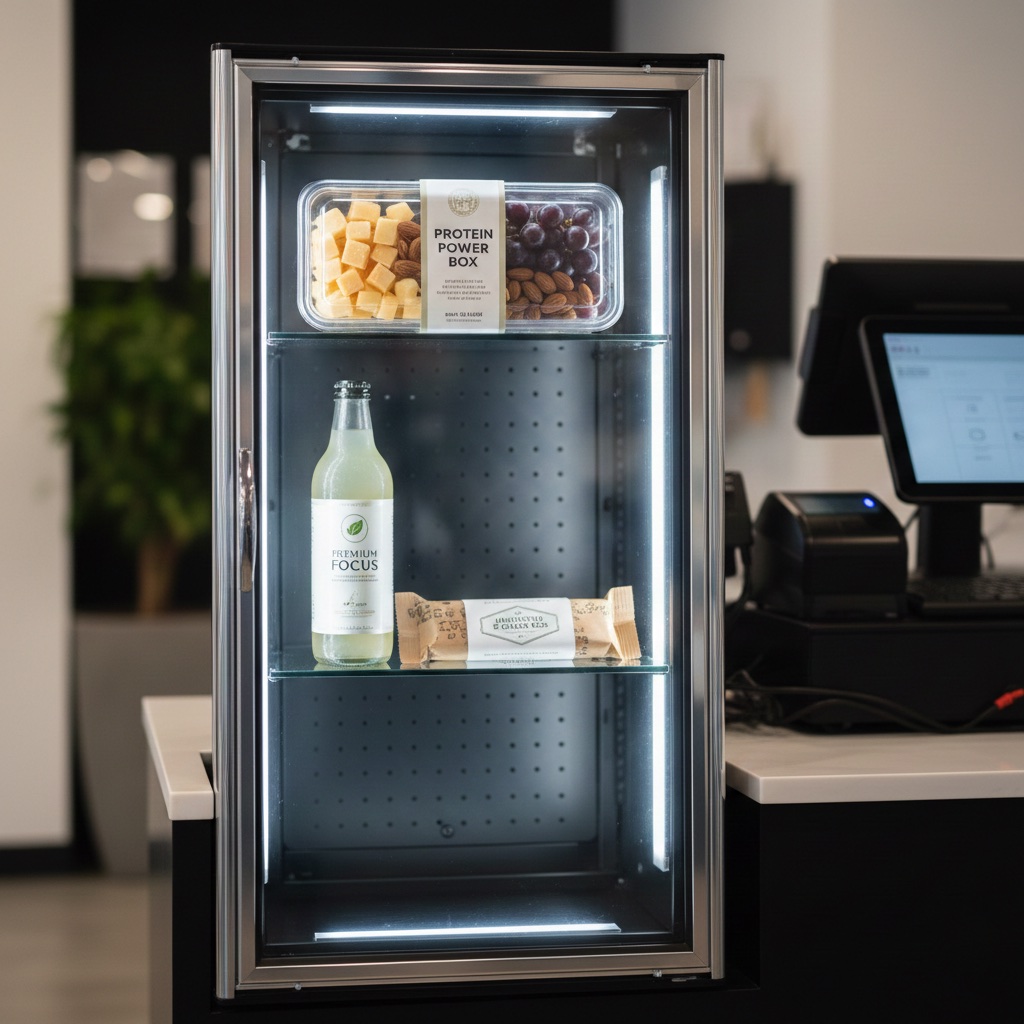
5. The Rise of “Mini-Meal” Merchandising
The concept of “three square meals” is dead. The 2026 consumer eats 5-6 times a day, often on the go. They are looking for “mini meals”, bundles of items (a drink, a protein, a snack) that act as a lunch or dinner replacement.
Merchandising “bundles” instead of single units is highly effective. It significantly increases basket size in a low-volume environment.
What You Should Be Doing: Strategic Preparation
While we will get into specific tactics for each trend in the upcoming posts, you cannot wait to start shifting your mindset. Here is your homework to prepare for the changes ahead:
- Audit Your “Health” SKU Performance: Pull data on your current “healthy” or “protein” SKUs. Are they growing? If not, is it because of the product or the placement? Identify “dead zones” where dusty inventory sits; this is the space you will reclaim for high-growth categories.
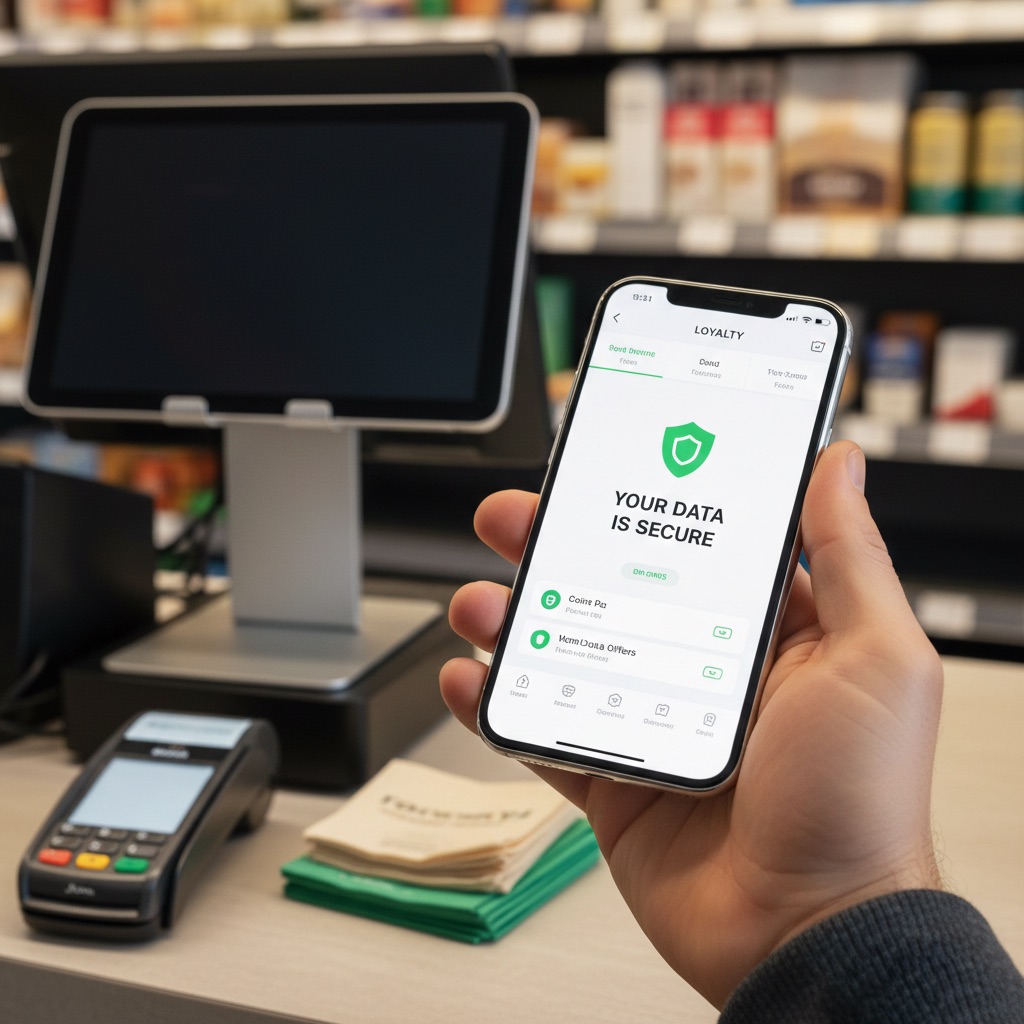
- Evaluate Your Technology Infrastructure: Assess your current POS and shelving capabilities. Are you ready for digital shelf labels? Do you have a loyalty program that can capture actionable data?
- Start Vendor Conversations: Ask your vendors about Retail Media opportunities. Specifically ask: “How can we partner to show digital ads or sponsored placements in my store?”
- Analyze Your Private Label Mix: Look at your current private label penetration. Is it just water and bagged candy? Compare your margins on national brands vs. your distributor’s private label offerings to find expansion opportunities.
- Observe Your “Lunch Rush” Basket: Stand by the counter during lunch. Are people buying a single item, or are they building a “kit”? Note what items are frequently bought together to inform your future “Mini-Meal” bundles.
The Bottom Line: Be Resilient
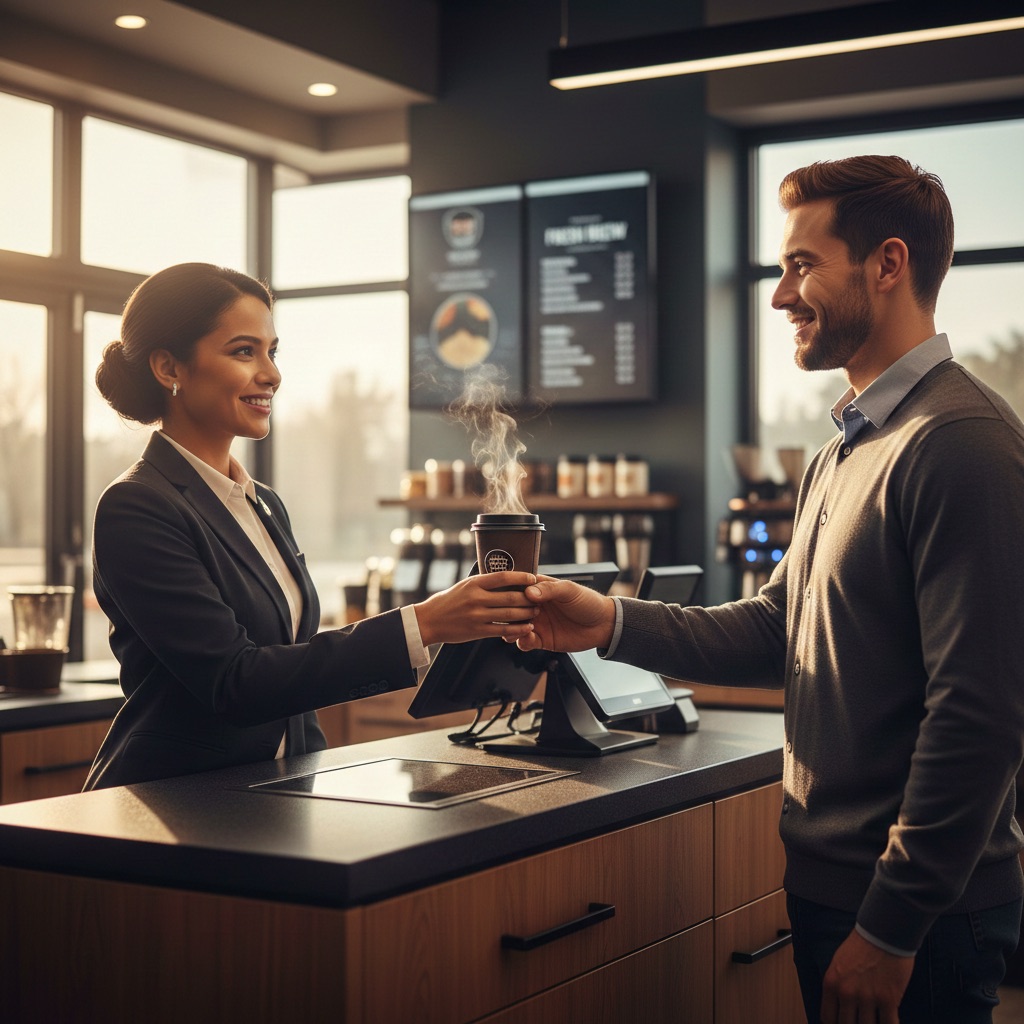
The convenience store industry is resilient. We have survived the death of leaded gas, the rise of hypermarkets, and the digital revolution. But the shift to the 2026 model requires more than just resilience; it requires proactive reinvention. The center store is your new battleground, and the weapon of choice is no longer just “location, location, location”; it is “selection, experience, and connection.”
In this series, we are going to arm you with the insights you need to win that battle. We will turn your center aisle from a pass-through zone into a profit center. We’ll help you understand the nuances of the modern shopper and how to adjust your inventory to meet their evolving needs.
Get ready to clear some shelf space because everything is about to change. In our next post, we will tackle the single biggest nutritional shift of our lifetime and what it means for your inventory. Join me for Part 2: The Proteinification of Snacking. We’ll discuss why the “casual athlete” is your new most valuable customer. We will also talk about the GLP-1 user as your new most valuable customer.

 The5For
Leave a comment