Merchandising for the Metabolic Consumer

In our previous post, we established that the 2026 convenience store is no longer just a pit stop; it’s a destination. We outlined the macro-forces reshaping our industry, from the decline of fuel visits to the rise of digital commerce. We discussed how the modern operator must pivot from being a commodity seller to a solution provider. But today, we are going to zoom in on the single most disruptive force hitting your snack aisle: the biological transformation of your customer.
For decades, the “center store” snack strategy was simple: salt, sugar, and empty calories. It was about hedonism and impulse. But the landscape has shifted violently. The mainstream adoption of GLP-1 weight-loss medications, like Ozempic and Wegovy, plays a significant role. A broader cultural pivot toward metabolic health also influences this change. As a result, the modern shopper is no longer looking for a sugar crash. They are looking for functional fuel.
This trend is called “Proteinification.“ In 2026, protein is not just for bodybuilders; it is the primary currency of satiety for the everyday consumer. Research indicates that households using GLP-1 medications are actively shifting spend away from high-carb, sugary categories. They are doubling down on protein-rich, fiber-dense options to maintain muscle mass while losing weight.
If your shelves are still stocked like it’s 2015, heavy on chips and light on quality meat and cheese, you are actively repelling your most valuable demographic. In this post, we will show you how to transform your snack aisle into a “performance pharmacy.” This change aims to drive higher basket averages. It also accommodates the trend of decreasing caloric consumption. You will learn how to curate a high-margin protein mix and why “seacuterie” might just be your next big winner.
The Science of the Shift: Why Volume is Down but Value is Up
The “Ozempic Effect” is real, but it’s often misunderstood by many in the retail space. Yes, these consumers eat less volume. However, because they eat less, every calorie counts more. They are hyper-selective and increasingly discerning.
They aren’t looking for a $2 bag of corn chips that leaves them feeling lethargic. They are looking for an $8 tin of premium fish. Alternatively, they might choose a $4 meat stick that promises clean ingredients and high protein. This is a massive opportunity for margin expansion. The GLP-1 user is less price-sensitive regarding food quality because they view food as medicine.
They are looking for “satiety per dollar,“ not “calories per dollar.” This means you can replace low-margin, high-volume junk with high-margin, premium protein SKUs. Even if you sell fewer units, the higher price point and better margins of functional snacks can lead to a more profitable basket.
The Evolution of Meat Snacks: Sticks vs. Bites
The meat snack category is the anchor of the proteinification trend, but the category is undergoing a facelift. The days of the greasy, unidentifiable “meat rod” are fading into the past.
- The Rise of “Bites”: While traditional sticks remain staples, “meat bites” are the fastest-growing segment. Bites offer portion control, which is essential for the metabolic consumer. A customer can eat a few for a quick protein hit without committing to a whole package, aligning perfectly with “mini-meal” behavior.
- Clean Labels are Non-Negotiable: Today’s shopper flips the package. If they see nitrates, artificial colors, or MSG, they often put it back. You need brands that scream “All Natural,” “Grass-Fed,” or “Zero Sugar” on the front of the pack to build immediate trust.
The “Seacuterie” Revolution: Tinned Fish Goes Mainstream
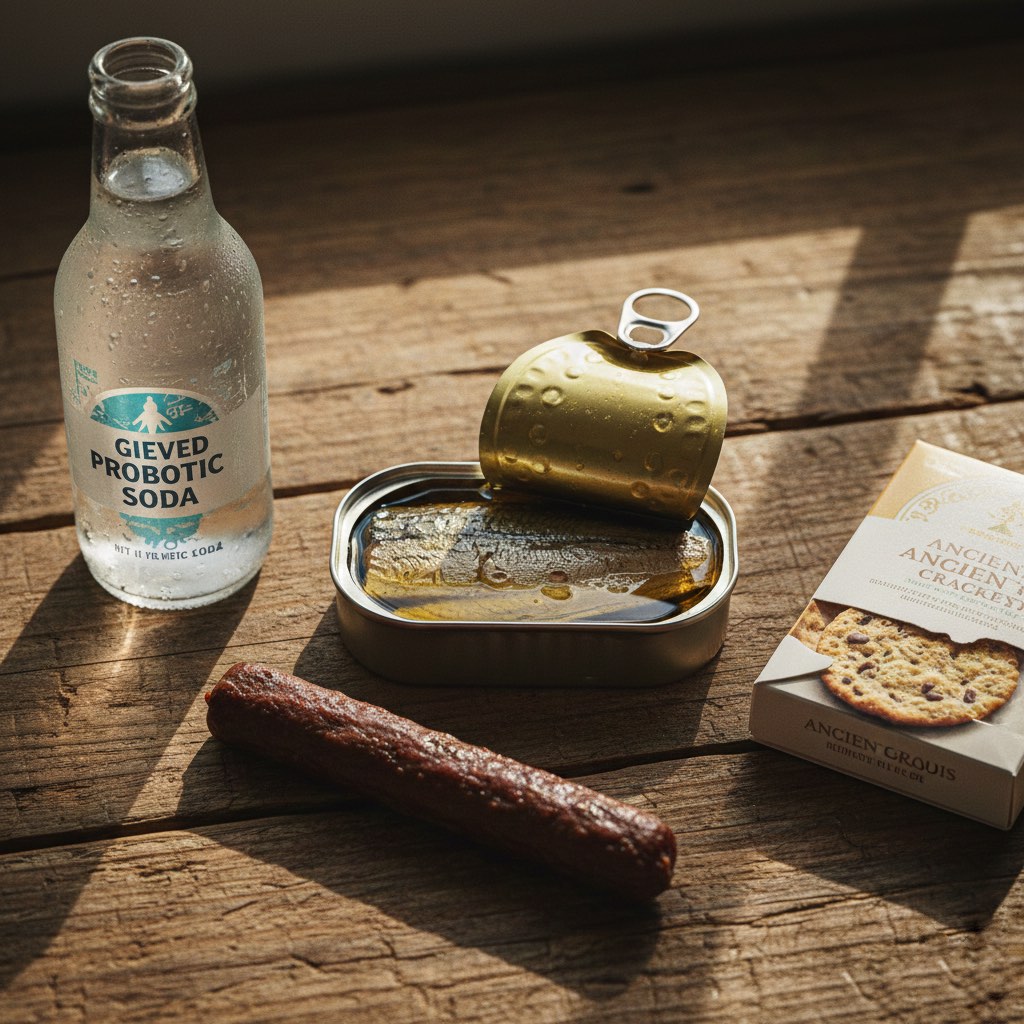
Perhaps the most surprising trend of 2026 is the explosion of tinned fish in convenience retail. Sardines, mackerel, and smoked trout were once relegated to dusty bottom shelves. Now, they are premium delicacies thanks to viral social media trends like “tinned fish date night.”
- Affordable Luxury: Brands have rebranded tinned seafood as “seacuterie.” These aren’t survival rations; they are gourmet experiences packed in premium olive oil and colorful, gift-worthy boxes.
- The Health Halo: Rich in Omega-3s and protein, tinned fish is the perfect food for the health-conscious commuter. Stocking these items sends a powerful signal that your store is a sophisticated food destination.
What You Should Be Doing
To capture the metabolic consumer, you cannot just sprinkle these items randomly throughout the store. You must be intentional with your merchandising.
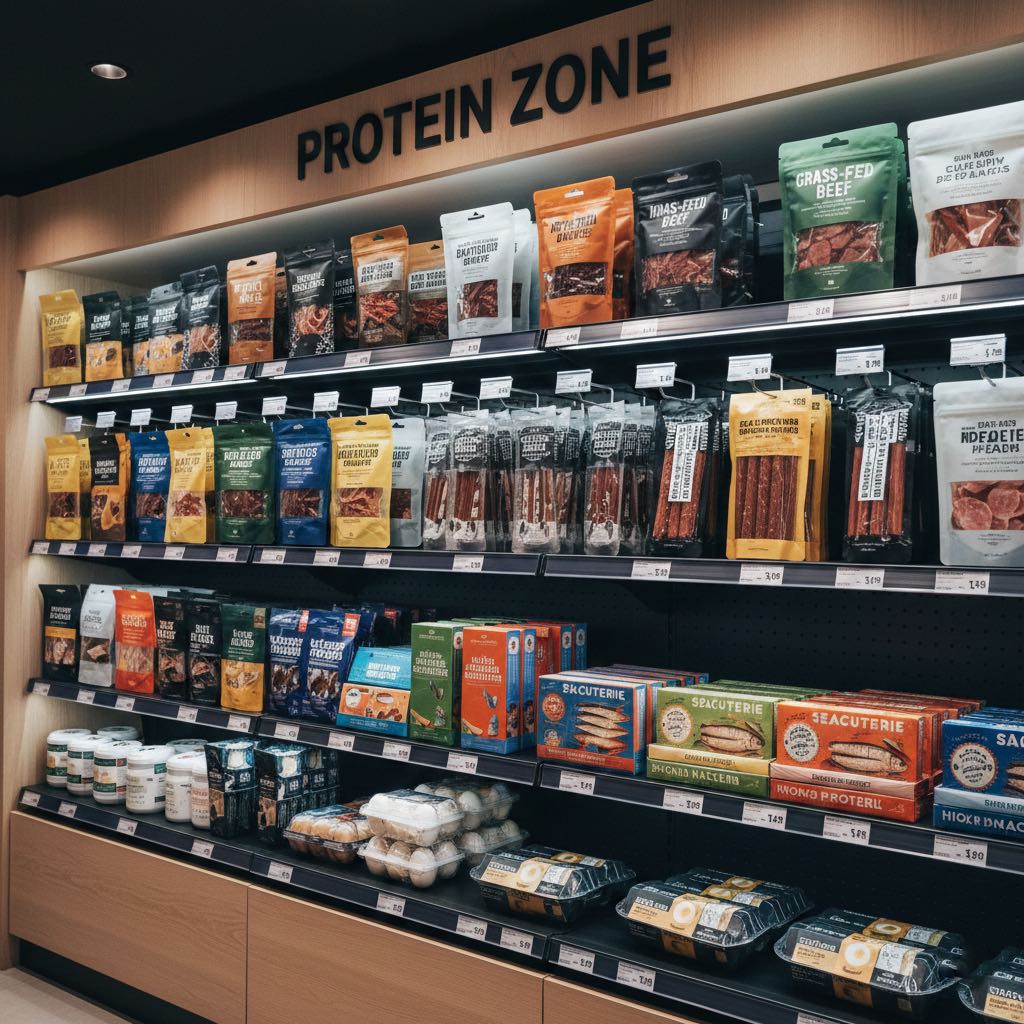
- Create a “Protein Zone”: Consolidate your meat snacks, cheese bites, hard-boiled eggs, and tinned fish into a specific “high-performance” section.
- Use Functional Signage: Use shelf talkers that highlight “High Protein,” “Keto Friendly,” or “GLP-1 Friendly” rather than just brand names.
- Audit Your Ingredients: Look at your current meat snack planogram. Eliminate the bottom 20% of performers that have “dirty” labels and replace them with premium, clean-label alternatives.
- Introduce “Seacuterie” Endcaps: Test a small endcap featuring premium tinned fish, high-end crackers, and sparkling water. Position it as a “Power Lunch.”
- Bundle for Satiety: Pair a high-protein meat stick with a functional beverage (like a probiotic soda) for a “Metabolic Boost” bundle deal at a set price point.
The Bottom Line: Be A Wellness Supporter
The “Proteinification” of snacking is not a passing fad; it is a structural adjustment to how America eats. As medications and health consciousness change the biological needs of our customers, our inventory must follow suit. By shifting your center aisle inventory from empty calories to functional fuel, you align your business with the health goals of your customers.
You turn a “guilty pleasure” visit into a “wellness-supporting” visit. This build-up of trust is what creates long-term loyalty. When a customer knows they can find a clean, high-protein snack at your location, you become their first choice. The competitor down the street is still stuck in the “sugar and salt” era.
But protein is only half the equation. While customers want health, they also crave excitement. Their palates are becoming more adventurous, seeking complex, global flavors that deliver a sensory punch without the caloric load. In our next post, we will look at how the “Flavor Revolution” is changing the game.
In Part 3: “Swicy” & Global Flavor Exploration, we will discuss how “Newstalgia” and the mix of sweet and heat are redefining the candy and chip aisles. We’ll look at how to use bold flavors to keep customers coming back for more. See you there!



 The5For
Leave a comment