The Bridge Between Clicks and Bricks
In our previous installment, we took a deep dive into the 2026 Flavor Revolution, exploring how “Swicy” profiles and global spices are no longer “niche” but necessary for survival. We discussed the importance of adapting your assortment. This will help meet these bold palate shifts. It’s the first step in refreshing your center store. But even the most innovative flavor profiles can go unnoticed if your shelves remain stuck in the analog era.
Your shelves may look great, and your protein selection might be upgraded, but in 2026, a static shelf is a dying shelf. Welcome to the age of the “Phygital” store, a world where the physical reality of your retail space merges seamlessly with the digital world of data, media, and real-time engagement.
For years, “retail tech” in the convenience channel was a boring conversation. It was often about slightly faster credit card readers. Sometimes it was regarding a loyalty app that half your customers forgot to download. Today, the conversation has shifted. We are looking at Electronic Shelf Labels (ESLs) that adjust pricing in milliseconds. Retail Media Networks (RMNs) turn your cooler doors into profit centers. “Agentic Commerce” allows AI assistants to do the shopping for your customers.
As a store owner, you might feel that this sounds like science fiction. I am here to tell you it is the current operational standard for high-performing chains. If your store is “dumb” and relies on static paper tags, you lack digital customer engagement. You are flying blind without data. Frankly, you are leaving significant money on the table. In this post, I’ll show you how to digitize your aisles to increase basket size and unlock new revenue streams you didn’t even know existed.
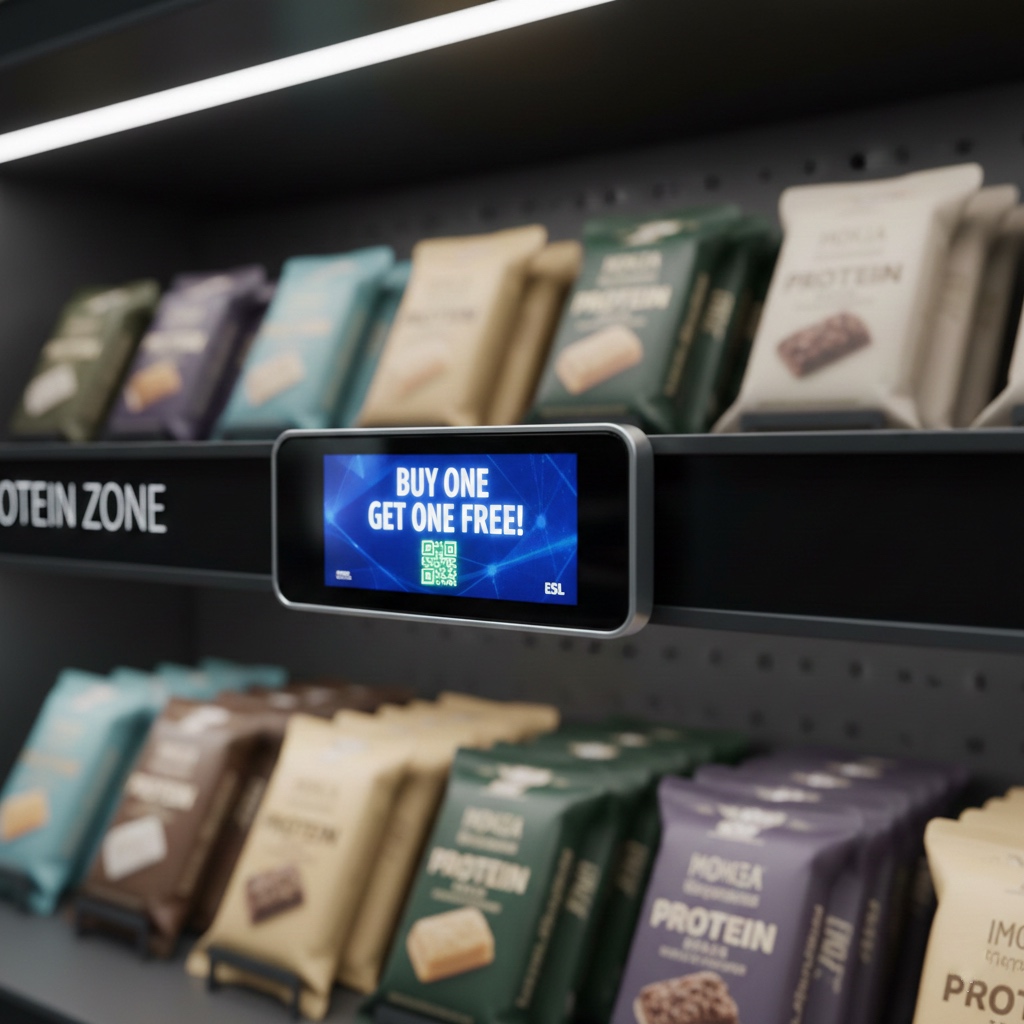
The Shelf That Speaks: Electronic Shelf Labels (ESLs)
The foundation of any “Phygital” strategy starts with the shelf edge. ESLs replace those frustrating, often-incorrect paper price tags with crisp, digital screens. While the initial investment can seem daunting, the ROI is multifaceted.
Dynamic Pricing and Agility
In a high-inflation environment, prices change fast. With ESLs, you can adjust prices across your entire store instantly. More importantly, you can utilize dynamic pricing. Imagine lowering the price of “Fresh To Go” sandwiches at 4:00 PM. This ensures they sell before the evening shift change. You could also run a “Happy Hour” promotion on hydration drinks during a local heatwave.
Operational Efficiency
Think about the labor hours your team spends squinting at tiny print and sliding paper tags into plastic rails. In 2026, labor is your most expensive line item. ESLs automate the pricing process, freeing your staff to focus on what actually drives revenue: cleaning the coffee bar, stocking the “Protein Zone,” and engaging with customers.
The Media Channel at the Edge
Modern ESLs aren’t just for prices. They are mini-billboards. They can flash “BOGO” offers, display “High Protein” badges for your new snacks, or provide QR codes that link directly to brand videos or digital coupons. It brings the “search and filter” experience of Amazon directly to your physical aisle.

Retail Media Networks (RMNs): Monetizing Your Foot Traffic
One of the most exciting shifts in B2B retail strategy is the rise of the Retail Media Network. Your store has something that brands like Coke, Pepsi, and Hershey are desperate for: targeted foot traffic.
The Concept of “Moment of Truth”
RMNs allow you to sell advertising space on your digital assets. You can also sell space on cooler doors, checkout screens, and even screens at the pump. Brands want to reach customers at the “moment of truth.” This is that split second when a hand reaches for a snack.
Pure Margin Revenue
The beauty of RMNs is that they provide a new revenue stream that is essentially 100% margin. You aren’t selling a physical product that you had to buy and store. You are selling the opportunity for a brand to talk to your customer. For a small-to-mid-sized operator, joining a larger media network or partnering with a tech provider can turn your “passive” fixtures into “active” profit centers.
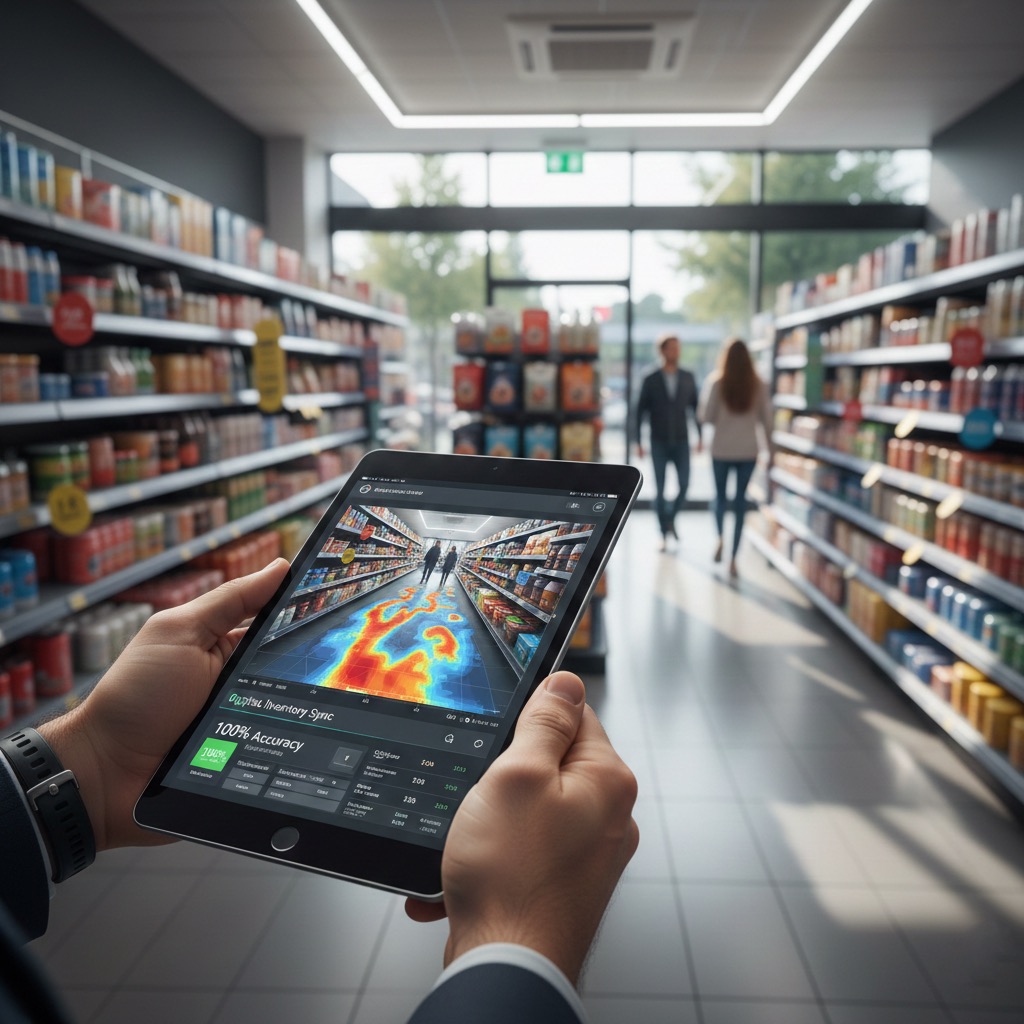
Preparing for the Era of “Agentic Commerce”
As we look toward the end of 2026, we see the rise of Agentic Commerce. This refers to AI “agents” (advanced versions of Siri, Alexa, or Gemini) acting on behalf of the consumer.
AI-Driven Shopping
A customer might say to their car’s AI, “Find me a keto-friendly snack and a sugar-free energy drink on my route home.” The AI doesn’t just Google it; it scans local inventory data.
The Need for Clean Data
To win this customer, the AI needs to “see” your store. If your inventory systems aren’t digitized and synced to the cloud, you don’t exist to that AI agent. Digitizing your center store isn’t just for the humans walking through the door; it’s for the digital bots that are increasingly making purchasing decisions for them.
What You Should Be Doing: Digitizing the Experience
- Audit Your Tech Stack: Evaluate your current Point of Sale (POS) system. Does it have an open API that can talk to ESL providers or inventory apps? If not, a tech upgrade should be on your three-year roadmap.
- Get Quotes for ESLs: Don’t let “sticker shock” stop you. Ask for a labor-savings analysis. Often, the reduction in man-hours spent on price audits and tag changes pays for the system within 18–24 months.
- Activate “Dead” Screens: If you have digital screens that are currently turned off or just showing “Welcome” loops, you are wasting prime real estate. Partner with a media provider to start running paid CPG advertisements immediately.
- Clean Up Your Digital Inventory: Ensure your store’s inventory is visible on third-party delivery apps like DoorDash or UberEats. This is the “training wheels” phase for being visible to future AI agents.
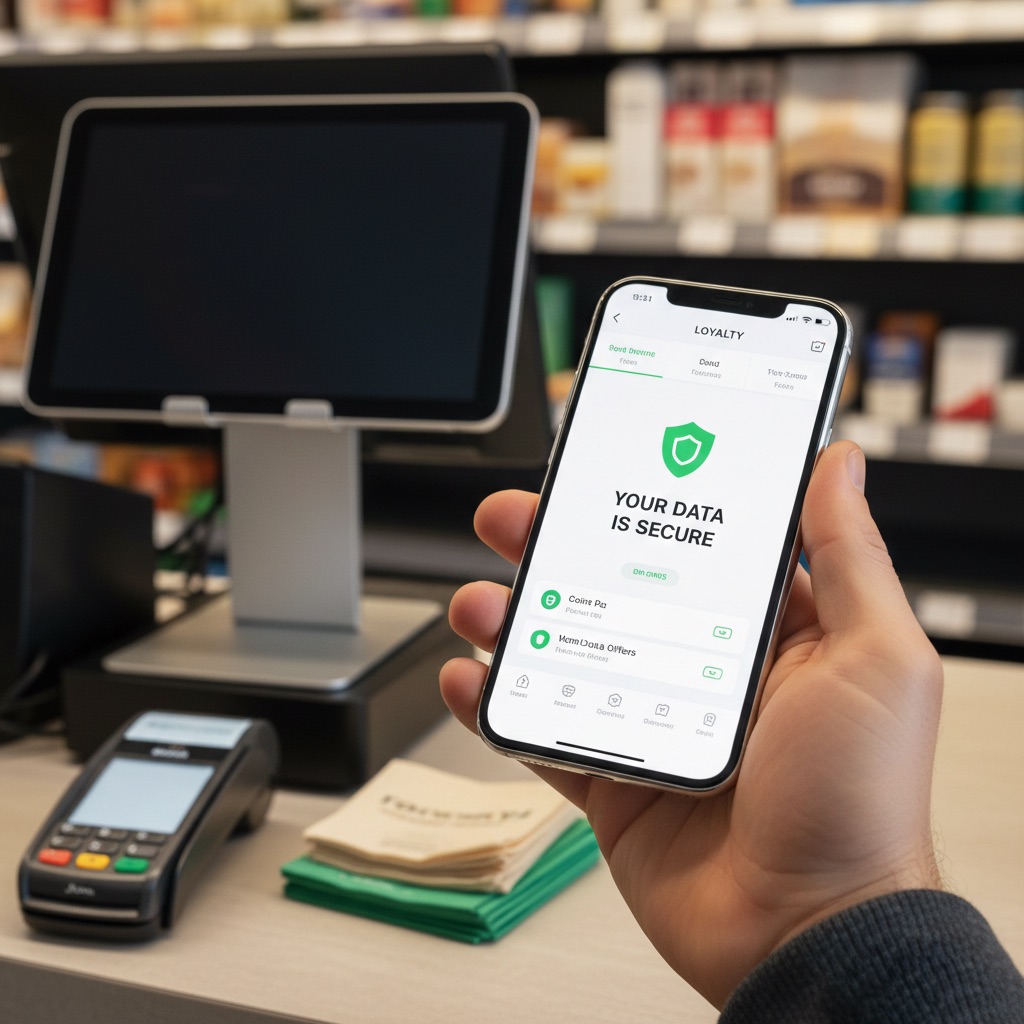
- Bridge the Gap with QR Codes: Place “Smart Labels” or QR codes on your new high-margin shelves (like the Protein Zone). Link them to a digital “Deal of the Week” to capture customer data and encourage repeat visits.
The Bottom Line: From Passive Warehouse to Active Sales Agent
The “Phygital” revolution is ultimately about connection. It’s about connecting the customer to the product through better information. It involves connecting the brand to the customer through targeted media. Finally, it connects your physical inventory to the vast digital ecosystem where modern shoppers live.
When you embrace these technologies, your store transitions from being a passive warehouse of goods. It starts acting as an active sales agent. You gain the ability to pivot your pricing in real-time, earn advertising dollars like a media mogul, and ensure that when an AI looks for a snack, it finds your store first.
However, technology and products are only two pieces of the puzzle. To truly dominate the market in 2026, you need a brand identity that stands on its own. You can’t just be the “local shop” that sells other people’s snacks; you need to offer something they can’t get anywhere else.
In our next installment, Part 5: The “Premiumization” of Private Labels, we will discuss why your store brand is your most powerful weapon against inflation and your best tool for building long-term customer loyalty. I’ll show you how to move past “generic.” You will start building a private label that customers will actually drive past your competitors to buy.

 The5For
Leave a comment