The Premiumization of Private Labels in 2026

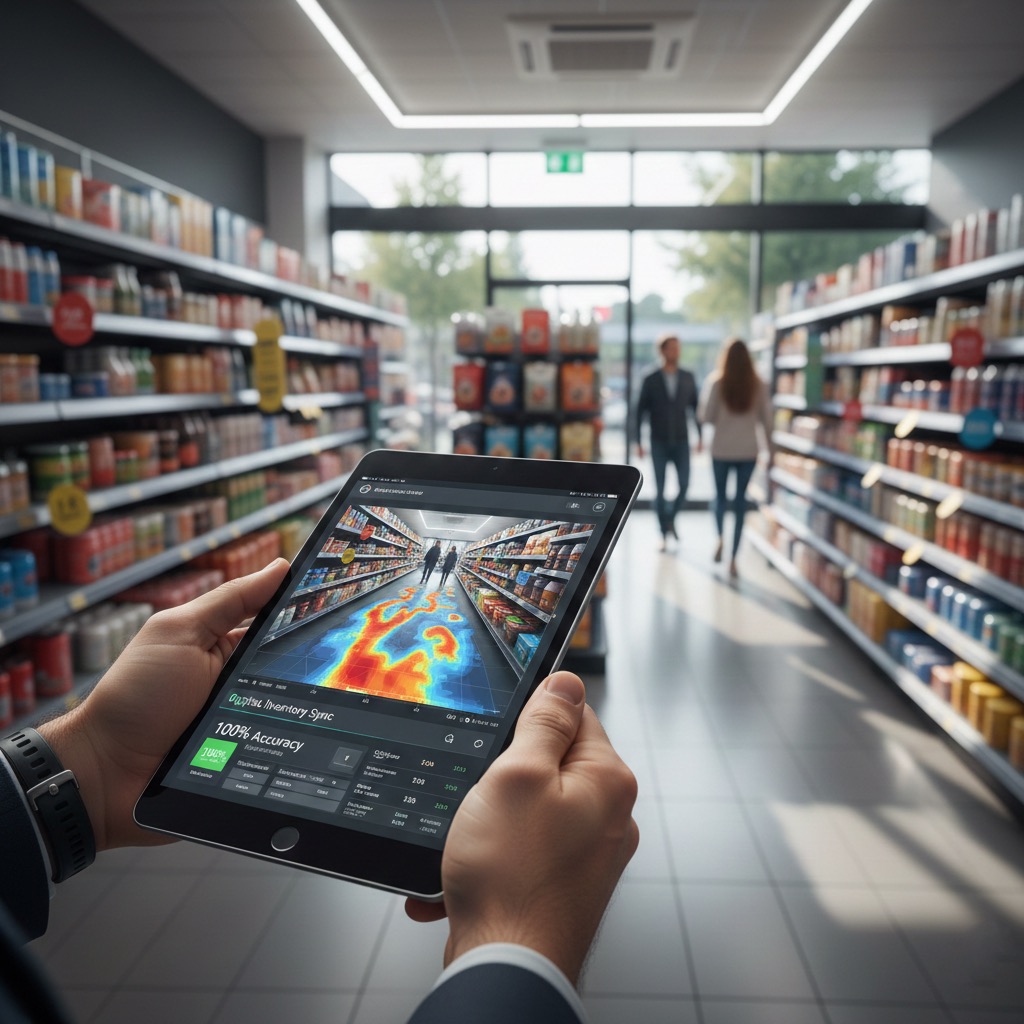
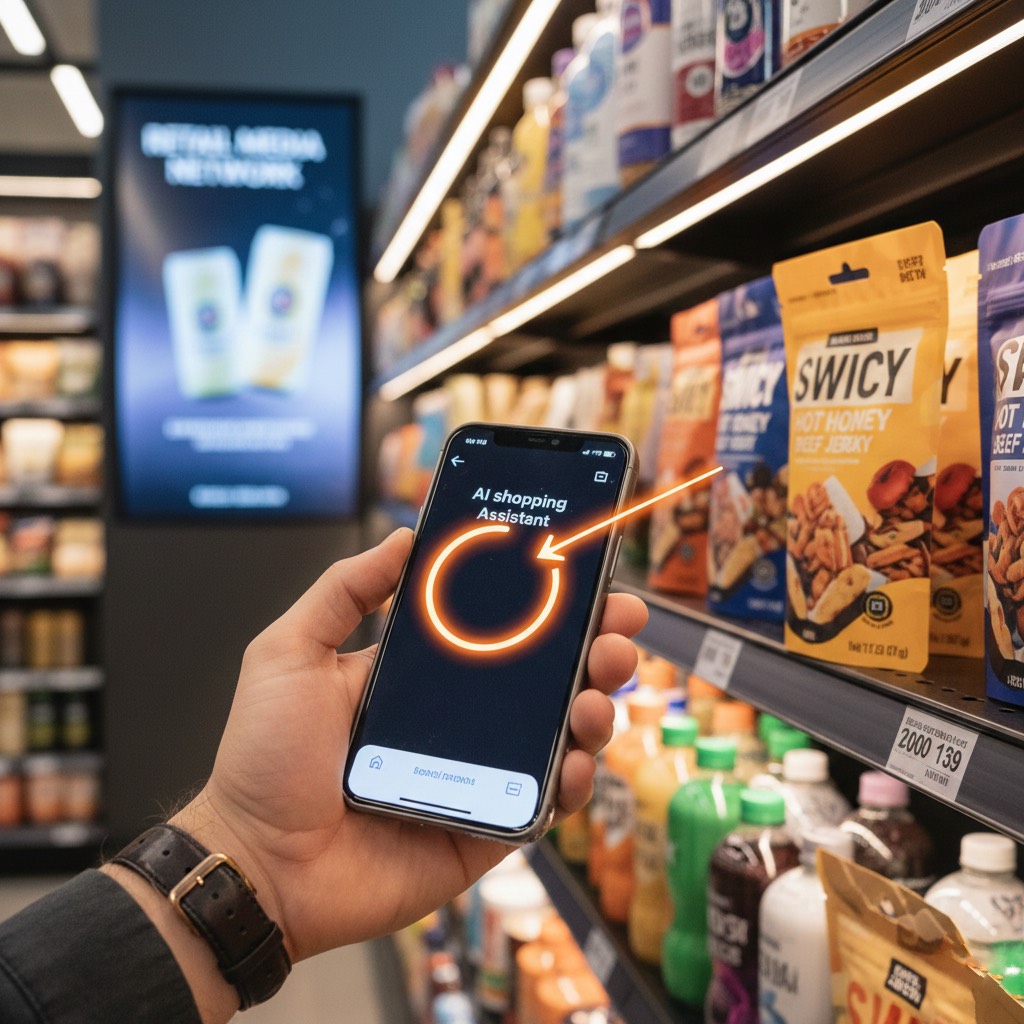
In our last post, we took a deep dive into the “Digital Shelf” and how technology is fundamentally reshaping how customers interact with your inventory before they even step through your doors. We saw that visibility is the new currency. But once that customer is standing in your center store, what are they reaching for?
For decades, “store brands” or private labels were the unloved stepchildren of the convenience industry. They were the “cheap” alternatives, plain packaging, basic ingredients, and a “good enough” taste profile designed for the budget-conscious shopper willing to sacrifice quality for a few cents. As we look toward 2026, I’m here to tell you that narrative is officially dead.
Private label has entered the era of “Premiumization.“
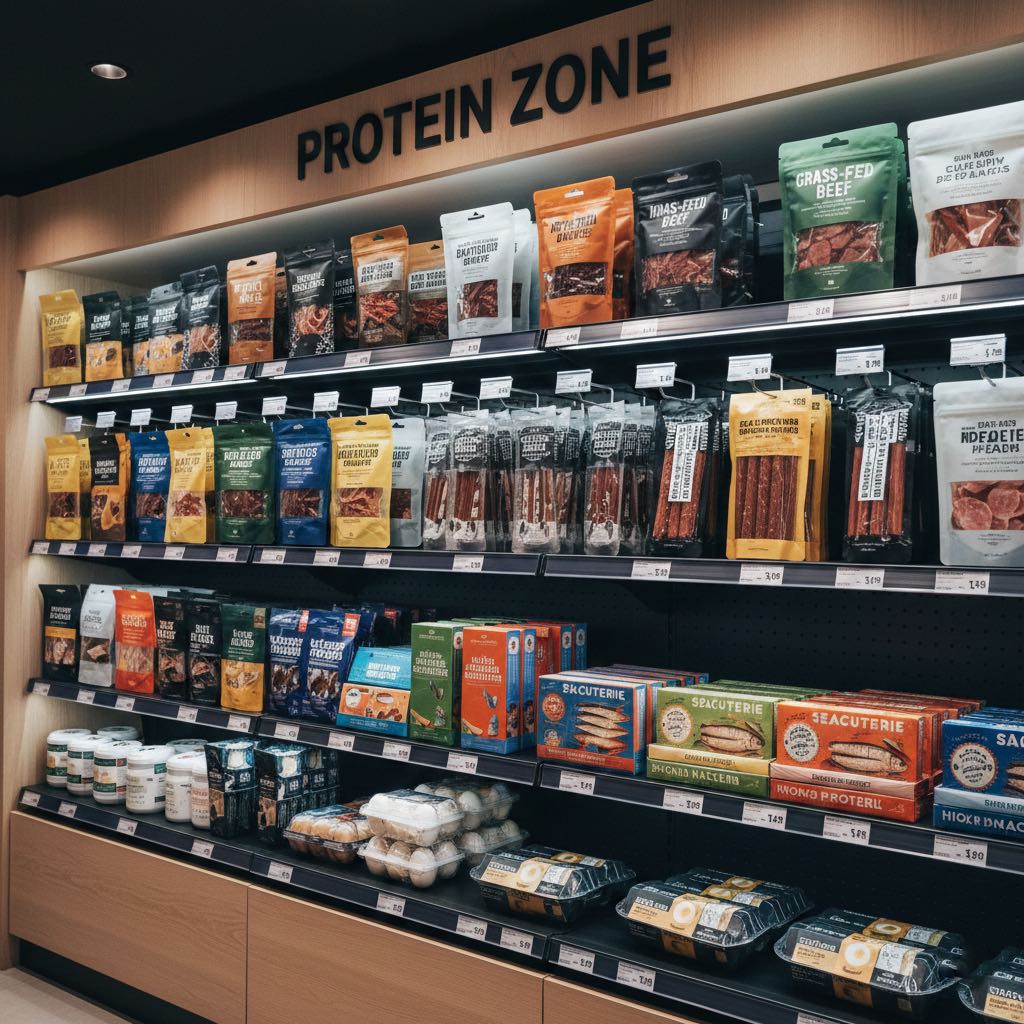
Retail giants like 7-Eleven (with 7-Select), Buc-ee’s, and Love’s Travel Stops have shattered the old glass ceiling. They’ve proven that a store brand isn’t just a placeholder; it can be a lifestyle brand. They are launching gourmet snacks, alkaline waters, and artisanal jerky that don’t just mimic national brands; they outperform them.
If you are still treating your private label as the “value play” for the bottom-shelf shopper, you are leaving your biggest brand-building opportunity (and your highest margins) on the table. Today, we’re going to discuss how to transform your private label from a generic substitute into a destination product that drives loyalty and pads your bottom line.
The Shift: Better Goods, Not Just Cheaper Goods
The 2026 consumer is “value-conscious,” but we need to be careful how we define that. Modern shoppers define value as quality divided by price. They aren’t looking for the lowest price at the expense of their health or taste buds; they are looking for the best experience they can afford.
This shift has birthed a “Tiered Architecture” in successful private label programs. To compete in 2026, your store brand strategy should follow three distinct levels:
- The Value Tier: Your basic staples (white bread, milk, napkins) where price is the primary driver.
- National Brand Equivalent (NBE): Products that match the “Gold Standard” brands (like standard potato chips or cola) but offer a slightly better price point for the consumer and a better margin for you.
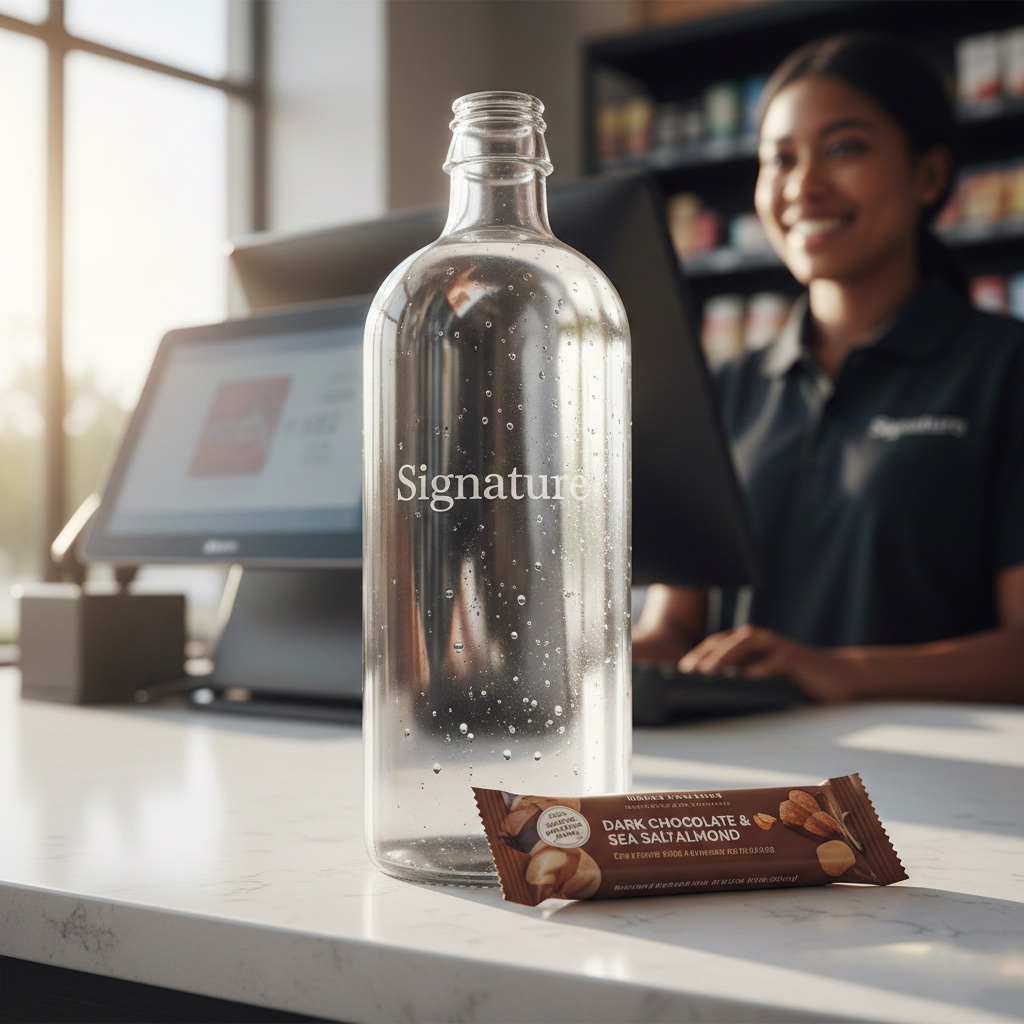
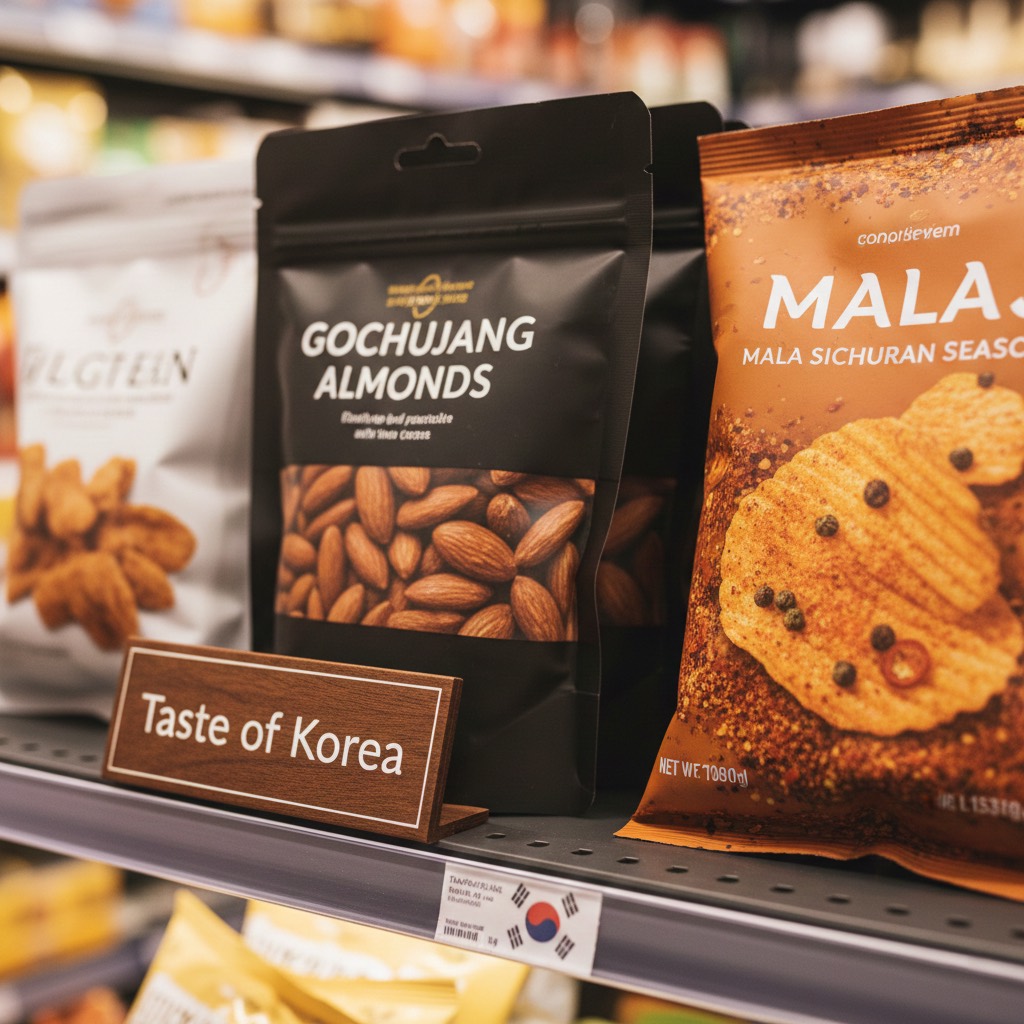
- The Premium/Signature Tier: This is where the magic happens. These are unique, high-end items that a customer can only get at your store. Think “Himalayan Salt & Vinegar Kettle Chips” or “Cold-Pressed Organic Ginger Shots.”
By leaning into the Signature Tier, you stop being a reseller of other people’s products and start being a curator of your own.
Why Private Label is Your Secret Weapon
In a volatile economy, private label goods are your insurance policy. On average, private label products offer margins 25% to 30% higher than national brands. In an era where labor costs are climbing and utility bills are spiking, that margin cushion isn’t just nice to have; it’s essential for survival.
Furthermore, private labels offer you exclusivity. If a customer falls in love with your specific blend of trail mix or your branded “Energy+ Water,” they can’t find it at the big-box retailer down the street. It forces a repeat visit. You are building a “tribe” of loyalists who view your store as a brand, not just a building full of CPGs (Consumer Packaged Goods).
The “Lifestyle” Expansion
We are also seeing private labels move beyond the snack aisle. Take a look at Love’s Travel Stops and their “Traverse Travel Gear.” They recognized that customers were tired of cheap, breaking phone chargers and flimsy neck pillows. By creating a high-quality, branded line of mobile accessories, they built trust in a category that is usually high stress for travelers.
When your logo is on a high-quality charging cable or a premium stainless-steel tumbler, that brand impressions stays with the customer long after they’ve left your parking lot.
What You Should Be Doing: Owning the Shelf
To turn your private label into a powerhouse by 2026, you need a tactical plan. Here is how I recommend my clients approach this:
- Audit Your Distributor’s “Hidden” Gems: Most operators don’t realize that wholesalers like Core-Mark or McLane have incredibly sophisticated private label programs. You don’t need to manufacture your own goods. Sit down with your rep and ask for their “Premium” or “Tier 3” catalogs.
- Identify Your “Hero” Categories: Don’t try to overhaul the whole store at once. Look at categories where brand loyalty is traditionally lower, and impulse buys are higher. Bottled water, bagged candy, nuts, and automotive additives are perfect starting points.
- Invest in “Boutique” Packaging: In 2026, “cheap” looks like white space and generic fonts. “Premium” looks like matte finishes, clean typography, and sustainability claims. If the packaging doesn’t look like it belongs in a high-end grocer, the customer won’t pay the premium price.
- Leverage “Speed to Market”: National brands take 18 months to launch a new flavor. You can often work with private label suppliers to jump on trends (like “Hot Honey” or “Ube”) in a matter of weeks. Be the first in your neighborhood to have the “trend” flavor.
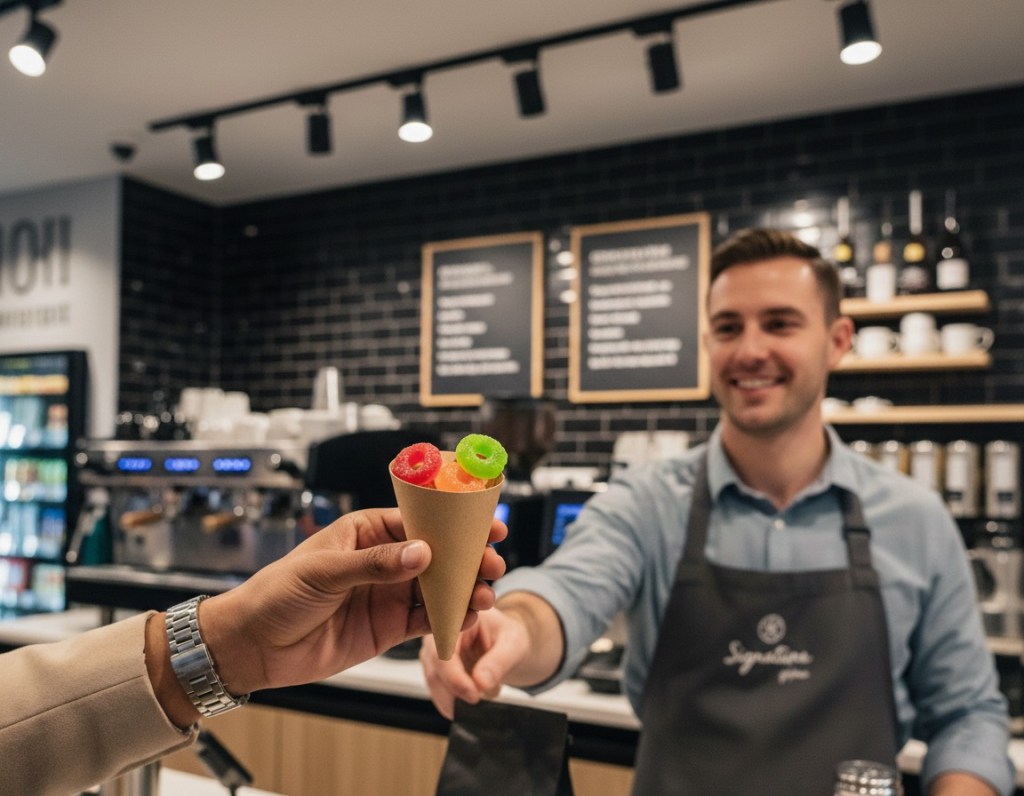
- Aggressive Sampling Programs: Skepticism is the only thing standing between a customer and a private label purchase. Break that barrier by opening a bag. Put your private label “Extreme Heat Corn Chips” in sampling cups at the register. Once they taste the quality, the price becomes a secondary thought.
The Bottom Line: Your Path to Independence
Your private label is more than just a product on a shelf; it is your independence. It protects you from the pricing whims of national CPG giants. It shields you from supply chain shortages that affect the “big guys.” Most importantly, it gives your business a soul.
When you transition from being a middleman to a brand owner, you change the relationship with your customer. You aren’t just the place where they buy a Coke; you’re the place where they get “that specific jerky” they love. That shift is the difference between a store that survives and a store that thrives in the 2026 landscape.
We’ve now covered the products, the technology, and the power of your own brand. But having great products is only half the battle; you have to get the customer to put more of them in their basket.
In Part 6: The Rise of “Mini-Meal” Merchandising, we will explore the death of the “three square meals” and how you can use bundling and cross-merchandising to turn a single-item stop into a high-value basket.

 The5For
Leave a comment