Bundling for the New Way We Eat
The traditional concept of “Breakfast, Lunch, and Dinner” is effectively obsolete for the modern convenience shopper. In our previous post, we explored the “Phygital” revolution. Digital screens and frictionless tech are changing the way customers navigate the store. But even the best technology needs a product strategy to back it up. Today, we are shifting our focus from how they buy to why they buy.
The 2026 consumer operates on a schedule of 5–6 “mini-meals” or snacking occasions throughout the day. This behavior isn’t just a whim. It is driven by “time poverty” and the mobile nature of hybrid work. Additionally, the “GLP-1 effect” we discussed in Post 2 has led many shoppers to seek smaller, more frequent portion sizes.
This shift is your golden ticket. The center aisle is no longer just a warehouse for “junk snacks”; it is a pantry for “mini-dining.” However, the days of a customer being satisfied with a single bag of chips and a soda are fading. To win in 2026, you must master the art of the Bundle.
In this post, I’ll explain how to merchandise “Mini-Meals” to double your basket size and capture the lunch crowd that used to bypass your store for the QSR drive-thru. You will learn the anatomy of a perfect meal deal. You will understand how to use “occasion-based” merchandising to influence behavior. Additionally, you will discover why portability is the secret weapon of the modern C-store operator. By the end of this guide, you’ll have a clear strategy to turn your center store into a high-margin meal destination.

The Anatomy of a Modern Mini-Meal
A “mini-meal” isn’t just a random snack. It is a nutritionally balanced combination that provides satiety without the “food coma” of a heavy fast-food meal. To merchandise these effectively, you need to understand the formula.
The Golden Formula: Drink + Protein + Indulgence.
Think of the “Girl Dinner” trend that took social media by storm. It normalized the idea of assembling a meal from high-quality, small components, cheese, crackers, a meat stick, and a small treat. Your store is the ultimate destination for this behavior. If you can provide these three components in a single, easy-to-grab format, you solve the “what’s for lunch?” dilemma for your busy customers
The Strategic Power of Bundling
Unit volume may fluctuate due to health-conscious trends. Therefore, increasing the basket size (items per transaction) is your most important metric.
- The “Power Bundle”: Research shows that while prepared food (like a sandwich) is often the initial driver, the bundle seals the deal. A promotion such as “Buy a Sandwich, Get a Premium Drink and Chips for $2 More” adds immediate perceived value.
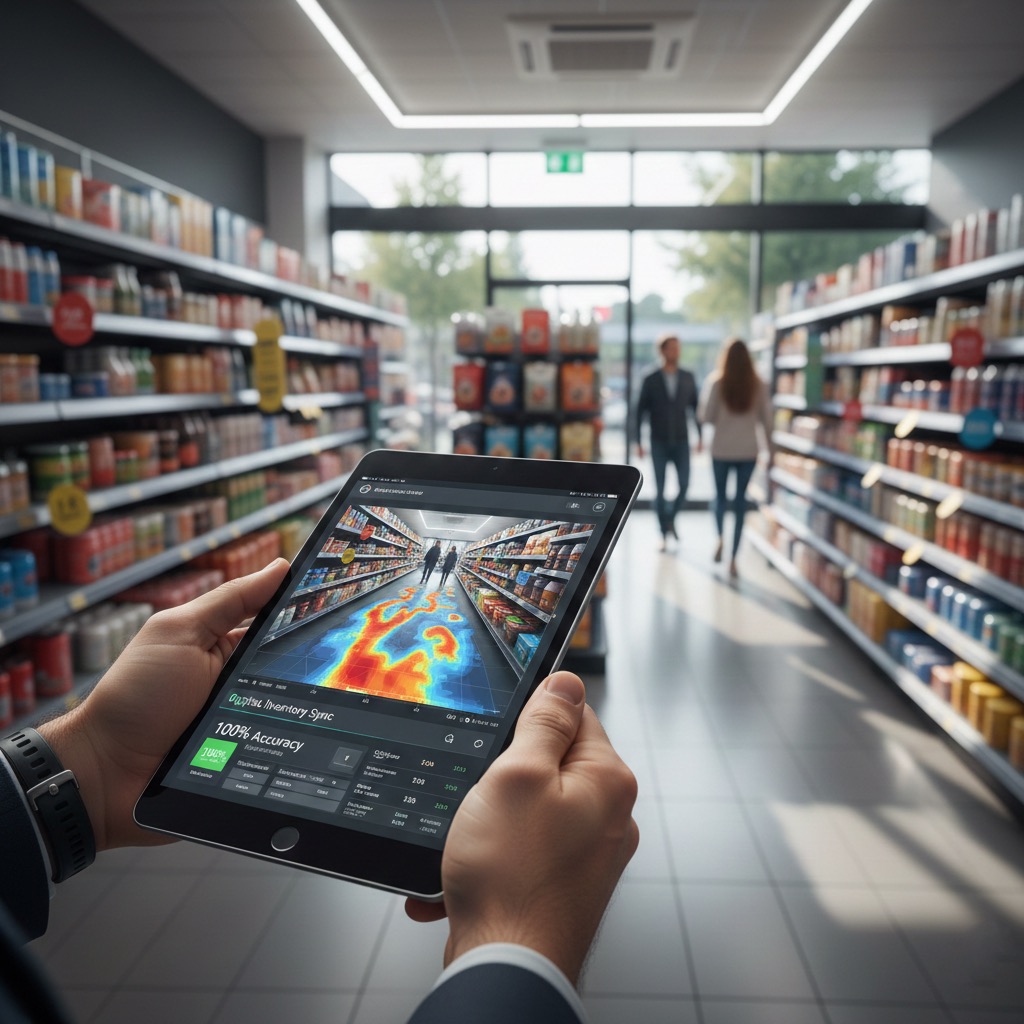
- Digital Nudges: Use those “Phygital” screens we discussed in Part 4. When a customer scans a high-protein salad, your POS or shelf-edge screen should suggest a specific sparkling water or a dark chocolate bar to “Complete Your Meal.”
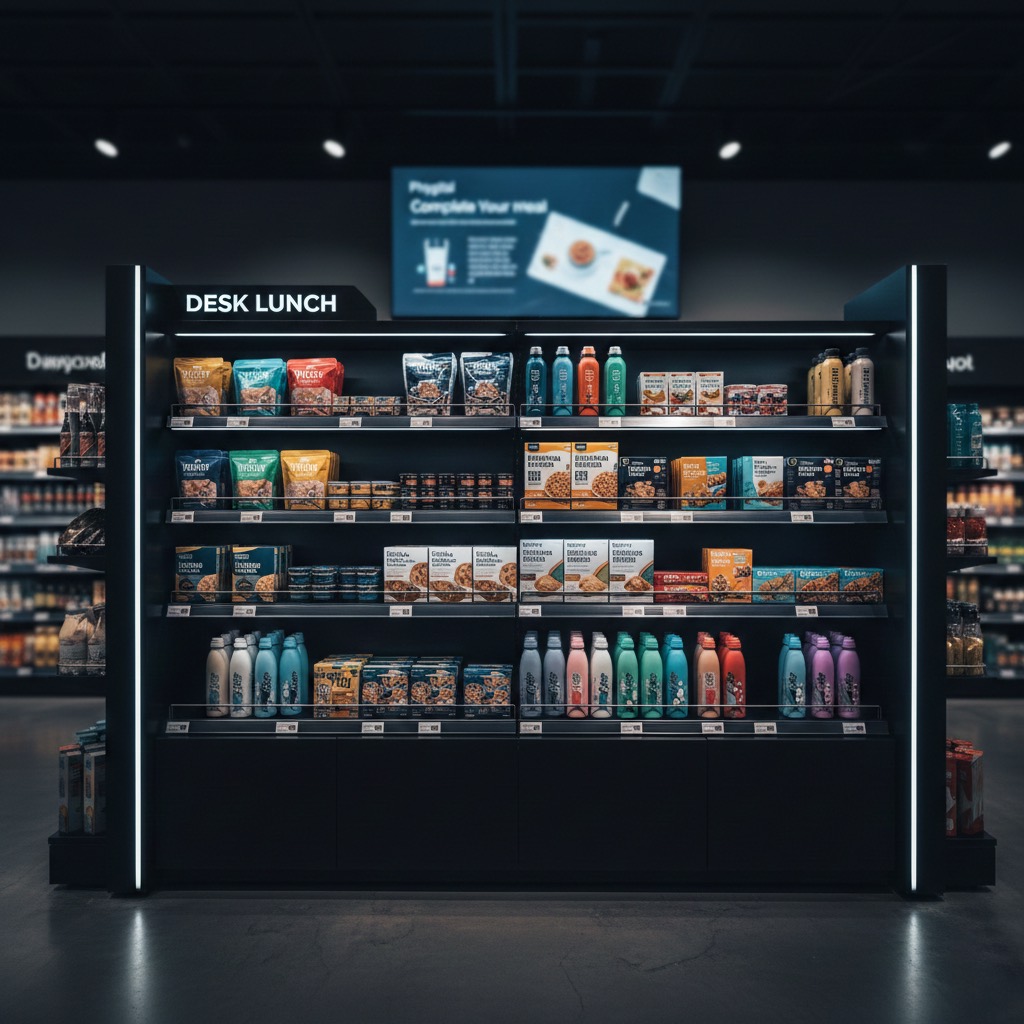
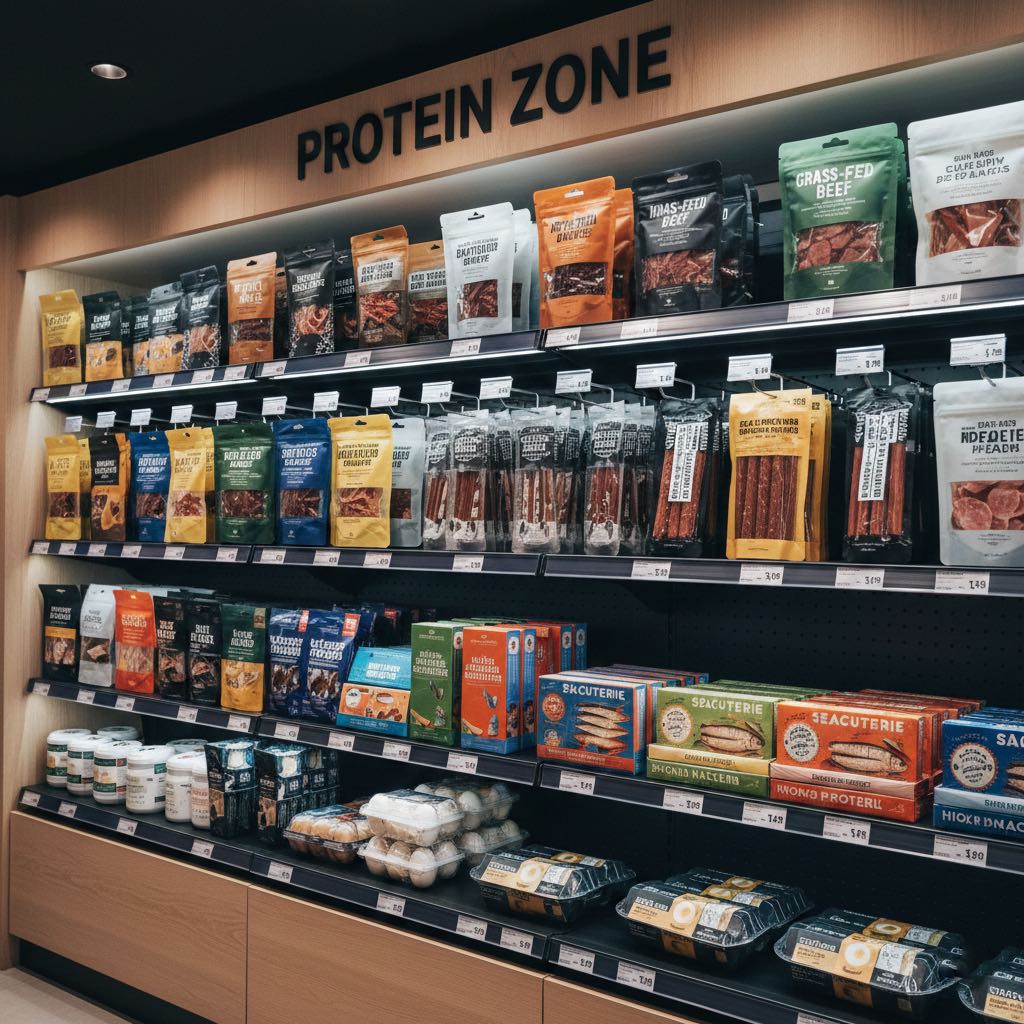
- Use-Case Merchandising: Break out of the traditional category silos. Instead of keeping all tuna pouches in one aisle and all crackers in another, create an “Occasion Zone.” A “Desk Lunch” section can feature tuna pouches, whole-grain crackers, and flavored water side-by-side.
Packaging for Portability and Sustainability
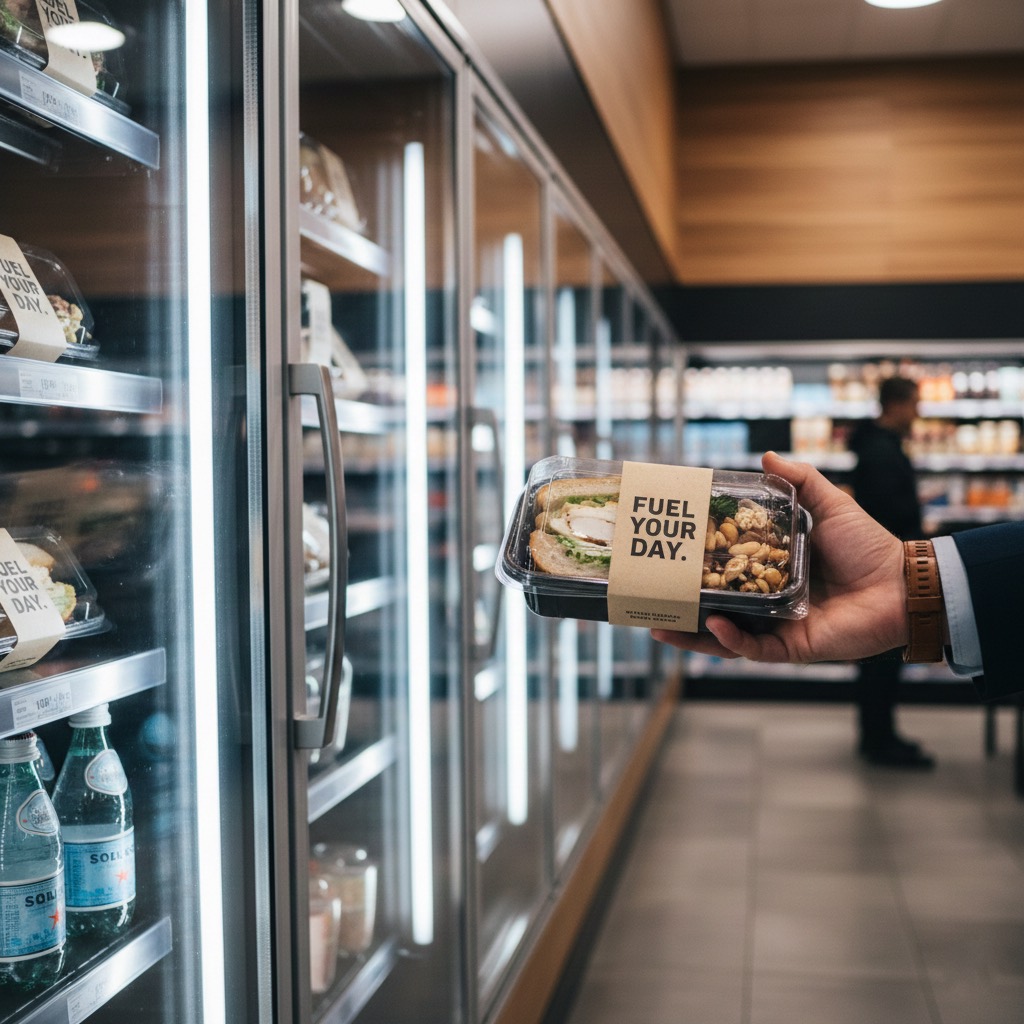
In 2026, the “where” of eating is just as important as the “what.” Your mini-meals must be built for a life on the move.
- Resealability is Non-Negotiable. The modern shopper might start their mini-meal in the car and finish it at their desk an hour later. Resealable pouches for nuts, jerky, and bites are infinitely more attractive than traditional “tear-and-dump” bags.
- The Eco-Conscious Signal. Packaging that utilizes “paperized” materials or reduced plastic isn’t just about the environment; it’s a quality signal. For the Gen Z and Millennial shopper, sustainable packaging suggests that the food inside is fresher and more premium, justifying a higher price point.
What You Should Be Doing: The “Meal Deal” Makeover
To turn these insights into immediate revenue, here is your actionable checklist:
- Create Physical Bundles: Don’t just rely on signage. Physically “kit” items together using eco-friendly ties or specialized cardboard carriers. A “Protein Pack” (meat stick + nut pack + energy drink) placed near the register can significantly boost the morning rush spend.
- Do the Math for Them: Use shelf talkers that clearly state “Lunch for Under $8.” When you show the total savings and the total price of a combined meal, you remove the “mental friction” of shopping.
- Target Specific Dayparts:
- Morning: Coffee + Protein Bar + Fruit Cup.
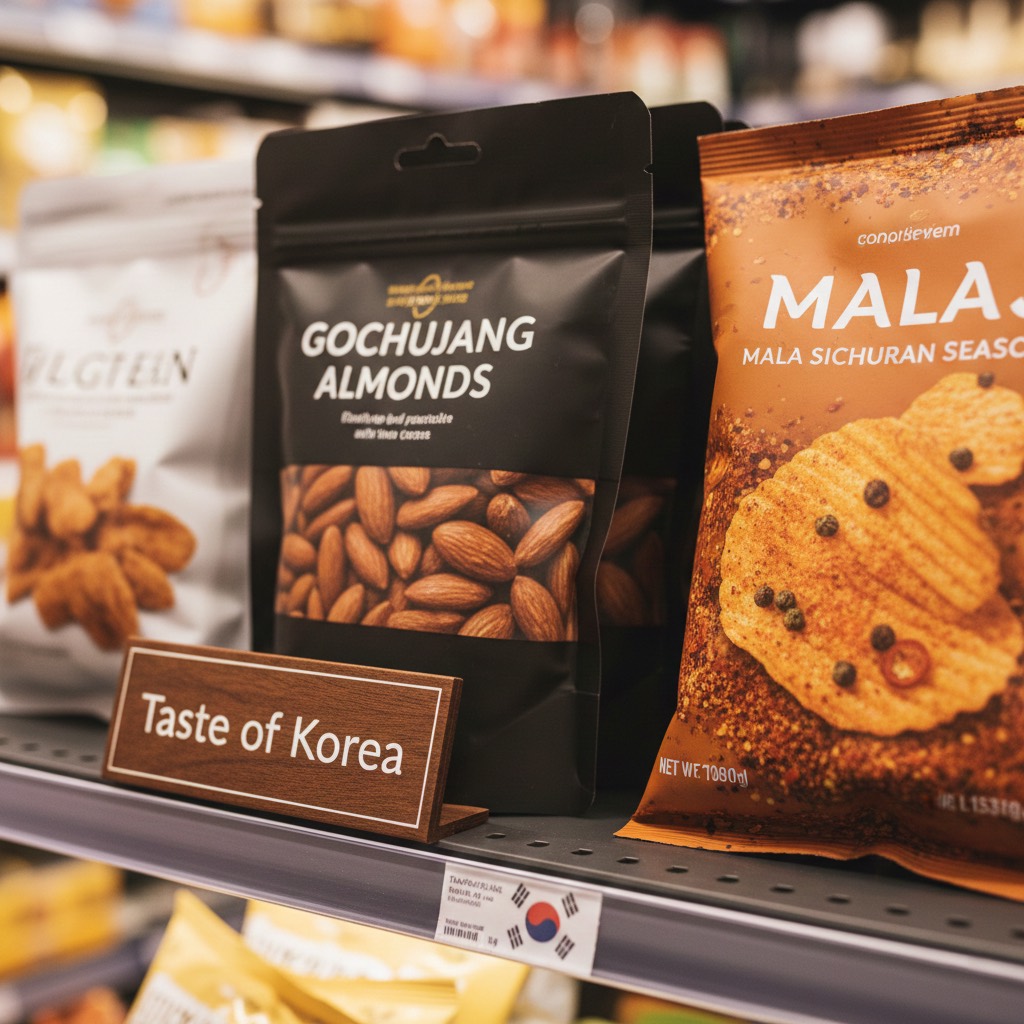
- Afternoon Slump: Energy Drink + Spicy Nuts + Premium Chocolate.
- Late Night: Electrolyte Water + Salty Snack + Protein Cookie.
- Train for the Upsell: Your staff is your best marketing tool. Train cashiers to recognize “bundle-able” items. A simple, “Did you know adding a water to this saves you $1.50?” is often all it takes to increase the transaction.
The Bottom Line: From Snacks to Sustenance
By evolving your merchandising strategy to embrace the “mini-meal,” you are doing more than just moving product. You are shifting the very identity of your store. You stop being a place where people stop for “junk food” and start being a reliable destination for “sustenance.”
This transition is essential for the 2026 landscape. When you solve a problem for the busy consumer, you earn their loyalty. For example, providing a quick, healthy, and affordable lunch can achieve this. More importantly, you capture a larger share of their daily spend. Whether it’s through physical bundling or “Occasion Zones,” you should make the meal-gathering process effortless. This is the key to center-store success.
We have covered an incredible amount of ground in this series. We’ve looked at the rise of protein, the shift toward bold and global flavors, the power of private labels, the integration of “Phygital” technology, and now, the art of the mini-meal bundle. Each of these trends represents a massive opportunity for the independent operator to outmaneuver the big-box competition.
But how do you put all of this into practice without feeling overwhelmed? In our final installment, Part 7: Series Summary and Call to Action, I will pull all these threads together into a single, cohesive “2026 Battle Plan.” I’ll provide a step-by-step roadmap to help you prioritize these changes and ensure your store remains the heartbeat of your community for years to come. See you in the finale!

 The5For
Leave a comment