Bringing the Future into Focus
We have reached the end of our journey. Over the last six posts, I have worked with you to dissect the massive transformation sweeping through the convenience store industry. We have looked at the hard data, the shifting demographics, and the new biological realities of the American shopper. If you’ve been following along, you now know that the “Center Store” is no longer a stagnant afterthought of dusty cans and stale chips. It is the strategic engine of your future profitability.
As fuel demand softens and traditional categories like tobacco continue their slow decline, your dry grocery, snack, and beverage aisles must step up to carry the weight of your business. The good news? The opportunity is massive for those willing to adapt. I’ve spent this series showing you that the modern shopper isn’t just looking for “fast”; they are looking for functional, flavorful, and frictionless experiences.
In this final post, I am going to synthesize everything we’ve discussed. We will revisit the five key pillars of the 2026 strategy, and I will provide you with a concrete, actionable roadmap to start transforming your business today. My goal is to ensure that when you walk onto your store floor tomorrow, you aren’t just seeing shelves; you’re seeing a high-performance retail machine ready to capture the “2026 Consumer.”
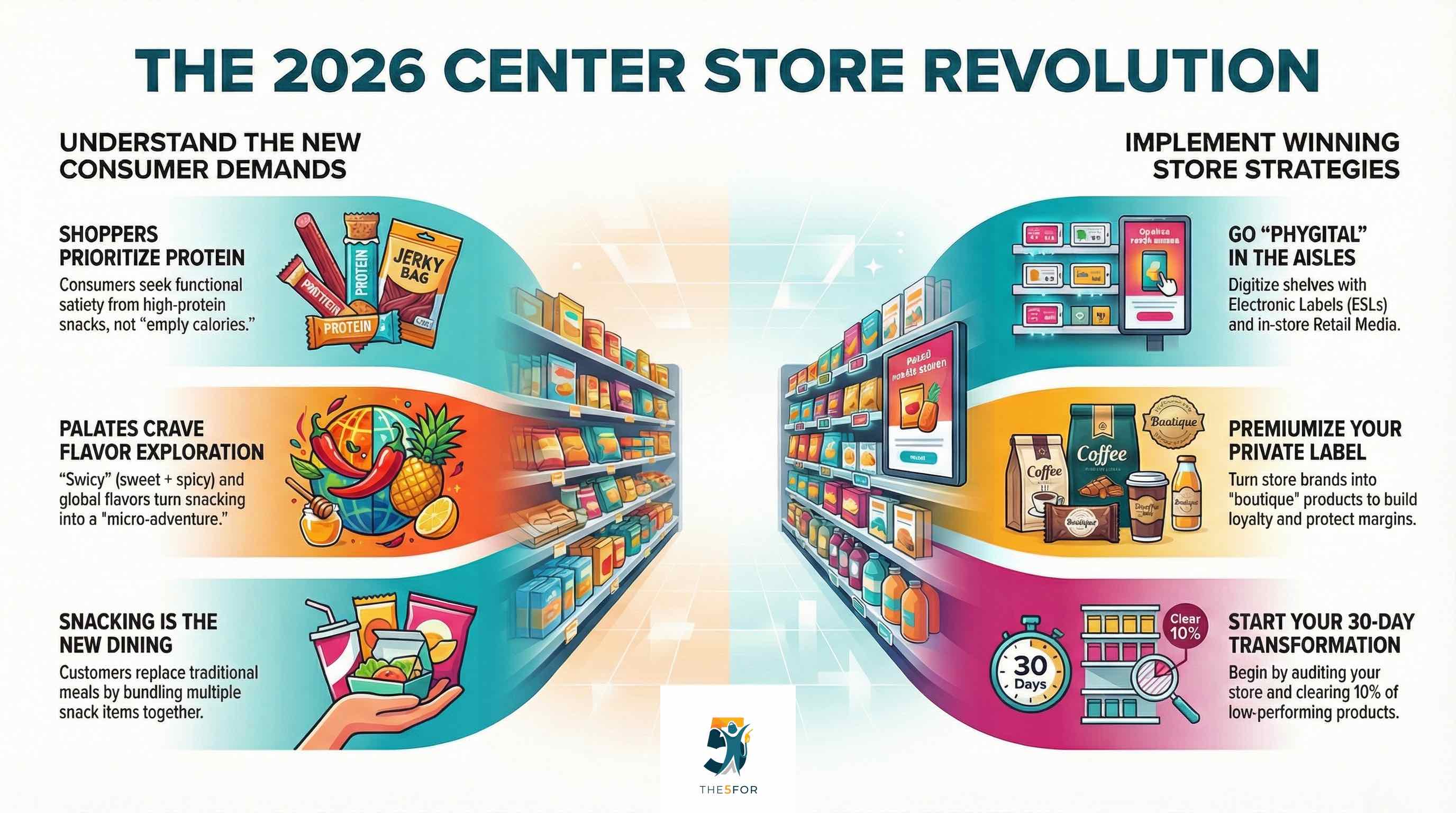
The 5 Pillars of the 2026 Center Store
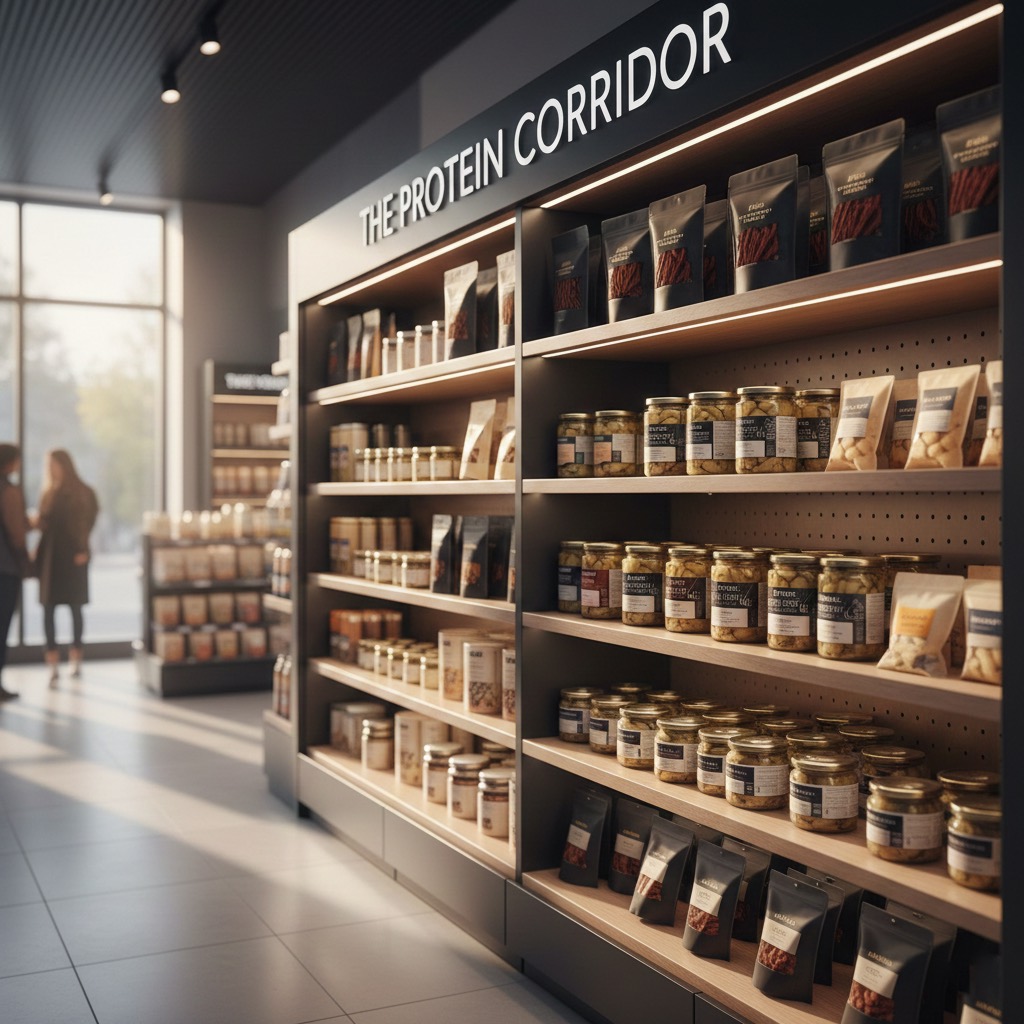
1. The “Proteinification” of Snacking
As we discussed in Post 2, the GLP-1 metabolic shift and a general “health-first” mindset have created a consumer who eats less volume but demands higher quality. “Empty calories” are being phased out in favor of functional satiety. I want you to remember that protein isn’t just for bodybuilders anymore; it’s the primary driver for the busy parent and the health-conscious commuter.
What You Should Be Doing:
- Audit your protein-to-carb ratio: Look at your snack aisle and ensure at least 25% of the offerings provide a functional protein benefit.
- Create a “Protein Corridor”: Group premium meat snacks, cheese bites, and high-end tinned fish together to make it easy for the “keto” or “GLP-1” shopper to find their fuel.
- Update your signage: Use shelf talkers that highlight “Grams of Protein” rather than just the price.
2. “Swicy” and Global Flavor Exploration
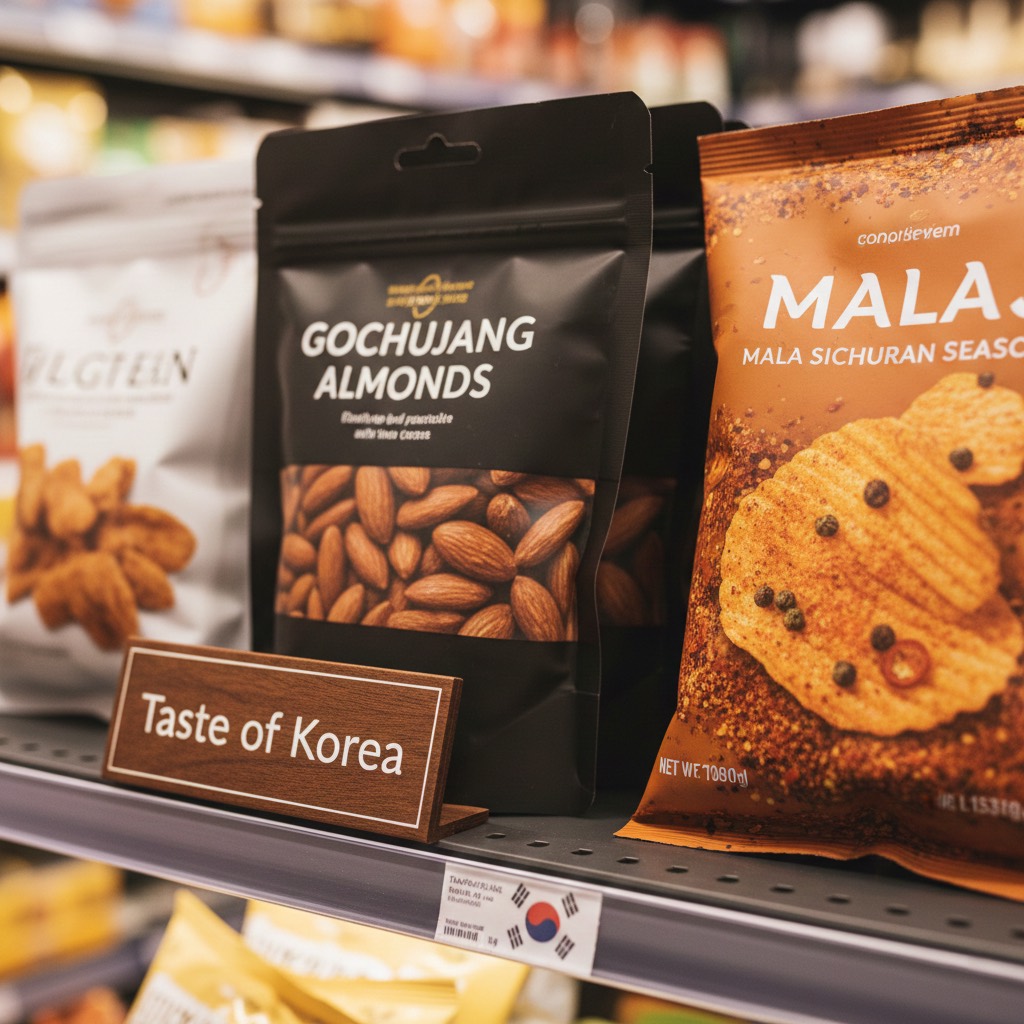
The 2026 palate is bored by the basics. Gen Z and Alpha demand sensory complexity, Sweet + Spicy (“Swicy”), Global Heat (Mala, Gochujang), and “Newstalgia.” I’ve seen that these shoppers view snacking as a form of “micro-exploration.” If your shelves look the same as they did three years ago, you are losing the impulse buy.
What You Should Be Doing:
- Implement a “Flavor Drop” shelf: Dedicate one small section to “Limited Time Only” global flavors to create a sense of urgency (FOMO).
- Cross-merchandise “Swicy” items: Place spicy chips next to sweet beverages to encourage the “flavor pairing” behavior we see trending.
- Vary your spice levels: Ensure you have a range from “mildly adventurous” to “extreme heat” to cater to different demographic comfort levels.
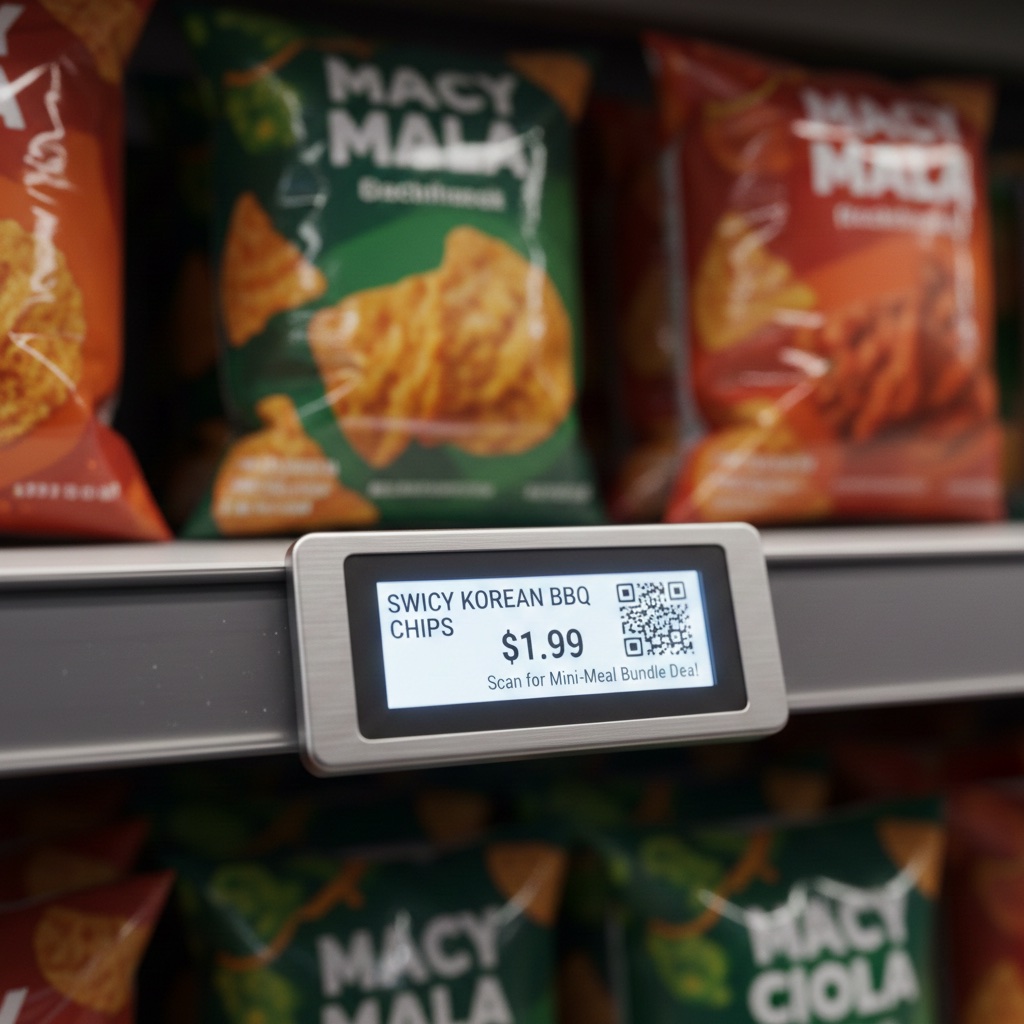
3. The “Phygital” Center Aisle
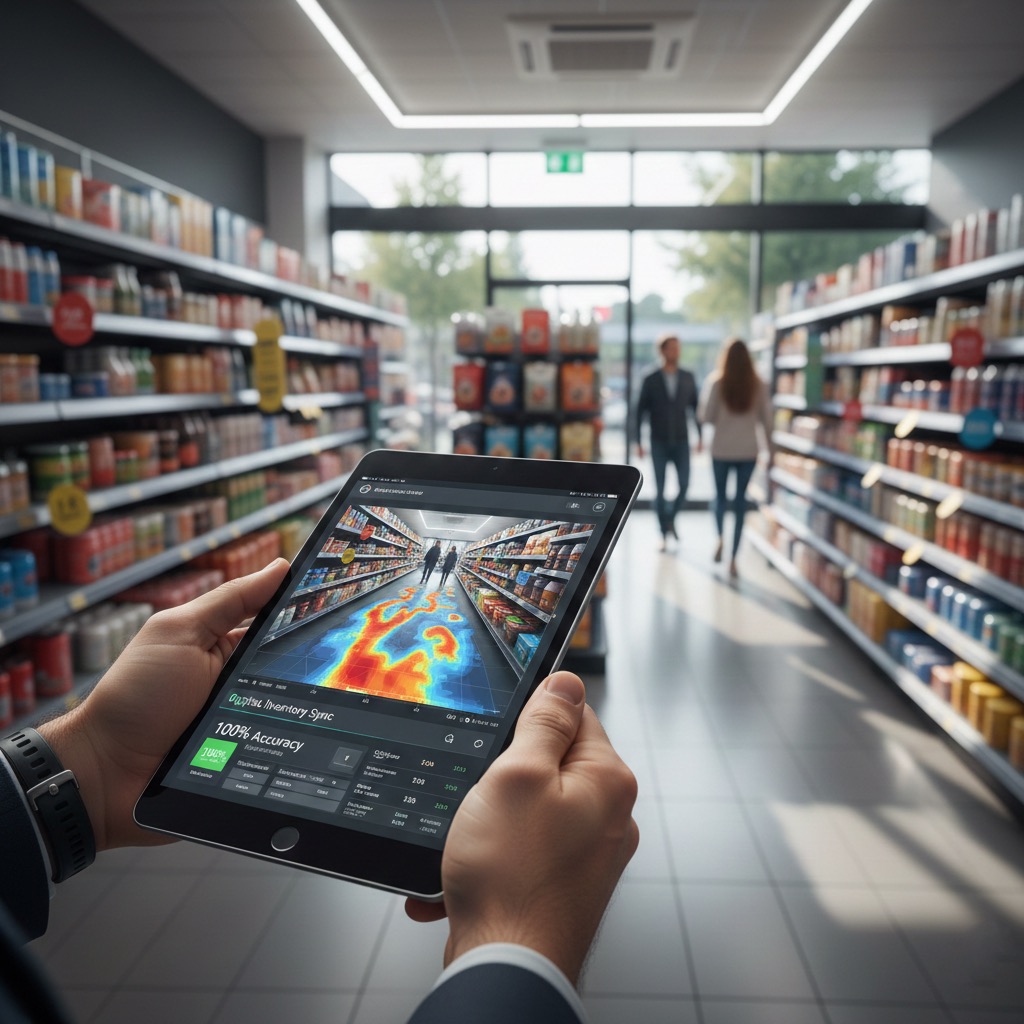
The line between online and offline is gone. Technology like Electronic Shelf Labels (ESLs) and Retail Media Networks (RMNs) allows you to digitize the shelf. This isn’t just about looking cool; it’s about “Agentic Commerce”, being ready for a world where AI assistants help customers find products.
What You Should Be Doing:
- Claim your digital inventory: Ensure your store’s stock is accurately reflected on Google Maps and delivery apps.
- Investigate ESLs: Contact a vendor to price out Electronic Shelf Labels for your high-turnover aisles to allow for dynamic, real-time pricing.
- Monetize your space: Talk to your distributors about “Retail Media” opportunities, getting them to pay for digital ad space on your in-store screens.
4. “Premiumization” of Private Labels
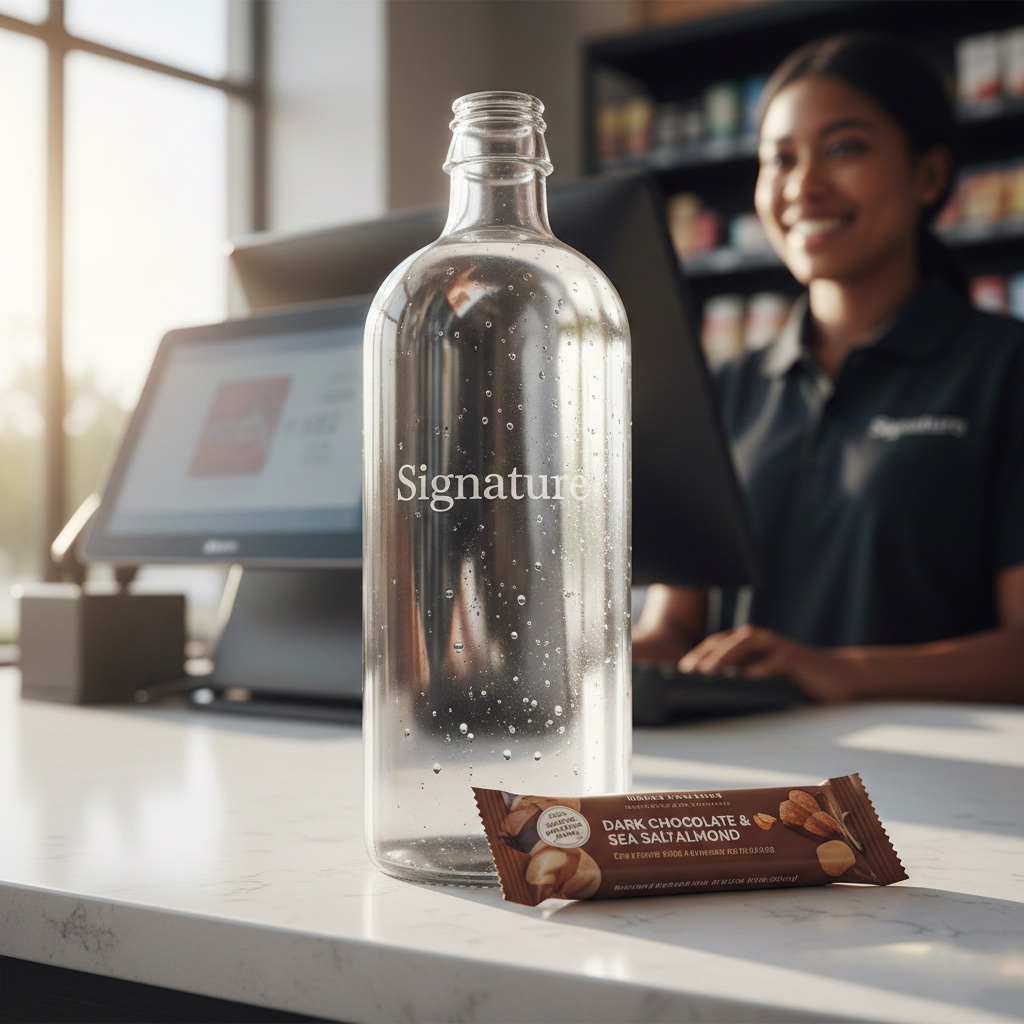
Store brands have graduated from “generic” to “lifestyle.” This is your best tool for preserving margin and building brand loyalty. When a customer falls in love with your brand of premium jerky, they must come back to your store to get it.
What You Should Be Doing:
- Review your margin winners: Identify which categories have the highest national brand markups and look for a premium private label alternative.
- Elevate the packaging: Ensure your store brand looks like a “boutique” product, not a “budget” product.
- Sample your brand: Run weekend sampling events specifically for your private label items to break the “generic” stigma.
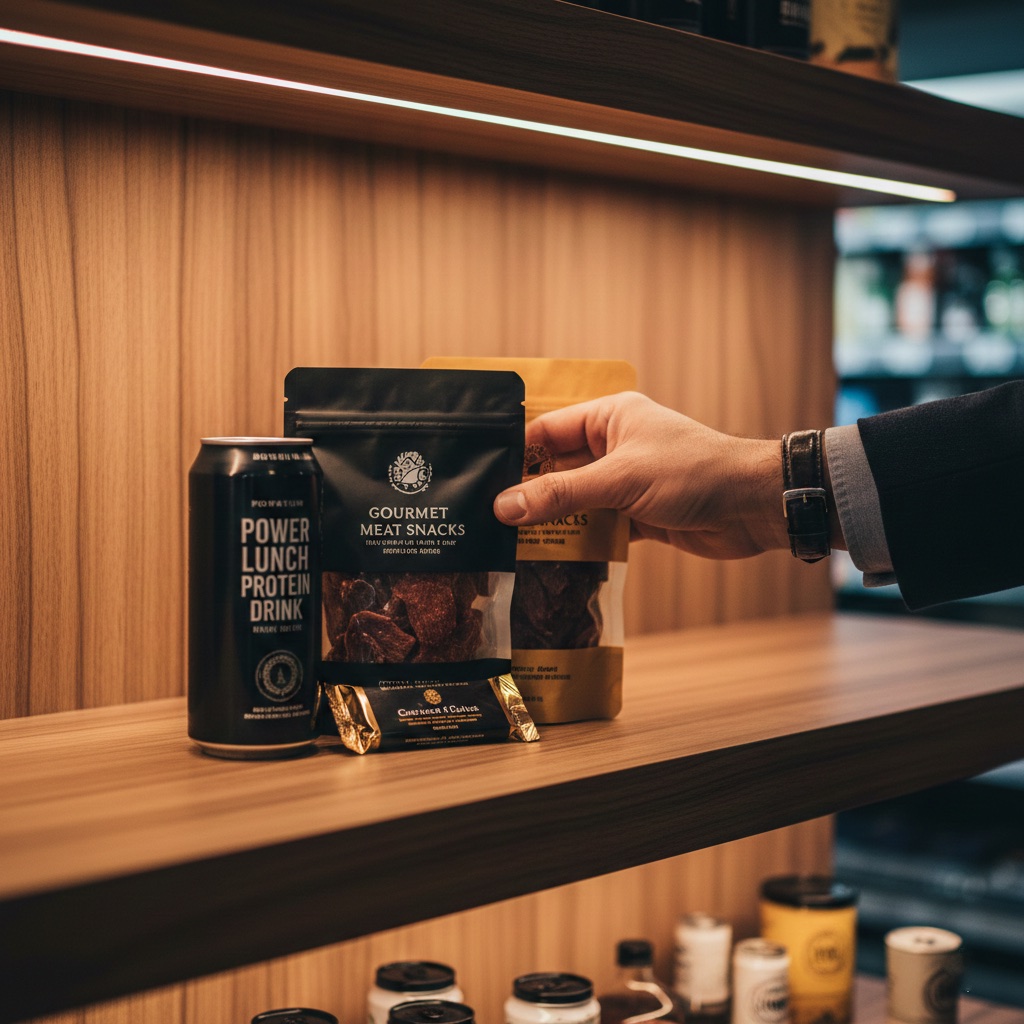
5. The Rise of “Mini-Meal” Merchandising
Snacking is the new dining. Consumers are replacing traditional meals with bundles of snacks. As an operator, you shouldn’t just sell a bag of chips; you should be selling a “Small-Format Solution.”
What You Should Be Doing:
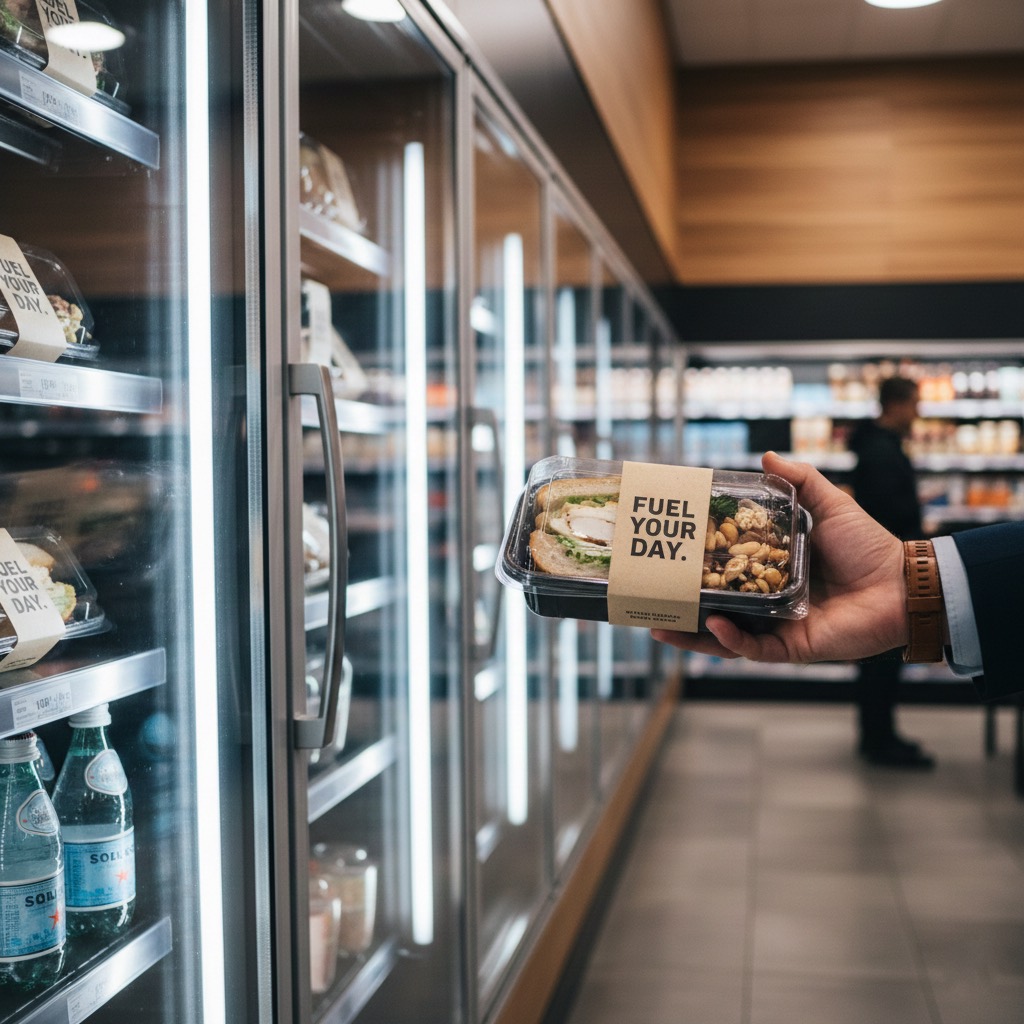
- Bundle for the basket: Create “Mini-Meal” deals (Drink + Protein + Indulgence) at a set price point (e.g., “The $8 Power Pair”).
- Strategic Placement: Place high-protein snacks near the beverage cooler to capture the “meal replacement” shopper.
- Communicate the Value: Use “Meal Deal” signage to show the customer exactly how much they save by bundling.
Your 30-Day Launch Plan
Information without action is just trivia. I want to leave you with a concrete checklist to start implementing these changes over the next month:
- Week 1: The Audit. Walk your center store with a critical eye. Identify the “dead zones” where dusty, low-turn inventory sits. Mark 10% of your lowest-performing SKUs for clearance to make room for the new trends.
- Week 2: The Protein Test. Order a small test batch of premium meat bites and high-end tinned fish. Place them on a high-visibility endcap with “High Protein” signage. Measure the sell-through compared to your standard jerky.
- Week 3: The Tech Check. Call your POS provider or a digital signage vendor. Ask for a demo of ESLs or Retail Media capabilities. Get a hard number on what it would cost to digitize just one aisle.
- Week 4: The Bundle Pilot. Create one manual bundle (e.g., “The Power Lunch”) using existing inventory. Make a simple sign. Train your staff to mention it at the register. See if it lifts your average basket size.
The Bottom Line: The New Era of Convenience
The convenience store of 2026 is a “Micro-Adventure” destination. It’s a place where a customer walks in for a routine drink and walks out with a spicy Korean snack, a premium protein pack, and a feeling that they just treated themselves to something special. I have seen firsthand that the operators who embrace these shifts don’t just survive; they thrive.
Throughout this series, we have explored everything from the biological impact of new medications on snacking habits to the high-tech world of Retail Media Networks. We’ve looked at how the “Center Store” can move from being a “museum of the past” to the “engine of the future.” The roadmap is now in your hands. The trends are clear, the data is undeniable, and the opportunity is yours for the taking.
The only variable left is your willingness to execute. Start small, test often, and never stop listening to what your customers’ baskets are telling you. I want to thank you for joining me on this deep dive into the 2026 Center Store Revolution. It’s a wild time to be in retail, but for the savvy operator, it’s also the most profitable time in history.
Are you ready to transform your center store? Don’t wait for 2026 to arrive, start your Week 1 Audit today. If you found this series helpful, share it with your management team and let’s get to work on building the next generation of convenience.


 The5For
Leave a comment