An Introduction to Strategic Resilience

Welcome to a new era of convenience. As I sit down to write this, the calendar has turned to 2026, and the retail landscape looks significantly different than it did just a few years ago. We are no longer dealing with a simple cyclical dip in the economy; we are navigating what experts call a “structural reset”. There are 17% effective tariff rates, which are the highest since the mid-1930s. Additionally, there’s a staggering 18% median increase in healthcare premiums. Together, these factors are putting our customers’ wallets under pressure we haven’t seen in decades.
I know what many of you are thinking: “How can I possibly increase foot traffic when people are cutting back on everything?” It’s a fair question. But here’s the secret: convenience stores are uniquely positioned to thrive during a “reset.” We can achieve this by stopping to act like gas stations and starting to act like community hubs. When consumers “trade down” from full-service restaurants, they look to convenience stores. When they seek value and immediacy, they look to convenience stores.
In this seven-part series, I am going to guide you through the exact strategies you need to not just survive 2026, but to dominate your local market. We will explore how to transform your store design, why your beverage program is your new secret weapon, how to use AI to solve labor headaches, and why private labels are no longer a “budget” option; they are a strategic moat.
My goal for this series is simple: to provide you with actionable, real-world steps to increase your basket size, improve your community standing, and ultimately, protect your bottom line. We’ll look at the data, but more importantly, we’ll look at the “how-to.” Over the next few posts, we’ll dive deep into five critical pillars of modern convenience retail. By the time we’re done, you’ll have a complete playbook for the 2026 economy.
1. Understanding the 2026 “Structural Reset”
The first thing we have to acknowledge is that the consumer of 2026 is “volatility numb” but incredibly intentional. They aren’t panicking, but they are planning every purchase. The “wallet squeeze” is real. With healthcare costs siphoning billions out of disposable income, every dollar spent in your store must be justified.This matters to you because the impulse buy, the historical lifeblood of our industry, is under threat. We must give them a reason to walk through the door that goes beyond “I’m already at the pump.”
2. Transitioning from Fuel-First to Food-First
We must face the facts: fuel transactions are flat or declining due to higher EV adoption and better fuel efficiency. If you are still relying on your fuel margin to keep the lights on, you’re in a dangerous spot. The “Gas to Gourmet” evolution is no longer a trend; it’s a requirement. We’ll be discussing how to redesign your store to operate more like a Quick Service Restaurant (QSR) to capture the diners who are trading down from expensive sit-down meals.
3. Leveraging Task-Specific Technology
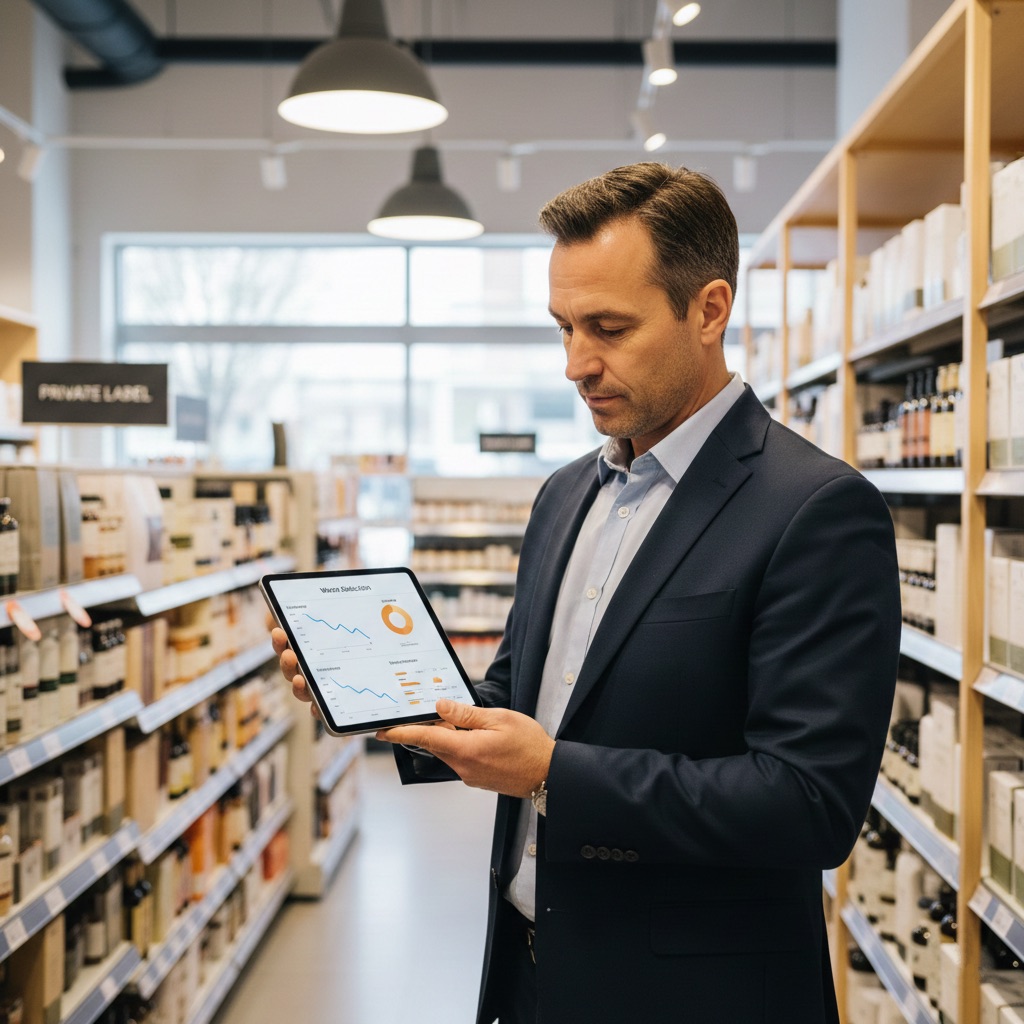
In 2026, we aren’t just talking about “AI” in a general sense. We are talking about task-specific tools that solve real problems. I’ll show you how camera vision is monitoring roller grills. It cuts waste by 60%. Automated hiring platforms are helping operators find the right staff. They do this in under 20 minutes. This isn’t about replacing people; it’s about freeing up your staff to focus on the customer experience.
4. The Private Label and Energy Moat
Tariffs are making national brands more expensive. This is the year where private labels take center stage. Nearly 50% of high-income households now predominantly buy store brands. We will explore building a tiered private label strategy. This strategy will protect your margins. It will also offer the value your customers are desperate for. Additionally, we’ll cover how new 2026 refrigerant regulations and IoT energy monitoring can save you thousands of dollars in “hidden” costs.
5. Becoming the “Third Place” for Your Community
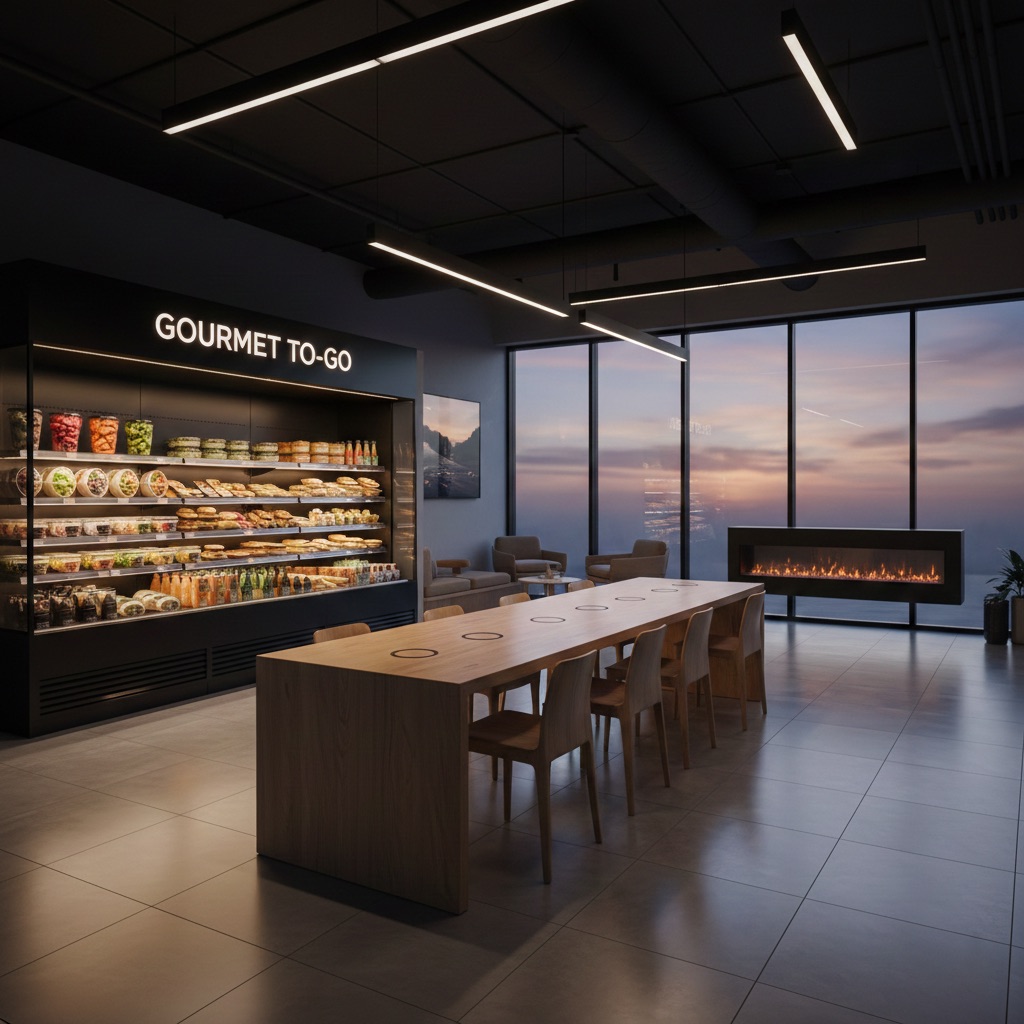
Your c-store has a unique opportunity. With the loss of many traditional social spaces, it can become the “Third Place”. It can be the gathering spot between home and work. Whether it’s adding seating or a fireplace, you can enhance your perception with localized community partnerships. This is the fastest way to increase foot traffic and loyalty in a budget-conscious economy.
What You Should Be Doing
- Audit Your Fuel Dependency: Calculate what percentage of your profit comes from the “inside store” versus the “forecourt.” If fuel is more than 40%, you need to prioritize our upcoming foodservice posts.
- Evaluate Your “Intentional” Offerings: Walk your aisles. Does your product mix cater to an intentional shopper, or is it 90% impulse items? Start looking for “mission-oriented” products like high-protein snacks and multipack value tiers.
- Check Your Tech Readiness: Determine if your current POS and back-office systems can handle integrated data or if they are holding you back from using new AI-driven tools.
- Observe Your Customers’ Dwell Time: Are people getting in and out in 90 seconds, or are they lingering? Identifying your “dwell potential” is the first step toward becoming a destination.
The Bottom Line: Every Journey Begins With A First Step
As we embark on this journey together, I want you to remember something important. While the economic headwinds are strong, there is great opportunity for the agile c-store operator. The “rising tide” of the past decade may have receded, but that only means the best-run ships will stand out more clearly. The 2026 economy is punishing to the stagnant, but it is incredibly rewarding to those who are willing to pivot toward value, experience, and efficiency.
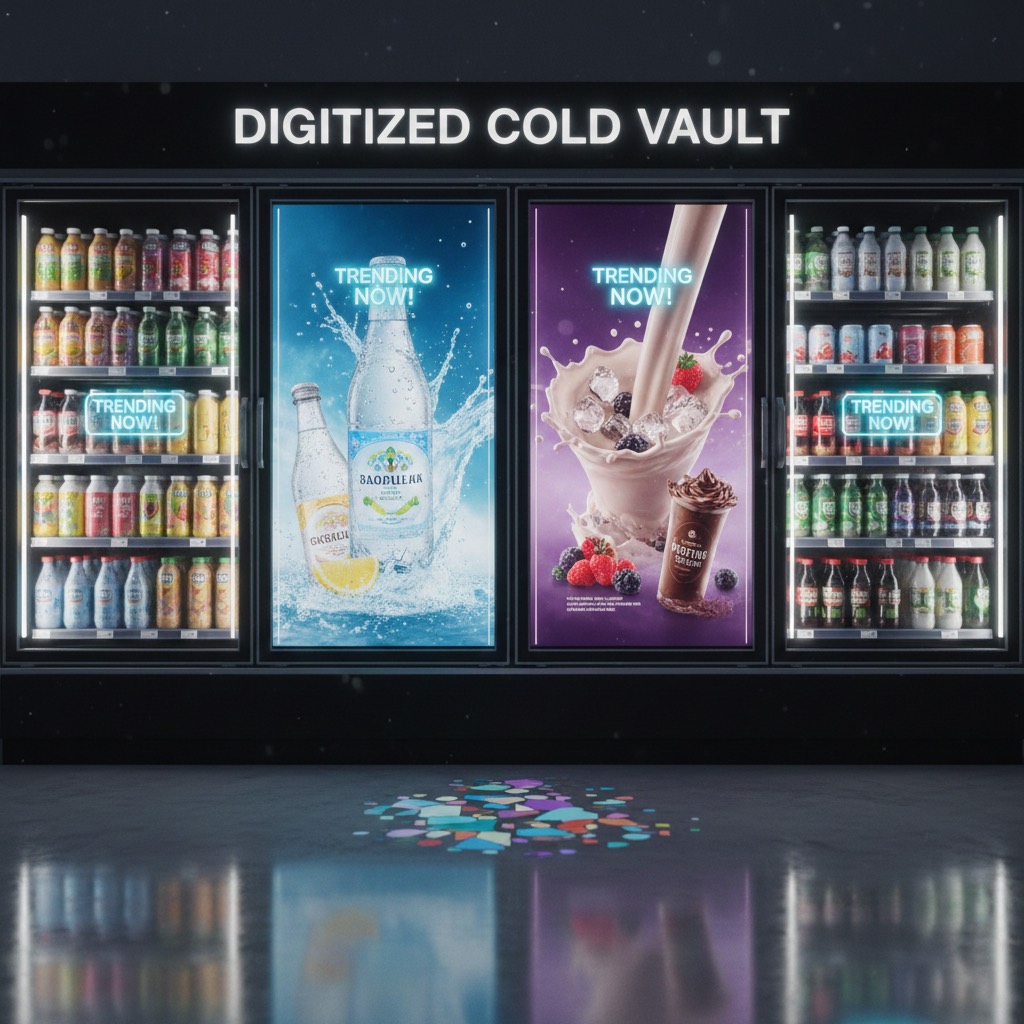
In the coming posts, we will break down each of these keys into detailed, actionable strategies. We won’t just talk about “increasing profits.” We will explain the specific margin math behind saving $10,000 in refrigerant leaks. That is equivalent to $1 million in new sales. We’ll talk about the “dirty soda” craze and why Gen Z will drive five miles out of their way to find the right customization options in your beverage fountain.
By the end of this series, you will have more than just a list of trends; you’ll have a strategic roadmap for your business. You’ll know how to improve your community view, how to make your store a destination, and how to use the latest technology to stay ahead of the competition.
Thank you for joining me on The 5 For. Get ready to transform your operation. In our next post, we’re going to get into the nitty-gritty of the economy. We’ll break down exactly how the 17% tariff rates, and 18% healthcare hikes are affecting your specific customer base, and what you can do to win their limited discretionary dollars. See you in Part 2: 5 Economic Headwinds Squeezing Your Customer’s Wallet.

 The5For
Leave a comment