In our last post, we broke down the concept of the “Wallet Squeeze” of 2026 and how rising tariffs and healthcare costs are actively siphoning discretionary income from your customers. We discussed the harsh reality that consumers are becoming fiercely intentional with where they spend their dwindling dollars. They are trading down, looking for value, and cutting out “frivolous” trips.
The logical follow-up to that economic reality is a fundamental shift in how we utilize our physical space. If consumers are being more intentional with their money, we must give them a reason to spend time (and dollars) with us that goes far beyond a quick transaction. This brings us to a concept that is taking the industry by storm in 2026: the “Third Place.”
Sociologists define the “First Place” as the home and the “Second Place” as the workplace. A “Third Place” is that crucial physical location where people gather, socialize, relax, and disconnect. Historically, malls, pubs, and coffee shops filled this void. However, with malls dying out and premium coffee shops becoming too expensive for the average daily consumer, a massive vacuum has opened in the market.
As convenience store operators, you have a once-in-a-generation opportunity to fill this gap.
By evolving from a “get in, get out” churn-and-burn model to a “destination” model, we can increase our dwell time. And as any retail expert will tell you, dwell time is directly correlated with basket size. If a customer feels comfortable enough to linger, they are no longer just buying gas; they are buying a moment of peace.
I’ve seen firsthand how stores are transforming their designs to survive the 2026 economic headwinds. We aren’t just talking about a fresh coat of paint. We are seeing everything from integrated sports bars and cozy fireplaces to upscale seating areas that rival premium fast-casual chains. This isn’t just about looking “fancy”. It’s about a strategic shift toward on-premises consumption. The goal is to capture the “trading down” consumer who still wants a high-quality experience but at a c-store price point.
In this post, I want to walk you through five specific design strategies that can turn your store into a community hub. Whether you have a 3,000-square-foot rural site or a high-traffic urban location, these principles are the key to unlocking the next level of profitability.
1. The “QSR” Redesign: Prioritizing the Kitchen
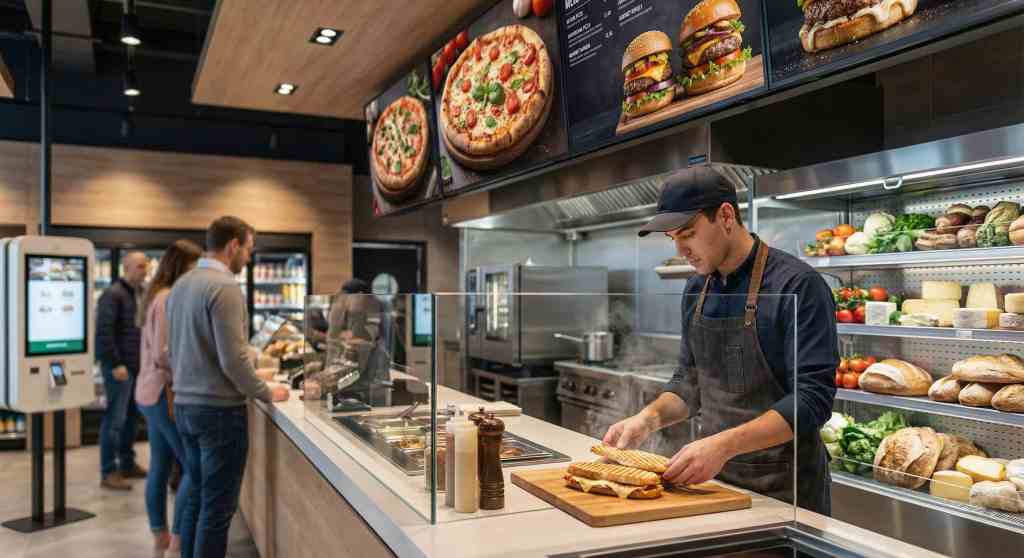
For years, the convenience store kitchen was a hidden afterthought, usually a microwave or a fryer tucked away in a back corner near the mop sink. In 2026, that layout is a death sentence for food sales. The most successful modern models operate much more like Quick Service Restaurants (QSRs) than traditional gas stations.
Psychologically, customers trust food they can see. By moving the kitchen from the back of the house to a central, highly visible location, you are signaling freshness and quality. This is “food theater.” When a customer sees a sandwich being toasted or a pizza being sliced, the perceived value of that item skyrockets.
Furthermore, we must address the friction that kills sales. The modern shopper, even when “hanging out,” hates inefficiency. Integrating dedicated “order and pay” kiosks and creating clear, designated queue areas reduces the anxiety of the transaction. Larger store formats are currently in high demand specifically because they allow for these expanded foodservice ambitions.
What You Should Be Doing
- Audit Your Sightlines: Stand at your front door. Can you see the food being prepared? If not, you need to lower gondolas or shift your layout to make the food the “hero” of the store.
- Install Digital Ordering Points: Even if you can’t afford full kiosks, use QR codes at the pump and at the counter that link to a mobile ordering menu to reduce line friction.
- Open the Kitchen: If you are planning a remodel, knock down the wall between the prep area and the sales floor. Let the customers smell the food and see the staff.
2. Creating the “Third Place” Ambiance
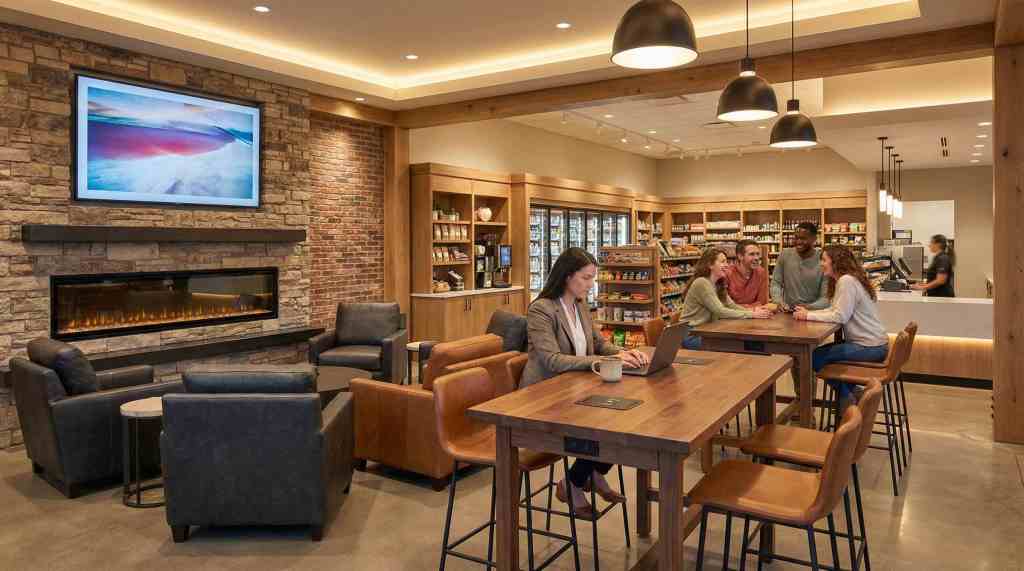
To encourage on-premises consumption, you need an environment where people actually want to stay. This is the hardest mental hurdle for many old-school operators who are used to the “turn and burn” mentality. But consider this: If a customer sits down to eat a sandwich they bought in your store, statistics show they are 50% more likely to grab a second beverage or a snack before they leave.
Retailers like Rusty Lantern Markets are adding fireplaces to create warmth, while Rutter’s is incorporating seating areas that feel like sports bars. Small additions can have a big impact. Features like high-quality indoor/outdoor seating and reliable, free Wi-Fi can transform your store. They can make it a hub for remote workers or local social groups.
However, ambiance is nothing without the basics. Cleanliness, friendly staff, and high-quality lighting are the non-negotiables for this strategy. You cannot have a “Third Place” if the lighting is fluorescent and buzzing, or if the tables are sticky.
What You Should Be Doing
- The “Linger” Test: Buy a coffee and sit in your own seating area for 15 minutes. Is the chair comfortable? Is the music too loud? Is the lighting harsh? Fix the annoyances.
- Upgrade Your Lighting: Switch to warm-temperature LED lighting (2700K-3000K) in seating areas to create a cafe vibe, while keeping bright, cool lighting (4000K+) over product displays.
- Advertise the Amenities: Put a “Free Wi-Fi” decal on your door and pump toppers. It sounds simple, but it’s a beacon for the gig-economy worker looking for a place to stop.
3. “Destination” Beverage Stations
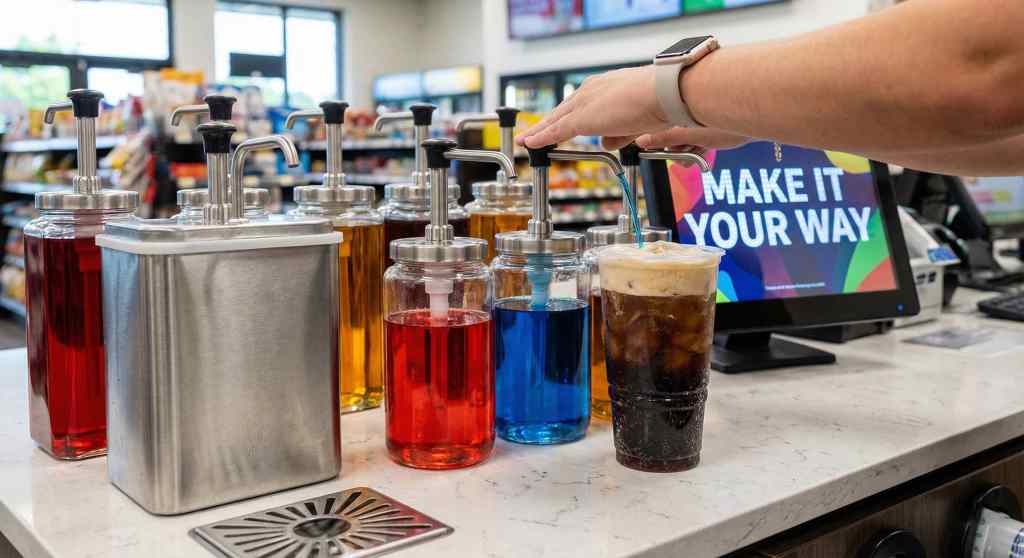
In 2026, the beverage fountain is no longer just a wall of soda nozzles. It is an experience destination. We are seeing a massive shift toward “customization culture,” driven largely by TikTok trends and younger demographics.
Successful operators are creating “customization stations.” Customers can add creamers, flavor shots, and cold foam. They can also mix in options like gummy rings or “bursties” to their drinks. This “Dirty Soda” trend (mixing sodas with creams and syrups) is a massive traffic driver for Gen Z and Millennials. They view these custom drinks as an “affordable luxury,” a $3.00 treat in a world where a Starbucks latte is $8.00. If you offer the ingredients for them to play “mixologist,” you become a destination, not just a pit stop.
What You Should Be Doing
- Build a Flavor Bar: You don’t need new fountain machines to do this. Set up a small counter space next to the fountain with 4-6 pumps of Torani or Monin syrups (coconut, vanilla, lime, etc.) and a dispenser of heavy cream.
- Signage is Key: Place a sign that says “Make it Your Way” or “Customize Your Drink” to give them permission to experiment.
- Post Recipes: Print small cards or put digital signs up suggesting mixes (e.g., “The Islander: Dr. Pepper + Coconut Syrup + Cream”).
4. Experience-Based Amenities
Why would a customer choose you over the station down the street that is two cents cheaper on gas? Sometimes, the answer has nothing to do with fuel or food. It’s about a unique amenity.
We are seeing innovative stores add gaming machines, betting kiosks, or even small dog parks. While a petting zoo might not be right for every location (though some are trying it!), the principle remains the same: provide an “elevated experience” that justifies the trip.
This is especially critical if you have EV charging stations. With customers dwelling for 20 to 30 minutes for a charge, you need to provide entertainment or relaxation. A gaming kiosk or a comfortable lounge area turns that “wait time” into “entertainment time.”
What You Should Be Doing
- Explore Local Partnerships: Can you add a betting kiosk? A Bitcoin ATM? An Amazon locker? These drive foot traffic from people who weren’t planning to buy gas.
- The “Pet Factor”: If you have green space, add a simple fenced area for dogs. Travelers plan their stops around where they can walk their pets.
- Review Your EV Strategy: If you have chargers, ensure there is a clear, safe, and covered path from the charger to your store’s “Third Place” seating area.
5. High-Impact, Digital Signage
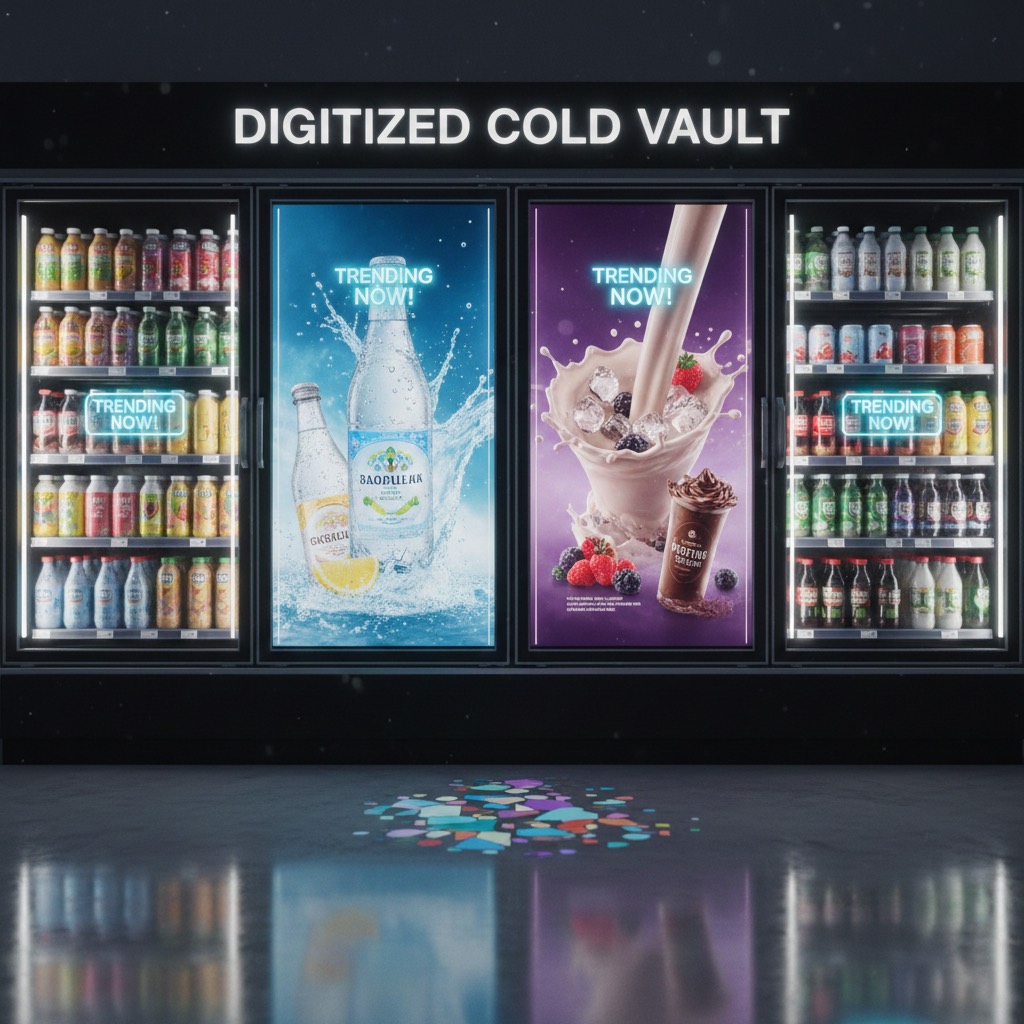
Your store’s “voice” starts at the street. In 2026, static plastic letters on a marquee are being replaced by vibrant digital displays that can change based on the time of day and the weather.
You must use these tools to promote your “Third Place” features. If you have a fresh bakery or a sports bar atmosphere, the customer at the pump needs to know it immediately. They won’t know you have a fireplace inside unless you tell them.
Digital screens at the pump are especially effective at “nudging” customers into the store with limited-time offers. But don’t just advertise price; advertise the experience. Show a steaming cup of coffee in a cozy chair, not just the price of the coffee.
What You Should Be Doing
- Daypart Your Content: Schedule your digital signage. From 6 AM to 10 AM, show coffee and breakfast sandwiches. From 11 AM to 2 PM, show pizza and subs. From 3 PM to 6 PM, show snacks and beer.
- Promote the Vibe: Use your pump screens to display text like, “Come in, relax, and enjoy our free Wi-Fi.”
- Audit Your brightness: Ensure your digital signs are dimming correctly at night. A blinding sign drives people away; a glowing, warm sign invites them in.
The Bottom Line: In 2026 It’s Good To Be Third Place
Turning your store into a “Third Place” destination is, without a doubt, one of the most effective ways to combat the 2026 economic headwinds. When we give people a reason to stay, we aren’t just selling them a sandwich; we are selling them a moment of relief in a stressful day. Every discretionary dollar is planned in today’s era. The place that offers an “experience” alongside a transaction gains a major competitive advantage.
I’ve seen retailers transform their bottom lines simply by shifting their mindset from “gas and snacks” to “food and community.” It requires a commitment to standards, especially cleanliness and service, but the payoff is a much larger basket and a drastically more loyal customer base. As we move away from our historical reliance on fuel margins, these “inside store” design choices become the foundation of our future growth.
Don’t feel like you must build a sports bar overnight. Start small. Improve the lighting, clean up the storefront, and add a few high-quality “destination” items to your beverage or food set. The goal is to make your store a “must-stop” rather than a “quick stop.” When you become part of the community’s social fabric, you become recession-proof.
In our next post, we’re going to take this “destination” concept and apply it specifically to your products. We’ll look at the “Gas to Gourmet” food trends of 2026 and the beverage innovations that are driving record-high basket sizes. We’ll talk about international flavors, “swicy” heat, and how to capture the GLP-1 health-conscious shopper.
Get ready for Post 4: 5 Food and Beverage Innovations to Explode Your 2026 Basket Size.

 The5For
Leave a comment