Sourcing the “Hero Ingredients” of the Swangy Revolution
Welcome back to Part 3 of our seven-part deep dive into the changing landscape of convenience retail. If you read Part 2, you know we explored a massive, foundational shift in consumer biology and psychology: the “Ozempic Effect.” We discussed how the rise of GLP-1 weight-loss medications and a broader, post-pandemic shift in health consciousness are actually altering the American palate in real-time. We established that your customers are actively moving away from cloying, sugary sweetness and are craving acidic, stimulating, and punchy flavors to “wake up” their taste buds.
We know why the demand exists. We know that “Swangy”, that magical intersection of Sweet, Tangy, and Spicy, is the flavor profile of the future. But here is the hard truth about retail that keeps many operators up at night: Understanding the consumer psychology is useless if your supply chain is stuck in 2015. You cannot capitalize on a craving if you don’t have the SKUs to satisfy it. You can’t just sprinkle table salt on a hot dog, put out a bottle of generic yellow mustard, and call it a trend. That won’t cut it in today’s hyper-competitive market.
To truly capture the basket-building power of the “Swangy” movement, you need to identify and source the specific “Hero Ingredients” that are driving this revolution. We aren’t talking about generic lemon juice or red pepper flakes here. We are talking about the specific, global ingredients that Gen Z and Millennial shoppers are actively hunting for. These consumers are label-readers; they are looking for specific keywords that signal “flavor adventure.”
In this post, we are going to look at the three heavyweights of the “Swangy” supply chain: Tamarind, Yuzu, and Chamoy. I am going to explain exactly what they are, why they are dominating global flavor forecasts, and, most importantly, how you can identify them on your distributor order sheets to start driving sales immediately. If you are tired of staring at stagnant inventory, this is the guide you need to freshen up your shelves. Let’s turn that consumer craving into inventory that moves.
The Holy Trinity of Tang: Sourcing for the “Third-Culture” Palate
The “Swangy” trend is built entirely on global exploration. Your younger customers, specifically Gen Z, are seeking what we in the industry call “third-culture” flavors. These are tastes that blend distinct heritage ingredients with modern American convenience formats. They don’t just want a plain potato chip; they want a chip that tells a story of travel, culture, and bold experiences.
As a convenience store operator, you don’t need to be a global importer or a gourmet chef, but you do need to recognize the three names that are defining this shift on order guides across the country. Recognizing these keywords on a manifesto is the difference between stocking a “dog” and stocking a “star.”
1. Tamarind: The Bridge Builder
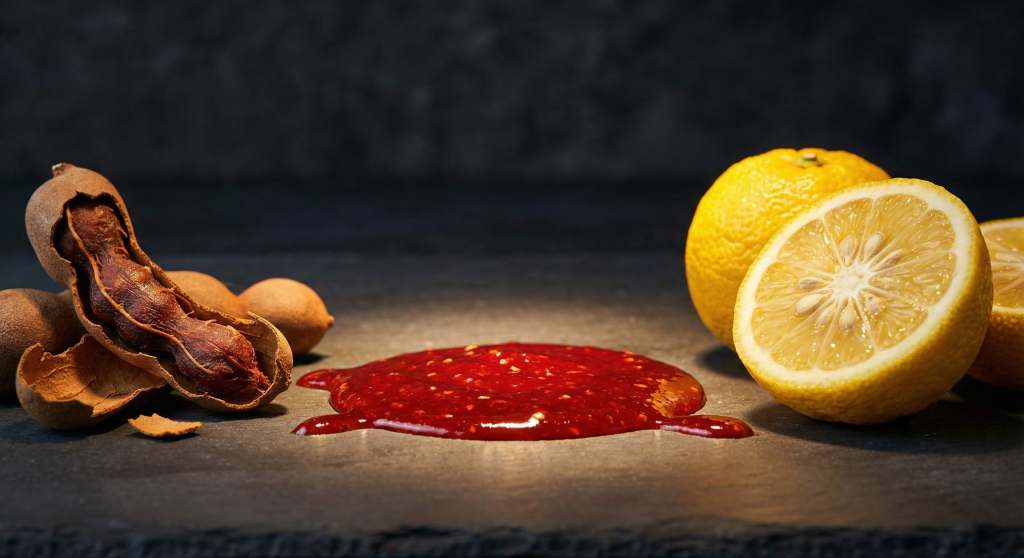
If you haven’t seen Tamarind popping up on your vendor sheets yet, you likely haven’t been looking closely enough. McCormick named it their “Flavor of the Year” for 2024, and its trajectory has only shot upward since then. Tamarind is a pod-like fruit native to Africa and Asia that offers a distinct, complex sweet-sour profile.
Why is this important for a C-Store? Because Tamarind is the ultimate “bridge” ingredient. It possesses the sour acidity of a lime but carries a deep, caramelized sweetness similar to molasses or brown sugar. This makes it an incredibly safe entry point for customers who want to experiment without going too extreme. It is familiar; it’s actually a base ingredient in steak sauce and Worcestershire sauce, but it feels exotic when highlighted on a label.
We are currently seeing brands like Tamarind Heads BBQ break into major retailers with sauces that hit those “swicy” and “swangy” notes perfectly. This is your opportunity to upgrade your condiment aisle or your foodservice offerings without alienating your core meat-and-potatoes customers. It offers the “newness” they crave with the safety of a BBQ profile they trust.
What You Should Be Doing
- Audit Your BBQ Inventory: Go look at your grocery aisle and your foodservice condiment station right now. If your BBQ sauce selection is limited to “Honey,” “Hickory,” and “Original,” you are leaving money on the table. You are serving a 1990s palate in a 2026 world.
- Source the “Bridge”: Contact your grocery distributor and specifically ask for Tamarind-based or Vinegar-forward BBQ sauces. If they don’t have a specific tamarind SKU, look for “Spicy Honey” or “Korean BBQ” blends, which often utilize tamarind paste to achieve that tang.
- Menu Application: If you have a roller grill or hot food program, introduce a “Spicy Tamarind Rib Sandwich” or use a tamarind glaze on your wings. It sounds premium and chef-driven, but it utilizes a shelf-stable sauce that is easy to execute and requires zero extra labor skills from your staff.
2. Yuzu: The Premium Signal
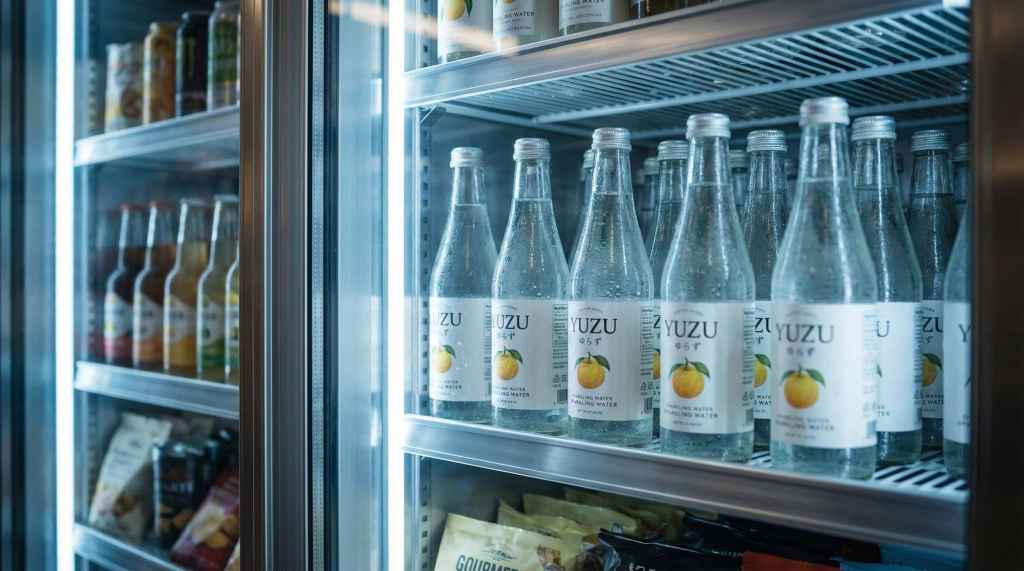
If Tamarind is the bridge, Yuzu is the status symbol. Yuzu is the “cool kid” of the citrus world right now. It is a Japanese fruit that tastes like a complex mashup of grapefruit, mandarin, and lemon. It creates a floral, tart explosion that standard yellow lemons simply cannot match.
Here is the operational reality: Fresh Yuzu is expensive and incredibly hard to source for a standard C-store. You don’t need the fresh fruit. 2026 is the year of Yuzu extracts and seasonings. We are seeing a flood of snacks hitting the market, like Woodridge Snacks’ Yuzu Zest Tempura Veggie Mix, that utilize Yuzu seasoning to deliver that high-end flavor profile in a grab-and-go format.
Why do you need this? Because Yuzu signals “Premium.” This is the “Lipstick Effect” in action; consumers may cut back on big purchases, but they will still splurge on affordable luxuries. When a customer sees “Yuzu” on a can of sparkling water or a bag of nuts, their perception of your store shifts from “gas station” to “curated retail destination.” It justifies a higher price point ($2.99 vs $1.99) and attracts a demographic that might usually skip the C-store for a high-end grocer like Whole Foods.
What You Should Be Doing
- Scan for Keywords: When reviewing new beverage, chip, or nut items from your DSD (Direct Store Delivery) vendors, prioritize items with “Yuzu” on the label. It is a trigger word for purchase intent among younger demographics and higher-income shoppers.
- The Beverage Reset: Look at your premium cold vault. Replace one facing of a slow-moving, generic lemon-lime soda with a Yuzu-flavored sparkling water or craft soda. The packaging is usually sleeker, and the margin is often better.
- Elevate the Impulse Buy: Place Yuzu-flavored snacks (nuts or rice crackers) near the register. These are high-margin impulse items that appeal to customers looking for a “better-for-you” treat that doesn’t feel like a compromise on flavor.
3. Chamoy: The Viral Phenom
Tamarind and Yuzu are growing, but Chamoy is the undisputed king of the “Swangy” trend. A Mexican condiment made from fermented fruit (often apricot, mango, or plum), chilies, and lime, Chamoy is growing faster than almost any other sauce on menus right now, up a staggering 204% over the last four years.
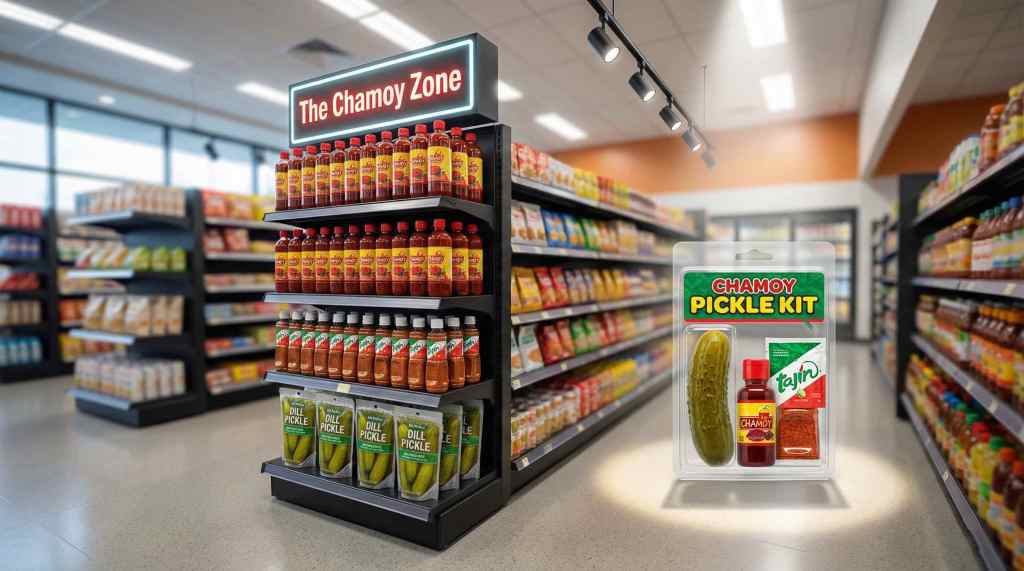
This is not just a condiment; it is a cultural phenomenon driven by social media. The “Chamoy Pickle Kit” trend exploded on TikTok, where users film themselves combining big dill pickles, Chamoy sauce, Tajín powder, and spicy candy (like Takis or fruit roll-ups) into a messy, sensory-overload experience.
This represents a massive opportunity for convenience stores because we sell all the components. You don’t need to manufacture a new product; you just need to merchandise your existing inventory differently. This is about understanding that your customers want to “hack” their snacks. They want to be the chef. By providing the tools, you enable the experience.
What You Should Be Doing
- Create a “Chamoy Zone”: Stop hiding your Mexican candy and condiments in a dusty “ethnic” section in the back corner. Move them front and center. Treat them as a featured category, not an afterthought.
- Bundle for the Win: Create an endcap or a counter display that bundles Chamoy sauce, Tajín, Big Tex (or Van Holten’s) Dill Pickles, and Spicy Rolled Tortilla Chips together. Visually group them, so the customer sees the “kit” immediately.
- Signage Matters: Put up a handwritten or printed sign that says, “Build Your Own Pickle Kit.” You are essentially creating a viral product kit without having to manufacture anything. You are selling four items instead of one, multiplying your basket size instantly from $1.50 to $8.00.
The “Savor-Sour” Bakery Shift
Before we wrap up the supply chain discussion, I want to touch on one more category: Bakery. We usually think of “Swangy” in terms of chips and sauces, but the trend is bleeding into pastries.
We are seeing a move toward “Savor-Sour” pastries. Customers are becoming fatigued by the monotony of sugar-heavy glazed donuts. They are looking for sourdough croissants, biscuits flavored with Sudachi (another sour Japanese citrus), and black pepper notes. These items appeal to the “functional flavor” craving we discussed in Post 2; they feel lighter and less likely to cause a mid-morning sugar crash. While you may not bake from scratch, look for thaw-and-serve bakery items that feature sourdough bases or citrus glazes rather than just heavy vanilla or chocolate.
What You Should Be Doing
- Review Your Pastry Case: If your case is 100% sweet, you are missing the savory breakfast crowd who wants something satisfying but not sugary.
- Sourcing Inquiry: Ask your bakery supplier specifically if they have any sourdough-based breakfast sandwiches or citrus-infused muffins. The sourdough trend is massive in QSR (Quick Service Restaurants), and it belongs in C-Stores too.
- Trial Run: Test a “Lemon-Pepper Scone” or a similar item to see if your morning commuters bite on a less sugary option. Often, these items pair better with coffee than ultra-sweet donuts do.
The Bottom Line: Let Your Heroes Shine
We have now identified the “Hero Ingredients” that are powering the “Swangy” revolution. You know that Tamarind is your bridge to safer experimentation, allowing hesitant customers to try new flavors without fear. You know that Yuzu is your ticket to premium perception, helping you justify higher margins and attract a more affluent shopper. And you know that Chamoy is your viral powerhouse that can drive volume and multi-item purchases through social media trends.
However, having these ingredients sitting in cases in your backroom or hidden on the bottom shelf doesn’t make you money. Ingredients sitting in a warehouse are costs; ingredients in a customer’s hand are revenue. The biggest challenge for convenience store operators isn’t just buying the right product; it’s figuring out how to deploy it in a high-volume, low-labor environment.
You don’t have a sous chef to plate these items, and you don’t have unlimited labor hours to explain flavors to every customer. You need a strategy to make these items sell themselves. You need the store layout to do the heavy lifting.
In Part 4, we are going to pivot from Sourcing to Operations. I am going to show you exactly how to transform your condiment bar, your snack aisle, and your store flow to turn these exotic flavors into a frictionless, “Swangy” profit center. We will talk about the specific operational “hacks” regarding placement, signage, and bundling that drive trial and repeat purchases. Stick with me; we’re about to turn these insights into action.



 The5For
Leave a comment