Lessons from Sheetz and Wawa & Your Strategic Roadmap
We have reached the finish line!
It has been quite a journey over the last six posts. We started this series by confronting a terrifying but exciting reality: the “Agentic Shift,” where AI agents will soon be making buying decisions for your customers. From there, we navigated the “Trust Gap” and the fear of losing agency, explored the massive revenue potential of “Retail Media Networks,” and tackled the delicate “Privacy Paradox.”
We didn’t stop there. In Post 5, we looked at the looming regulatory crackdown on surveillance pricing, and in our last discussion (Post 6), we broke down the concept of the “Glass Box”, using radical transparency to win customer loyalty.
If you are feeling a bit overwhelmed, that is a perfectly normal reaction. The landscape of convenience retail is more complex today than it has ever been in the history of the industry. We are no longer just selling gas and snacks; we are managing data privacy, navigating AI algorithms, and competing with tech giants.
However, complexity creates opportunity. While your competitors are likely paralyzed by the fear of privacy laws or the confusion of new technology, you have the chance to move forward with a strategy that prioritizes the one thing algorithms can’t fake: Trust.
To close out this series, I want to ground all this high-level theory in reality. We are going to look at two best-in-class operators who are navigating this future right now: Sheetz and Wawa. They have taken different paths, but both offer powerful lessons on how to balance technology with humanity.
Finally, I will leave you with a comprehensive, step-by-step roadmap, a checklist to future-proof your business for 2026 and beyond. Let’s get to work.
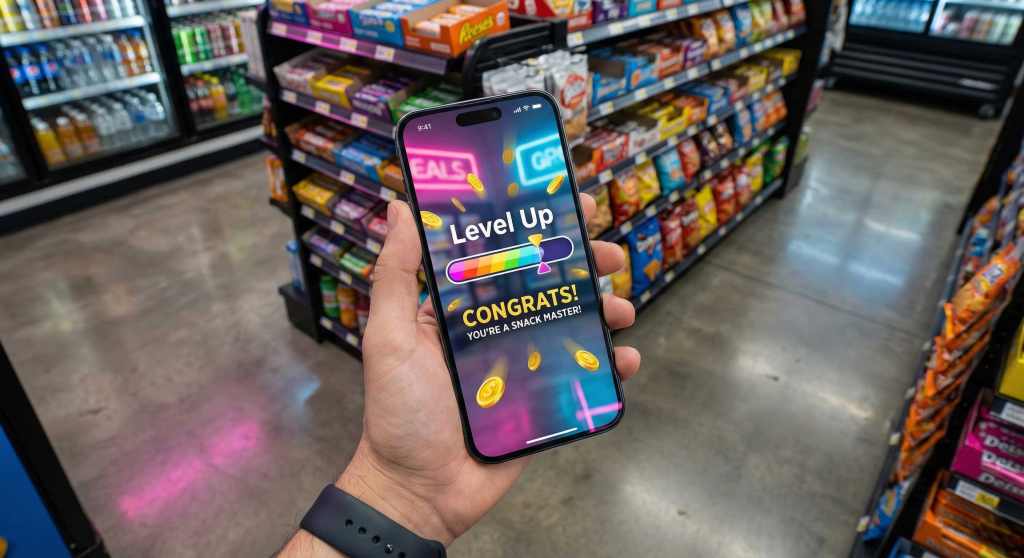
Sheetz: Gamifying the Value Exchange
If you want to understand how to solve the “Privacy Paradox” we discussed in Post 4, look no further than Sheetz. They have mastered the art of the Value Exchange.
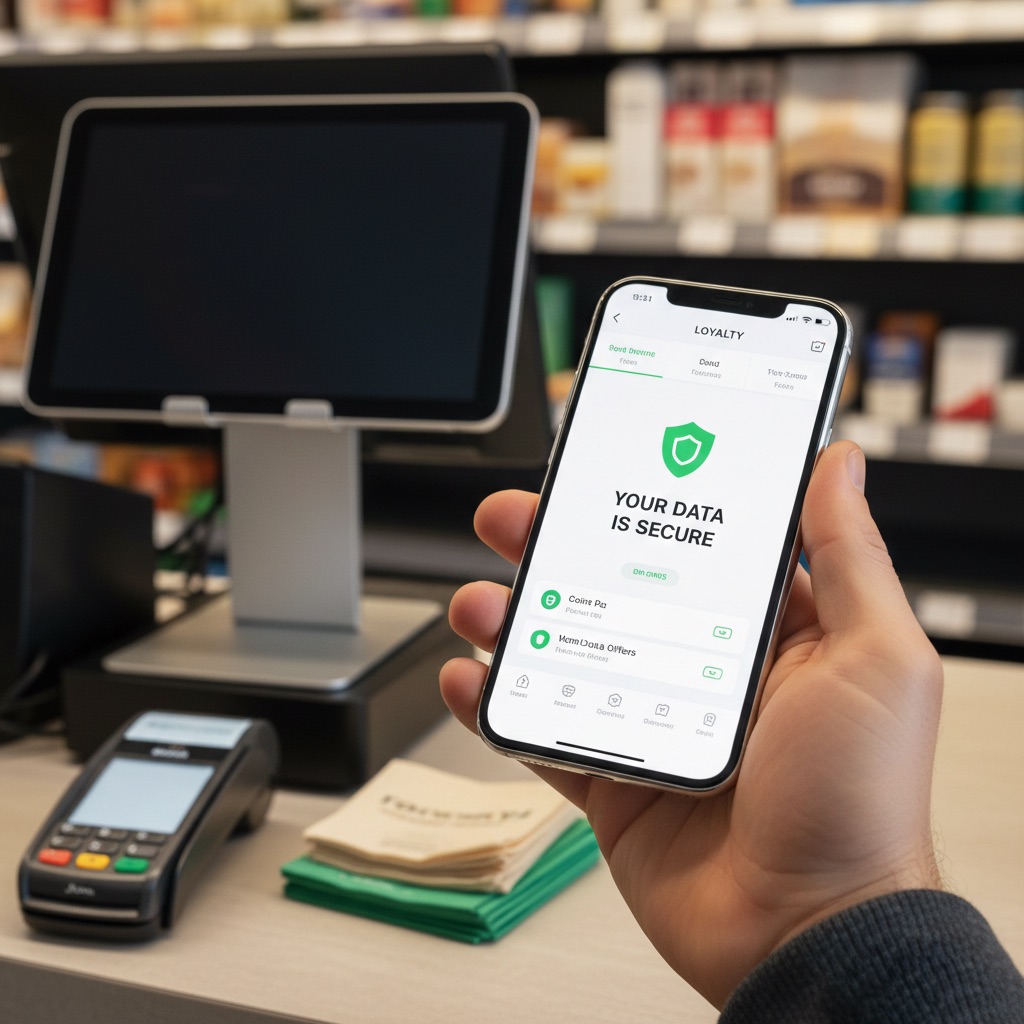
In an era where customers are terrified of “black box” algorithms quietly stealing their data, Sheetz decided to make the data exchange a transparent, engaging game. They don’t hide what they are doing; they lean into it. Their loyalty program explicitly tiers customers into three distinct categories: Fan, Friend, and Freak.
This is brilliant consumer psychology. By using a label like “Freak” for their top tier, they validate the behavior of their most loyal customers. Customers know that to become a “Freak” (and unlock the best rewards), they must engage more and share more data. The rules are public, the status is coveted, and the exchange is obvious.
The “Spendable Pointz” Revolution
In late 2025, Sheetz transitioned their loyalty engine to Ignite Retail Technology. But don’t mistake this for a boring IT upgrade. It was a strategic move to address the “Loss of Agency” we discussed in Post 2.
The new system focuses on “spendable pointz.” In the past, many loyalty programs used algorithms to decide what rewards you got, forcing a free coffee on a tea drinker, for example. Sheetz flipped the script. They unified their data to create a currency that the customer controls. You earn points, and you decide exactly how to spend them.
This puts the agency back in the customer’s hands. It tells the customer: “We track your purchases, yes. But in exchange, we give you a currency that you have total power over.”
What You Should Be Doing
You might not have Sheetz’s IT budget, but you can steal their psychology.
- Gamify Your Tiers: Don’t just have a “member” status. Create aspirational tiers (e.g., “Rookie,” “Pro,” “Legend”) that encourage customers to voluntarily share data to level up.
- Kill “Surprise” Rewards: Move away from algorithm-based random rewards. Switch to a “bankable” points system where the customer chooses their reward. This reduces the “creepy” factor of AI prediction.
- Be Explicit About the Trade: Market your loyalty program honestly. “Sign up, tell us what you like, and we will give you X.” Transactional transparency builds trust faster than hidden tracking.
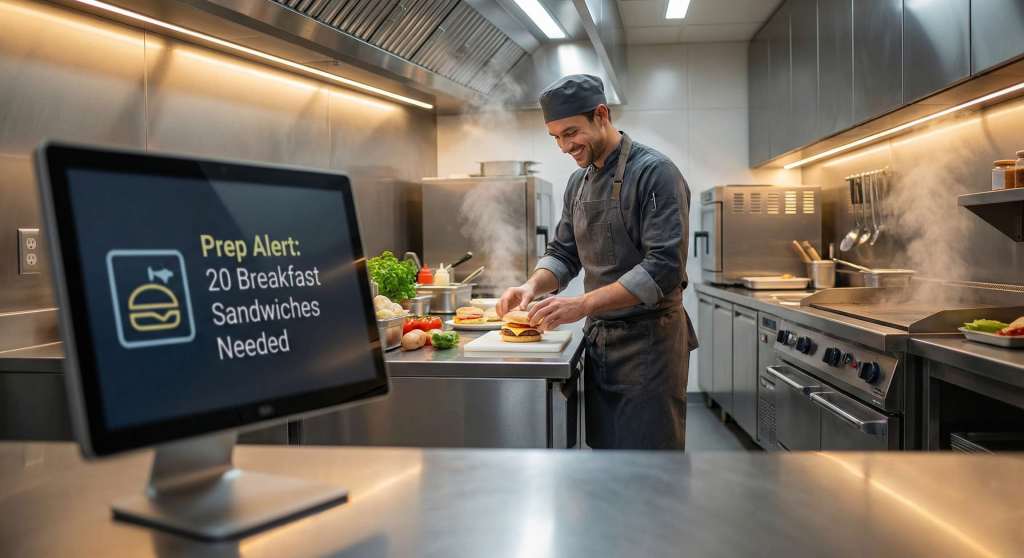
Wawa: The “Centaur” Model of Efficiency
While Sheetz is revolutionizing the customer-facing interface, Wawa is taking a slightly different, equally powerful approach. They are leaning heavily into what they call “Augmented Intelligence.”
In the tech world, there is a concept called the “Centaur Model.” It’s the idea that a human combined with an AI is smarter and more effective than either a human alone or an AI alone. Wawa CEO Chris Gheysens has openly discussed empowering “local frontline store associates” with this technology.
Wawa isn’t trying to replace their staff with robots; they are using robots to make their staff superhuman.
Bypassing the Uncanny Valley
We talked about the “Uncanny Valley” in Post 2, that eerie feeling customers get when interacting with a fake human AI. Wawa bypasses this entirely.
Instead of using AI to target the customer directly (which can feel invasive), Wawa uses AI to prompt the staff. The system might predict a rush on hoagies due to a local event and tell the kitchen to prep ingredients 20 minutes early. Or it might alert a manager that a register needs to open before the line even forms.
The customer gets a better experience, fresher food, shorter lines, cleaner bathrooms, but they still interact with a human face. The technology is invisible, doing the heavy lifting in the background to make the human connection stronger.
What You Should Be Doing
- Implement Predictive Prep: Use your sales data to create “prep sheets” for your kitchen staff. If you know you sell 20 breakfast burritos between 7:00 AM and 8:00 AM, automate that prompt so the staff isn’t scrambling.
- Automate the Boring Stuff: Invest in cash recyclers or automated inventory ordering. Every minute your staff isn’t counting pennies or checking stock is a minute they can spend smiling at a customer.
- Keep the Interface Human: Unless it’s a self-checkout (which customers expect), try to keep your AI invisible. Let the technology support the employee, not replace the interaction.
The Series Roadmap: Your Final Checklist
We have covered a massive amount of ground. To make this actionable, I have consolidated the insights from all seven posts into a strategic checklist. This is your roadmap for 2026.
- 1. Audit Your Digital Signal (From Post 1)
- Goal: Ensure AI Agents can “see” you.
- Action: Update your Google Business Profile, Apple Maps, and GasBuddy listings. Ensure your amenities (especially EV chargers and foodservice hours) are accurate and structured data-ready.
- 2. Respect the “Kill Switch” (From Post 2)
- Goal: Restore Customer Agency.
- Action: Review your app and loyalty program settings. Is there a clear, easy way for customers to opt-out or delete their data? If not, build it. Giving them the “off” switch gives them the confidence to leave it “on.”
- 3. Monetize Context, Not Identity (From Post 3)
- Goal: Leverage Retail Media Networks (RMN) safely.
- Action: When selling digital ad space (on pumps or screens), focus on contextual data (weather, time of day, local traffic) rather than tracking individual user identities. It’s effective and privacy-safe.
- 4. Practice “Just-In-Time” Permissions (From Post 4)
- Goal: Solve the Privacy Paradox.
- Action: Stop asking for all permissions at download. Only ask for location data when the user is searching for a store. Only ask for camera access when they are scanning a code. Contextual requests reduce friction.
- 5. Prepare for the Law (From Post 5)
- Goal: Avoid Regulatory Penalties.
- Action: Assume “Surveillance Pricing” (charging different people different prices based on data) will be illegal. Stick to transparent, rule-based pricing and loyalty discounts that are available to everyone who joins the program.
- 6. Build a “Glass Box” (From Post 6)
- Goal: Radical Transparency.
- Action: Create a “Data Dashboard” for your customers. Let them see exactly what you know about them (e.g., “Your favorite drink is Coffee”) and let them correct it. Turn the database into a customer benefit.
- 7. Empower Your Humans (From Post 7)
- Goal: The Centaur Model.
- Action: innovative technology should reduce the workload on your staff, not increase it. If a new tech tool makes your cashier’s job harder, scrap it. Use tech to free up humans to be humans.
The Bottom Line: Trust is Your New Currency
The convenience store of the future is a data company, a media network, and a foodservice destination wrapped into one. It is a complicated machine.
But underneath all that technology, the AI agents, the retail media networks, the predictive ordering, the fundamental rule of business hasn’t changed: Business moves at the speed of trust.
If you build a system that acts like a surveillance machine, hiding in the shadows and extracting value without permission, your customers will eventually leave you. They will leave you for the competitor who respects their dignity.
However, if you build a system that respects your customer’s privacy, gives them agency, and offers a transparent value exchange, they will reward you with something more valuable than data: Loyalty.
The tools are in your hands. You have the roadmap. The rest is up to you.
Good luck.




 The5For
Leave a comment