Fresh Food Is the MM Engine
We’ve established the incredible potential of Micro Markets (4X sales). It is vital to have airtight security to protect those profits. Choosing the right deployment model based on your C-store archetype is also strategically necessary. If you are a Regional Super-Chain (Archetype 1) or a Campus Operator (Archetype 3), you are uniquely positioned for MM success.
Why? Because the entire profit model of a Micro Market hinges on one core capability that neither traditional vending nor basic C-stores can replicate: the ability to sell high-quality, high-margin fresh food.
A customer may browse a Micro Market because it’s convenient. However, they will spend more, driving that critical 4X revenue boost. This is because they can buy a fresh salad, a gourmet sandwich, or a healthy wrap instead of just a bag of chips. This fresh food is your competitive edge, but it is also your biggest operational headache.
If your C-store chain struggles with internal QSR quality, consistent foodservice operations, or maintaining strict temperature requirements for perishables, the Micro Market model will fail. These challenges make it difficult to succeed. The operational complexity of the “cold chain”, maintaining temperature control from production to consumption, is the ultimate barrier to entry for any aspiring MM operator.
In this post, we will dissect the logistical demands of the fresh food supply chain. We will give you the actionable steps necessary to transition from a packaged-snack mentality to a highly disciplined, perishable-goods powerhouse. This ensures your MM is a meal destination, not just a snack stop.
Mastering the Logistics: The Three Pillars of Fresh Food Profitability
The transition from stocking shelf-stable goods to managing fresh, refrigerated meals introduces a completely new level of operational complexity. This complexity revolves around maintaining product quality, reducing spoilage, and ensuring delivery speed.
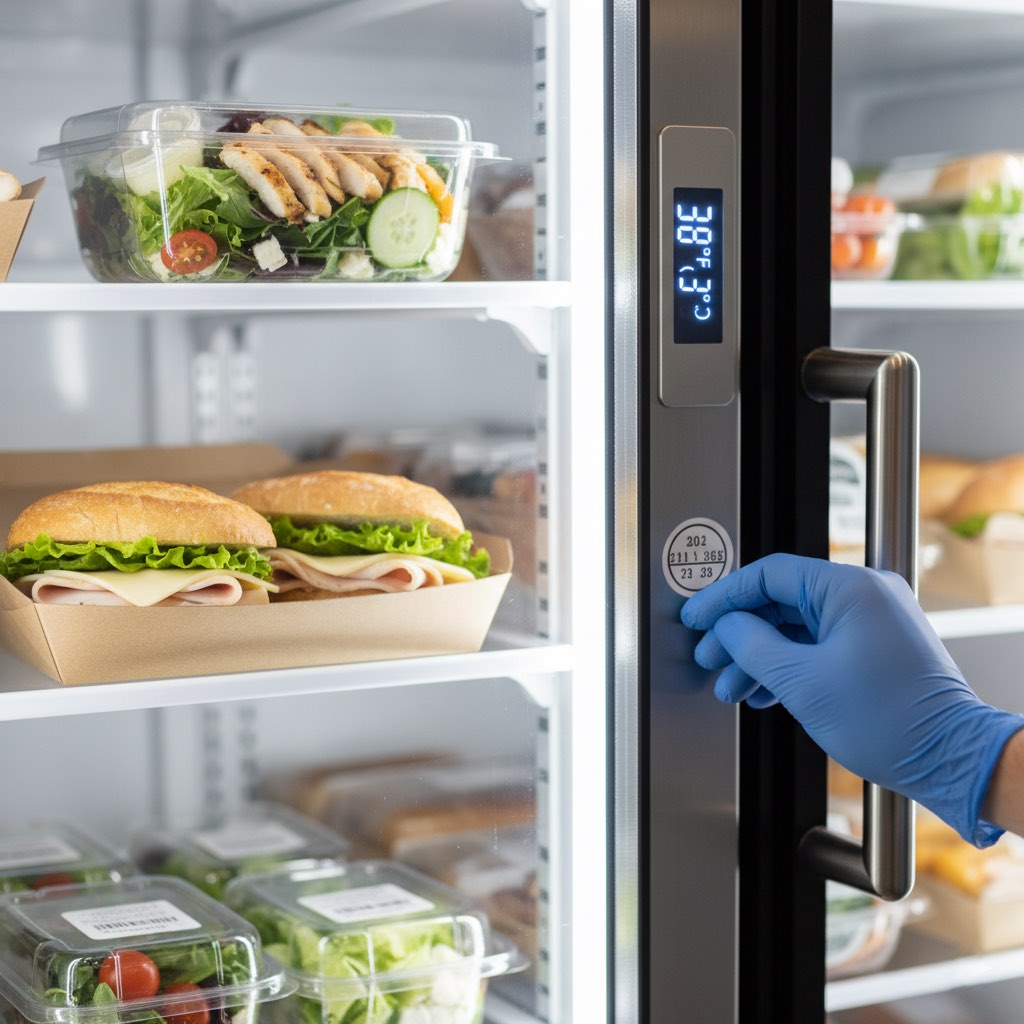
1. The Cold Chain Imperative: From Prep to Plate
For Micro Markets to succeed, the “cold chain” must be unbroken. This means temperature control must be maintained from the moment the food is prepared. It should remain controlled until the customer purchases it from the refrigerated MM cooler.
- Stringent Food Safety Standards: You must be prepared to adhere to highly complex food safety regulations specific to perishable goods. This is far more rigorous than managing packaged snacks. Staff must be rigorously trained in maintaining optimal temperatures. They must also be knowledgeable in sanitation and short-dated inventory management. This training helps prevent health risks and spoilage.
- High-Velocity, Short Shelf-Life Inventory: Fresh items like salads and sandwiches have a very short operational lifespan. This requires your inventory system to be precise and unforgiving. You cannot overstock. You must be able to track every item’s expiration date in real-time, pulling products with speed and diligence.
- The Investment in Refrigeration: You need reliable, commercial-grade refrigerated cases and coolers in your Micro Markets. These are expensive, but they are essential. Do not try to cut costs on refrigeration hardware; failure here means instant spoilage of your highest-margin items.
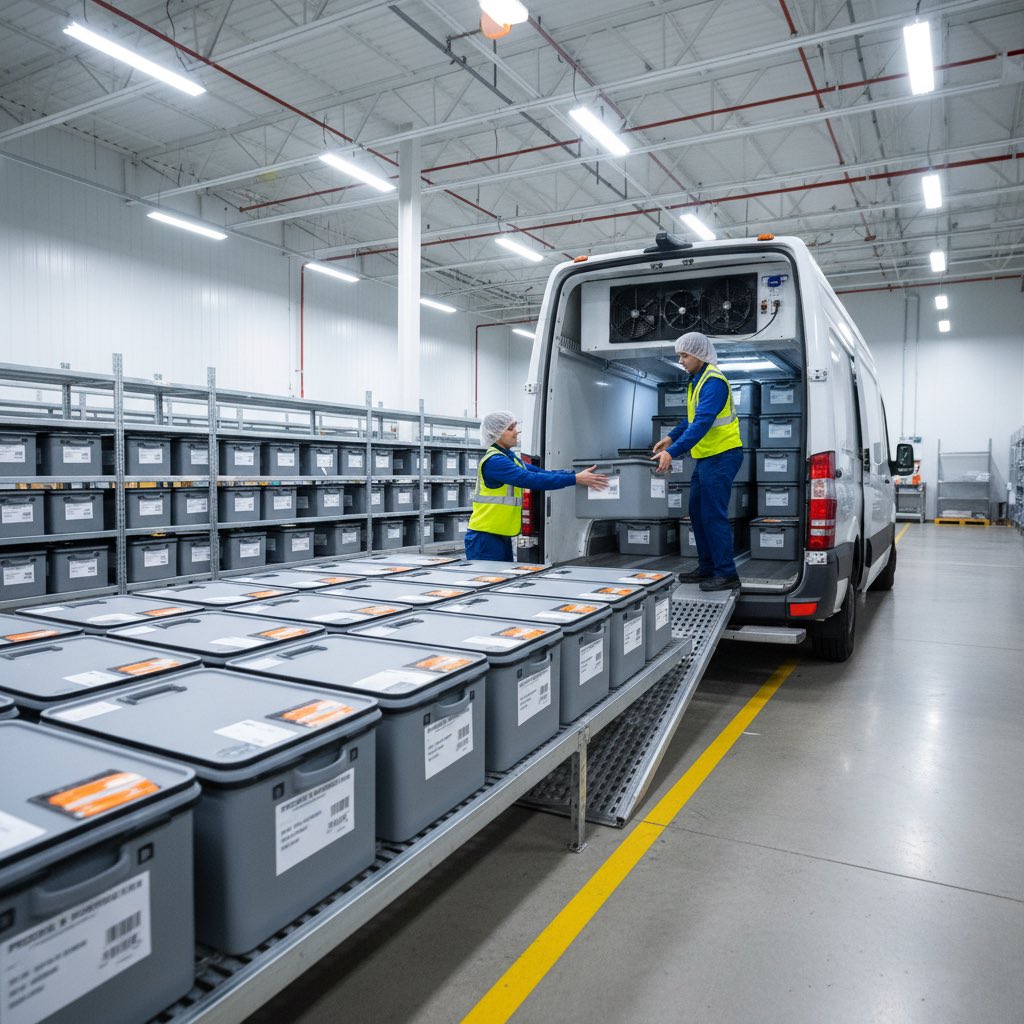
2. The Last Mile Logistics: High-Frequency, Specialized Delivery Routes
Micro Markets, unlike centralized C-stores, are decentralized retail points. This means your delivery operations must be completely overhauled to handle frequent, specialized routes.
- The Need for High-Frequency Restocking: To minimize spoilage and keep the selection appealing, MMs require frequent restocking, often daily, especially in high-volume locations. Stale product selection and empty shelves are the fastest way to kill repeat business.
- Optimizing the “Last Mile” Facility: C-store chains must adapt their internal “last mile” facilities, the depots closest to the final market destination, to handle the specific needs of fresh food. These facilities must be equipped with dedicated cold storage and efficient staging areas for perishable goods.
- Fleet and Route Efficiency: Your delivery fleet needs to be optimized for these high-velocity, specialized routes. You cannot treat an MM delivery like a traditional C-store bulk delivery. The routes must be designed to minimize travel time and maximize temperature control during transit. Chains that have already built operational excellence in QSR production are inherently better prepared for this logistical reality.
- Adaptation to Demand Fluctuation: Your supply chain needs to be flexible. The demand for fresh food at a corporate campus might look different on a Friday afternoon than a Monday morning. Your system must leverage the MM’s POS data (which we will discuss in the next post) to dynamically adjust production and delivery volumes, ensuring you meet demand without incurring waste.

3. Leveraging Existing QSR Capabilities: The Internal Advantage
For C-store chains in Archetype 1 (Super-Chains), your greatest operational advantage is the QSR infrastructure you already possess. This established backbone of food preparation and distribution makes the MM transition significantly smoother.
- Branded Consistency: If your chain is known for a clean store, excellent coffee, or high-quality deli items, the MM allows you to seamlessly extend that trusted brand into captive environments. Customers trust the branded fresh food from a recognized C-store chain more than a generic vending operator.
- Streamlining the Production Pipeline: Chains with internal bakery production, made-to-order food systems, or commissary kitchens can extend their existing production pipeline. They can do this to include MM inventory. This allows you to leverage existing staff, equipment, and purchasing power to produce high-quality MM stock at scale.
- Foodservice as the Differentiator: In the competition for B2B contracts (Archetype 1 and 4), your capability to deliver high-quality fresh food is the ultimate differentiator. It allows you to position the MM as a premium employee benefit, driving higher contract value and securing long-term partnerships.
What You Should Be Doing: Your Fresh Food Readiness Audit
Before launching or expanding your Micro Market program, you must pass this critical operational readiness check:
- Conduct a Cold Chain Audit: Map your supply chain from food prep/sourcing to final placement in the MM cooler. Identify every potential point of temperature failure and invest in necessary upgrades to vehicles and handling facilities.
- Implement High-Frequency Routing: Designate specific, efficient “Micro Market Routes” that are separate from your general C-store deliveries. Ensure these routes prioritize the smallest time window for perishables delivery and restocking.
- Standardize MM Planograms for Spoilage: Establish initial product mixes (planograms) based on low-risk items and gradually introduce more complex fresh items. Use POS data from the market (Post 5 topic) to track spoilage against sales to optimize the mix weekly.
- Rigorously Train Staff on Perishables Management: All delivery and restocking staff must be trained on food safety, temperature logging, and FIFO (First-In, First-Out) inventory rotation. This training is necessary to minimize waste and ensure customer safety.
The Bottom Line: The Fresh Food Mandate
Micro Markets are not just technology; they are a logistical model built on the foundation of fresh food excellence. You can have the best technology, the tightest security, and the perfect location. However, if your fresh food offerings are stale, inconsistent, or unsafe, the entire model collapses. Mastering the cold chain is essential. Integrating high-frequency logistics transforms a meal destination into a thriving one. Without these elements, it becomes an expensive, glorified vending machine.
This logistical mastery, however, is impossible without data. In an unattended retail environment, your Point-of-Sale (POS) system is not just a checkout register. It’s the brain of your entire operation. It tracks inventory, demand, and loss in real time. In our next post, we will explore the technology infrastructure needed to manage a decentralized MM network. Our focus will be on Beyond the Swipe: Building the ‘Connected Campus’ with Smart POS and Mobile Apps.





 The5For
Leave a comment