The Internal Culture Becomes External Service
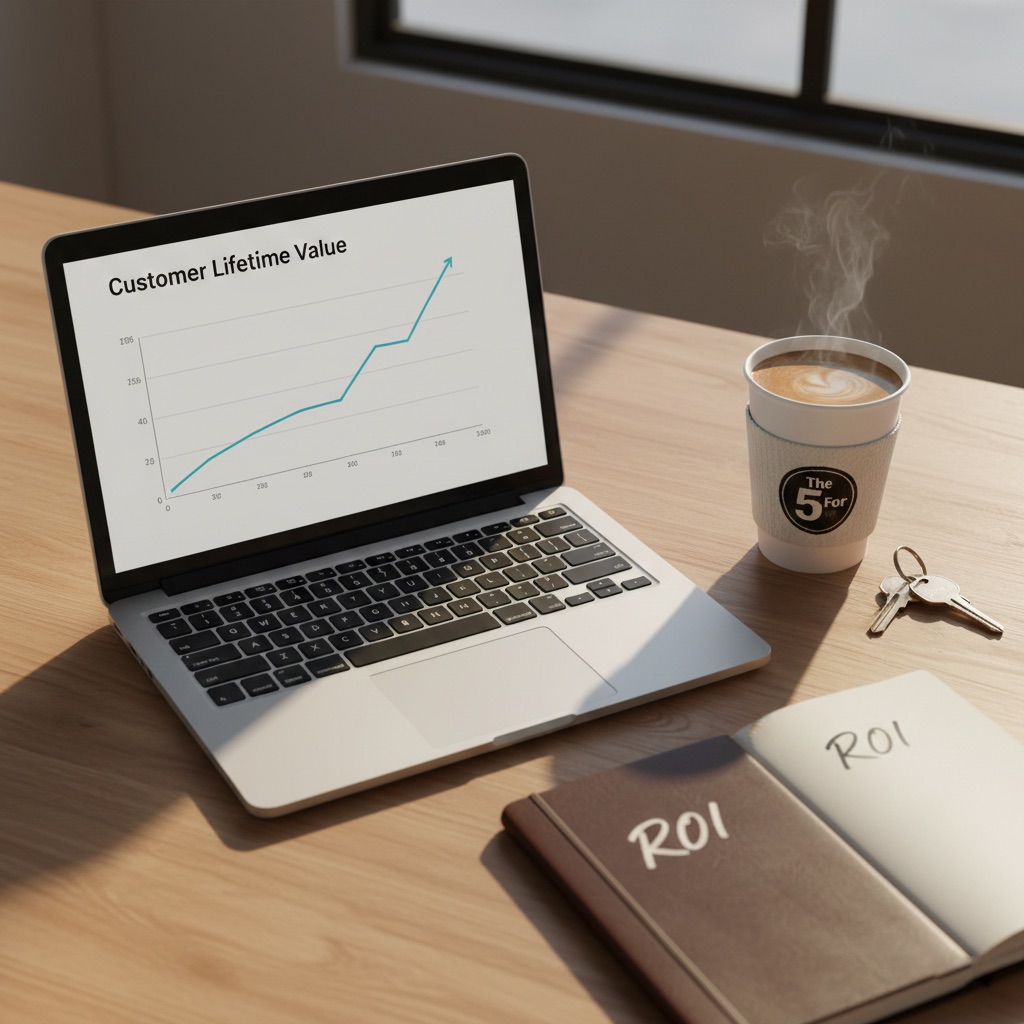
In our first two posts, we laid the essential groundwork. We established the financial necessity of Emotional Safety (ES), proving that investing in your team yields extraordinary ROI (like that impressive $8.13:1 return). Then, we provided the blueprint for building that inner culture of trust and respect. We achieved this by focusing on managerial vulnerability. We also mitigated psychosocial risks.
Now, we shift our focus to the front line: The Customer Impact.
Your C-store is a high-volume transactional business. Customers often choose you purely for pragmatic reasons: price, speed, and convenience. However, those pragmatic factors are simply the price of entry; they are not enough to guarantee long-term loyalty.
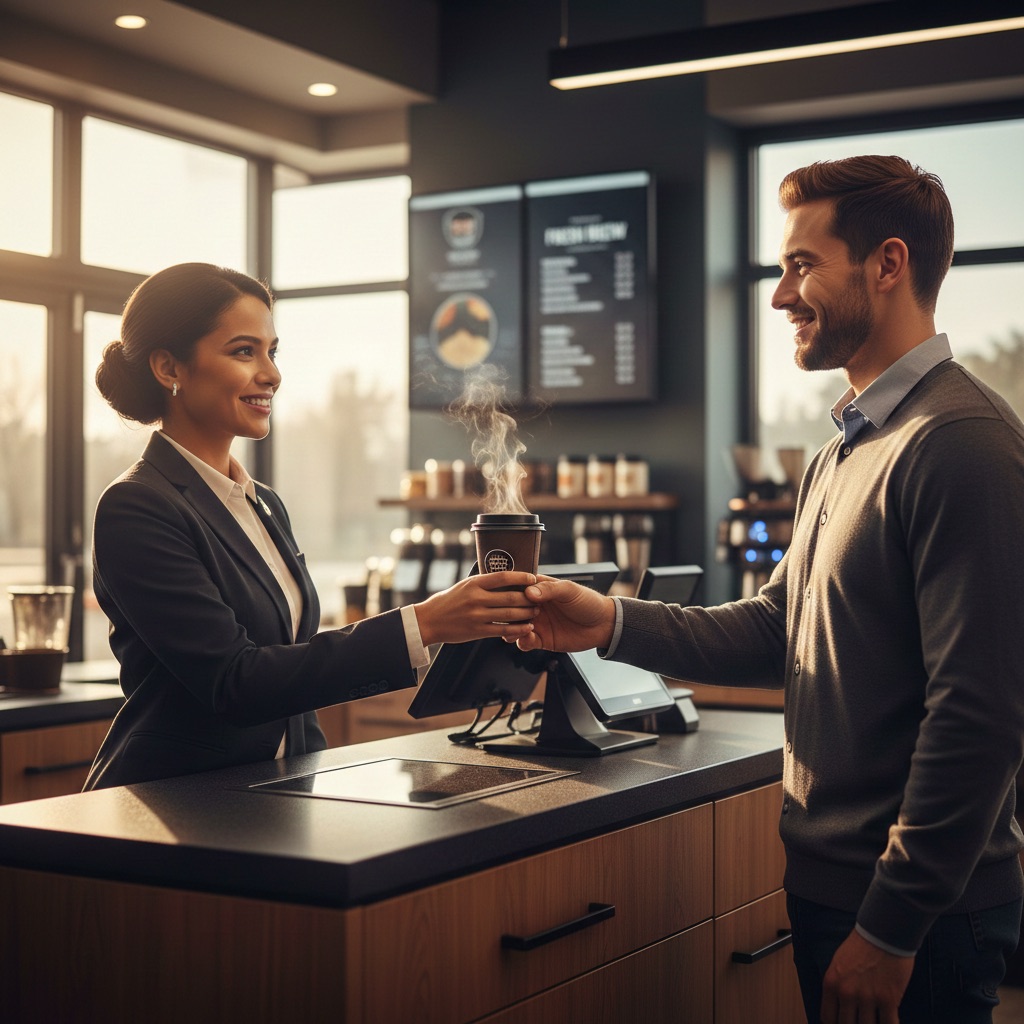
What truly separates the industry leaders is the ability to move customers beyond mere transactions and into relationships. This shift is impossible if your staff is stressed, burned out, or fearful. A distracted or overwhelmed cashier cannot consistently deliver excellent customer service; their high internal stress jeopardizes customer satisfaction and loyalty.
The key to unlocking deep customer loyalty lies in what we call SafeCX, the holistic concept that links employee wellbeing to a safe customer experience. A team that feels safe, valued, and respected will project confidence, professionalism, and empathy. This attitude turns potentially difficult interactions into opportunities for positive brand engagement. I want to demonstrate how this internal cultural work yields great benefits on your sales floor. It drives long-term loyalty and boosts your bottom line.

The C-Store Experience: SafeCX and the Loyalty Dividend
Customer loyalty isn’t just about points programs; it’s about perceived trust and security.
Safety as a Loyalty Driver
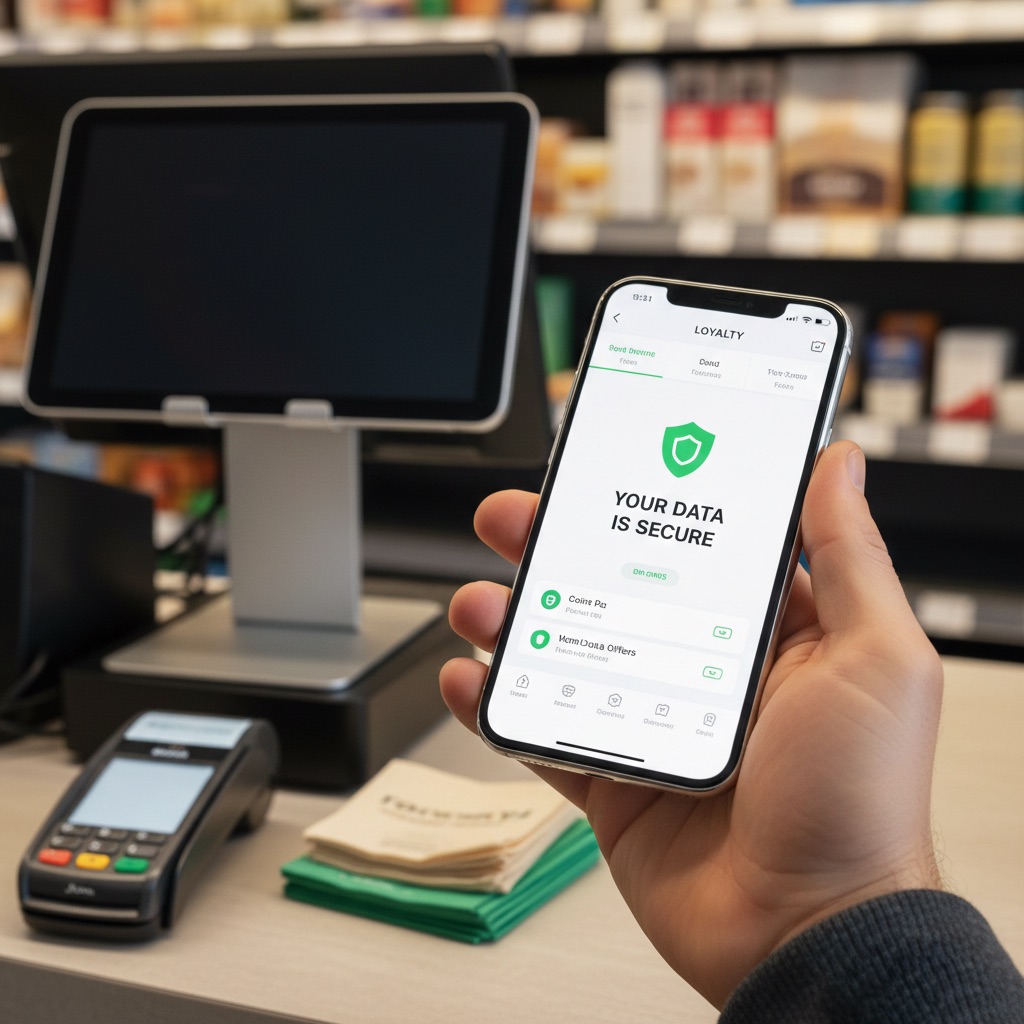
SafeCX is the understanding that a customer’s perception of safety, both physical and emotional, is a critical driver of brand loyalty, Customers simply will not return to stores where they feel unsafe.
While convenience store loyalty is strongly driven by pragmatic factors like convenience and price, emotional connections deepen that loyalty, moving customers beyond transactional behavior.
When a C-store effectively cultivates emotional connections with its customers, it can achieve significant profitability. It can be 60% higher compared to those that neglect emotional branding. 60% higher profitability is the loyalty dividend.
Preventing Reputational Damage: Why it Matters to You
Neglecting customer safety and, by extension, employee safety, can lead to severe financial consequences beyond just lost sales:
- Legal Liabilities: Injuries or incidents on your premises can lead to lawsuits.
- Higher Insurance Costs: Frequent claims signal a high-risk business, increasing premiums.
- Reputational Damage: Incidents of theft, violence, or poor service due to staff stress can negatively impact your store’s reputation. This can drive shoppers to competitors or online options.
By prioritizing SafeCX, you are actively mitigating these cumulative costs. Security measures, such as visible video monitoring and well-lit parking areas, provide reassurance and foster trust. These measures signal that safety is a priority. This focus on safety is essential for attracting and retaining shoppers.

Make Safety Visible: What You Should Be Doing
Integrate security and safety features into your customer experience strategy.
- Audit Your Lighting: Ensure all exterior and parking lot lighting is bright and functioning nightly. A dark exterior signals neglect and heightens customer anxiety.
- Use Visible Surveillance: Place video monitoring equipment in highly visible locations. This provides reassurance to customers that their safety is a top priority, building immediate trust.
- Keep Clear Sightlines: Ensure windows are not plastered with excessive signage and that your sales area maintains an unobstructed line of sight to the outside. This is a crucial, low-cost measure of natural surveillance.
- Train Staff as Safety Ambassadors: Train staff to acknowledge every customer who enters and leaves. This human interaction is a powerful, low-cost deterrent that reinforces a safe, attentive environment.
The Empathy Engine: Staff Morale and Service Quality
The emotional state of your team is directly correlated with the quality of service they provide.
Stress Contagion
The role of a cashier is inherently demanding, requiring accuracy, speed, and continuous emotional labor. Stress or burnout in employees occurs due to poor internal support. These negative emotions can affect the customer interaction, a concept known as stress contagion.
- An overwhelmed cashier cannot focus on delivering the positive, engaged service required to make customers feel valued.
- An employee thrives in a psychologically safe environment. They are empowered to contribute their best ideas. This leads to improved productivity and higher customer satisfaction. This positive energy is reflected directly in their performance.
Converting Conflict to Connection: Why it Matters to You

In a C-store, staff frequently encounter unpredictable and volatile customer behavior. These incidents represent a major risk to both staff and brand reputation.
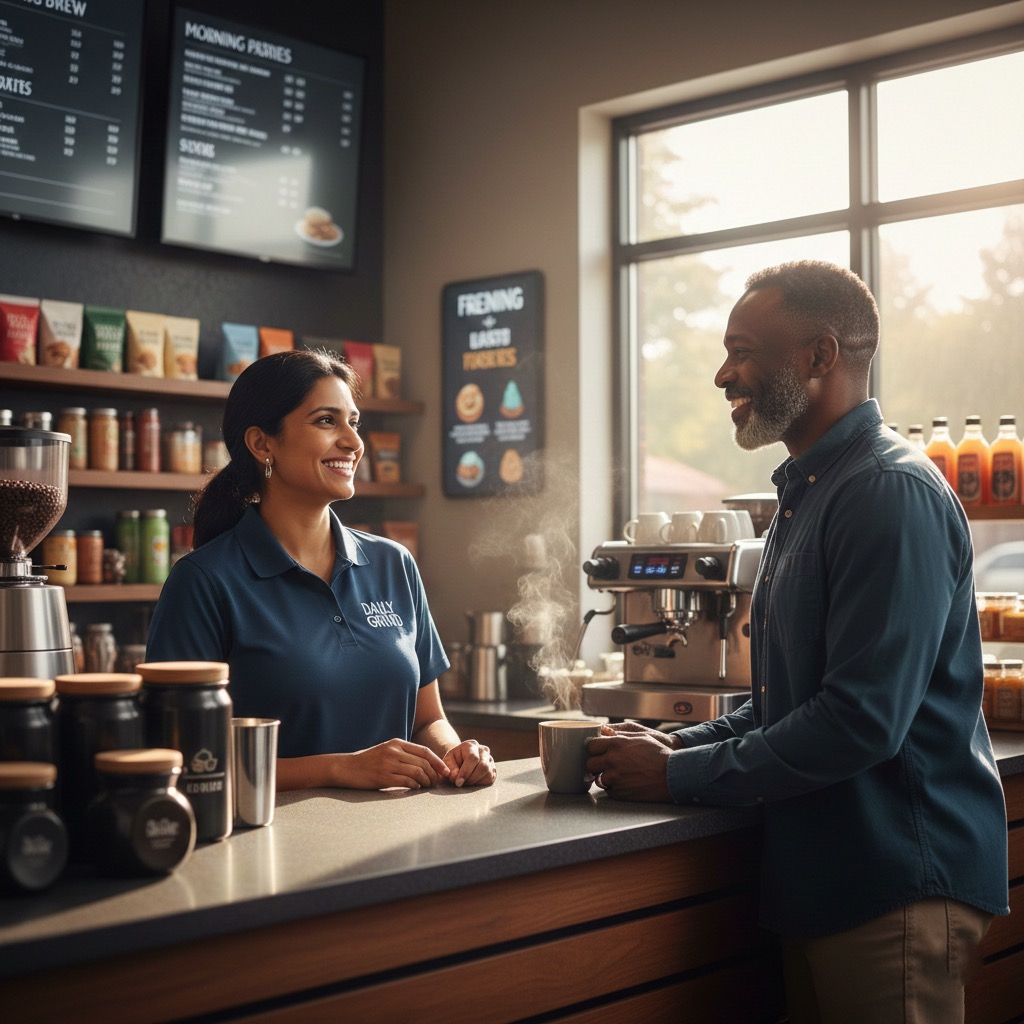
The employee who feels safe and trained is equipped to handle these situations gracefully, even under duress. Training in de-escalation empowers staff with the skills to maintain professionalism. It teaches them to use active listening and empathy. Staff can turn potential conflicts into opportunities for positive customer engagement. This is how you differentiate your store: by demonstrating humanity and competence even when things go wrong.
Reduce Friction, Enhance Focus: What You Should Be Doing
You must invest in strategies that allow your team to transition their mental energy from “stress management” to “customer service”
- Eliminate Manual Stressors: Implement systems that smooth out high-friction transactional processes. Automated cash management removes the stress and distraction of manual cash counts. This allows staff to focus entirely on customer interactions.
- Prioritize Empathy Training: Invest in training that goes beyond basic customer service. Focus on active listening skills and empathy. Ensure staff know how to better understand and address customer needs and concerns. This directly increases loyalty.
- 3. Staff the Front Line: Ensure adequate staffing during peak times. This reduces high-pressure situations. It also minimizes time constraints placed on cashiers. Rushing staff leads to mistakes, poor service, and high anxiety.
The Bottom Line: Building a Brand That Cares
The biggest takeaway from this installment is that the emotional security of your team is a public-facing asset. It’s the invisible engine that powers your customer experience. Create an internal culture that respects and values your employees. Protect them as well. This broadcasts a message of safety and competence to every person who walks through your door.
This is how a C-store moves from being a simple, transactional commodity to a trusted, community-focused brand. Remember that 60% higher profitability figure? That is the reward for building a brand that cares, one that achieves loyalty through trust and perceived safety (SafeCX) rather than just the latest discount.
We’ve now covered the Why (Post 1: Financial) and the Who (Post 2: Employee/HR). It is time to roll up our sleeves and define the How.
In our next installment, we will provide a concrete implementation plan for store leaders. We’ll be discussing Implementation: Practical Steps for Leaders to Build a Culture of Trust and Respect. We’ll give you a systematic, 3-step guide to assess psychosocial risks, redesign processes, and cement a “systems over blame” culture.



 The5For
Leave a comment