Proposed Meta Description: Your comprehensive, actionable checklist to finalize your C-store safety transformation, integrating culture, security, and proven ROI metrics.
The Ultimate Blueprint for C-Store Resilience
We have arrived at the final, most crucial step of our seven-part series. Over the last six installments, we have systematically dissected the importance of Emotional Safety (ES). It is the key competitive advantage for the modern convenience store.
- Financial Necessity: Driving documented returns as high as $8.13:1.
- Internal Culture: Mandating managerial vulnerability and a blame-free environment.
- External Impact: Establishing SafeCX and a loyalty dividend (60% higher profitability).
- Implementation & Measurement: Assessing psychosocial risks and tracking the 5 core KPIs.
- Final Protection: Mandatory De-escalation Training.
The reward for this commitment is a C-store that is not just convenient, but truly resilient, profitable, and ready for the future.
Now, we need to synthesize all this knowledge into a single, digestible, and immediately actionable plan. This final post is your Resilience Roadmap. It includes a comprehensive audit checklist. It also offers a focused 90-day action plan designed to finalize your C-store’s emotional safety transformation. These tools ensure consistent, long-term success.
Phase I: The Emotional Safety Audit (What You Have in Place)

Before charting the future, take stock of where you stand. Use this checklist to score your current policies against industry best practices.
Culture & HR Audit Checklist
Use this quick audit to identify your biggest cultural gaps.
- Managerial Vulnerability: Does leadership consistently model vulnerability and ask for open feedback?
- “System Over Blame”: Is the primary focus of error review on systemic causes, not individual punishment?
- Psychosocial Assessment: Have we formally surveyed staff to identify high Job Demands, Low Control, or Poor Support?
- Non-Retaliation Policy: Is the anti-harassment policy clearly enforced, and is non-retaliation explicitly guaranteed?
- Frictionless HR: Have we streamlined high-friction tasks (e.g., cash handling, scheduling) to reduce employee stress?
Security & Training Audit Checklist
Measure your physical and defense preparedness.
- Mandatory De-escalation: Have all frontline staff received formal, scenario-based de-escalation training?
- Non-Intervention Policy: Is there a clear, communicated policy stating employees must not physically intervene in a theft?
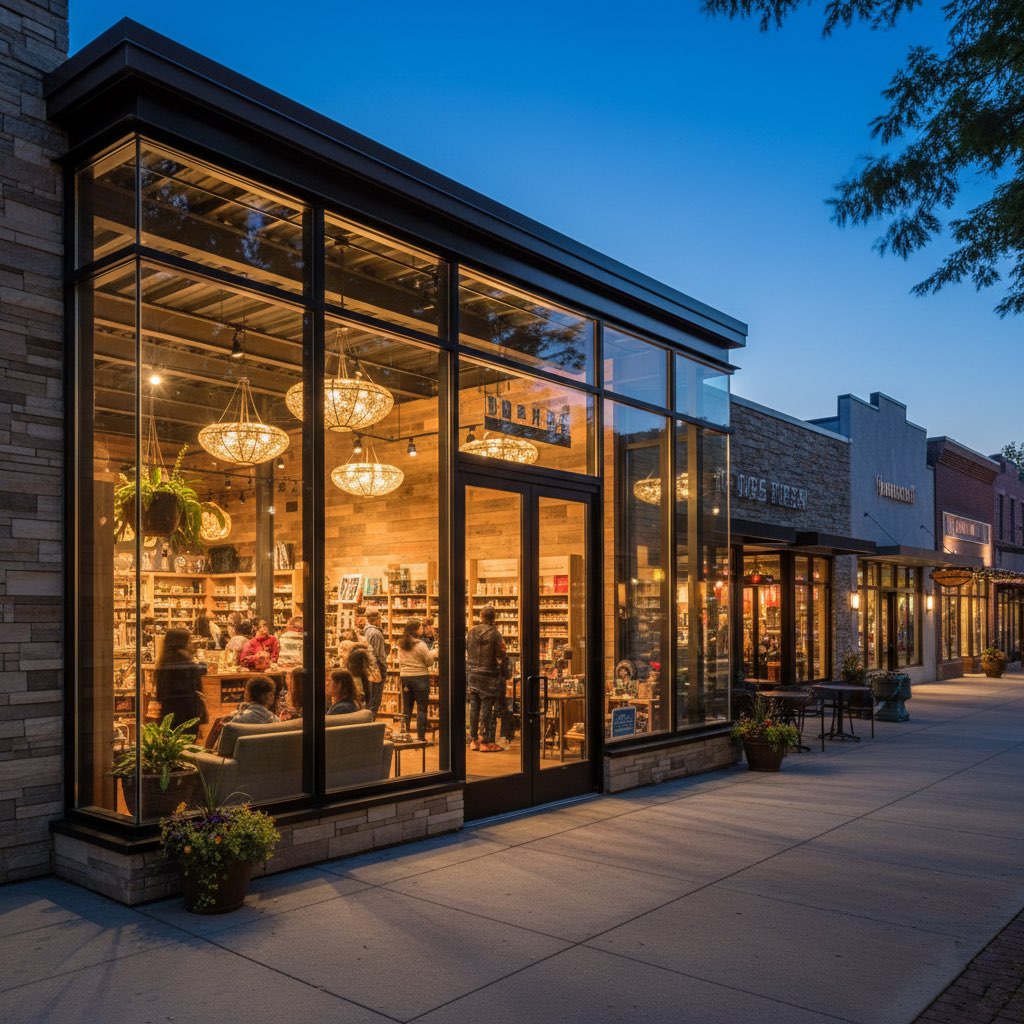
- CPTED – Natural Surveillance: Are all front windows clear of excessive clutter? Do cashiers have clear sightlines to the street?
- CPTED – Lighting & Maintenance: Is all exterior and interior lighting bright (4000K) and checked weekly for outages?
- Technology Support: Are staff equipped with real-time communication tools (e.g., headsets) for isolation shifts?
Phase II: The 90-Day Resilience Action Plan (What You Must Do Next)

Based on your audit, focus on these three strategic areas to lock in your success.
Strategic Focus: Leadership Accountability (Days 1–30)
The first month must be dedicated to formalizing the managerial cultural shift and making it accountable.
- Managerial Training: Mandate one hour of training focused solely on the “System Over Blame” mindset and vulnerability leadership. Use role-playing scenarios.
- Process Redesign: Form a cross-functional team (Manager, long-term associate, owner) to audit one high-friction process (e.g., shift change cash count) and implement a streamlining solution (e.g., automated cash management).
- Culture Charter: Post a one-page “Culture Charter” in the break room. It should be co-signed by the manager and owner. The document should explicitly state: “We value your unique skills. We do not tolerate disrespect. We find systemic causes, not individual blame.”
Strategic Focus: Core Protection & Skills (Days 31–60)
The second month is about giving your team the physical and professional tools to feel safe.
- Mandatory De-escalation Rollout: Implement or refresh scenario-based de-escalation training for 100% of frontline staff. Document attendance and comprehension.
- CPTED Compliance Audit: Conduct a Natural Surveillance audit: Measure window coverage and sightlines from the register. Immediately remove non-essential clutter and excess signage. Remember, only 60% of stores comply with this simple requirement; you must be in the 40% who get it right.
- Enforce Non-Intervention: Host a mandatory 15-minute meeting. Reiterate the non-intervention policy during the meeting. Practice the protocol for safely removing oneself and calling the police.
Strategic Focus: Governance and Measurement (Days 61–90 and Ongoing)
The final month ensures this is a sustainable strategy, not a temporary initiative.
- Baseline Measurement: Roll out a simple, 5-question Engagement Survey (Soft Metric) that captures feelings of safety, support, and value. Use this data as your baseline.
- KPI Review: Hold your first Quarterly Leadership Review meeting. Formally track your Hard Metrics: Turnover Rate, Absenteeism, and Incident Frequency. Use the data to inform the next 90-day plan.
- Policy Recertification: Require all management staff to formally review and sign off on the Anti-Harassment and Non-Retaliation Policy. This ensures they understand the legal duty to investigate and enforce consistently.
The Bottom Line: Your Commitment to a Resilient Future

The modern convenience store is an intense, high-stakes operating environment. The shift from managing simple transactions to cultivating organizational resilience is not easy, but it is necessary for survival.
You understand that physical and emotional safety are inextricably linked, and that the $8.13:1 return on investment is waiting for the owner-operator who is brave enough to make the cultural commitment.
Single owner-operators often struggle with consistency required for long-term governance. Many fail to achieve full compliance on simple, low-cost safety measures.
Your long-term success hinges on overcoming this historical challenge. By following the Resilience Roadmap, you audit your culture. You implement the 90-day plan. You commit to quarterly measurement. This moves you beyond this historical failure point.
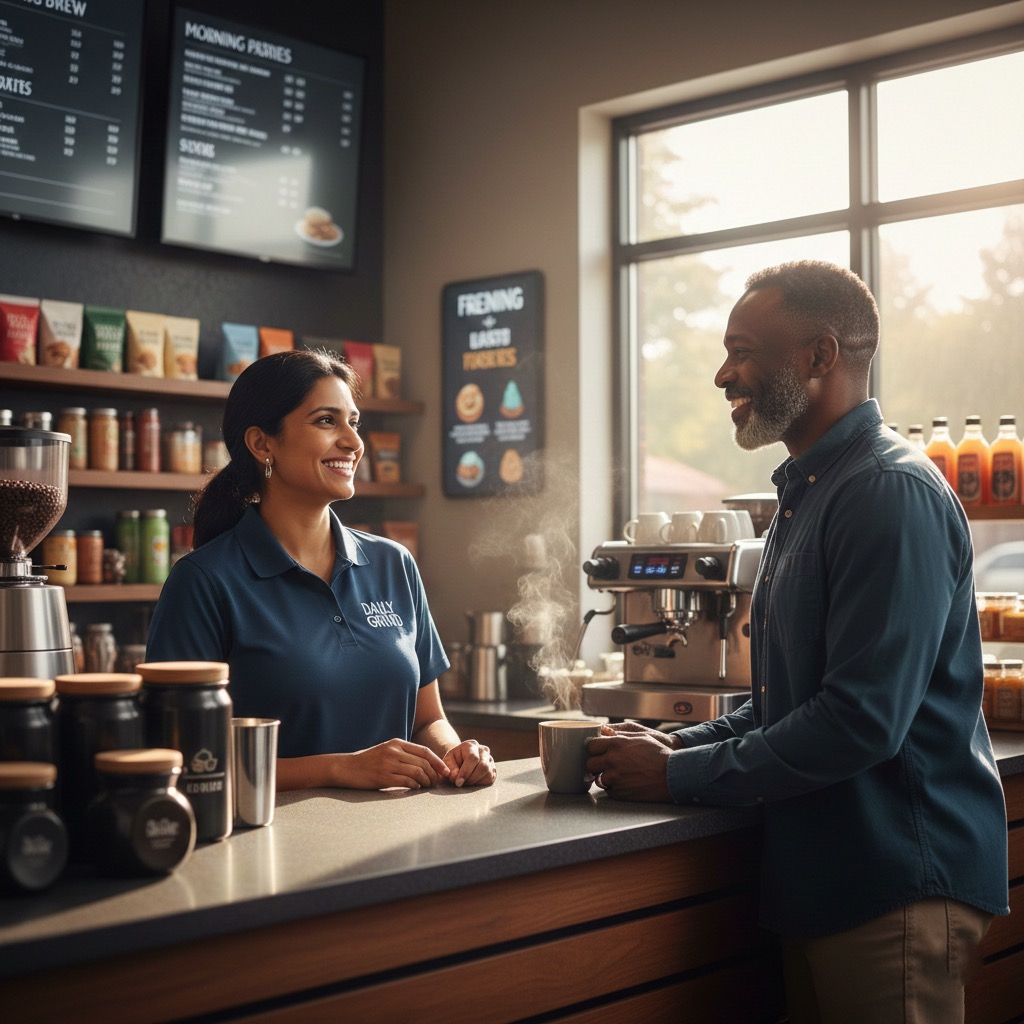
Your final commitment is simple: Govern consistently and never stop listening to your people. A team that feels valued will perform at its highest level. It will deliver superior service (SafeCX) that turns quick stops into long-term customer loyalty. This is how you secure your reputation, stabilize your workforce, and build a truly resilient, high-performing C-store for years to come.




 The5For
Leave a comment