The End of the Throwaway Cup is Closer Than You Think
We have arrived at the final, and perhaps most impactful, trend in our deep-dive series for 2026. We’ve covered functional health, bold flavors, premium tea, and the necessity of automation. But all these great innovations generate a mountain of waste. That waste is rapidly becoming a legal and financial liability for your business.
The single-use cup, the cornerstone of the c-store beverage program for decades, is under siege. This isn’t just pressure from eco-conscious consumers. Strict regulations are driving the change. Specifically, Extended Producer Responsibility (EPR) laws are forcing companies to bear the full environmental cost of their packaging. Early successes like the “Petaluma Reusable Cup Project,” involving giants like Starbucks and Yum! Brands, have proven that city-wide reusable ecosystems are not just a possibility; they are a viable operational model.
This post, the final trend analysis in our series, is dedicated to Circular Sustainability. This concept goes beyond traditional recycling; it’s about eliminating waste entirely by designing products to be reused indefinitely.
- What you will learn: You will discover how leading chains are adopting “Library Models” for reusable cups. You will understand what specific material changes are coming to your disposable inventory. You will learn how to use this movement to your financial advantage.
- What you will gain: By the end of this article, you will acquire the knowledge needed to transition your operations away from costly models. These models are high-waste and disposable. Most importantly, you will understand how to leverage reusable programs as a powerful tool for subscription loyalty lock-in and significant inventory cost reduction.
We will meticulously explain what the shift to a circular economy means for your inventory. Why embracing this concept is critical for reducing your operational expenses. It is also crucial for future-proofing your business against regulation. Additionally, we will show how you can immediately adapt these “Library Model” concepts to your own convenience store locations.
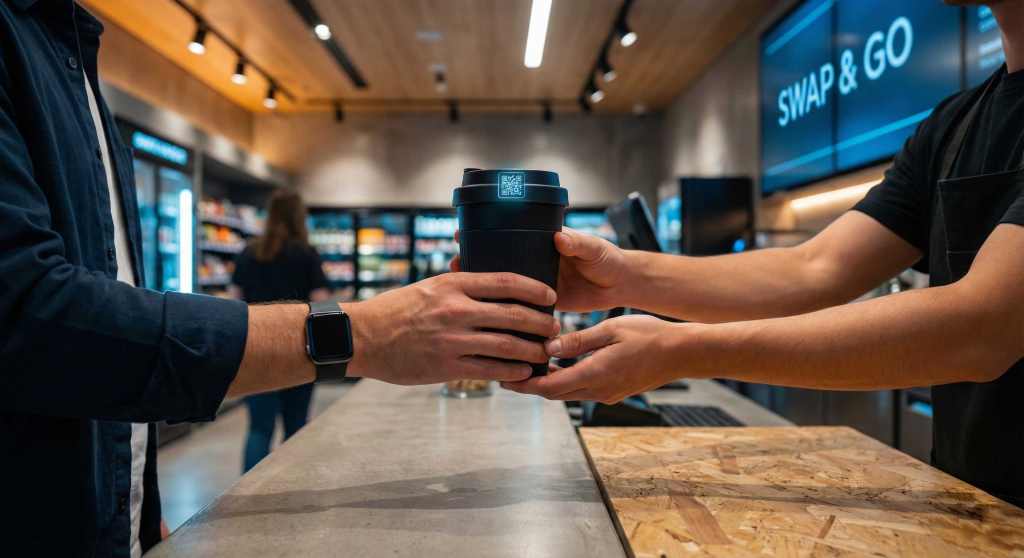
The “Library Model”: A Shift from Single-Use to Systemic Reuse
The old paradigm was simple: the customer throws away the cup, and your business pays for the cup, the waste collection, and the future environmental cleanup costs (EPR). The new “Library Model” flips this script. The central idea is that ownership and responsibility for the vessel stay within a managed ecosystem.
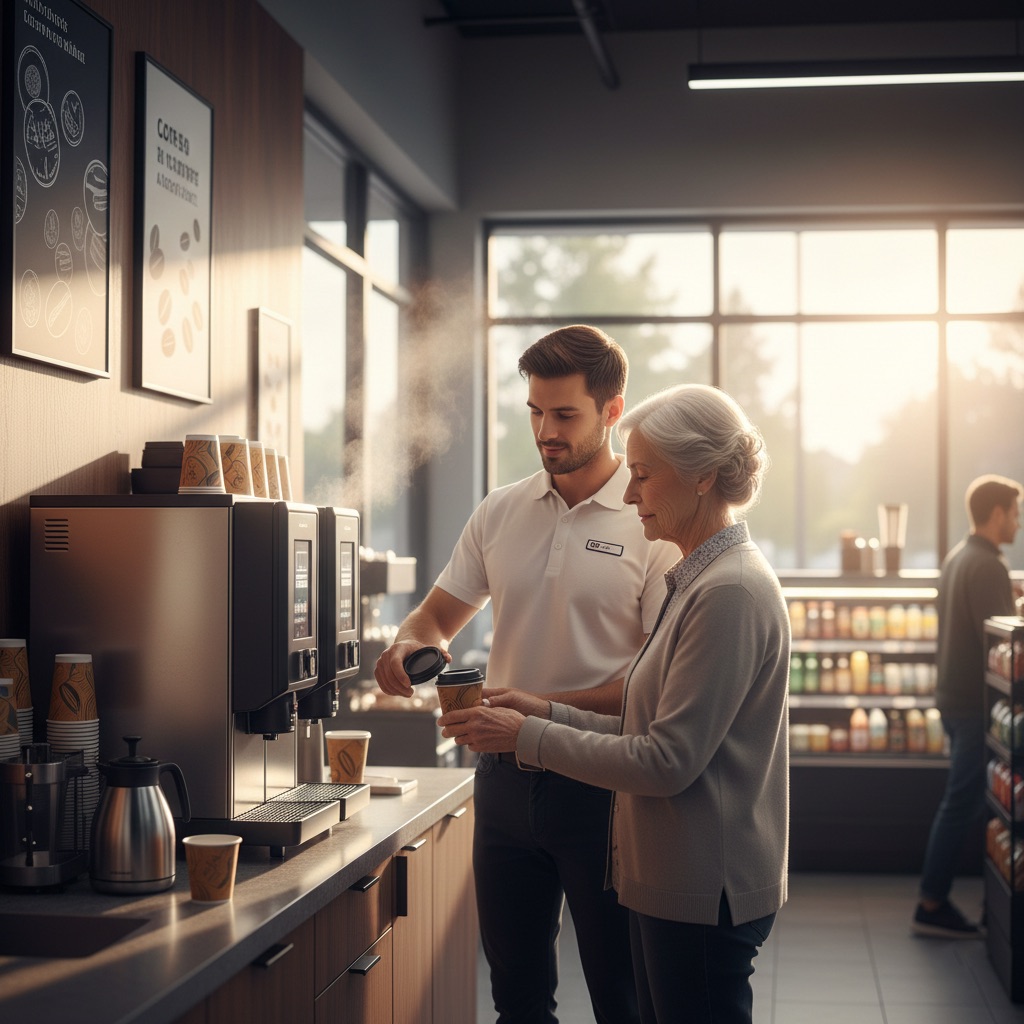
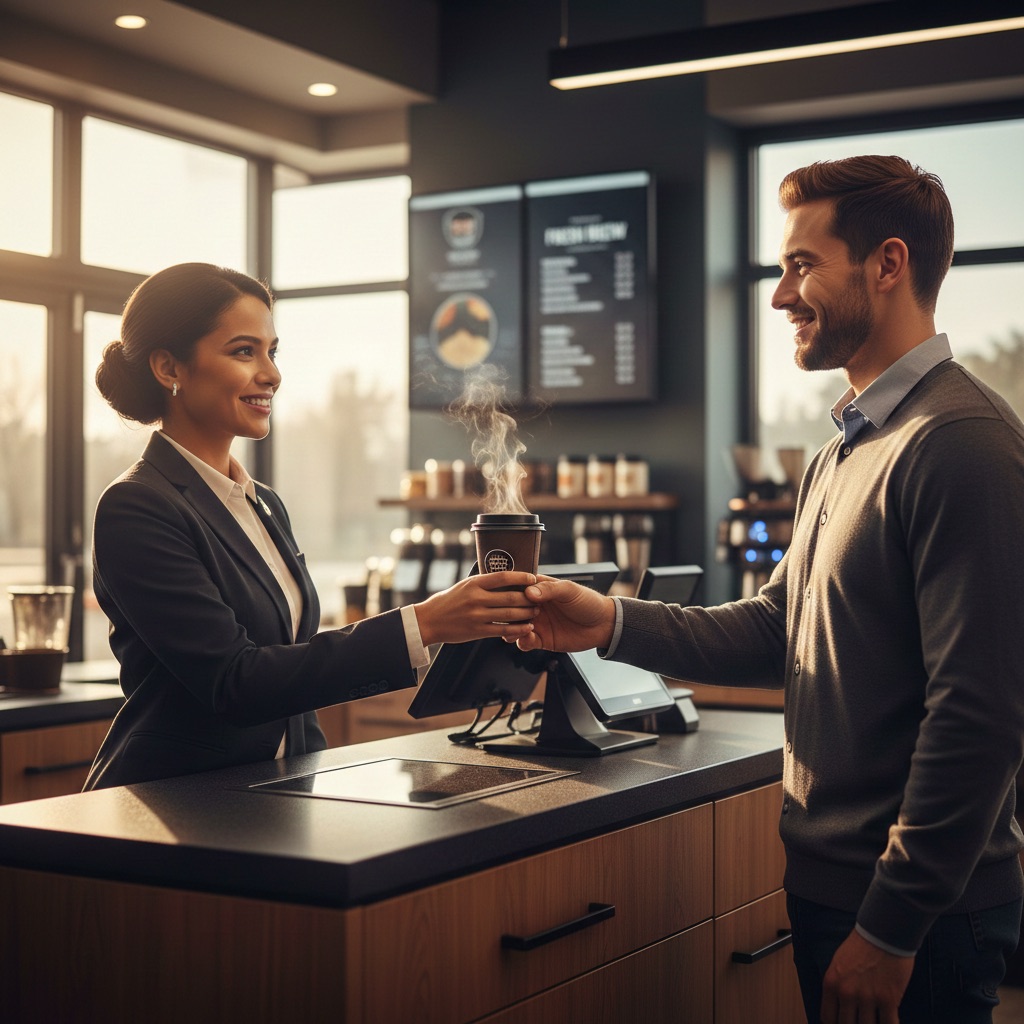
The concept is best exemplified by networks like HuskeeSwap or Muuse. Here is the operational breakdown: A customer arrives with a dirty reusable cup from the same network. They hand it to you at the counter. You immediately hand them their fresh drink in a pre-sanitized, clean cup. The customer leaves with their drink instantly. You handle the cleaning of the dirty cup in a batch process later. Alternatively, a third party manages the logistics and sanitization.
Why It Matters to You
For the c-store operator, this removes the two primary points of friction that killed previous reusable mug programs:
- Hassle for the Customer: The customer never has to remember to wash a mug or carry a dirty vessel. They simply swap dirty for clean.
- Food Safety/Hygiene: The staff never has to touch the customer’s personal, potentially unhygienic cup. They handle only cups managed and sanitized by a controlled system.
By partnering with a closed-loop system, you instantly transform your beverage program from a high-waste center to a sustainable destination. This transformation is a powerful differentiator for Gen Z and Millennial consumers.
What You Should Be Doing
- Partner with a Swap Program: Look into networks like HuskeeSwap, Muuse, or local equivalents to become a drop-off/pickup point. Negotiate a per-swap fee structure that is lower than the cost of your current high-end disposable cup and lid.
- Establish a Cleaning Protocol: If managing the cleaning in-house, ensure your staff is trained. They should also have dedicated dish washing equipment. This equipment is essential for high-volume, batch sanitization. It helps to meet health department standards.
- Inventory Management: Treat the reusable cups as a depreciating asset rather than a sunk cost. Track them as part of your fixed assets, not as disposable inventory SKUs.
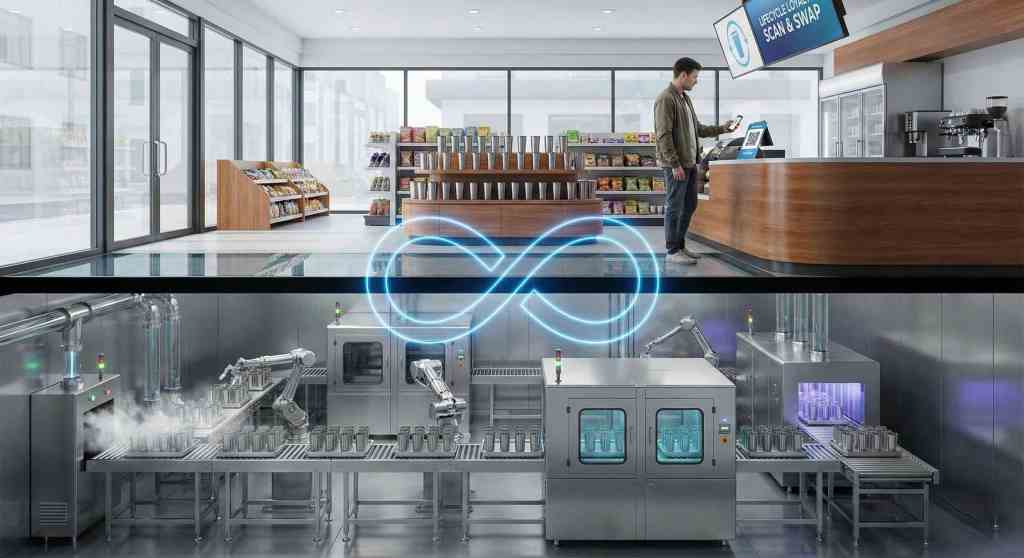
Subscription Loyalty: The Habit Loop of Circularity
Beyond the environmental and cost-saving benefits, the Library Model offers a hidden, massive economic advantage: Subscription Loyalty.
If a customer pays a monthly fee, say $15 to $25 a month, for a “Club Cup” or “Reusable Subscription,” they gain access to a discount on every refill and the clean swap service. The critical point is that they must return to your store to swap their cup for a clean one.
This intentional, systemic requirement creates a powerful habit loop. Once customers return daily for their cup swap and discounted refill, they develop a habit. They then become highly likely to add other high-margin purchases. These may include a snack, a prepared food item, or a fuel top-off. Your beverage program transitions from a simple transactional sale to a loyalty lock-in mechanism that drives your overall basket size.
Why It Matters to You
The goal of any loyalty program is frequency. The reusable cup subscription is the most effective frequency driver. It is tied to a physical object that requires action. A return is necessary to maintain its benefit, a clean cup and discount. The resulting increase in cross-category purchases far outweighs the discount offered on the beverage itself. This also allows you to significantly reduce the expensive paper cup SKUs you must keep in stock.
What You Should Be Doing
- Design a Subscription Tier: Create a clear, compelling subscription offer (e.g., “$19.99/month for unlimited clean swaps and $0.50 off all refills”).
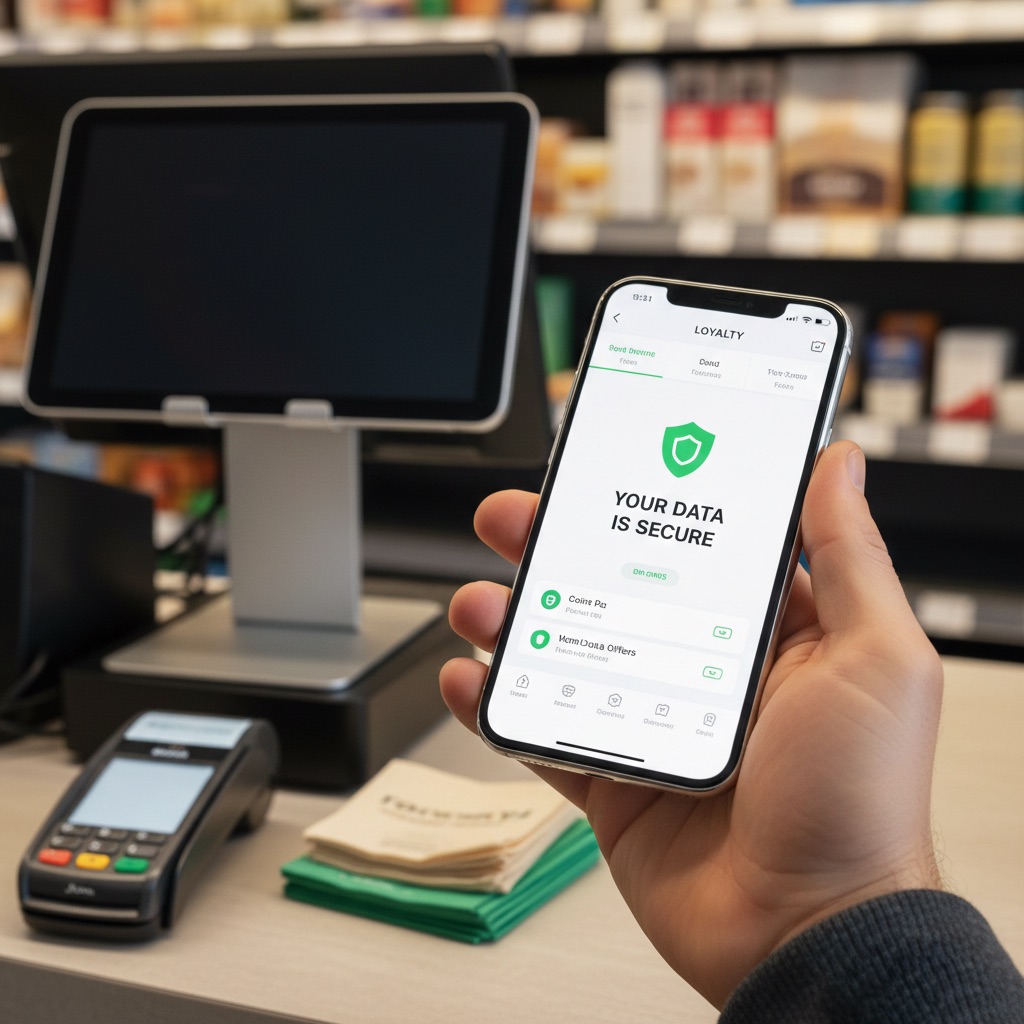
- Gamify Reusability: Update your loyalty app to track “Cups Saved” rather than just points. Offer a high-value reward, like a free premium pastry or breakfast sandwich, for every 10 reusable cup fills or swaps.
- Train Staff on Upsells: Ensure staff understands the importance of the program and are trained to suggest an add-on purchase (“Grab a muffin with your swapped cup today?”) to maximize the value of the customer visit.
- Mandate App Integration: Require the loyalty app to be scanned for the swap/refill discount. This links the physical act of reuse to a digital data point. It provides powerful marketing opportunities and tracking capabilities.
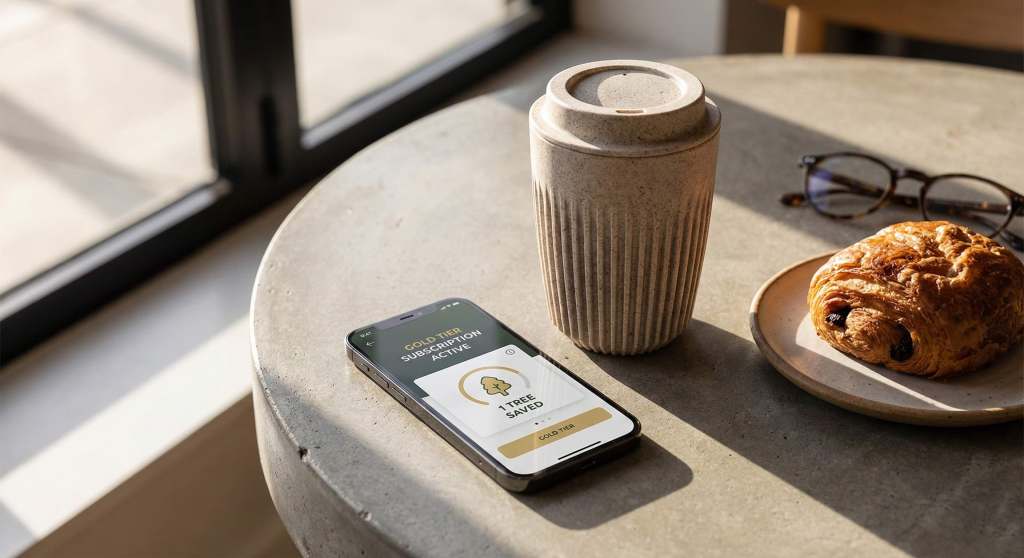
Material Innovation: The Future of Disposables
Even with the rise of the Library Model, some single-use cups will remain for transient customers. However, the materials themselves are changing dramatically. The industry is rapidly moving away from the standard paper cup lined with Polyethylene (PE) plastic, which renders them non-recyclable in most municipal systems.
The new standard is cups lined with:
- Aqueous (Water-Based) Coatings: These are thin, water-based dispersal barriers that allow the cup to break down more readily and often be repulped alongside regular paper in certain recycling facilities.
- PHA (Polyhydroxyalkanoate) Linings: This is a truly biodegradable bioplastic made from bacterial fermentation of sugar or lipids. Cups with PHA linings are compostable in industrial facilities, and their presence tells a compelling sustainability story.
Why It Matters to You
Staying ahead of this curve is a non-negotiable step to future-proof your supply chain. When EPR laws take effect, the cost of PE-lined cups will skyrocket due to the fees associated with their disposal. Switching now to aqueous or PHA-lined SKUs will stabilize your cost structure and allow you to capture the value of the “farm-to-cup” storytelling that Gen Z consumers demand. Cups made from agricultural waste, like coffee husks (Huskee) or sugarcane (Bagasse), offer this powerful narrative.
What You Should Be Doing
- Switch Your SKUs Now: Audit your current cup inventory. If you are using PE-lined cups, start transitioning to Aqueous coated or PHA lined cups now before regulations mandate the change and create a supply shock.
- Demand Proof of Composting: Work with your local waste management provider to confirm they accept industrially compostable cups. If they don’t, focus on aqueous-lined cups that might be accepted in paper recycling streams.
- Tell the Story with Signage: If you switch to certified compostable or truly recyclable cups, put up prominent signage. Gen Z and Millennial consumers are willing to pay a premium for sustainability, but only if they know the tangible difference they are making.
- Negotiate Bulk Contracts: Use the projected volume of your full switch to negotiate a favorable, multi-year bulk contract on the new, compliant cup SKUs.
The Bottom Line: Sustainability As A Financial Strategy
Sustainability in 2026 is not a charitable endeavor; it is a circular economic strategy that fundamentally strengthens your business model.
By embracing the concepts of a “Library Model” and closed-loop systems, you gain a powerful trifecta of operational advantages:
- Lower Inventory Costs: You dramatically reduce the need to purchase high volumes of costly, compliant single-use cups.
- Loyalty Lock-In: You convert transactional customers into sticky, recurring subscribers, driving consistent daily foot traffic and cross-category purchases.
- Future-Proofing: You mitigate the risk of looming EPR legislation and other environmental fines that will soon penalize high-waste packaging.
This entire series, from functional health and premium quality to hyper-automation and circular economics, is united by a single principle. Modern convenience store beverages must be high-quality. They must be complex and effortlessly delivered. Automation enables the complexity, and circular sustainability ensures the whole system is financially and environmentally responsible. It is a win for the planet, and a bigger win for your profit margin.
The convenience store beverage counter is no longer a place for afterthoughts and stale coffee. It is now a high-tech, high-margin, and highly sustainable destination. The strategies we’ve discussed are the blueprint for turning this profit center into your single most reliable source of revenue and customer loyalty.

 The5For
Leave a comment