In our last post, we stepped outside the four walls of your store to discuss marketing and community partnerships. We explored how to communicate your new value proposition to local gyms, clinics, and the digital world. We established that to win the modern consumer, you have to be vocal about your role in their health journey.
Now, we have reached the finish line of this seven-part series. We have traveled a long way together, from understanding the biology of the GLP-1 user (Post 1) to re-engineering your foodservice (Post 2) and snack aisles (Post 3), overhauling your beverage cooler (Post 4), and redesigning your floor plan (Post 5).
But the industry doesn’t stand still. As I write this, the trends we’ve discussed are already evolving. The “Food as Medicine” movement isn’t just a ripple; it is a rising tide that will lift the boats of operators who are prepared and capsize those who aren’t.
In this final post, I want to hand you a strategic roadmap for the next 18 to 24 months. We will examine the macro-trends defining 2026. These include the “Fiber-First” revolution and the rise of the “C-Store as Clinic.” We will also explore the technology that will help you personalize the shopper experience. This is your guide to future-proofing your business.

2026: The Year of Fiber
If 2024 and 2025 were defined by the protein craze, 2026 will be defined by fiber.
Fiber is poised to overtake protein as the next major functional attribute consumers seek. Data from Datassential and other industry analysts indicate this shift. This is directly linked to the GLP-1 phenomenon. As millions of Americans remain on these medications long-term, their primary physiological challenge shifts from “losing weight” to “maintaining gut health.”
Fiber helps regulate blood sugar, maintains digestive health (combating the side effects of GLP-1s), and promotes natural satiety. For the c-store operator, this means the next wave of product innovation won’t just be “high protein” meat sticks; it will be high-fiber snacks that taste like indulgences.
We are already seeing this with the explosion of “fiber-forward” products like prebiotic sodas (Poppi, Olipop) and high-fiber confectionery. In 2026, expect to see “High Fiber” call outs on everything from breakfast sandwiches to grab-and-go bento boxes.
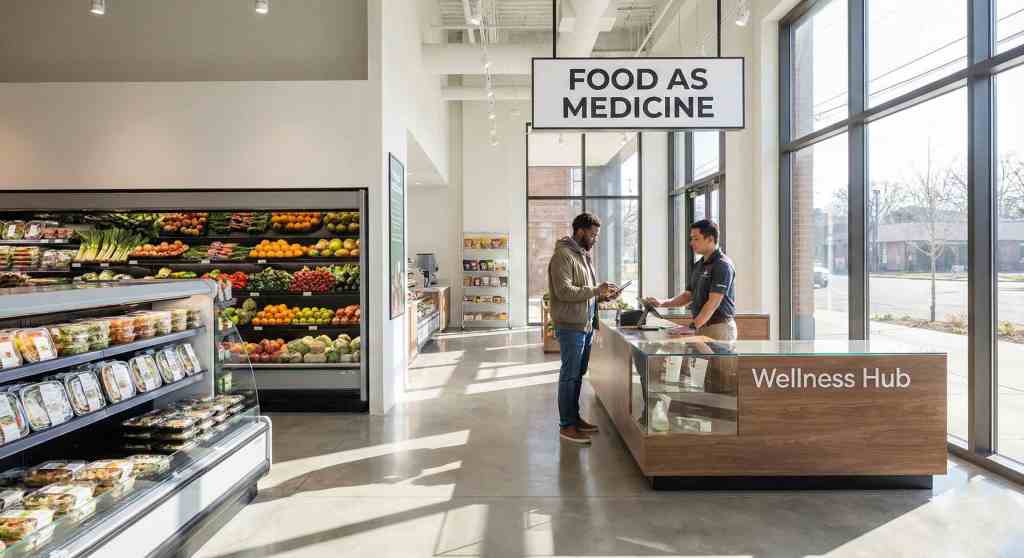
The Convenience Store as a “Micro-Clinic”
The lines between retail, food, and healthcare are blurring. We are moving toward a future where convenience stores play an active role in the “Food as Medicine” ecosystem.
Several major retailers are already experimenting with “Produce Prescription“ programs. Healthcare providers issue vouchers for fresh fruits and vegetables. These can be redeemed at local stores. This model is currently common in grocery stores. It is moving downstream to convenience retail. This shift is significant in food deserts where c-stores are the primary food source.
Imagine a future where a customer walks in not just to buy gas. They can also redeem a health plan benefit for a “Medically Tailored Grocery” bundle. This is a pre-packed bag of heart-healthy or diabetes-friendly snacks and meals. This isn’t science fiction. It’s the next phase of value-based care. Independent operators who partner with local health networks will be the first to capture this revenue stream.
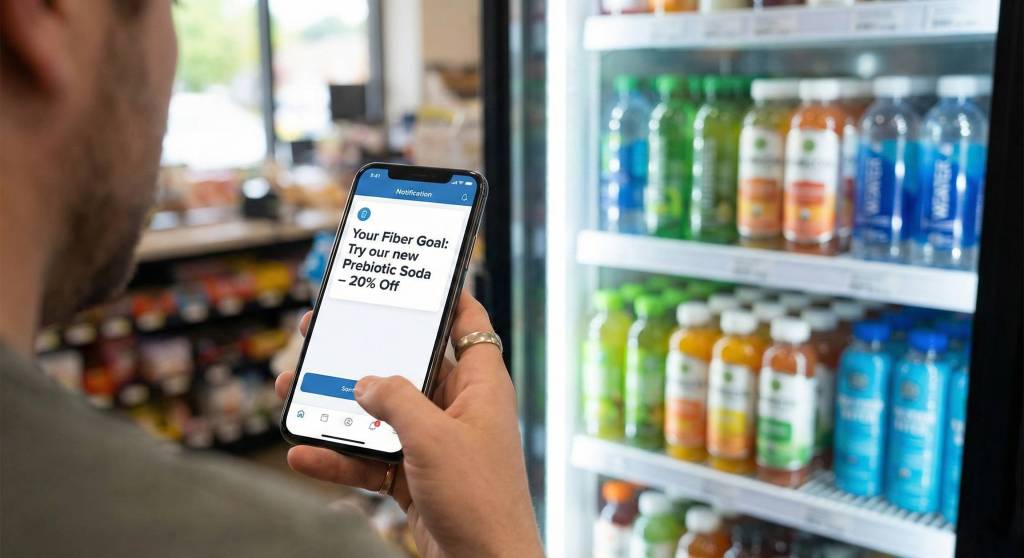
Tech-Enabled Personalization
The days of generic “2 for $3” offers are numbered. The GLP-1 user is a highly specific customer with specific needs. To keep them, you need to use data.
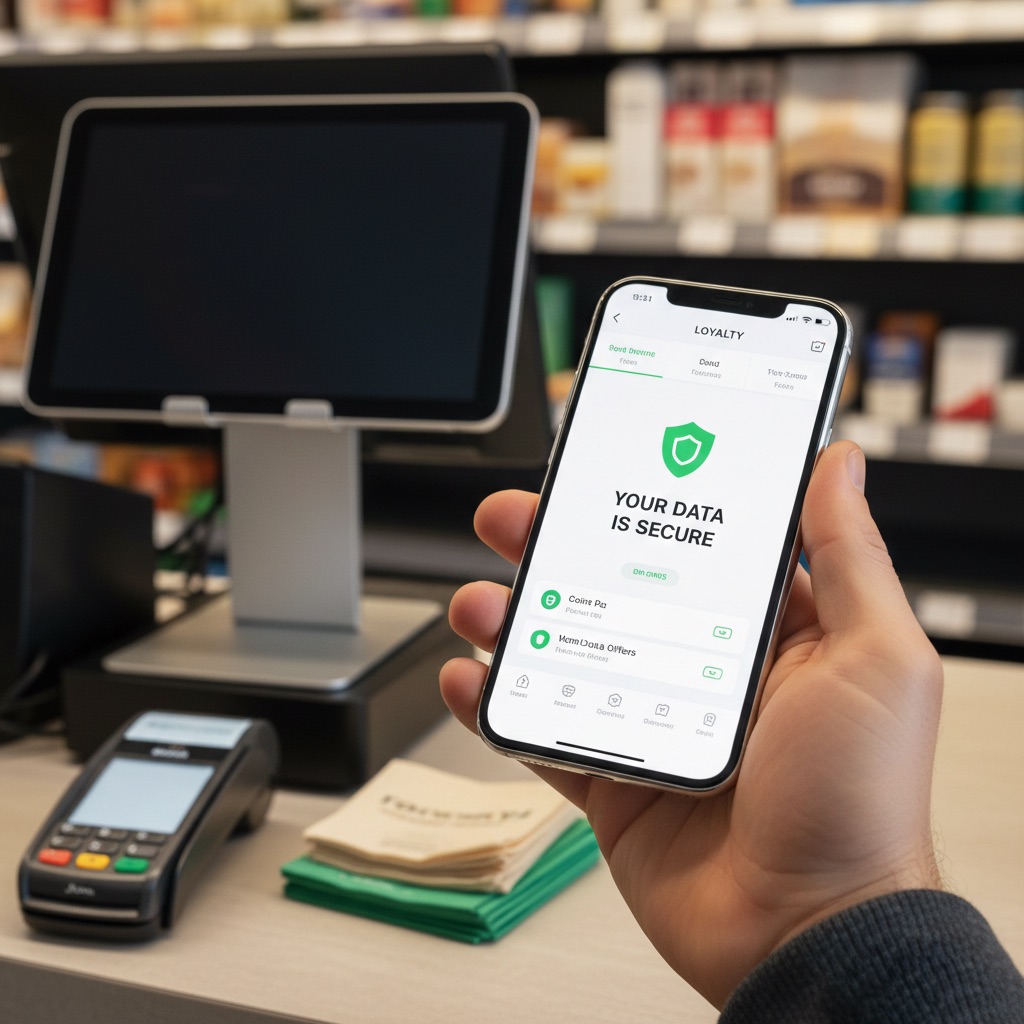
The future of c-store loyalty is hyper-personalization. If your point-of-sale data shows a customer frequently buys sparkling water and almonds, your loyalty app should automatically push an offer for your new “Adult Lunchable” or a discount on a prebiotic soda, not a coupon for a 2-liter of sugary cola.
Using AI and loyalty data allows you to “nudge” customers toward higher-margin, healthier items that align with their purchasing history. This builds trust. It tells the customer, “We know what you’re trying to achieve, and we’re here to help.”
What You Should Be Doing
To prepare for 2026, here is your final checklist:
- Watch the Fiber Content: When reviewing new products from distributors, stop looking only at protein. Start asking, “How much fiber is in this?” Prioritize products that offer at least 3-5g of fiber per serving, especially in the snack and bakery categories.
- Invest in Private Label: National brands are great, but private label is where the margin is. Follow the lead of 7-Eleven’s 7-Select or other major chains by introducing your own branded “health” items, like trail mixes or functional waters. This allows you to control the ingredients and the price point.
- Explore “FIM” Opportunities: Reach out to local health organizations or non-profits to see if there are “Food Is Medicine” (FIM) or produce prescription pilots in your area. positioning your store as a redemption site can drive guaranteed foot traffic and community goodwill.
- Train Your Staff: Your employees are your frontline. Educate them on the new products. If a customer asks, “Do you have anything for an upset stomach?” your team should know to point them toward the ginger chews and prebiotic sodas, not just the antacids.
The Bottom Line: The “Safe Harbor” of the Future
Over the last seven posts, we have dismantled the old convenience store model, the one built on “supersizing” and empty calories. We have replaced it with a new vision: The Convenience Store as a Safe Harbor.
We’ve covered:
- The Physiology: Understanding the metabolic shift of your customer.
- Foodservice: The move to protein-packed micro-meals.
- Snacks: The rise of fiber and gut-healthy ingredients.
- Beverages: The boom in functional hydration and mocktails.
- Merchandising: Disrupting the impulse zone.
- Marketing: Building community partnerships.
- Future Trends: Preparing for the fiber revolution and healthcare integration.
The operators who embrace this shift aren’t just selling food; they are selling sustenance, health, and dignity. They are providing a place where a diabetic, a GLP-1 user, or a health-conscious parent can walk in and find fuel that makes them feel good, not guilty.
The “Food as Medicine” movement is here. The GLP-1 user is here. The question is no longer if you should adapt, but how fast. Start small, use the strategies in this series, and turn your store into the destination your community needs for 2026 and beyond.
Thank you for reading The 5 For series. Now, let’s get to work.

 The5For
Leave a comment