We have been on quite a journey together over these last six posts. When we started this series, my goal was to shift your perspective. I wanted to move you away from viewing National Food Holidays as silly social media fluff. My aim was to have you see them as serious revenue generators. We started by looking at the seismic shift in our industry. We transformed from traditional gas stations into “foodvenience” destinations. Here, the pump is secondary to the plate.
Throughout this roadmap, we have dissected the calendar season by season. We looked at the renewal of Spring, focusing on how Pi Day can spark your pizza sales and how Cinco de Mayo can drive fresh food trial. We navigated the high-traffic heat of Summer. We analyzed how National Hot Dog Day provides a blueprint for your own beverage success. We also examined 7-Eleven’s Slurpee dominance as a guide for snack success. We settled into the routines of Fall, discussing the massive “coffee culture” opportunity presented by National Coffee Day and the savory potential of National Sandwich Day. Then, we hunkered down for Winter, exploring how comfort foods like donuts and cocoa can keep foot traffic moving even when the weather turns cold.
Most recently, in our last post, we popped the hood to look at the unsexy, but critical “operational math” required to make it all work, forecasting, inventory management, and labor allocation. We proved that a promotion is only as good as your ability to execute it without shrinking your margins.
Now, it is time to bring it all together. This final post isn’t just a summary; it is your strategic playbook for the future. We are going to synthesize everything we’ve learned into a cohesive philosophy. This isn’t just about selling more food on a Tuesday; it is about future-proofing your business against fluctuating fuel margins and changing consumer habits. Let’s turn these micro-holidays into macro-loyalty.
The Core Philosophy: Embracing “Foodvenience”
The biggest takeaway from this entire series isn’t that you should sell cheap hot dogs in July or discount coffee in September. It is that National Food Holidays are strategic pillars for your annual marketing calendar. They provide the rhythm for your menu innovation and the catalyst for your digital engagement.
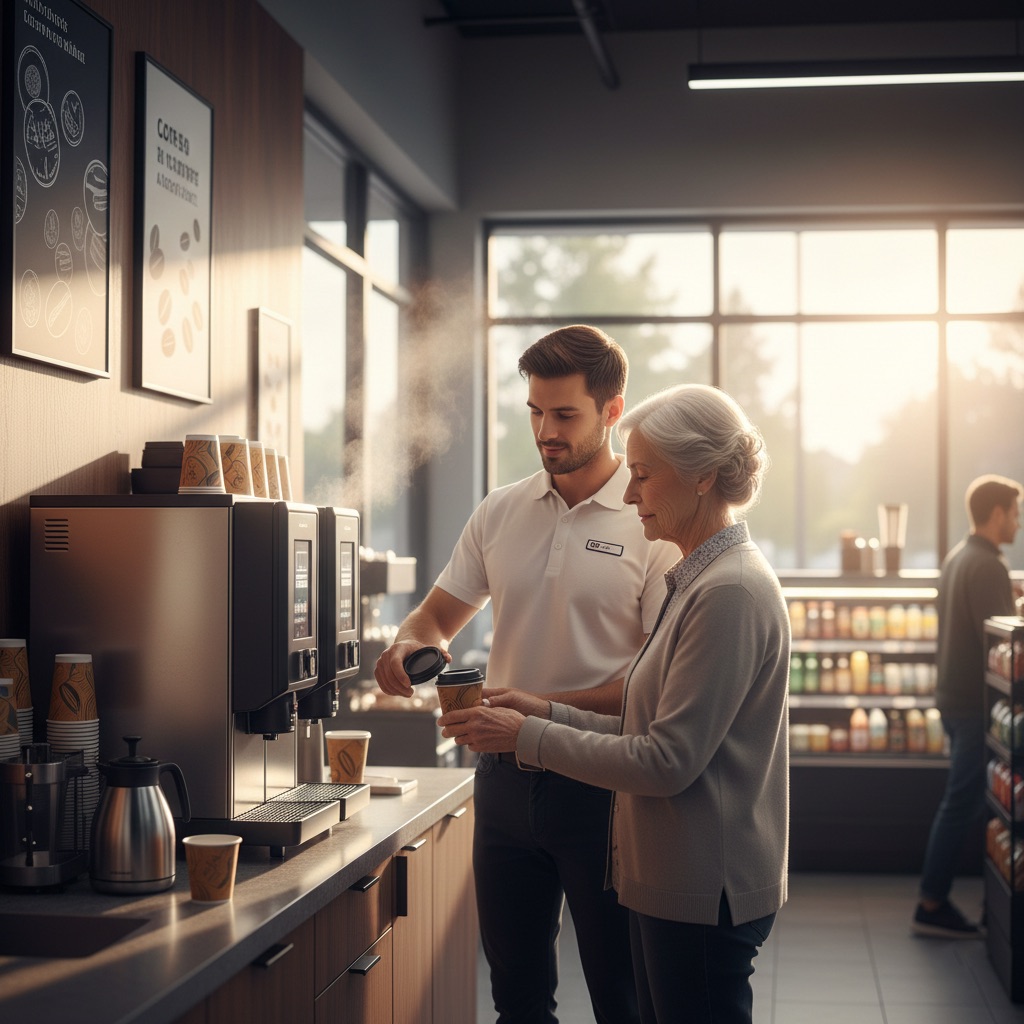
As we wrap up, we need to solidify the concept of “Foodvenience.” The days of relying on cigarettes and fuel are dwindling. Your competition is no longer just the station across the street; it’s the QSR drive-thru next door. By utilizing these holidays, you signal to your customers that you are a legitimate food destination. You are telling them that a gas station sandwich can be a destination, not just a desperation purchase.
What You Should Be Doing
- Audit Your Brand Perception: Ask yourself honestly: Does your signage and marketing scream “gas station” or “fresh food retailer”?
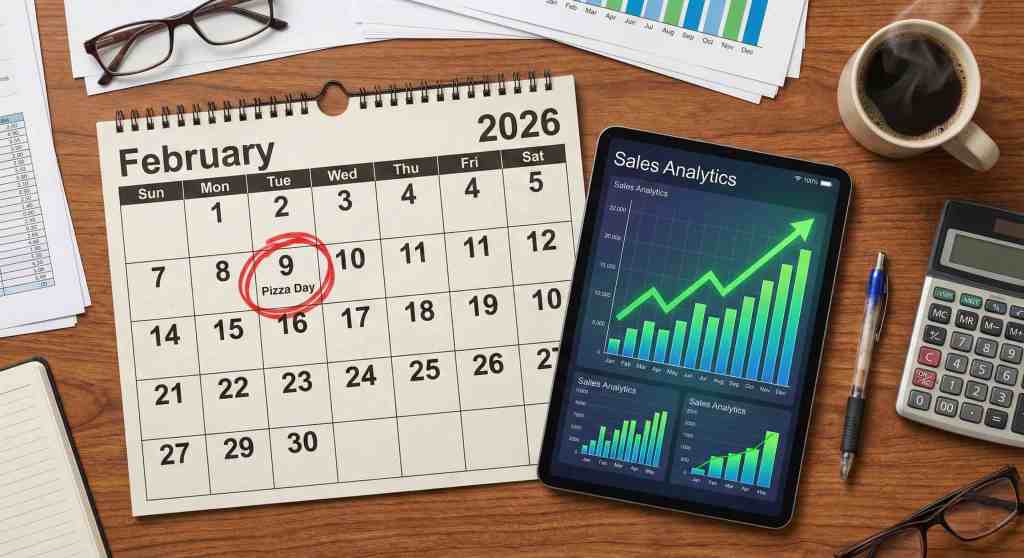
- Align Your Calendar: Do not treat these holidays as surprises. Build your 2026 marketing calendar now, anchoring your quarters around the major food holidays we discussed.
- Commit to Quality: Use these holidays to showcase your best items. If you promote a subpar product on a holiday, you lose that customer forever.
The Psychology of Scarcity: Why LTOs Work
Throughout the series, we touched on the power of the Limited Time Offer (LTO). Scarcity breaks consumer autopilot. When a customer walks in for their daily energy drink, they are on a mission. They have blinders on. A “One Day Only” event or a specific National Food Holiday deal forces them to look up and pay attention.
This is the psychological lever you need to pull. Whether it’s a specialty donut for National Donut Day or a unique pizza topping for Pi Day, the fleeting nature of the event drives immediate action. It creates a “fear of missing out” (FOMO) that is incredibly potent in the convenience sector.
What You Should Be Doing
- Create Urgency in Messaging: Use phrases like “Today Only,” “While Supplies Last,” or “Exclusive Holiday Batch” on your digital signage and pump toppers.
- Train Your Staff on the Script: Your cashiers are your frontline marketers. Train them to say, “Did you know it’s National Cookie Day? We have a fresh batch just for today.”
- Visually Disrupt the Store: Use balloons, floor decals, or counter mats specifically for the event to break the visual monotony of the store.
The Art of Basket Building
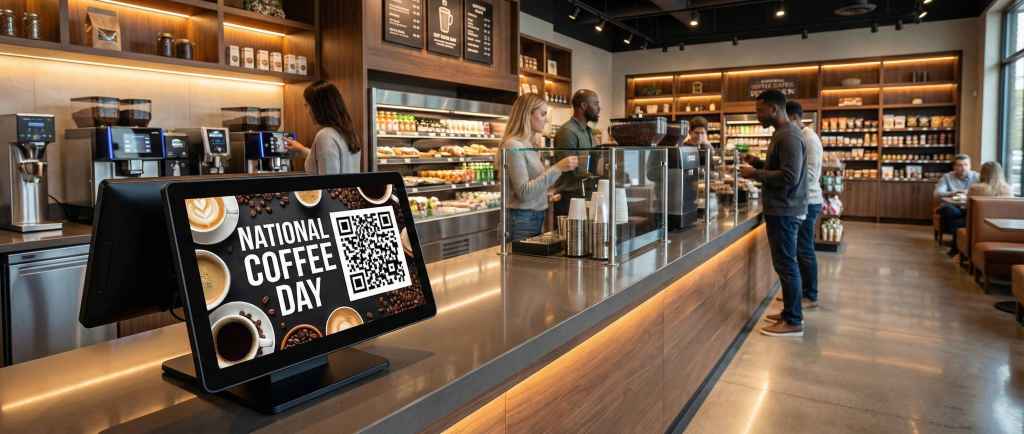
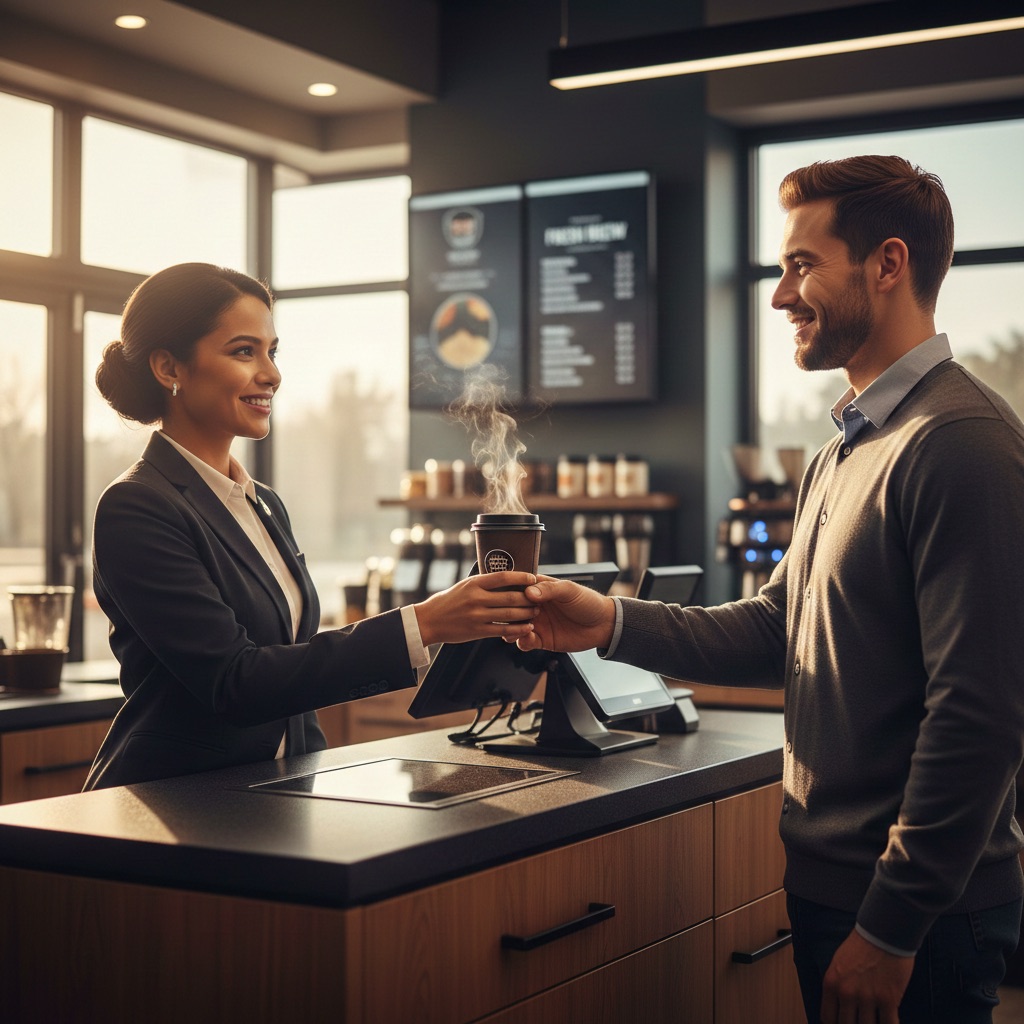
We spent a lot of time discussing the economics of “free.” Giving away a free coffee on National Coffee Day might seem like a loss, but as we analyzed, it is a customer acquisition cost. The profit is in the add-on. This is the art of basket building.
When you drive traffic with a lead product (the holiday item), your aim is to attach high-margin items. You should add them to that transaction. A customer coming in for a free coffee is highly likely to buy a breakfast sandwich. They may also purchase a muffin if you merchandise it correctly. The holiday gets them in the door; your layout gets them to spend.
What You Should Be Doing
- Bundle Strategically: Don’t just offer the item solo. Create “Holiday Combos” (e.g., “Buy the National Hot Dog Day special, get a fountain drink for $0.50”).
- Placement is Key: Place high-margin impulse items (baked goods, candy, single-serve snacks) directly next to the station where the holiday item is served.
- Analyze the Lift: After the holiday, look at your POS data. Did overall store sales go up? If you gave away 100 coffees but sold 80 extra muffins, the promotion was a massive success.
Data is the New Currency
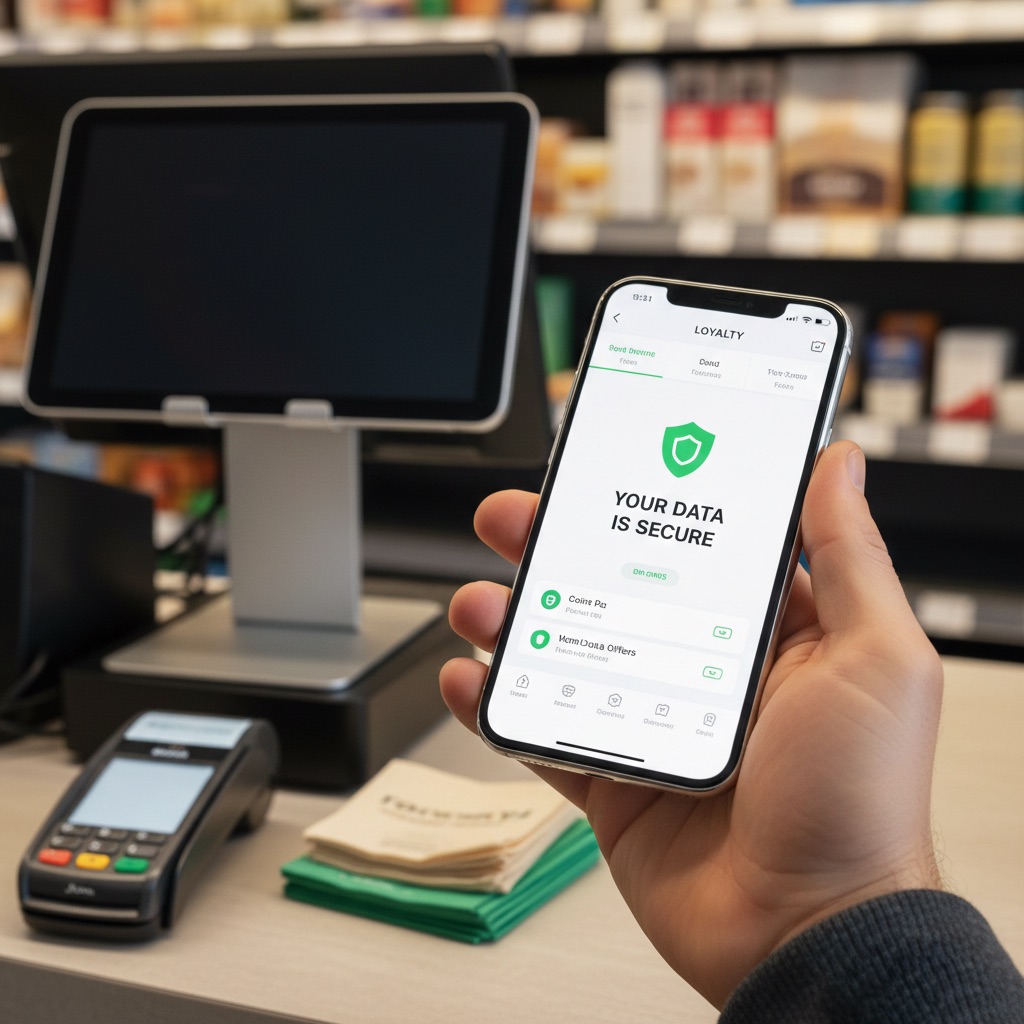
If there is one technical aspect, I hope you adopted from our discussions, it is the necessity of digital engagement. Use these holidays to drive app downloads. A customer who swipes a credit card at the pump is anonymous. A customer who downloads your app to redeem a National Pizza Day coupon is a known entity.
Once you have them on your app, you own the relationship. You can push notifications, track their buying habits, and market to them directly without paying for ads. These holidays are the perfect “carrot” to get customers to hand over their digital data.
What You Should Be Doing
- Gate the Offer: Make the best deals app-exclusive. “Free Donut on National Donut Day, Only for App Rewards Members.”
- Capture the Email/Phone: Ensure your loyalty sign up captures contact info so you can market to them year-round.
- Gamify the Experience: Use the holidays to offer “double points” or specific badges in your loyalty app to encourage participation.

Community as a Differentiator
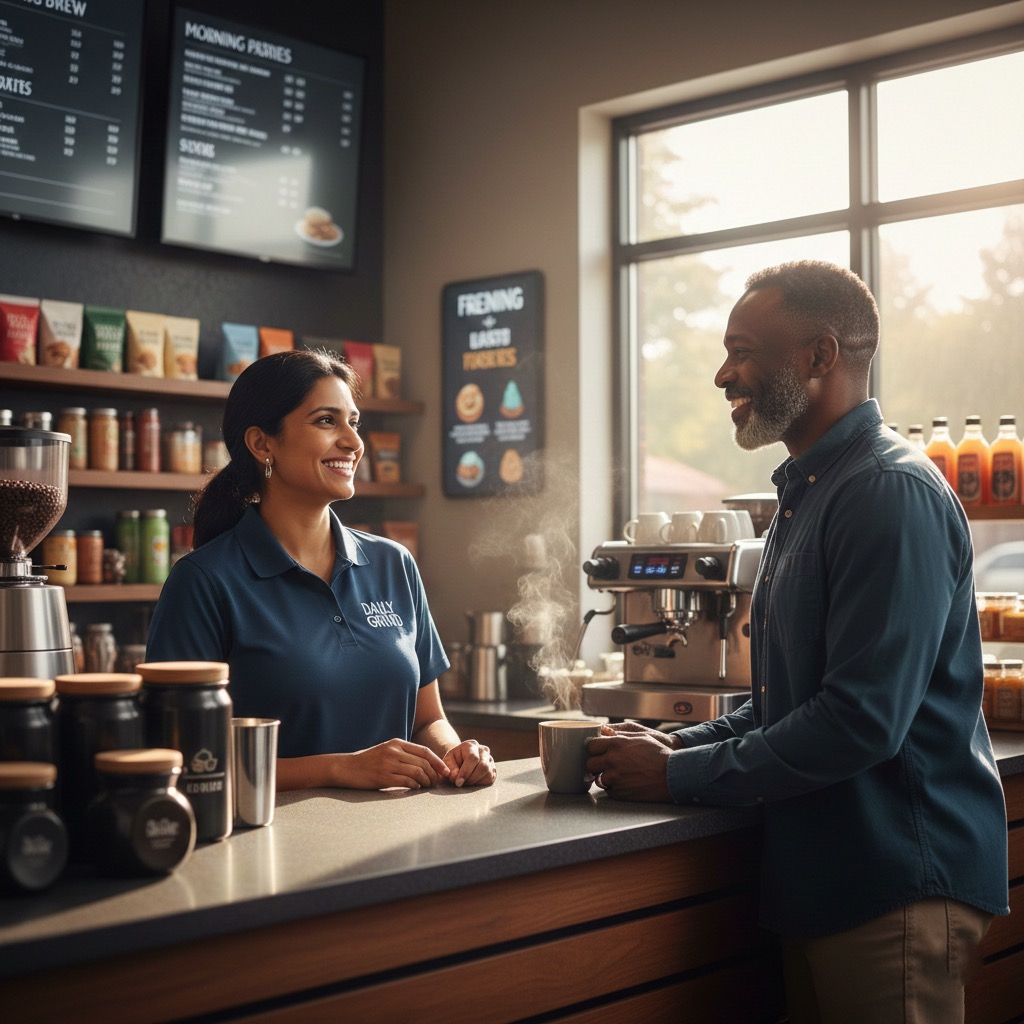
In an era of faceless corporate chains, your connection to the local community is your superpower. We discussed the impact of cause marketing. For instance, donating a percentage of sales on National Coffee Day to a local charity builds relationships. Offering free items to first responders also contributes to this transformation.
When you align a food holiday with a local cause, you aren’t just selling a product; you are selling goodwill. This builds an emotional connection that Amazon or a seamless delivery app cannot replicate.
What You Should Be Doing
- Partner Locally: Reach out to local schools, fire departments, or food pantries two months before a major food holiday to plan a joint event.
- Press Releases: Send a simple press release to your local newspaper or radio station about your holiday charity drive. They are always looking for “feel good” local stories.
- Social Proof: Take photos of your team and the community during the event and post them (with permission) to your social channels.
Execution is Everything
Finally, we circle back to the nuts and bolts. You cannot market what you cannot stock. As a former chef, I can tell you that nothing kills a restaurant, or a foodservice program, faster than running out of the special by 11:00 AM.
Forecasting, staff training, and inventory management are the backbone of profit. If you invite the town to your store for National Hot Dog Day, the rollers better be full, the buns better be fresh, and the condiment station better be spotless.
What You Should Be Doing
- Over-Communicate with Vendors: Tell your Pepsi, Coke, Frito-Lay, and foodservice reps about your calendar months in advance. They may have Market Development Funds (MDF) or free signage to help you.
- Schedule Heavy: Do not understaff on a promo day. Schedule an extra “floater” specifically to keep the food area stocked and clean.
- The Post-Mortem: The day after the holiday, write down what went wrong. Did you run out of cups? Did the line get too long? Use this to improve for the next one.
The Bottom Line: Long Live The “Foodvenience” Store
The “gas station” concept as we knew it is dead. Long live the “Foodvenience” store. Over the course of this seven-part series, we have dissected the seasons, crunched the numbers, and laid out a strategy that goes far beyond simple calendar dates. We have proven that by treating National Food Holidays as major retail events, you can increase foot traffic, build community goodwill, and significantly increase your sales.
The holiday is the hook; the experience you provide once they are inside is the anchor.
If you take nothing else away from this series, remember this: The winners in 2026 and beyond will be the operators who stop waiting for traffic to happen and start generating it. You have the tools. You have the seasonal roadmap. You understand the operational math. Now, you need the resolve to execute.
Don’t try to do everything at once. Download a Food Holiday Calendar today and pick just one major event per quarter to start. Master the execution of National Pizza Day before you try to conquer National Cold Brew Day. Meet with your vendors next week and ask them how they can support your new strategy. If you don’t have a loyalty program, make that your Q1 priority.
This is about evolution. It is about taking pride in your foodservice offering and shouting it from the rooftops, or at least, from the pump toppers. Thank you for reading this series on The 5 For. It has been a pleasure guiding you through this landscape.
Now, go sell some food.

 The5For
Leave a comment