Why Your Alcohol Aisle Needs a Radical Rethink
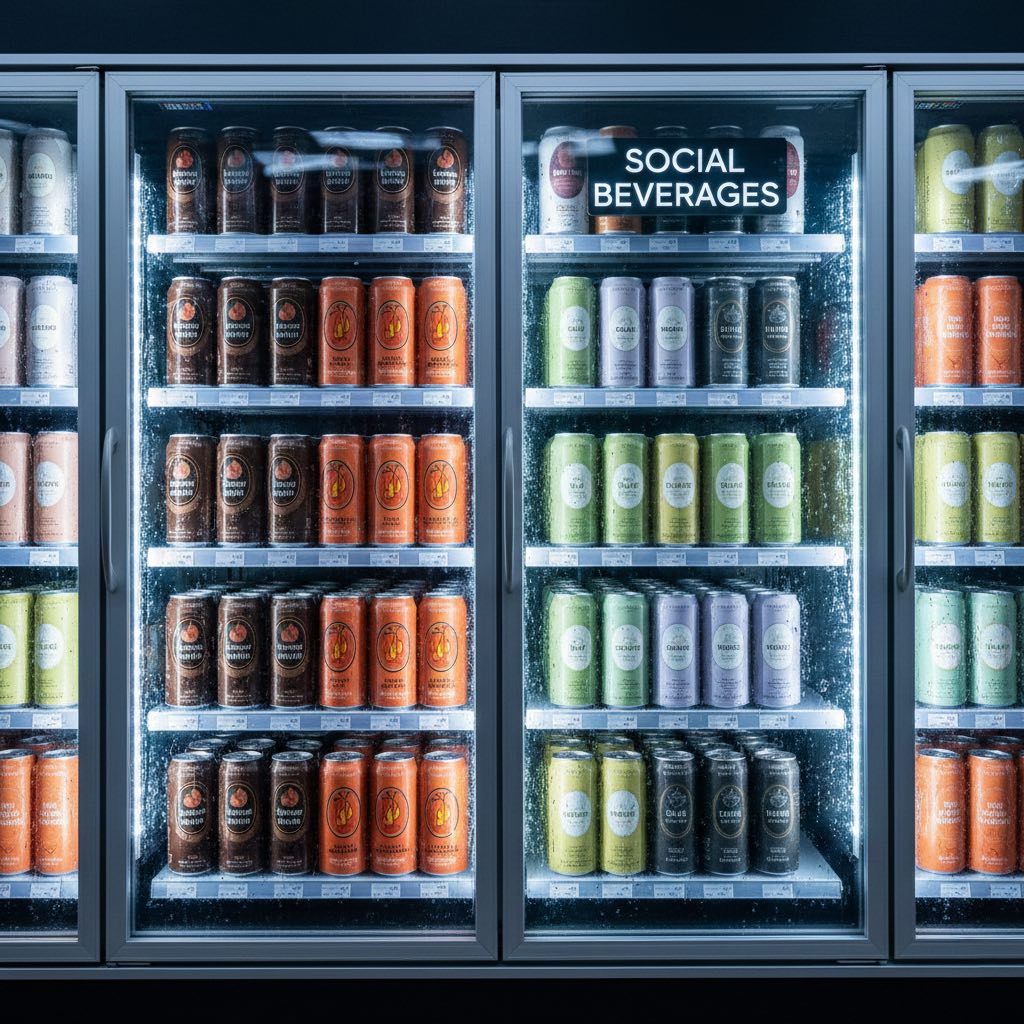
In our previous post, we dove deep into the “Better-for-You” revolution. We explored how customers are now using the cold vault to “hack” their biology. They use functional ingredients like nootropics and adaptogens. We saw that the modern shopper isn’t just looking for thirst-quenching; they are looking for performance and mental clarity.
But what happens when the workday ends? Today, we are looking at the other side of the coin: how your customers unwind. If you are still organizing your cooler into rigid blocks of “Beer,” “Wine,” and “Soda,” you are operating on a map from 2010. The lines haven’t just blurred; they’ve been erased.
We are witnessing the rise of the “Fourth Category,” which is a massive and messy market. It is an incredibly profitable middle ground between soft drinks and traditional spirits. At the same time, a significant portion of your younger demographic is going “Cali-Sober,” swapping the six-pack for hemp-derived alternatives. In this post, I’ll show you how to navigate this convergence of vice and virtue to capture the late-night and weekend traffic that traditional liquor stores are actually losing to convenience.
Analysis and Synthesis: The Rise of Crossover and Cannabis
The convenience store is uniquely positioned to win this shift because we offer what I call “friction-free discovery.” Data from NACS 2025 shows that beverage alcohol sales are declining in grocery and liquor stores. However, they are actually growing in our channel. Why? Because shoppers don’t want to hike through a 50,000-square-foot supermarket for a single can of a cocktail; they want to grab it cold, pay fast, and get home.
1. The “Fourth Category” and Crossover Brands
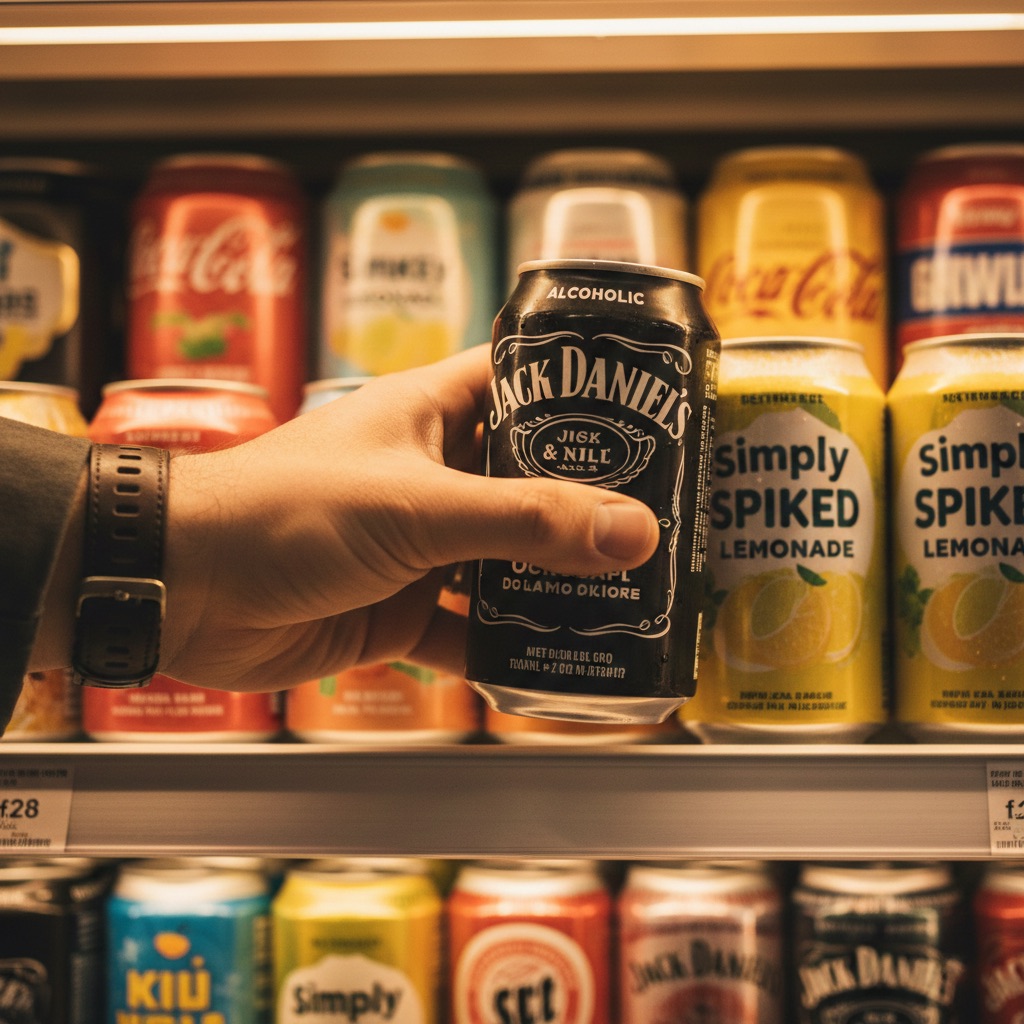
Traditional beer sales are flat, but Ready-to-Drink (RTD) cocktails and Flavored Malt Beverages (FMBs) are skyrocketing. This is being driven by “Crossover Brands”, non-alcoholic household names entering the alcohol space.
Products like Jack Daniel’s & Coca-Cola, Simply Spiked, and Monster Beast generated over $300 million in c-store sales this past year. Consumers trust these logos; the brand equity removes the “risk” of trying a new product. If they like Simply Lemonade, they’ll try Simply Spiked. It’s an impulse buy waiting to happen.
2. The “Malt Loophole” Strategy
This is a strategic goldmine for many of you. In many states, high-ABV cocktails are now being formulated with a malt or wine base rather than distilled spirits. This allows stores that only carry a beer/wine license to sell products that look, taste, and “hit” like premium cocktails, think BeatBox or Cayman Jack. These products offer the “bang for the buck” that Gen Z and Millennial shoppers are actively seeking in 2026.
3. The THC Frontier
We must talk about the elephant in the room: hemp-derived THC beverages. The market is projected to nearly double to $750 million by 2029. For many younger shoppers, a 5mg THC seltzer is their “light beer”, a way to relax without the calories or the next-day hangover. While the legal landscape is complex, major players like Circle K are already testing these products because they know this is where the growth is.
4. Sophisticated Sobriety
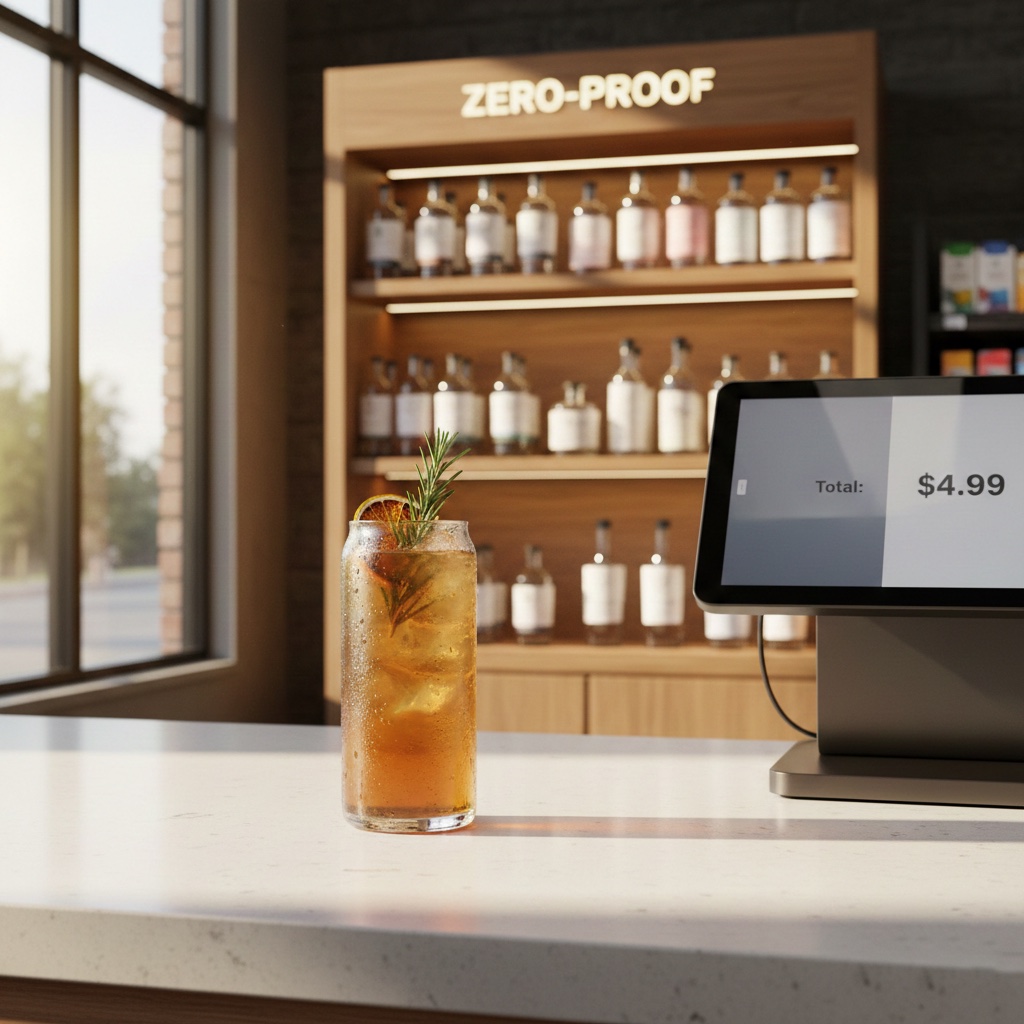
On the flip side, the “Sober Curious” movement is no longer a niche trend; it’s a lifestyle. But these customers don’t want a sugary juice box; they want premium non-alcoholic (NA) options like botanical mocktails and hop waters. These products often command the same $3.99+ price point as alcoholic singles, meaning your basket size remains healthy even when the customer skips the booze.
What You Should Be Doing
- Audit Your License Constraints: Work with your distributors to identify “malt-based” spirits equivalents. If you can’t sell vodka, but you can sell a malt-based “Hard Lemonade” that uses premium branding, you can capture that cocktail-seeker’s dollar.
- Create a “Relaxation” Zone: Stop hiding your NA beers and THC seltzers in the dusty corner. Merchandise them together under a “Zero-Proof” or “Alternative Relaxation” header.
- Prioritize Crossover Placement: Give eye-level real estate to “Crossover” cans (like Simply Spiked or Hard Mtn Dew). The familiar branding acts as a “thumb-stopper” for customers scanning the vault.
- Merchandise for “Occasions”: Instead of grouping by liquid type, try grouping by mission. Create a section for “The Weekend Party” (high-ABV RTDs and multipacks) versus “The Tuesday Unwind” (NA beers and functional seltzers).
- Check Local Hemp Regs Monthly: The laws regarding hemp-derived THC are moving fast. Consult your state’s retail association. If it’s legal in your zip code, you are leaving high-margin money on the table by not having at least one door dedicated to it.
The Bottom Line: Become The “Social Beverage” Destination
The “Alcohol Aisle” as we knew it is dead; it has been replaced by the “Social Beverage Aisle.” Whether your customer is looking for a malt-based margarita, a THC-infused seltzer, or a zero-proof botanical tonic, they aren’t looking for a specific category; they are looking for a specific feeling.
Embrace the “Fourth Category” and crossover brands. This approach turns your store into a destination for discovery. It becomes more than just a place to grab a domestic six-pack. You are competing with the local bar and the specialty liquor store, and right now, your speed and cold-chain reliability give you the upper hand.
But having the right categories is only half the battle. In our next post, Trend III: The New Language of Flavor, we’re going to look at why Gen Z is obsessed with “Newstalgia”, drinks that taste like rocket pops and gummy bears, and why global flavors like Ube and Yuzu are becoming essential for your center-store strategy.


 The5For
Leave a comment