Mastering “Newstalgia” and Global Flavors
In our last deep dive, we explored the “Sobriety and Function” shift, how customers are increasingly looking for beverages that actually do something for them, whether that’s providing a clean energy boost or a social “buzz” without the hangover. If you missed that, go back and read it now. Today’s topic, Flavor, is the bridge that connects those functional benefits to a sale.
In 2026, flavor isn’t just a label like “grape” or “orange.” It has become a sophisticated psychological tool. As a convenience store operator, you aren’t just selling a liquid; you are selling a mood and an experience. Currently, your customers are caught between two powerful emotional worlds: a craving for the comforting safety of the past and a digital-fueled desire for global adventure.
We call these twin forces “Newstalgia” and Global Discovery. When you master these, you gain a superpower. This power is the ability to predict the next viral hit before it even lands on your competitor’s shelf. In this post, I’m going to show you why these trends are driving record-breaking basket sizes and how you can curate a cooler door that looks like a high-end experience rather than a basic commodity shelf.
Analysis and Synthesis: Why “Comfort Meets Chaos” is Winning
The world feels chaotic. In retail, chaos usually drives consumers toward two extremes. They either want to hide in a “flavor security blanket” or escape to a different culture entirely.
1. The Power of “Newstalgia”
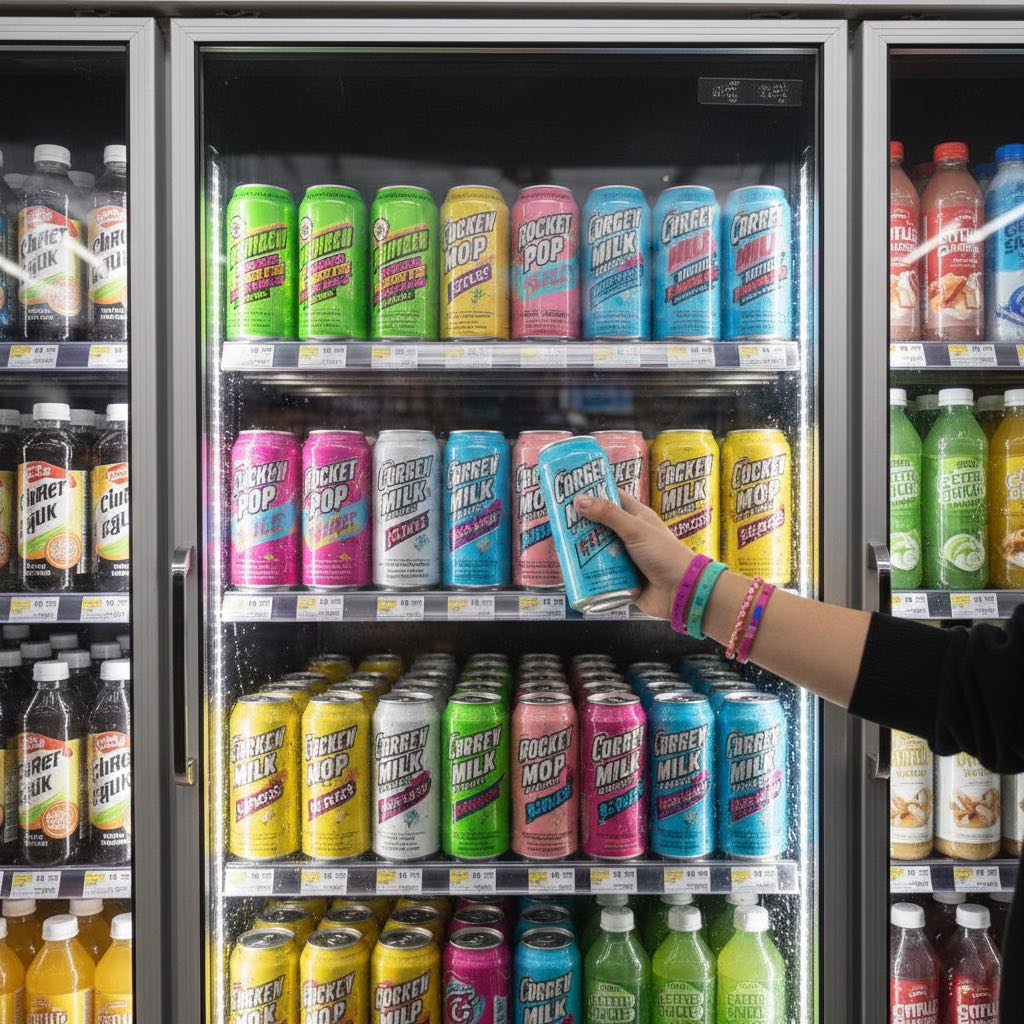
You’ve likely seen the shift on your invoices: energy drinks that taste like “Rainbow Sherbet” or “Rocket Pop,” and protein shakes mimicking “Cereal Milk.” This isn’t a gimmick; it’s a strategic lowering of the barrier to entry.
A customer might be intimidated by a “high-performance Nootropic beverage” with complex ingredients. However, if that beverage tastes like a Jolly Rancher, the “risk” of an unpleasant experience disappears. Surprisingly, Gen Z is the primary driver here. Despite not being alive for the 90s, they crave the aesthetic and perceived simplicity of that era. For you, this means high-margin functional drinks are suddenly accessible to a much younger demographic.
2. The Texture Revolution
Flavor is no longer only about the tongue; it’s about the “mouthfeel.” We are currently seeing a boom in Texture Technology.
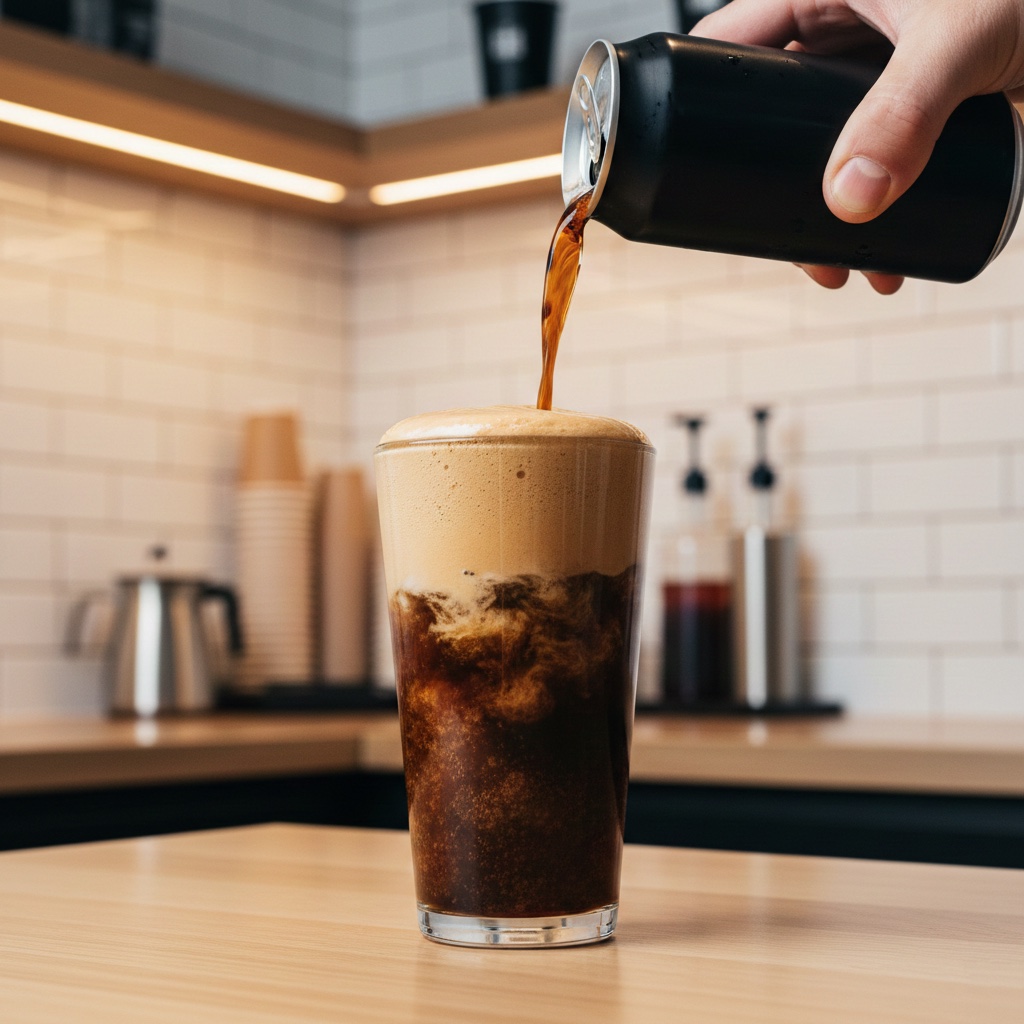
- Cold Foam in a Can: What started at Starbucks has moved to the RTD (Ready-to-Drink) aisle. RTD coffees with nitrogen widgets that create a “cold foam” layer are exploding in popularity.
- Carbonation Variations: It’s no longer just about “fizzy.” Customers are looking for the creamy, micro-bubble texture of nitrogen-infused teas or the sharp, high-acid bite of craft sodas. These textures justify a “premium” price tag.
3. Global Discovery: The “Swicy” and “Hojicha” Wave
Thanks to TikTok and Instagram, a teenager in rural Ohio wants the same flavor experience as a teenager in Tokyo.
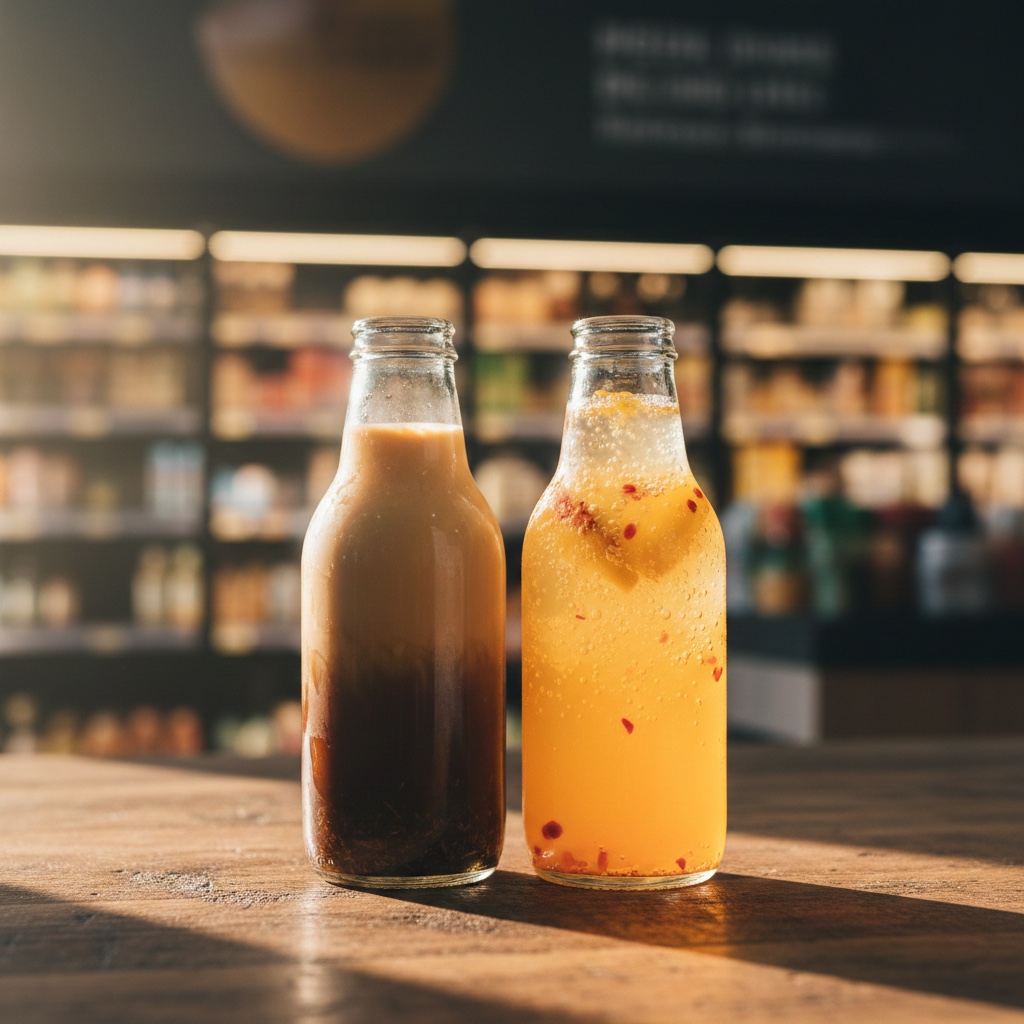
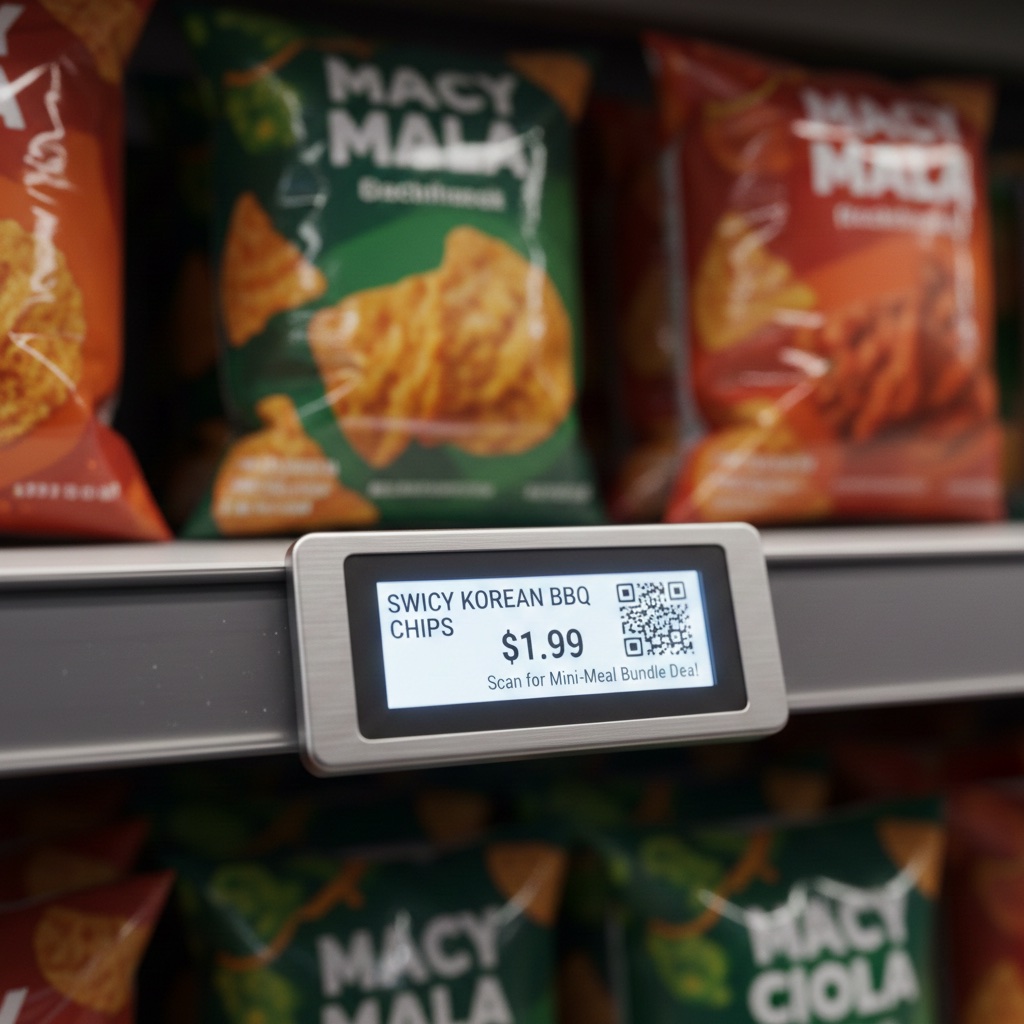
- Swicy (Sweet + Spicy): The combination of fruit and heat is now mainstream. Look for mango-chili seltzers or drinks utilizing Chamoy and Tajin.
- The Next Matcha: Keep your eye on Hojicha. It is a roasted Japanese green tea with a nutty, caramel profile. It fits the 2026 demand for lower caffeine and earthy, comforting flavors perfectly.
- Cajeta: This Mexican goat’s milk caramel is poised to challenge traditional caramel in your coffee bar, offering a tangier, more savory depth that premium coffee drinkers crave.
What You Should Be Doing
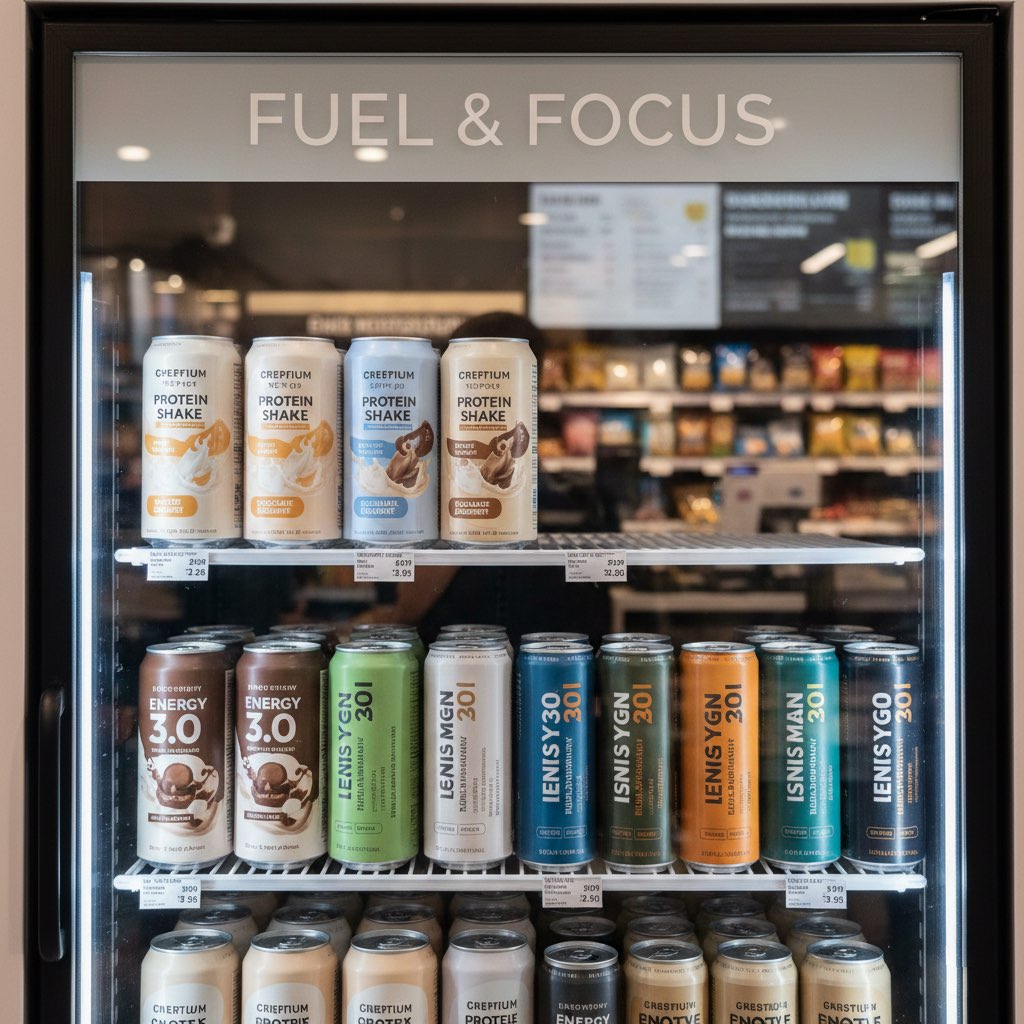
- Prioritize IP Collaborations: Actively stock beverages that partner with established candy or cereal brands (e.g., Ghost x Warheads or C4 x Skittles). These move units at a higher velocity because the branding does the heavy lifting for you.
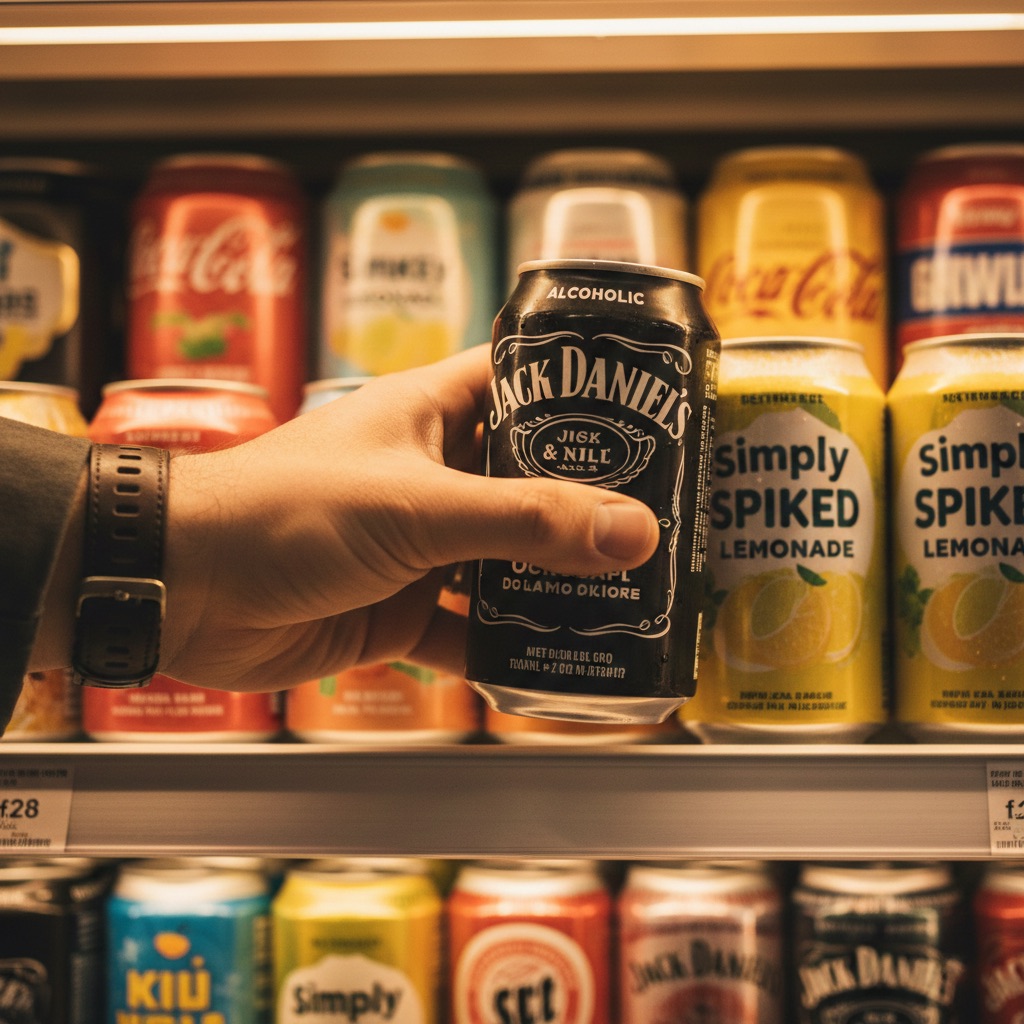
- Scout the “Swicy” Profile: Ensure your fountain or cooler has at least two spicy-sweet options, particularly in the lemonade, margarita, or seltzer segments.
- Invest in “Texture” Premiumization: When a distributor offers a “nitro” version of a product, take it. The premium mouthfeel allows you to push price points past the $3.50–$4.00 mark without pushback.
- The “Global Rotation” Slot: Dedicate one row in your cooler specifically to rotating international or “adventurous” flavors. This keeps your store feeling “fresh” to younger shoppers who are always hunting for the next “find.”
- Update the Coffee Bar: Don’t just offer vanilla and hazelnut. Introducing a Cajeta or Hojicha syrup option can turn your store into a destination for coffee enthusiasts who would otherwise go to a specialty café.
The Bottom Line: Flavor as a Recession-Proof Escape
Flavor in 2026 is about transport. Whether you are transporting your customer back to their childhood kitchen or across the ocean to a new culture, you are providing a moment of “affordable luxury.” In an economy where big-ticket luxuries are out of reach for many, a $4.00 can of “Newstalgia” or a “Swicy” energy drink is an inexpensive escape. This makes the flavor category one of your most recession-proof sales drivers.
As we’ve seen, the inside of the bottle is changing rapidly to meet emotional and cultural needs. But where are we putting all these liquids? The vessel matters just as much as the contents.
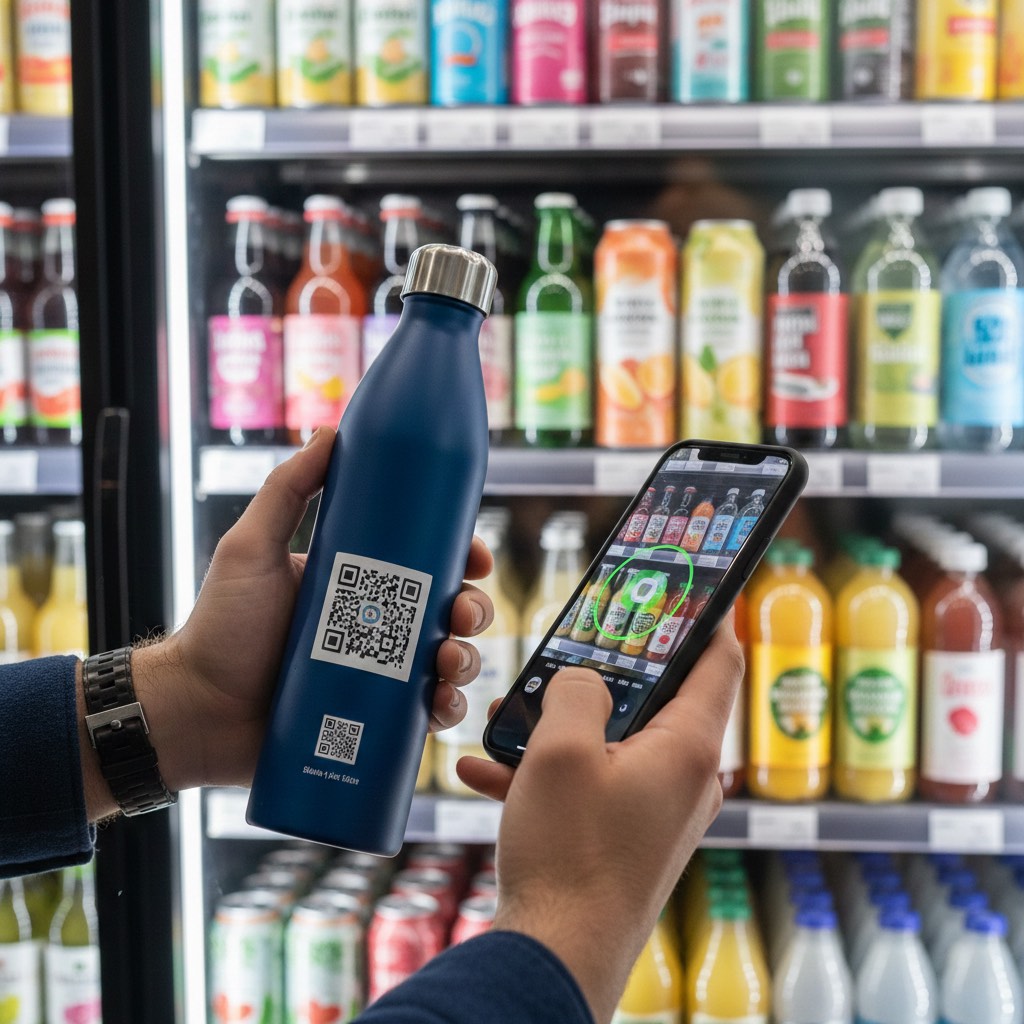
In our next post, Trend IV: The Packaging Revolution, we are going to tackle a topic that sounds “boring” but is actually critical to your bottom line. New sustainability laws are coming. They could cost you money in fines or lost shelf space. However, new “smart packaging” technologies might just be the key to saving your sales. They could also reduce your labor costs. See you at the next installment!


 The5For
Leave a comment