How Packaging Regulations and Tech Will Change Your Inventory
In our last post, we took a deep dive into the world of Functional Hydration and the “Better-for-You” movement. We discussed how today’s shoppers aren’t just looking for a drink; they are looking for a performance boost, a mood enhancer, or a recovery tool. But as an operator, you know that what’s inside the bottle is only half the battle. To truly win the sale in 2026, you must look at the bottle itself.
I’ll be honest with you: for years, most of us viewed packaging as an afterthought; it was just the “trash” the customer took home. But today, I’m seeing a massive shift. Packaging has evolved into a high-tech tool that directly impacts your bottom line, your regulatory compliance, and your brand’s reputation. We are entering the era of the “Smart Bottle.” Two massive forces are colliding. These are Government Regulation (specifically Extended Producer Responsibility, or EPR) and Digital Intelligence.
In the current landscape, you can’t afford to ignore the chemical makeup of a plastic sleeve or the gauge of an aluminum can. You might not have spent much time thinking about it before. Packaging is getting more expensive due to new taxes. However, it’s also becoming much smarter through “phygital” (physical + digital) integration. In this post, I’m going to guide you through the regulatory squeeze that is coming for your margins. I will show you how to leverage “smart” packaging to increase customer engagement. This approach can also justify premium price points. My goal is to help you move beyond seeing packaging as a cost of doing business and start seeing it as a silent salesperson on your shelf.
Analysis and Synthesis: The Squeeze and the Screen
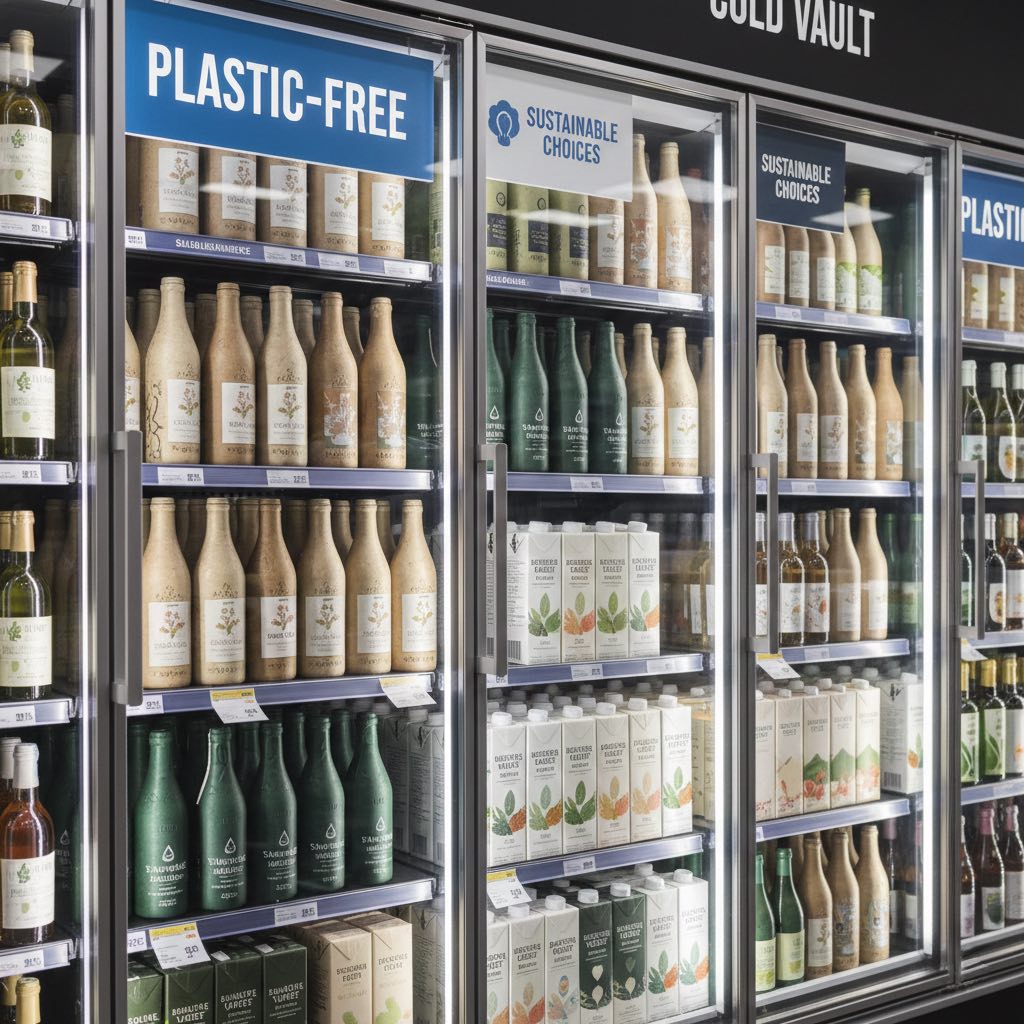
As a consultant who has walked thousands of convenience store aisles, I can tell you that the “cold vault” of 2026 looks fundamentally different than it did five years ago. Packaging is no longer just a passive container; it’s a data point, a tax liability, and a marketing vehicle.
1. The Regulatory Squeeze (EPR Laws)
States are aggressively rolling out Extended Producer Responsibility (EPR) laws. These regulations essentially charge manufacturers’ fees based on how difficult their packaging is to recycle. While these fees are leveled at the brands, I want you to understand the “trickle-down” effect.
- The Impact on Your Margins: Brands are already passing these costs down to the retail level. You should expect “price creeps” on beverages that rely on hard-to-recycle plastics or multi-layered materials. Conversely, brands using “mono-materials” (single types of plastic like clear PET) or aluminum will likely see more stable pricing.
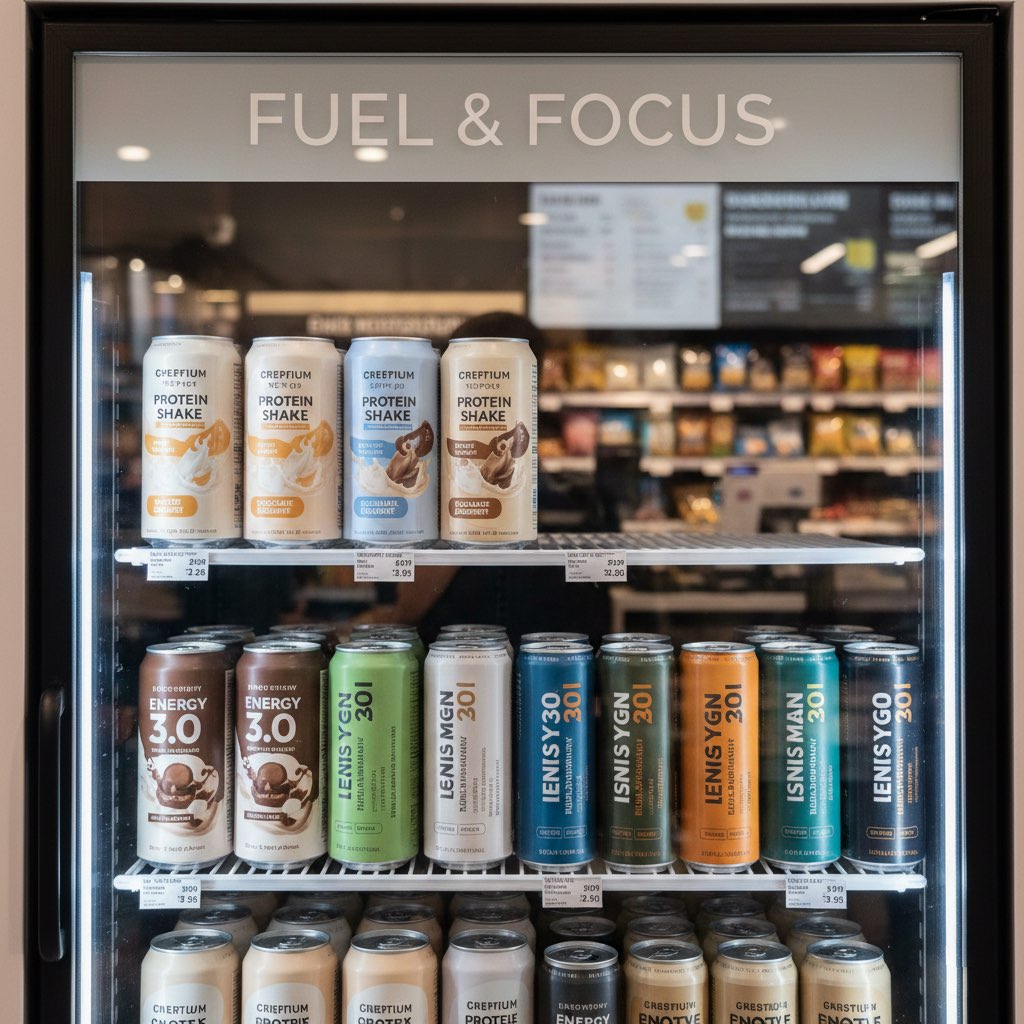
- The “Paperization” Trend: Don’t be surprised when you start seeing paper-based bottles for wine, spirits, and even some protein shakes. It sounds counterintuitive, but paper is lighter, which lowers shipping costs, and attracts significantly lower EPR fees. When you see these on your distributor’s order sheet, know that they aren’t just a gimmick; they are a margin-protection strategy.
2. The Consumer’s Willingness to Pay
Here is where the opportunity lies for the independent operator. The data is clear: customers actually want this change. Recent industry research shows that 90% of consumers are more likely to purchase from a brand that uses sustainable packaging. More importantly for us, nearly half of Gen Z and Millennial shoppers, the core of the C-store demographic, are willing to pay a premium for it.
Too many operators shy away from a $3.00 or $4.00 water because they think “it’s just water.” But when that water is in an infinitely recyclable aluminum tallboy or a compostable carton, the customer views that extra dollar as a “virtue signal.” They feel better about the purchase, and you enjoy the higher basket ring.
3. The “Phygital” Shelf and Digital Intelligence
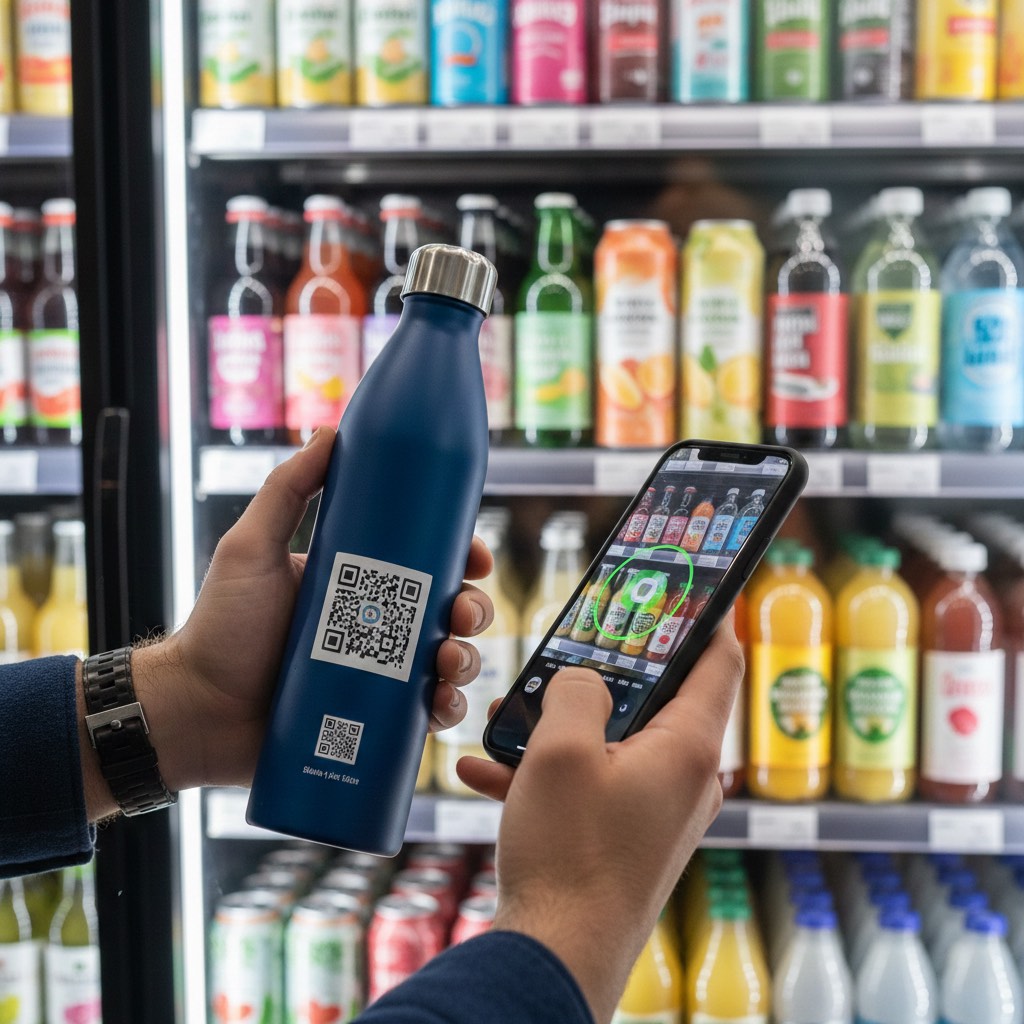
Packaging is becoming the primary digital bridge between you and your customer. We are moving beyond simple barcodes into the realm of Smart Packaging.
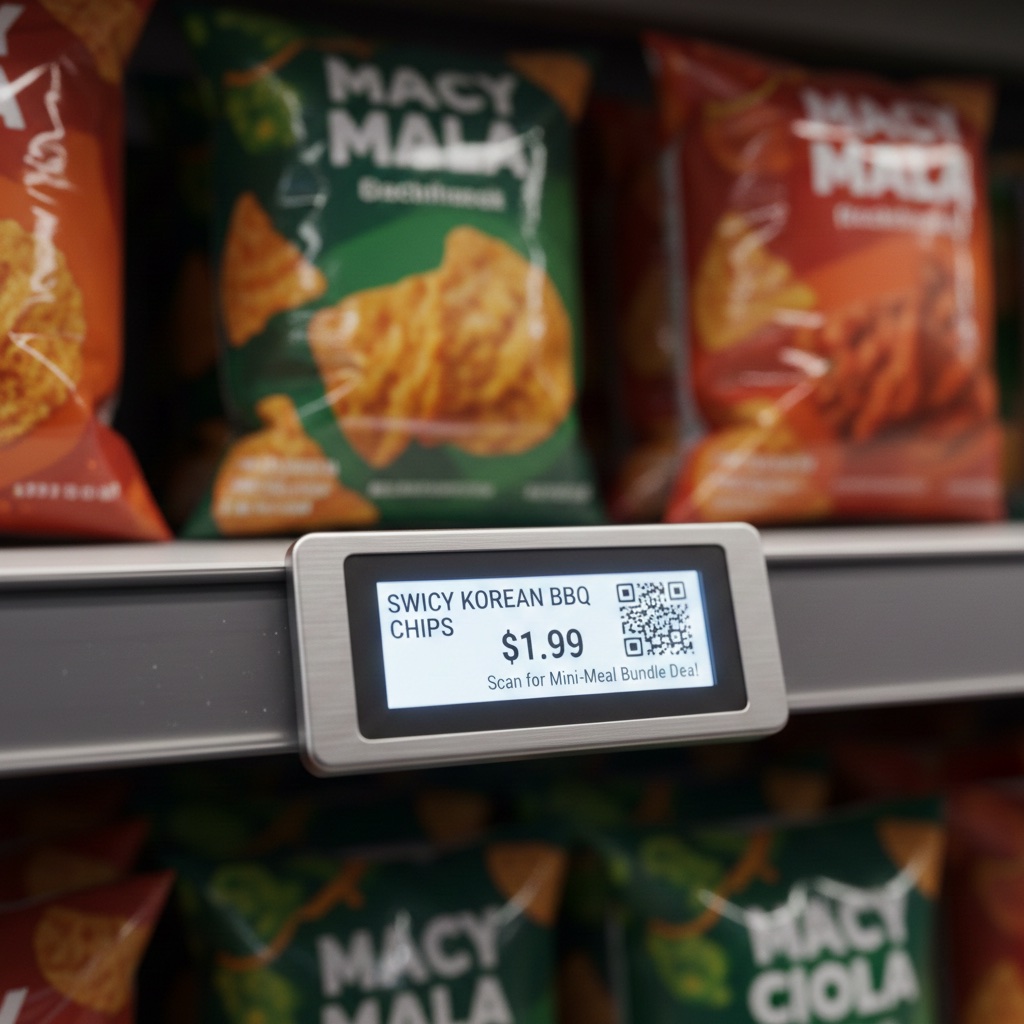
- QR and NFC Integration: We are seeing NFC (Near Field Communication) tags and QR codes embedded directly into labels. When a customer scans these, they aren’t just getting a coupon. They are seeing the carbon footprint of the drink or unlocking an augmented reality (AR) game.
- Trust and Transparency: In an era of deep skepticism, your customers are using these digital tools to verify ingredient sourcing. For the high margin “functional” drinks we discussed in Post 2, this transparency is the “secret sauce” for building long-term loyalty.
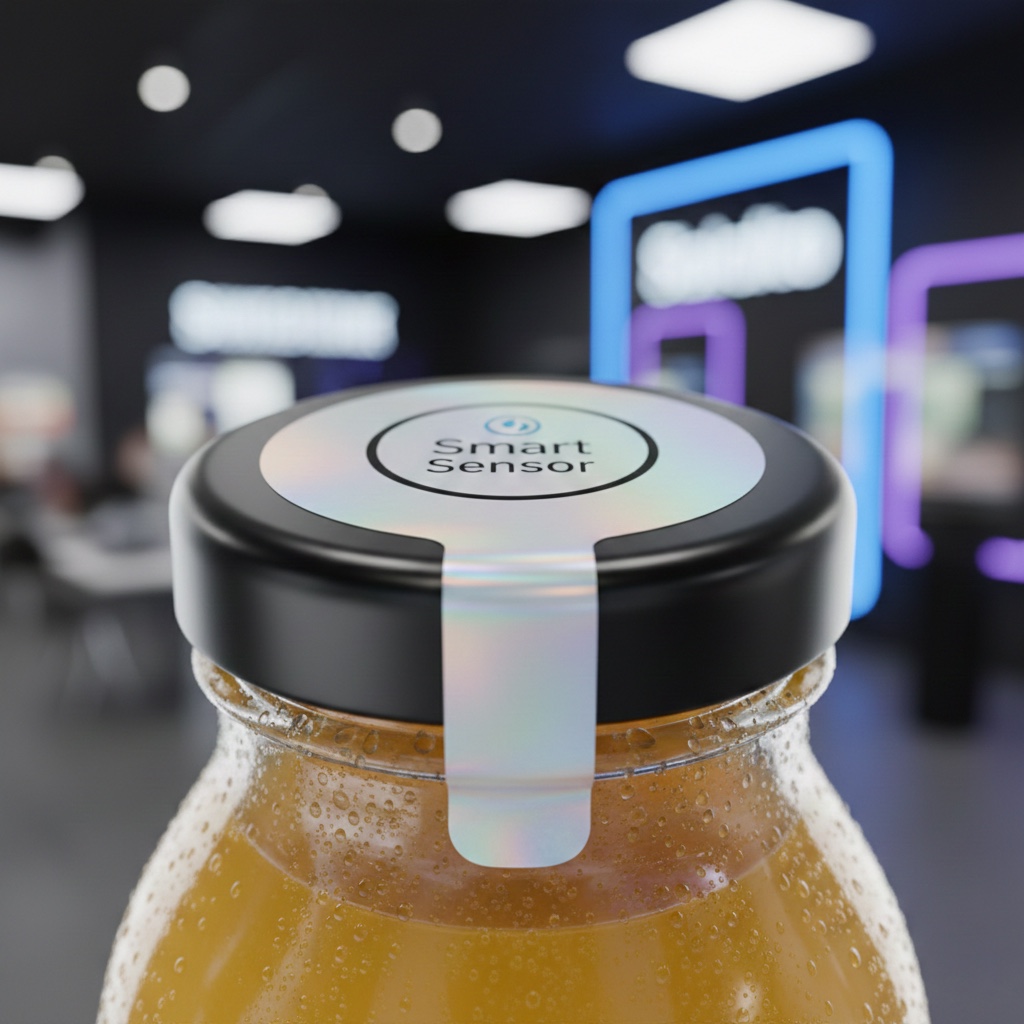
- Safety and Hygiene: Post-pandemic; hygiene remains a top-of-mind issue. Look for new heat-sensitive seals and “smart” tamper-evident packaging. These give your customers visual proof that the product hasn’t been opened or temperature-abused, critical for your fresh juice and dairy categories.
What You Should Be Doing
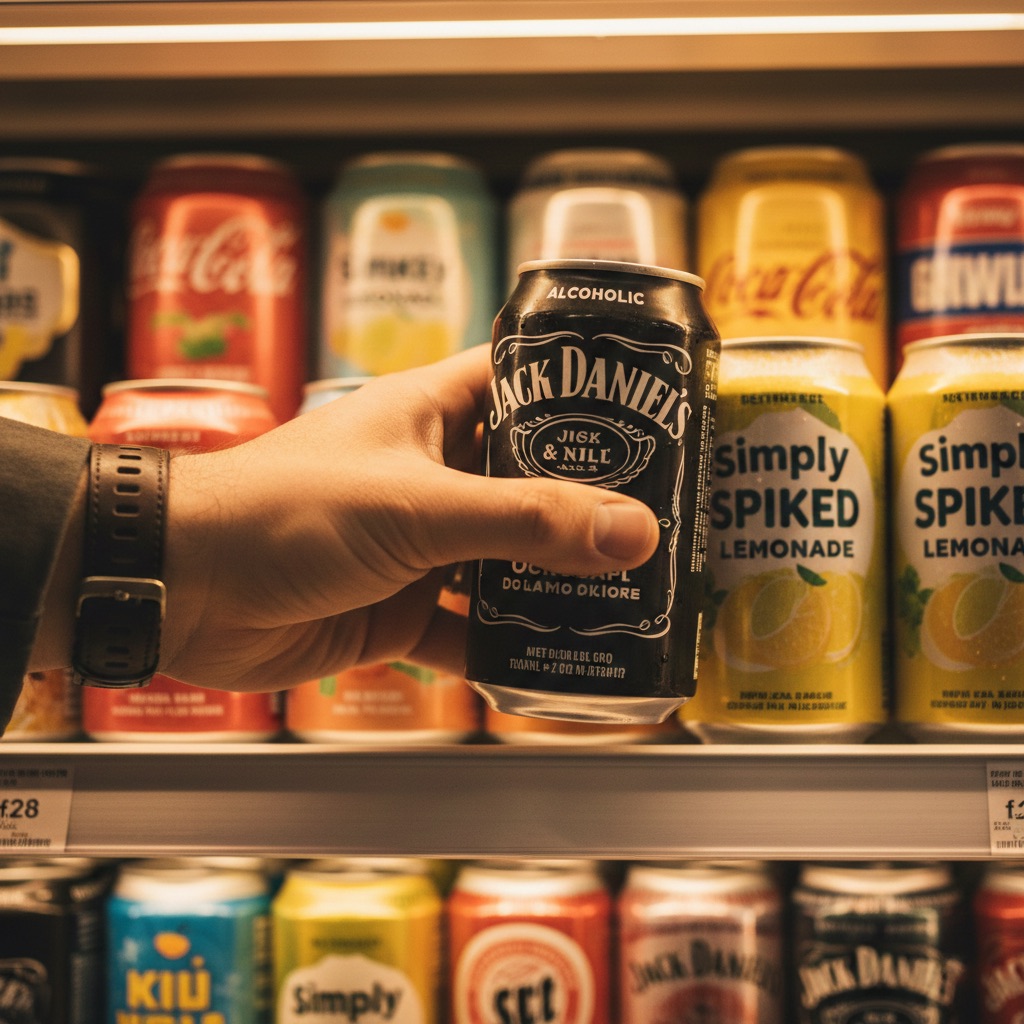
- Price and Group the Premium Brands: If you stock sustainable brands (like Liquid Death or Boxed Water), do not hide them among the value brands. Group them together in a “Sustainable Choice” section. The visual impact of a plastic-free block justifies the higher price tag and draws in the high-spend younger demographic.
- Audit Your Private Label Supplies: If you offer branded fountain cups, coffee sleeves, or grab-and-go containers, talk to your suppliers about EPR fees today. Switching to a more recyclable “mono-material” now could save you thousands in regulatory fees over the next 24 months.
- Maximize “Scan to Win” Promos: When a brand runs a digital engagement promo on their packaging, don’t just rely on the bottle to do the work. Use a shelf talker to point it out. It slows the customer down in the aisle, increasing the “dwell time” that leads to impulse buys.
- Educate Your Staff: Make sure your team knows why a certain water costs more. If a customer asks, “Why is this water $4?” your staff should be able to say, “That’s a plastic-free aluminum can that stays colder longer.” That simple bit of product knowledge closes the sale.
The Bottom Line: Communicate Your Value
Packaging has transitioned from being a passive container to an active participant in the retail sale. It is the first thing your customer touches. It communicates your store’s values. It also shows your commitment to sustainability and your dedication to food safety. By understanding the shift toward “Smart Bottles,” you aren’t just staying ahead of the regulators. You’re also giving your customers a reason to choose your store. They will prefer you over the competitor down the street who is still stuck in the “plastic-only” past.
As we look at these high-tech bottles and digital labels, it’s clear that the “physical” store is becoming more “digital” every day. But how do you capture the attention of a customer whose eyes are glued to their phone before they even walk through your doors?
In our next post, Part 6: The Digitized Cold Vault, we’ll explore the “Viral Snack Economy.” I’ll show you how to use social media trends and digital shelf technology to stock your store at the speed of the TikTok algorithm. You won’t want to miss it!


 The5For
Leave a comment