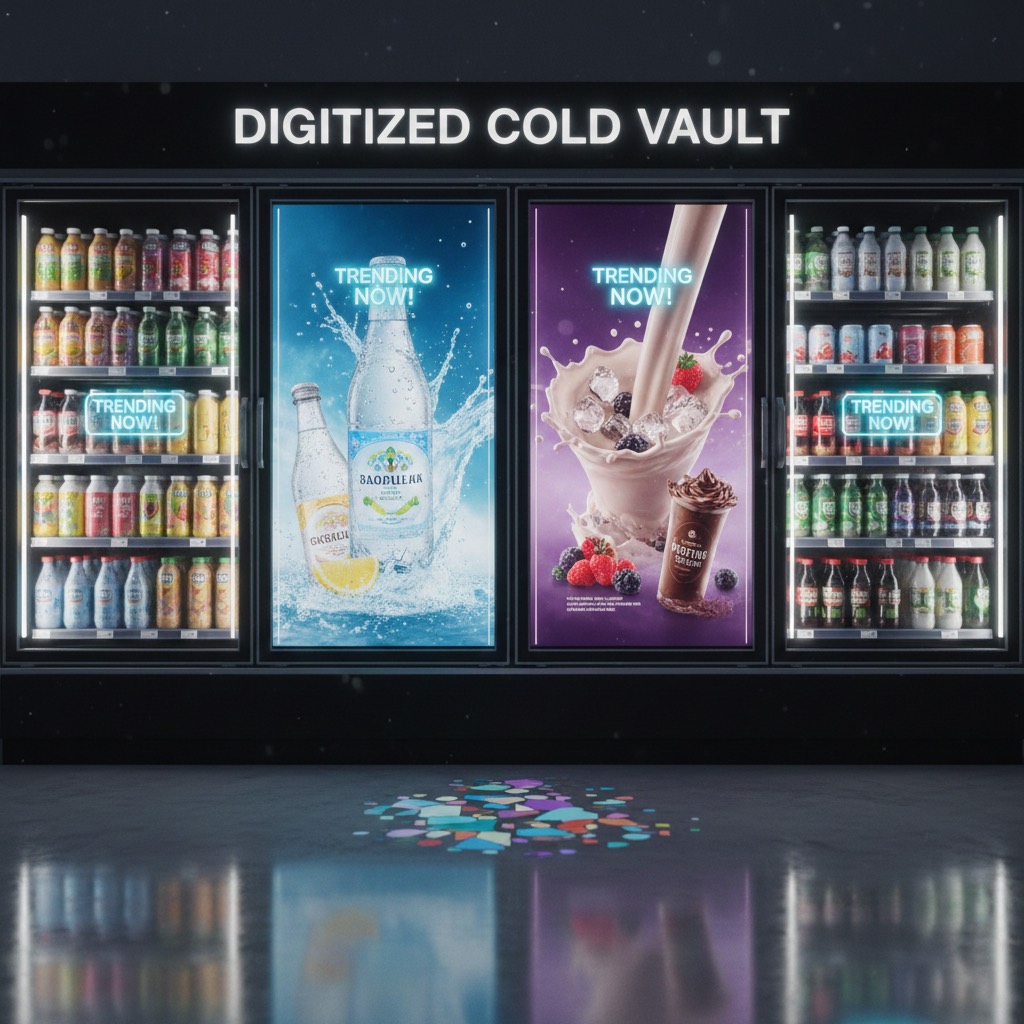
Why TikTok Is Your New Merchandising Manager
In our last post, we explored the “high stakes” world of functional beverages and THC seltzers. We discussed how to navigate legalities. We also covered how to capitalize on the massive demand for relaxation in a can. But even the best product selection won’t move if your customers don’t know it’s there, or worse, if they are looking for it, and you’re the last one to know it exists.
We’ve arrived at the sixth trend in our series, and it’s the fastest moving one of all. In the old days, you waited for a distributor rep to walk through your door to tell you what was “new and hot.” By the time that product hit your shelves, the trend was likely already six months old. Today, the script has flipped. A teenager in their bedroom or a fitness influencer in a gym can decide what will sell out in your store tomorrow morning.
Welcome to what I call the “Digitized Cold Vault.” As we look at the landscape of 2026, the physical shelf in your store is no longer just a piece of metal or glass; it is the physical endpoint of a digital journey. Your customers aren’t just “browsing” anymore; they are on a scavenger hunt for items they’ve already seen, liked, and shared online.
If you aren’t plugging into the “Viral Snack Economy,” you are always going to be a step behind. In this post, I’m going to show you how to use social media algorithms, retail media networks, and AI to ensure your store remains the local destination for the “next big thing.” We are moving from reactive ordering to proactive merchandising.
Analysis and Synthesis: Algorithms, AI, and the New Discovery Path
The discovery process for the modern convenience store customer has fundamentally shifted. For Gen Z and Millennials, the “path to purchase” starts on a smartphone screen. They don’t enter your store to see what you have; they enter to see if you have that one specific item they saw on their feed. This requires a complete shift in how we think about our inventory and our equipment.
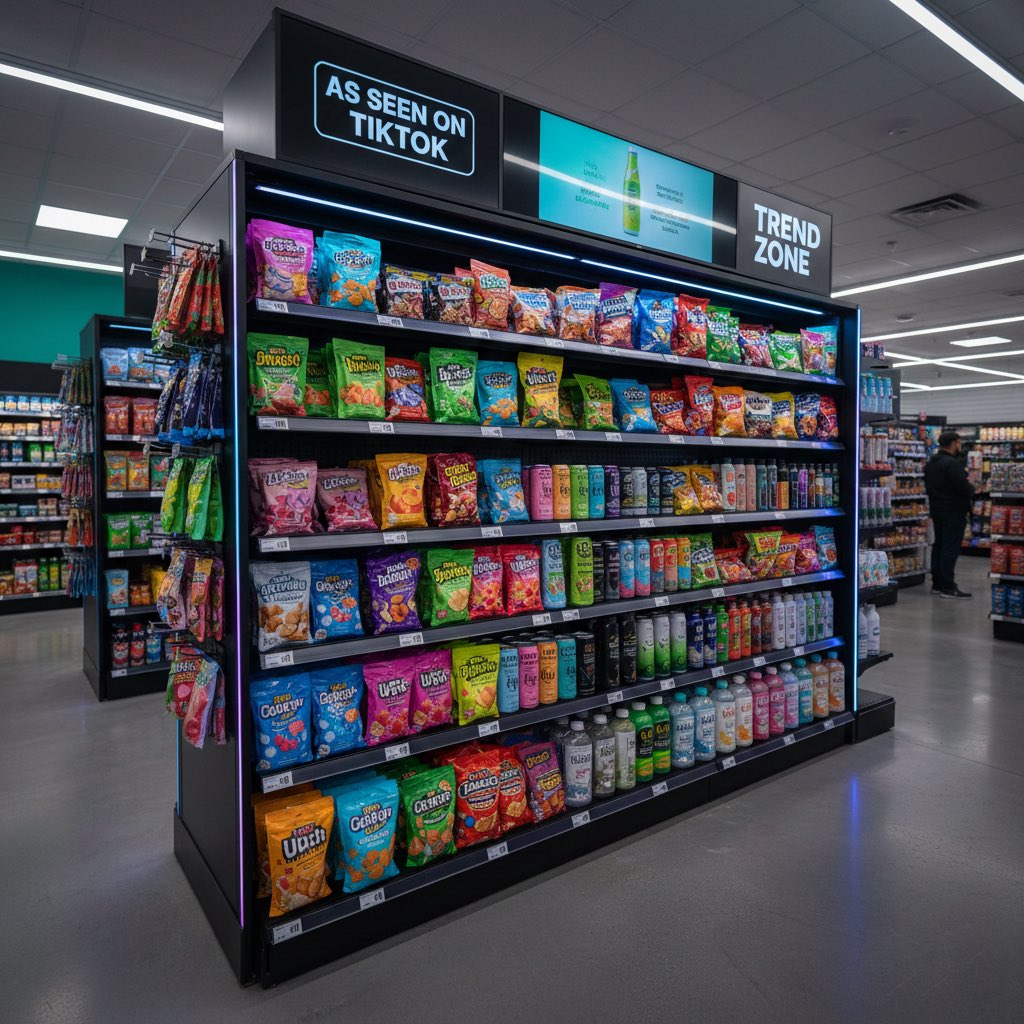
1. The Speed of the Viral Snack Economy
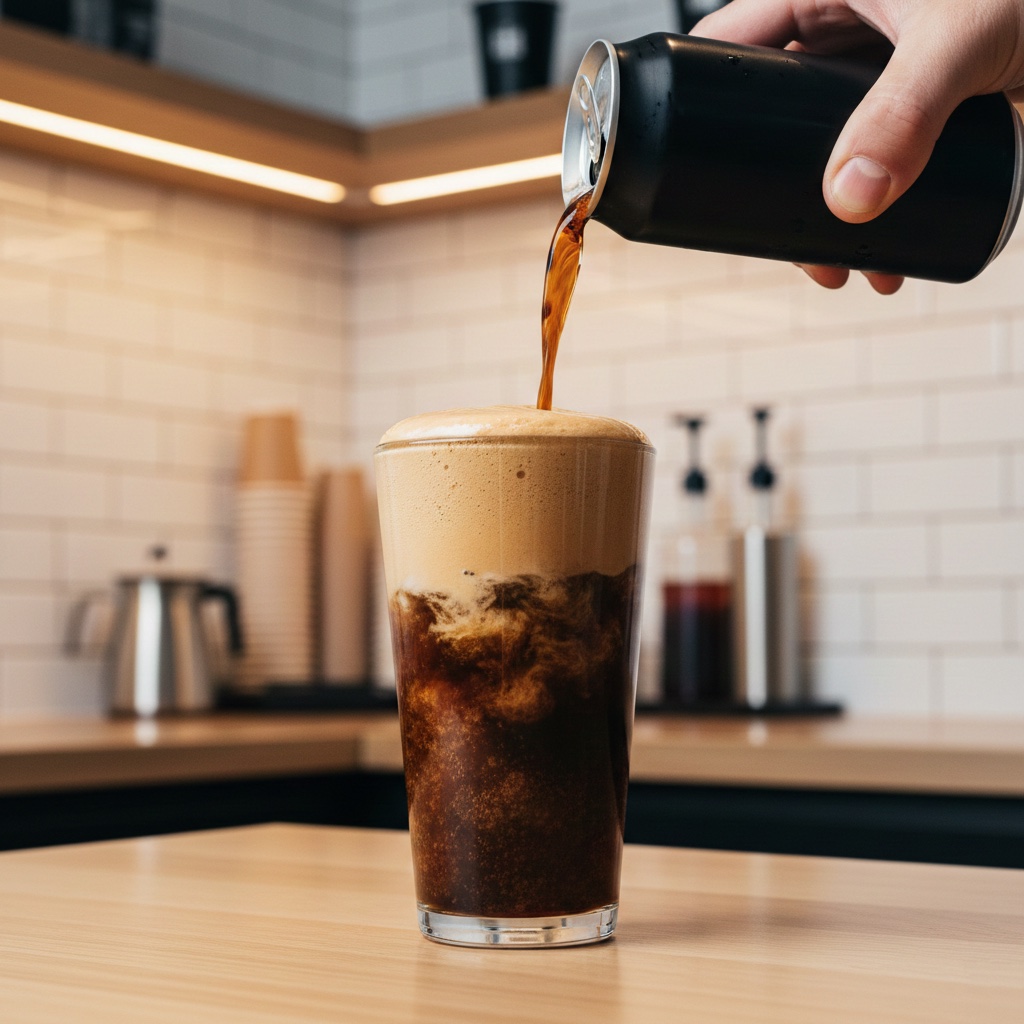
Trends on TikTok (#DrinkTok) and Instagram drive immediate, massive spikes in demand that traditional supply chains aren’t built for. I’ve seen it happen dozens of times: a creator makes a “cucumber soda” or a specific “protein coffee” recipe on a Monday, and by Wednesday, every store in the zip code is sold out of the base ingredients.
This isn’t just about “hype”; it’s about FOMO (Fear Of Missing Out) Marketing. Brands are now leaning into “drops” and Limited Time Offers (LTOs) specifically designed to go viral. As an operator, you must be agile enough to catch these waves before they crash.

2. Retail Media Networks (RMNs): Your Cooler is an Ad Agency
Your cooler doors are some of the most valuable real estate in the retail world. In 2026, we are seeing a massive shift toward Digital Screens replacing traditional glass or being embedded directly into the aisle.
These aren’t just fancy TVs; they are Retail Media Networks. These screens allow you to play high-definition ads that change based on the weather (hot coffee ads when it’s 30 degrees, sports drinks when it’s 90) or the time of day. The best part? Major brands will pay you to run their content on your screens. This turns your refrigeration equipment from a “utility cost” into a “profit center.”
3. AI Inventory Management: Ending the “Out-of-Stock” Nightmare
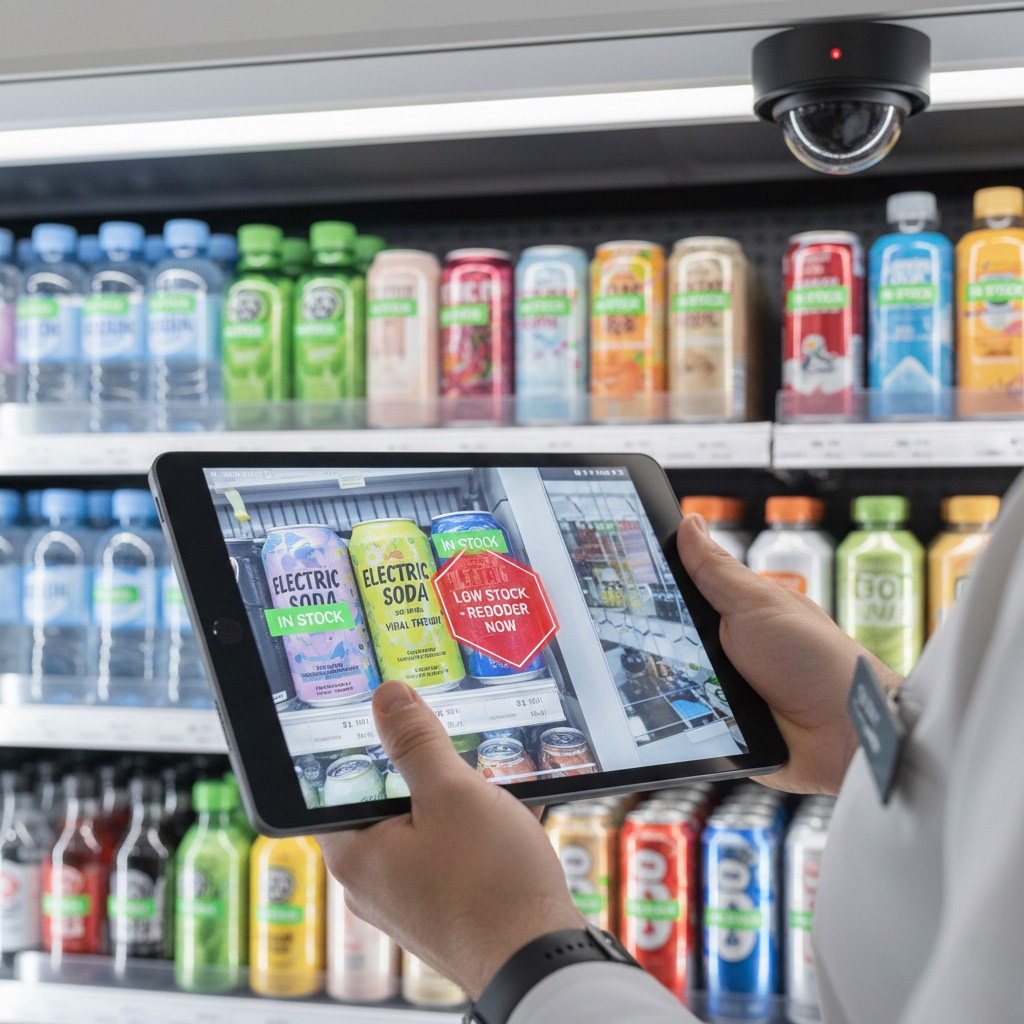
You can’t sell what you don’t have, and nothing kills customer loyalty faster than a “viral” item being out of stock when they finally drive to your store. Artificial Intelligence (AI) is finally solving this.
Through Computer Vision, smart cameras can now monitor your shelf facings in real-time. Your staff gets an instant alert on their handheld device, instead of waiting for a shift change. This alert informs them when the Red Bull is empty. Furthermore, Predictive Analytics can examine local data, like a concert at a nearby arena. It can also consider a local high school football game. Predictive Analytics will tell you to increase your “par levels” for hydration and snacks before the rush hits.
What You Should Be Doing
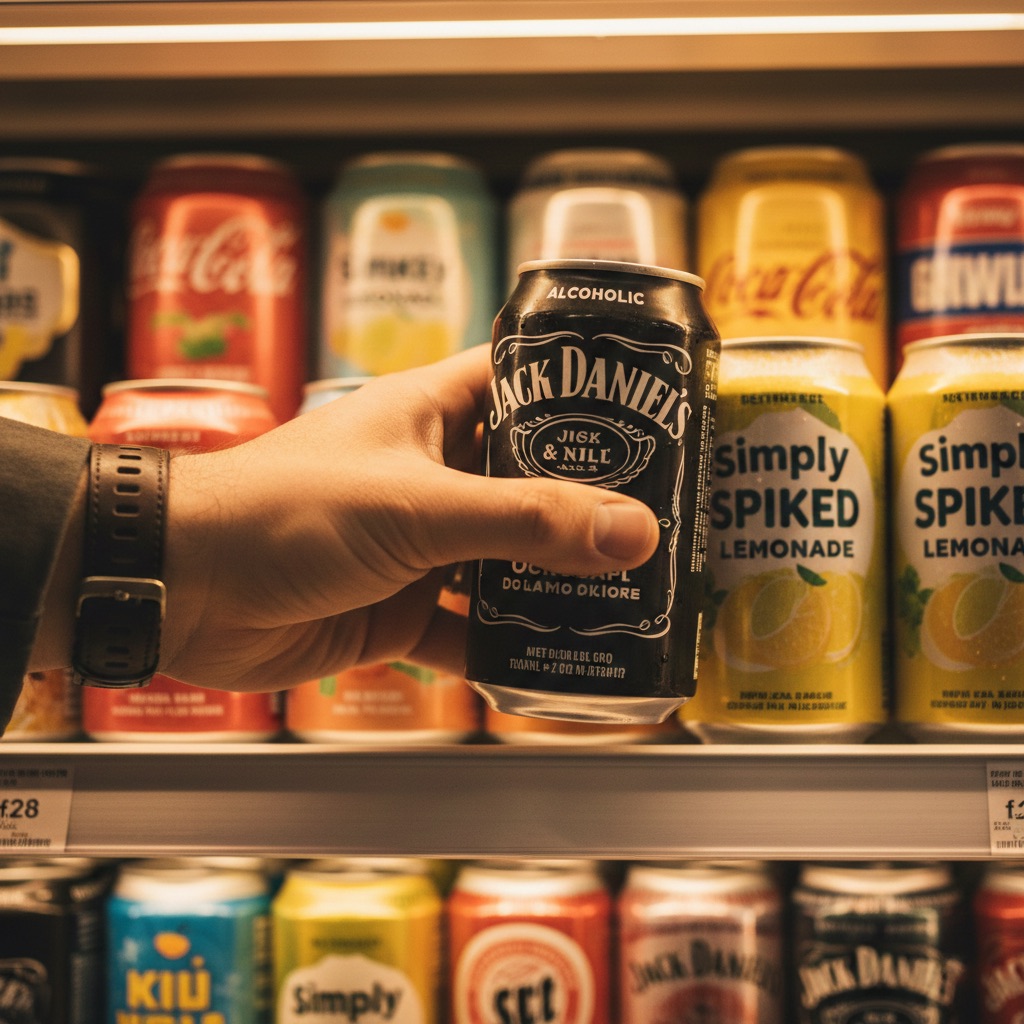
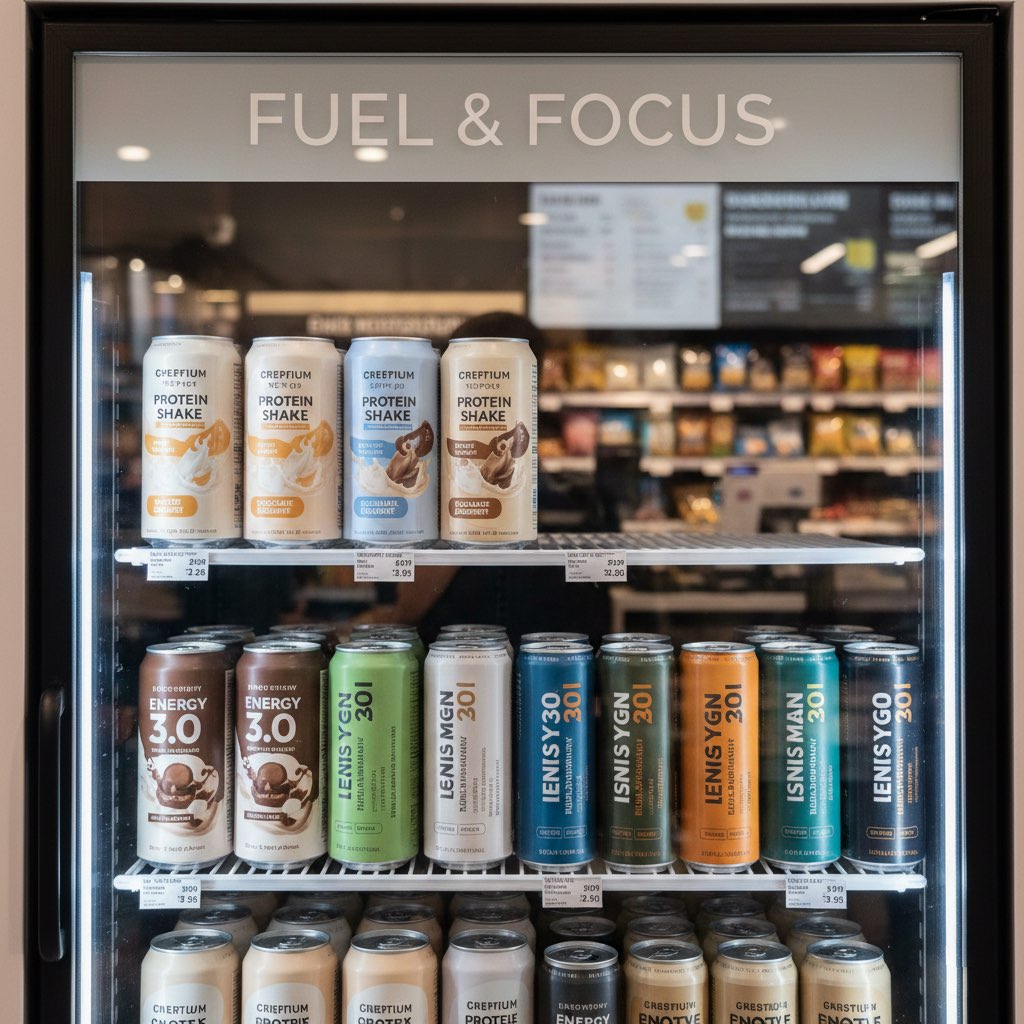
- Create a Dedicated “Trend Zone”: Designate one high-visibility endcap. Alternatively, use a specific cooler door as your “As Seen on Social” section. Do not keep this static; rotate the products at least once a month to keep the “treasure hunt” feel alive for your regulars.
- Empower a “Digital Scout”: If you aren’t on TikTok or Instagram daily, find a staff member who is. Task them with monitoring hashtags like #CStoreFinds, #DrinkTok, or #SnackHul. Give them the authority to suggest one “speculative” order per week based on what’s blowing up online.
- Audit Your Digital Presence: Ensure your “Google My Business” profile and social pages are updated. When people search for a viral drink “near me,” you want your store to pop up. Post a quick photo when you get a shipment of a trending item; it’s free advertising.
- Phase in Digital Signage: You don’t have to replace every door tomorrow. Start with small digital shelf tags or a single vertical screen near the register. Use these to call out “Staff Picks” or “Trending Now” items to catch the eye of the customer who didn’t come in with a plan.
- Trust the Data Over Your Gut: Use your POS (Point of Sale) reports to identify “micro-trends.” If a specific SKU suddenly jumps 300% in volume over three days, don’t assume it’s a fluke. It’s likely a trend. Adjust your automated ordering immediately to prevent “out-of-stocks.”
The Bottom Line: Embracing the Digital Chaos
The convenience store shelf of 2026 is no longer a static display; it is a fluid, living thing. It changes based on likes, shares, comments, and mysterious algorithms. While that might feel overwhelming, it’s actually a massive opportunity. By embracing this digital chaos, you ensure that your store never feels “stale” or “dated.” You become the operator who is “in the know,” and that builds a level of “cool factor” and loyalty that a generic shop simply can’t match.
Merchandising is no longer just about where you put the chips. It’s about how you connect your physical space to the digital world your customers live in. When you combine the speed of social media with the precision of AI inventory management, you create a retail environment that is truly future proof.
We’ve covered a tremendous amount of ground in this series. We’ve looked at the impact of weight-loss drugs on snacking. We’ve examined the “Premiumization” of the morning coffee run and the rise of the “Third Place” lounge. We also discussed the legal complexities of THC beverages. Now, we are exploring the viral economy.
In our final post of this series, we’re going to bring it all together. I’ll provide you with a comprehensive summary and a “roadmap to 2030” to help you synthesize these insights into a single, actionable plan for your business. You won’t want to miss the series finale.


 The5For
Leave a comment