How to Turn Your C-Store into a Media Powerhouse (Without Being Creepy)
In my last post, we dissected the “Trust Gap” and the terrifying reality that only 12% of shoppers currently trust AI to make purchases for them. We talked about the visceral fear of surveillance and the desperate need for transparency in how we handle customer data. If you missed that, I highly recommend going back to read it, because understanding that hesitation is crucial for what comes next.
Today, I want to talk about why the industry is pushing so hard for this data in the first place. We aren’t just gathering data for the sake of improved inventory management or cleaner supply chains. We are witnessing the birth of an entirely new economic model for convenience stores.
We are no longer just selling fuel, snacks, and fountain drinks; we are selling audiences.
Welcome to the era of the Retail Media Network (RMN). Major players like 7-Eleven, Casey’s, and Circle K are transforming their physical footprints into what experts call “Immediate Consumption Ecosystems” (ICE). This is a $100 billion opportunity that is fundamentally changing how our stores operate, turning every screen and speaker in your store into a revenue-generating asset.
But here is the catch: While the financial upside is massive, the execution walks a razor-thin line. In this post, we are going to explore how the big chains are monetizing their foot traffic, how you can apply these same principles to your operation (even without a billion-dollar budget), and how to navigate the “surveillance economy” without alienating the customers who keep your lights on.
The $100 Billion Pivot: Why You Are Now a Media Company
By 2026, Retail Media Networks are projected to reach $100 billion globally. This concept was originally pioneered by e-commerce giants like Amazon and big-box retailers like Walmart. But recently, this concept has moved downstream to us in the convenience sector.
You might be asking: Why would a massive advertiser care about my corner store?
The answer is simple: Frequency.
A customer might visit a grocery store once a week. They might visit a big-box retailer twice a month. But they visit us three, four, maybe five times a week. That high-frequency data is gold. It allows advertisers to close the loop between an ad seen on a pump screen, and a candy bar bought three minutes later.
This concept, known as “attribution,” is the holy grail of advertising. In traditional media (like TV or radio), an advertiser never really knows if their ad caused a sale. In a c-store Media Network, we know exactly when the conversion happens. This is why our industry is building a surveillance infrastructure that rivals any tech company. We are effectively monetizing the “impulse” in a way no other retail sector can.
What You Should Be Doing Regarding The Pivot
- Audit Your “Media” Assets: Walk your store and identify every point of customer attention. Gas pumps, ATM screens, coffee bar signage, checkout counters, and even the audio playing overhead. These are no longer just operational tools; they are media inventory.
- Shift Your Mindset: Stop viewing CPG (Consumer Packaged Goods) companies solely as suppliers. View them as media partners. When negotiating new contracts, ask if they have budgets for in-store advertising placement, not just product placement.
- Evaluate Vendor Partners: If you use digital signage providers, ask them about programmatic advertising capabilities. Can they serve third-party ads on your screens and share the revenue with you?
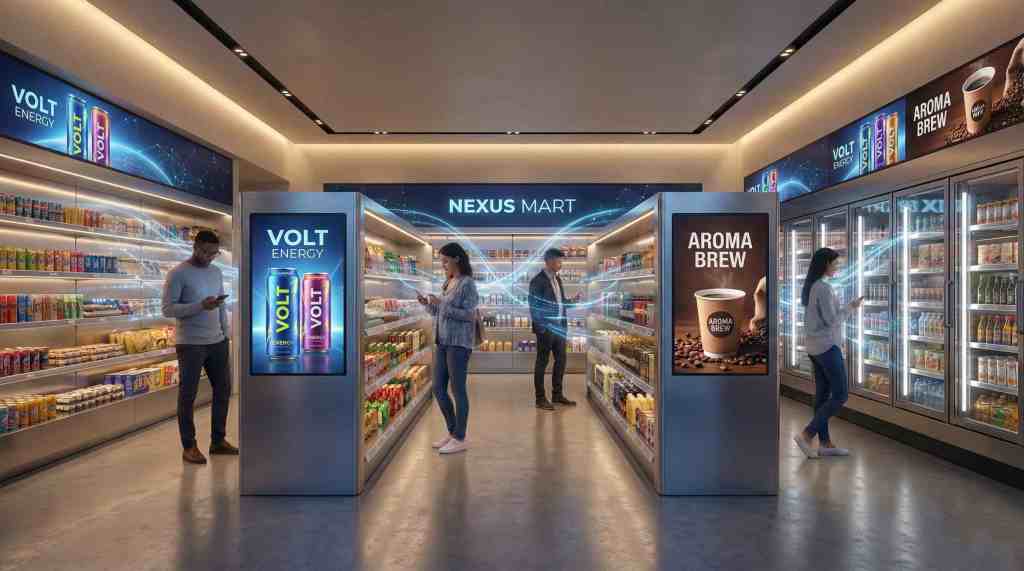
7-Eleven’s Gulp Media: The Power of Audio Surveillance
Let’s look at how the giants are doing this, starting with 7-Eleven. They have launched the Gulp Media Network, which includes a fascinating component called Gulp Radio. By the end of 2025, they expanded this into over 12,000 stores.
This isn’t just background music to keep the clerks from getting bored. They are partnering with a company called Qsic to use AI to generate localized audio ads. These aren’t generic broadcasts sent to every store in the country. They are targeted based on store-level data.
The system analyzes what is selling in that specific store, at that specific time of day, and inserts ads to drive “impulse” buys. If coffee sales are lagging in a specific location at 10:00 AM, the system can inject a coffee ad. They claim a 5-9% sales lift for advertised products.
Think about the data required to do this. They are matching 100 million loyalty members (7Rewards) against transaction data in real-time to measure if that audio ad worked. It creates a closed loop where the store environment itself is reacting to the aggregate behavior of the people inside it.
What You Should Be Doing Regarding Audio Strategy
- Implement Day-Parting: Even if you use a standard music service, ensure your messaging changes with the clock. Don’t advertise coffee at 5:00 PM; advertise energy drinks or beer. Relevance reduces the feeling of “noise.”
- Localize Your Messaging: If you have a microphone or a PA system, use it. A live announcement from a cashier (“Fresh cookies just came out of the oven”) is the original, low-tech version of Gulp Media, and it works.
- Volume Control is Key: Audio advertising only works if it isn’t annoying. Ensure your volume allows for conversation but ensures ads are audible. If customers are shouting over your “media network,” you are losing sales, not gaining them.
Casey’s Access: Solving the Forecourt Gap
Casey’s is taking a different approach with Casey’s Access. As the fifth-largest pizza chain in the US, they have a unique advantage: people plan their visits specifically for their food. However, they still face the industry-wide struggle of the “forecourt gap.”
We all know this frustration: a customer pulls up, pumps gas, and leaves. They never enter the store. They are a low-margin fuel customer, not a high-margin foodservice customer.
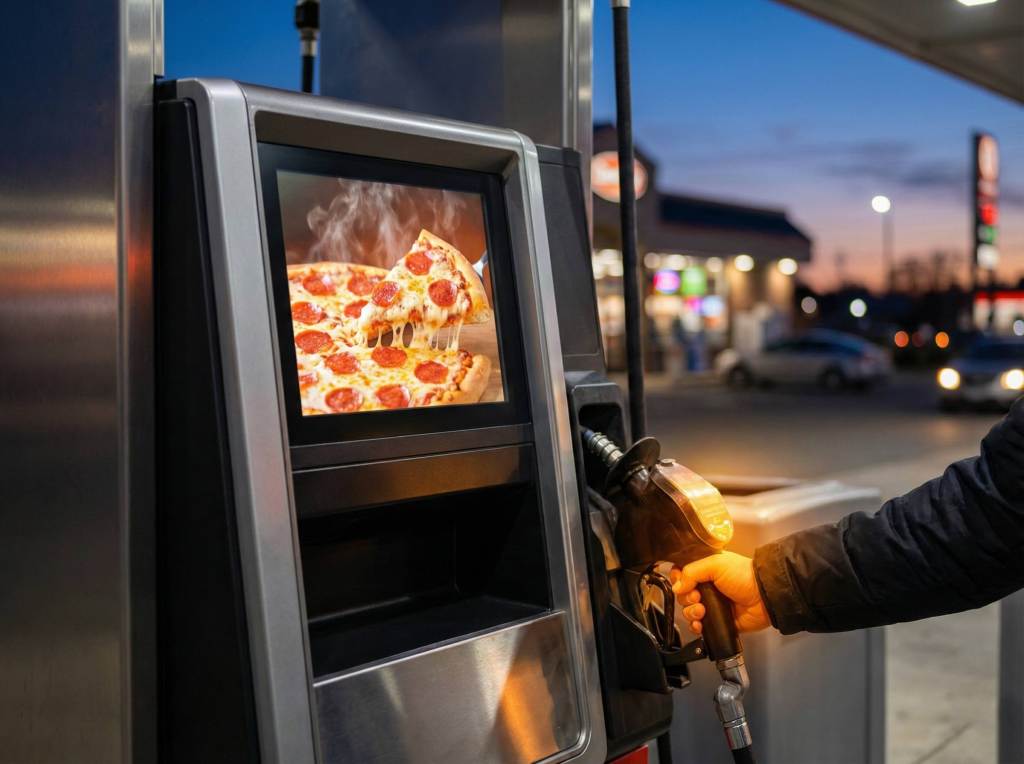
Casey’s partnered with GSTV (Gas Station TV) to roll out video screens to over 2,900 locations. Their goal is to use their media network to show high-definition video of fresh pizza right at the pump. By using their first-party data to target loyalty members at the pump, they are effectively turning the gas dispenser into a remote ordering kiosk.
They are using visual media to disrupt the mundane task of pumping gas. It’s brilliant for sales, but it turns a necessary chore into a targeted media experience.
What You Should Be Doing Regarding The Forecourt
- Upgrade Pump Graphics: If you cannot afford digital screens at the pump, use high-quality magnetic signage or “pump toppers.” The goal is the same: Visual disruption. Show them the food you have inside.
- The “Call to Action” (CTA): Your pump media must have a specific CTA. “Come inside” is weak. “Get a large slice for $2 right now” is strong. Give them a specific reason to let go of the nozzle and walk toward the door.
- Cleanliness as Media: A dirty pump screen or a faded pump topper tells the customer your food is dirty, too. Treat your pump signage with the same respect you treat your menu boards.
Circle K’s LIFT: Winning the Last Three Feet
Finally, we have Circle K. They are focusing on the “last three feet” of the sale with their LIFT network. They have installed over 13,000 screens directly at the checkout counter.
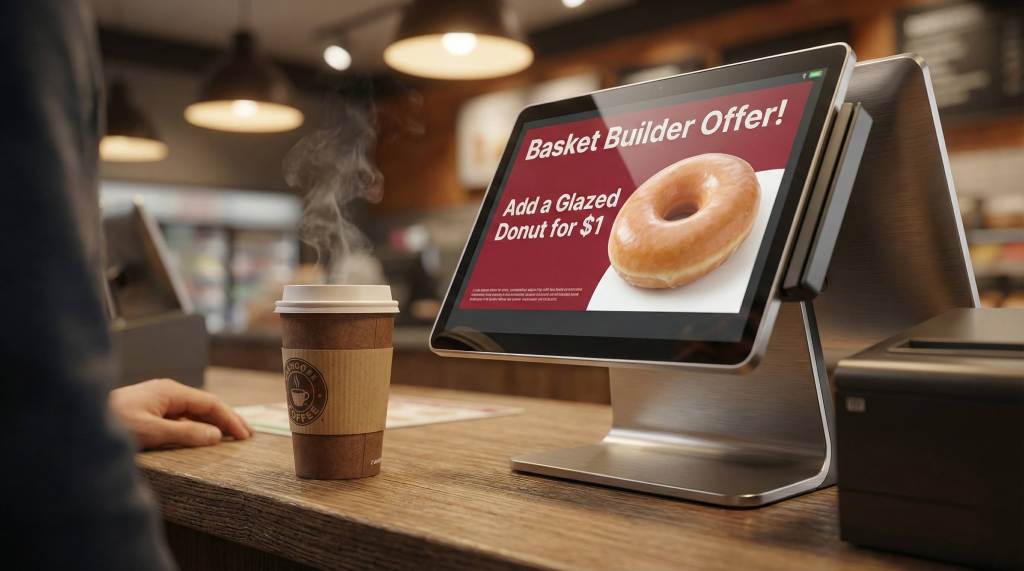
This system uses “basket analysis” in real-time. If a customer puts a coffee on the counter, the screen immediately triggers a “basket builder” offer, like “Add a donut for $1.” It’s the digital, data-driven equivalent of the cashier asking, “Do you want fries with that?”
When combined with their “Inner Circle” loyalty program, they can identify the shopper and serve highly personalized upsells instantly. This maximizes the ticket size when the customer’s wallet is already out, which is the path of least resistance.
What You Should Be Doing Regarding Point of Sale
- Train the “Human” Algorithm: You may not have LIFT screens, but you have cashiers. Train them on “pairing.” If a customer buys a sandwich, the script is “Do you want a drink with that?” If they buy a coffee, it’s “Have you tried the muffin?”
- Counter Placement: Use your physical counter space as a media network. Place high-margin impulse items (shots, gum, promos) exactly where the customer looks while waiting for the card reader to process.
- Simulate the Upsell: Use a customer-facing screen (if your POS has one) to display current promos rather than just the transaction total.
The Double-Edged Sword: Context vs. Identity
This infrastructure creates a new revenue stream where CPG brands (like Pepsi or Frito-Lay) pay you to advertise in your store. It turns low-margin real estate into high-margin media space.
But here is the risk: It relies entirely on surveillance.
To make these networks work perfectly, the giants track the customer from the pump to the aisle, to the register. And as we learned in the last post, customers are already suspicious. If we turn our stores into Times Square, flashing ads at them from every screen and speaker based on their personal data, we risk breaking the “convenience” part of our promise.
However, there is a middle ground. You don’t always need to know who the customer is to sell to them; you just need to know the context.
“It’s hot outside” is a context trigger. “It’s 7:00 AM on a Tuesday” is a context trigger. These are safer triggers for an ad than “John Smith is here.”
What You Should Be Doing Regarding Data Ethics
- Leverage “Clean Rooms”: If you are working with vendors or large brands, ask about “data clean rooms.” This technology allows you to share sales data with a brand (like Coke) to measure ad performance without sharing the personal identities of your customers. It protects privacy while proving ROI.
- Focus on Context First: Prioritize media strategies based on environment (weather, time, local events) rather than personal identity. A customer is less creeped out by an umbrella ad when it’s raining than they are by an ad that uses their name.
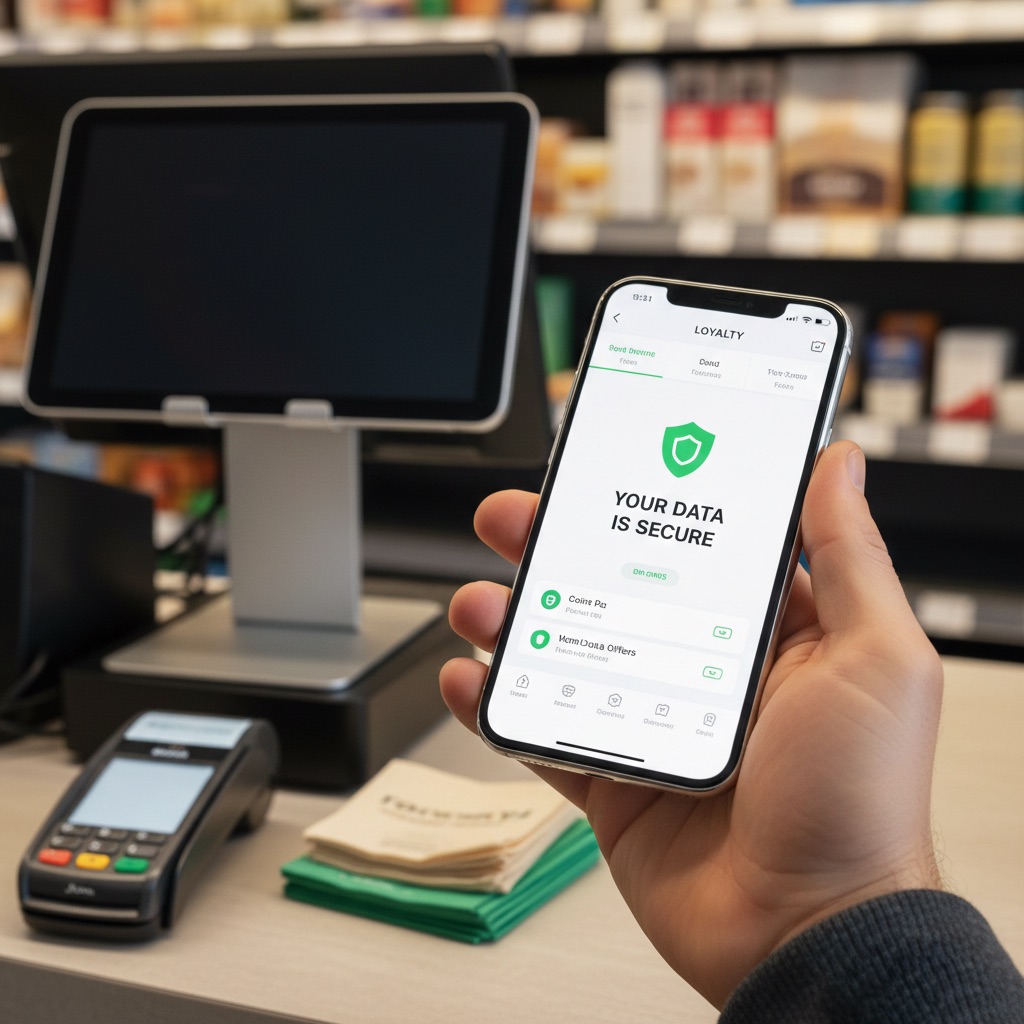
- Transparency: If you are tracking, be open about it. Use your loyalty program terms to explain value (“We track what you buy to give you coupons on things you actually like”), not just policy.
The Bottom Line: The Art of Subtle Surveillance
The rise of Retail Media Networks proves that our industry is hungry for data. We are building the capability to track and influence behavior like never before. The revenue potential is undeniable, and the technology is impressive.
But there is a fine line between being “helpful” and being “creepy.” A coupon for a coffee when I walk in the door at 6:00 AM feels helpful. A video screen greeting me by name at the urinal feels dystopian.
In the next post, we are going to explore that psychological boundary in depth. We’ll look at the “Uncanny Valley” retail, why a geofenced coupon feels cool, but facial recognition feels like a violation, and how to ensure your store stays on the right side of that line to keep your customers coming back.


 The5For
Leave a reply to Part 6: The Technology of Trust – The5For Cancel reply