How SB 446 and the EU AI Act Will End the Era of Dynamic Pricing
Welcome back to our series on the future of convenience store loyalty and technology. If you read Part 4, we took a deep dive into the psychology of the consumer. We discussed how trust is your most valuable currency and why the “uncanny valley” of hyper-surveillance makes customers feel uneasy rather than appreciated. We established that just because you can track everything a customer does, it doesn’t mean you should.
Now, however, we have to shift gears. We are moving from “soft skills” like psychology and trust to the “hard limits” of compliance and legality.
For the last decade, retail data collection has been the “Wild West.” Retailers, including many in our industry, have been vacuuming up data, building black-box algorithms, and deploying strategies with very little oversight. That era is officially ending. Governments are stepping in, and the regulatory landscape is shifting beneath our feet.
In 2026, we are facing a massive wave of regulations that attack the very heart of the algorithmic loyalty models many stores have built. Specifically, we need to talk about California’s SB 446 and the global ripple effects of the EU AI Act.
I know what some of you are thinking: “I operate in Texas,” or “I’m a single-store operator in Ohio, why do I care about Europe?” Here is the reality: These laws set the standard for the software vendors you rely on. When major POS and loyalty providers update their code to be legal in California or Europe, those changes roll out to everyone. The tools you use are about to change, and the “Wild West” of dynamic, surveillance-based pricing is closing for good.
In this post, we are going to break down exactly what “Surveillance Pricing” is, why Electronic Shelf Labels are under fire, and how to audit your business to ensure you aren’t walking into a legal minefield.
The End of Surveillance Pricing
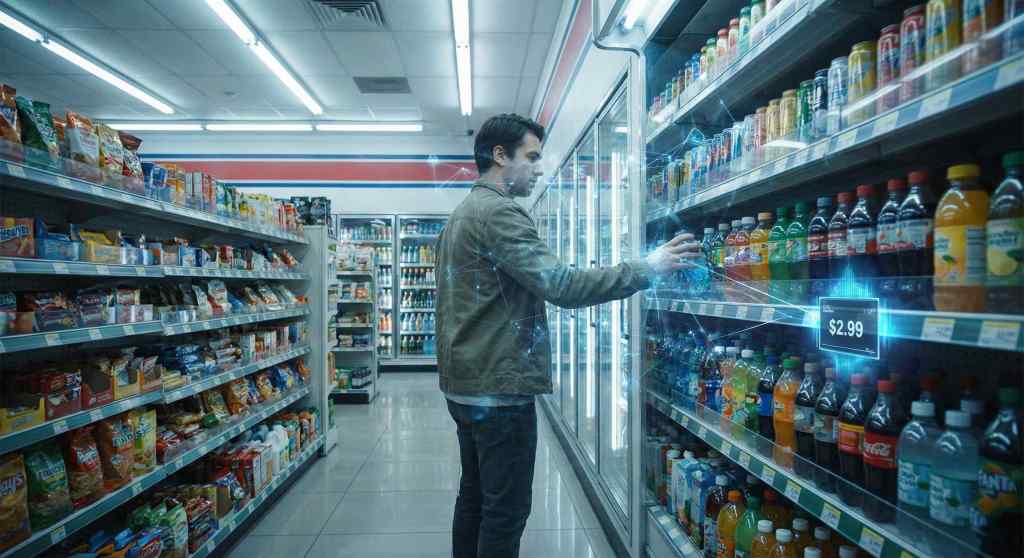
To understand the legislation, you first must understand the target. Regulators are taking aim at a practice known as Surveillance Pricing (often called personalized pricing).
Surveillance pricing is the practice of using harvested data to algorithmically guess the maximum amount a specific customer is willing to pay for an item at a specific moment and then charging them that exact amount.
Consider this scenario:
- Customer A walks into your store. Your AI loyalty app knows they make a high income; they are currently in a rush (based on GPS speed), and they buy this brand of water regardless of price. The digital shelf label or the app price shows $2.50.
- Customer B walks in five minutes later. The AI knows they are a bargain hunter and highly price-sensitive. The same bottle of water shows a price of $1.99.
To a consumer advocate, this is a nightmare. It creates an uneven playing field where the price of goods is determined by a dossier of personal information. This is exactly what California SB 446 aims to kill.
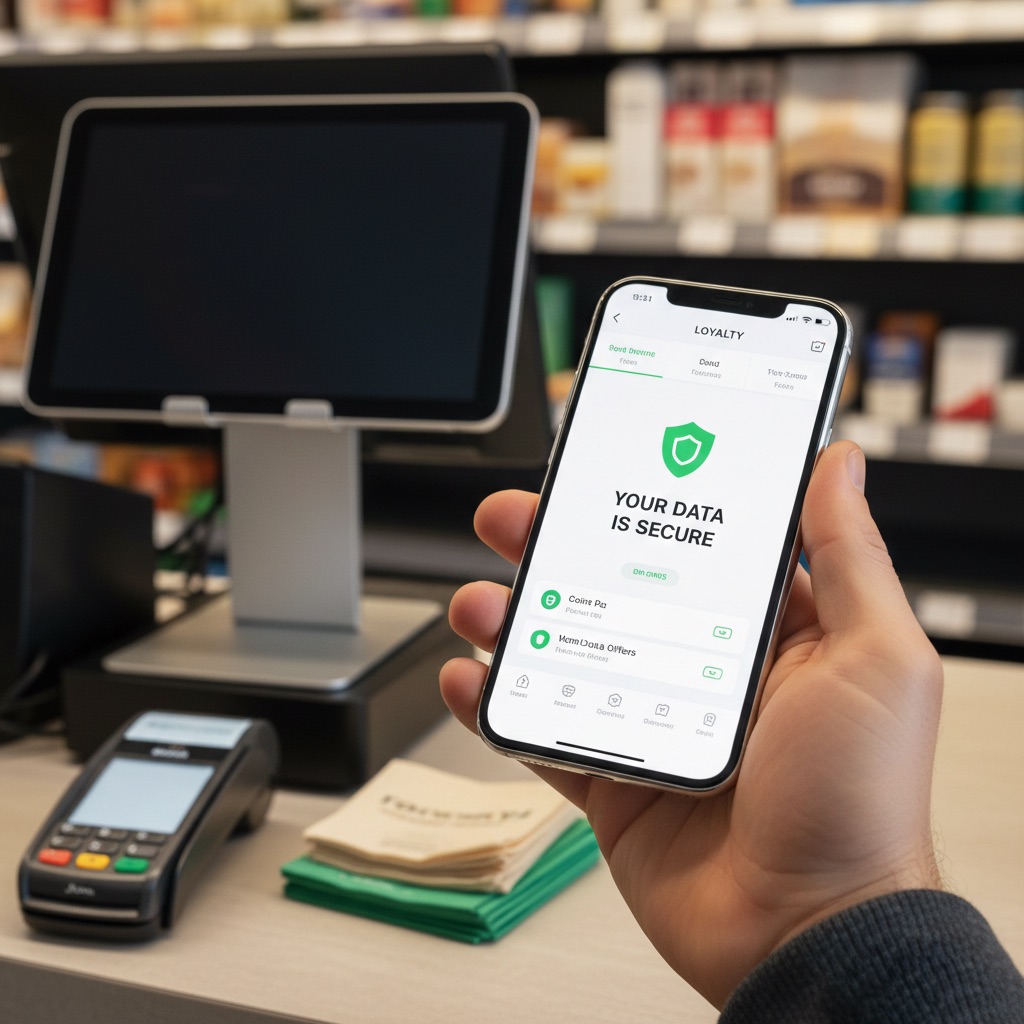
The bill prohibits setting a price based on personally identifiable information (PII) gathered through electronic surveillance. For c-store operators, the implications are massive. If your current loyalty program uses “black box” algorithms to offer personalized discounts that effectively change the shelf price based on a user’s hidden profile, you are exposed to significant legal risk.
What You Should Be Doing
- Review Your Pricing Logic: Immediately review how your loyalty app determines discounts. If the logic is “Customer X pays more because they can afford it,” stop immediately.
- Standardize Loyalty Rules: Shift to rule-based loyalty. Offers should be transparent and attainable by anyone who meets the criteria (e.g., “Buy 5 coffees, get the 6th free”). Avoid opaque algorithmic discounting.
Electronic Shelf Labels (ESLs) Under Fire
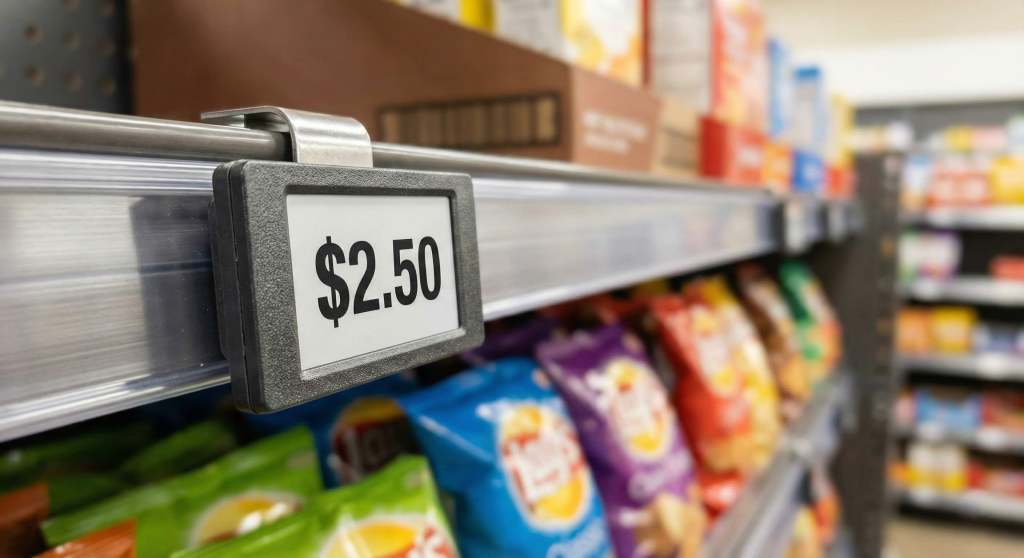
We all love Electronic Shelf Labels (ESLs). In our industry, labor is one of our biggest costs. The ability to update prices across the entire store with a click, rather than paying a clerk to spend four hours swapping paper tags, is a game-changer. Major retailers like Walmart are rolling these out to thousands of stores for exactly this reason, efficiency.
However, lawmakers view ESLs with suspicion. They fear that this technology will be used for “Surge Pricing.”
The fear is that retailers will use ESLs to raise the price of cold beer on a hot Friday afternoon or jack up the price of batteries and flashlights when a storm warning is issued. While this might maximize margin in the short term, it destroys trust and invites regulation.
Interestingly, research from UC San Diego analyzed 180 million data points and found virtually no evidence that retailers are currently using ESLs for surge pricing. We are mostly using them for operational efficiency. But in the eyes of the law, perception is reality. If customers feel the price is shifting under their feet, they will complain to regulators, and the crackdown will become more severe.
What You Should Be Doing
- Communicate Price Stability: If you have installed ESLs, you need to manage customer perception. Place signage near the shelves that states: “We use digital tags to save paper and labor.” We update prices overnight, never while you shop.”
- Audit Update Frequencies: Check your POS logs. Ensure that price updates are batched and scheduled for off-hours, rather than trickling in throughout the day, which can cause consumer confusion and mistrust.
The EU AI Act: A Global Standard for Your Tech Stack
You might be wondering why a law passed in Brussels matters to a convenience store in the United States. The answer lies in the global nature of retail technology.
The EU AI Act, which becomes fully enforceable in mid-2026, categorizes any AI system that profiles individuals as “high-risk.” This legislation is aggressive. If you use an AI system to determine who gets a loyalty reward or a discount, that system must:
- Maintain Transparency Logs: Every decision the AI makes must be recorded.
- Ensure Human Oversight: A human must be able to intervene.
- Prove Non-Discrimination: You must be able to prove the system isn’t biased against protected groups.
Here is the connection: Global chains like Circle K (Alimentation Couche-Tard) operate in both Europe and the US. They are not going to build two separate technology stacks. They are adopting the stricter European standards globally to simplify their operations.
Consequently, the major software vendors (the companies selling you your POS, back-office, and loyalty software) are updating their platforms to be EU-compliant. Whether you like it or not, your store is likely going to be held to these transparency standards because the software you use will be built that way.
What You Should Be Doing
- Audit Your Vendors: Reach out to your loyalty and dynamic pricing software representatives. Ask them specifically: “Is this system compliant with the EU AI Act’s transparency requirements?”
- Ask About “Black Boxes”: Ask your vendor: “Does this system use individual customer data to set prices in a way we cannot see?” If the answer is yes, consult your legal counsel immediately regarding SB 446 and future compliance.
The Death of the “Black Box” and the Rise of the “Glass Box”
Both SB 446 and the EU AI Act share a common theme: Transparency.
The era of the “Black Box” algorithm, where you feed data in and get a result out without knowing why, is over. You can no longer tell a customer (or a regulator), “The computer denied your coupon because… math.”
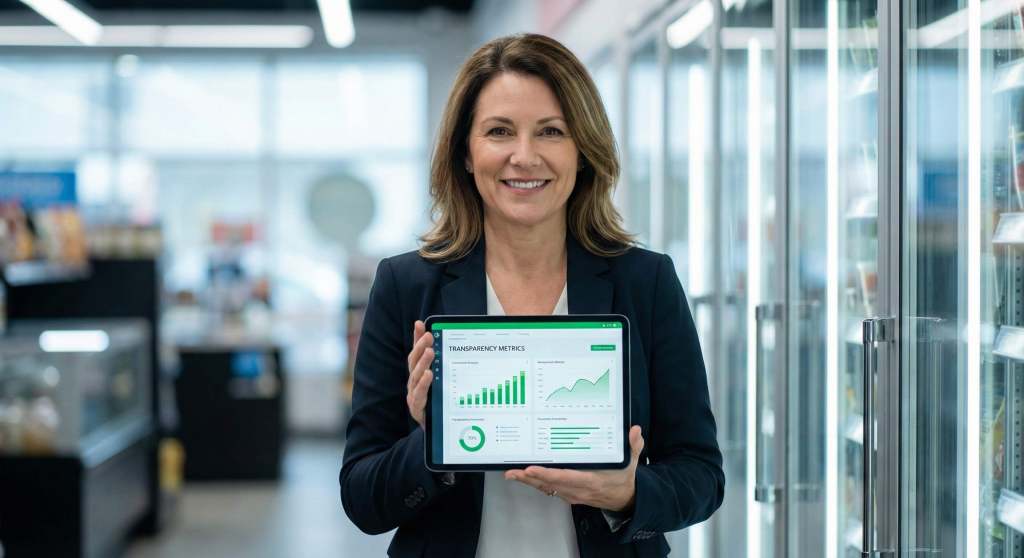
You are legally being pushed toward “Glass Box” AI.
In a Glass Box model, the internal workings are visible. If a consumer is denied a discount, or if they are shown a higher price than their neighbor, you must be able to explain the specific variable that caused it. Was it because they bought fewer items? Was it because they aren’t a loyalty member? If you cannot explain the “why,” you cannot use the “price.”
This shift forces us to be honest. It forces us to open up the machinery and show the customer how the loyalty program works. And honestly? That is a good thing for the industry. It removes the creepy “surveillance” vibe and replaces it with a fair value exchange.
What You Should Be Doing
- Document Your Logic: Create a simple internal document that explains your pricing and discount strategy in plain English. If you can’t write it down simply, your algorithm is likely too complex and potentially non-compliant.
- Prepare for Inquiries: Train your managers on how to answer customer questions about pricing. They should be able to say, “Our prices are set based on market costs and are the same for everyone,” rather than, “I don’t know; the system does it.”
The Bottom Line: Future-Proofing Means Opening the Box
The law is effectively forcing us to do what we should have been doing all along: treating our customers with transparency and respect.
The “Wild West” of data collection was profitable for a while, but it was built on a foundation of secrecy that is no longer sustainable. SB 446 and the EU AI Act are closing the loopholes. The “Black Box” is illegal, and “Surveillance Pricing” is a liability.
However, compliance doesn’t mean you have to stop using technology. In fact, the technology that is emerging to replace these old systems is even more powerful because it is built on consent, not surveillance.
In the next post, Part 6, I’m going to show you the specific technology that solves this problem. We will look at “Glass Box” strategies, Transparency Dashboards, and the immense power of Zero-Party Data, the data customers actually want you to have.
Next Step: Take an hour this week to look at your electronic shelf labels or your app’s terms of service. If you see any language about “dynamic” or “personalized” pricing, flag it for review. It’s time to clean house before the law does it for you.





 The5For
Leave a reply to Part 6: The Technology of Trust – The5For Cancel reply