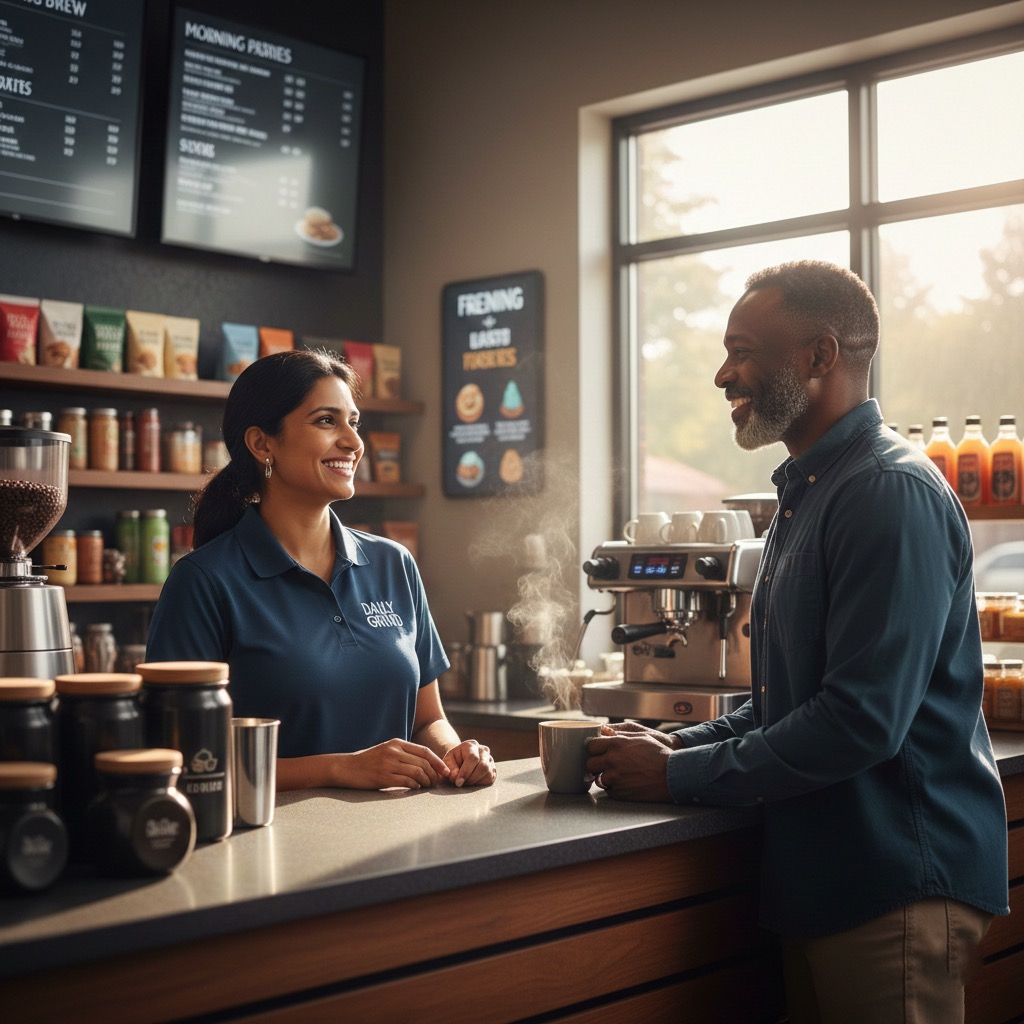
Why Your Relationship With the Customer is Your Most Valuable Asset
As a convenience store owner, your day can be pretty hectic. It’s a race against the clock. You’re managing inventory, worrying about fuel margins, and trying to keep your store spotless, all while ensuring that the “convenience” in your name stays true by getting customers in and out as fast as possible. For years, our industry has been taught that speed and price are the only levers we have to pull. We’ve been told that coffee is just a commodity, and that loyalty is something you buy with a plastic card and a ten-cent-off-per-gallon coupon.
But I’m here to tell you that the game has changed. In 2026, the brands that are winning, the ones seeing double-digit growth while others stall, aren’t just selling snacks and fuel; they are building communities and emotional bank accounts.
In this new series, I want to show you why trust is the most important aspect of your loyalty program. We’re going to explore how honoring a simple customer request isn’t just a service task; it’s a vital “deposit” into a relationship basket that builds customer dignity. Most importantly, I’m going to show you why the time you invest in building that relationship is worth thousands of dollars more than the marginal cost of a cup of coffee or roller grill item.
Over the next seven posts, we will walk through a complete blueprint for relational retail:
- Post 1: Beyond the Transaction (You are here!)
- Post 2: The Psychology of Trust: Why it’s the primary driver of loyalty.
- Post 3: The Emotional Bank Account: Applying relationship science to the checkout counter.
- Post 4: Honoring the “Bid”: How fulfilling requests secures long-term profit.
- Post 5: Marketplace Dignity: Treating customers as humans, not transactions.
- Post 6: The Economics of Connection: Calculating the true ROI of a loyal fan.
- Post 7: The Master Plan: Summarizing your path to becoming an unforgettable brand.
By the end of this journey, you won’t just see your store as a place people stop; you’ll see it as a place where they belong.
The Shift from Commodity to Community
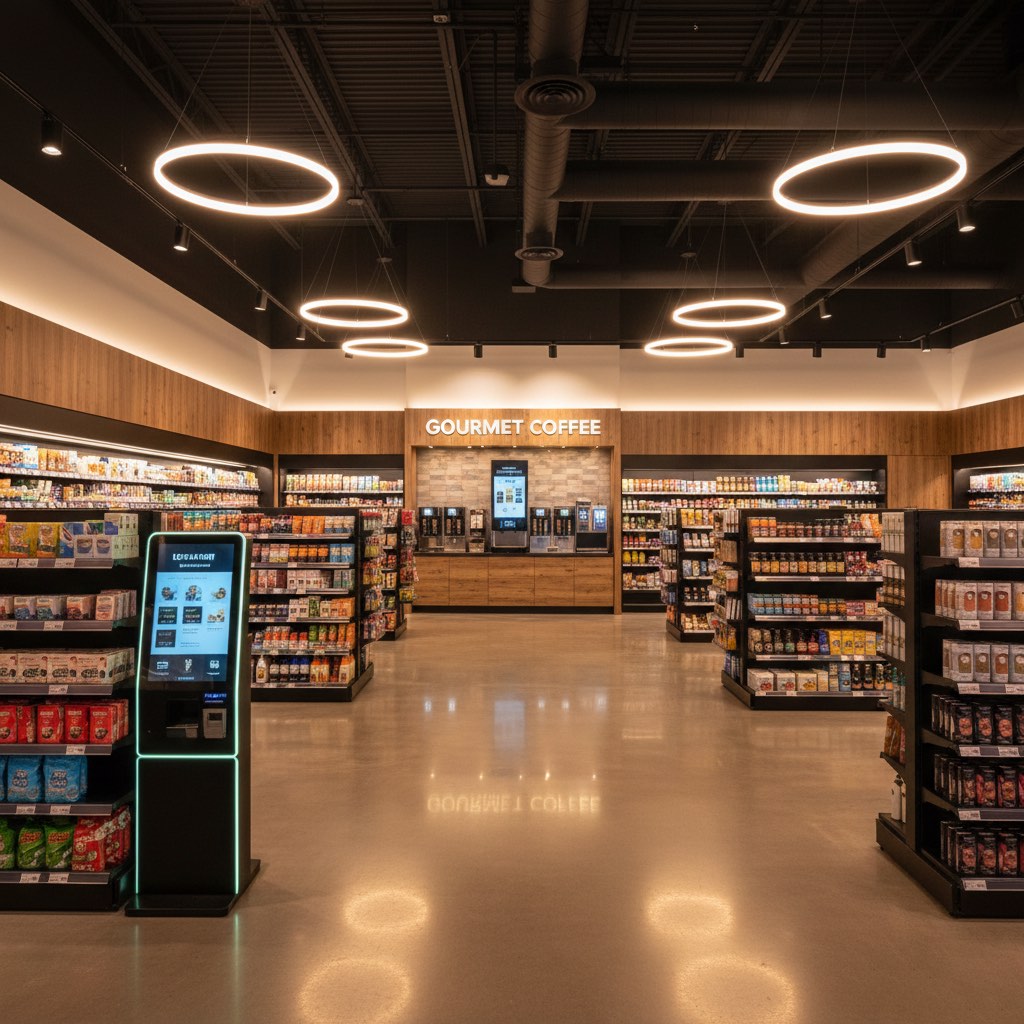
We’ve all heard the traditional economic argument: coffee is coffee, so you must compete on cost. But look at the masters of the craft. When a brand like Starbucks sells a cup of coffee, they aren’t just selling caffeine; they are selling an experience, a ritual, and a sense of belonging. They’ve proven that when you move away from competing on the product alone, price sensitivity vanishes. Their average customer isn’t a $5 transaction; they are a $14,099 lifetime asset.
In our industry, we have a unique advantage. Our customers visit us three or more times per week. That high frequency gives us more opportunities to build trust than almost any other retail sector. However, if we treat those visits as mere transactions, we are “turning away” from our customers’ bids for connection.
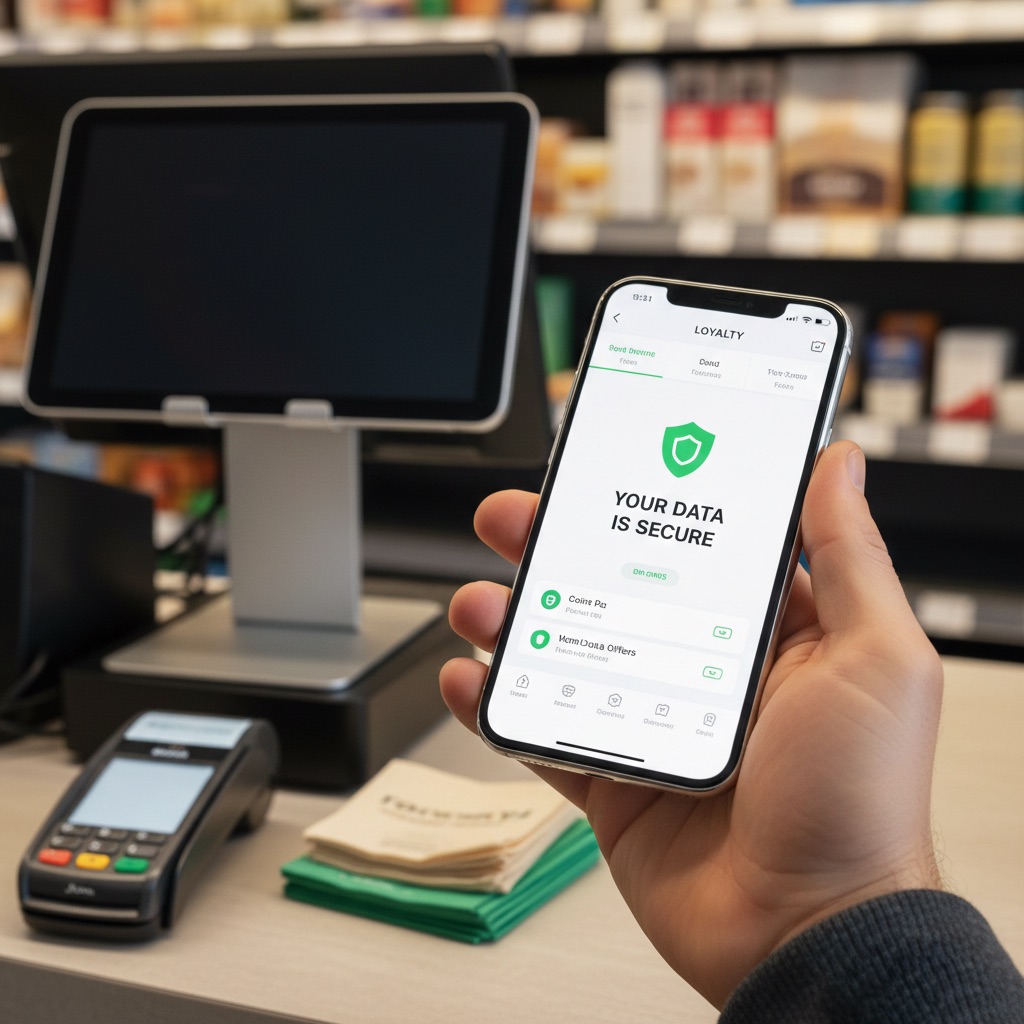
Trust is the foundation here. Research shows that trust accounts for nearly 28.5% of the variance in why a customer stays loyal to a brand, far more than any discount or promotion. It is the bridge between a customer “thinking” your store is okay and “feeling” a psychological commitment to never shop anywhere else. When trust is broken, whether through a technical glitch in your app or a dismissive employee, it isn’t just a one-time loss. Over 33% of consumers will walk away forever if they feel that trust, especially regarding their personal data or dignity, has been compromised.
The Relationship Basket and Customer Dignity
I want you to imagine every customer who walks through your door is carrying a “relationship basket.” Every time you or your staff goes the extra mile, whether it’s rounding down a transaction to avoid the hassle of pennies or simply remembering a regular’s name, you are putting a deposit into that basket.
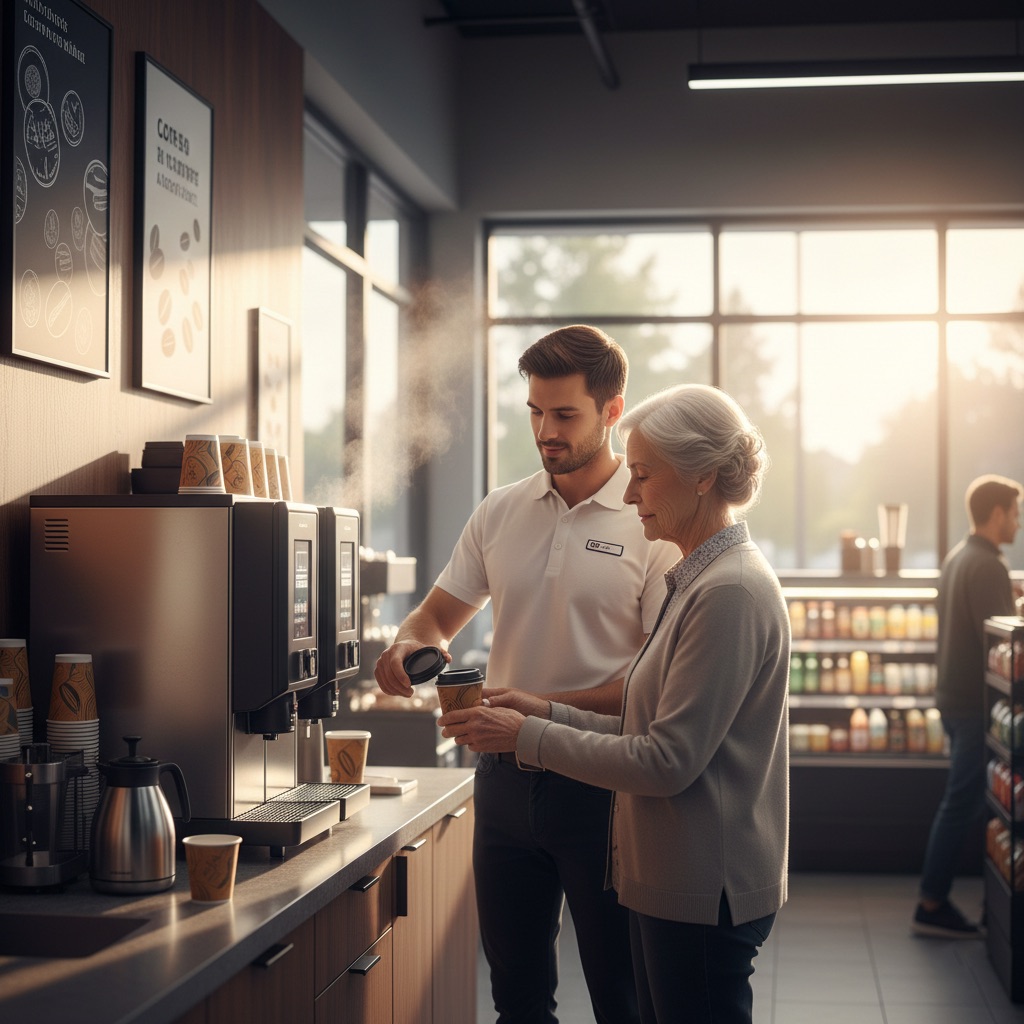
This isn’t just “being nice.” It’s about Marketplace Dignity. Dignity is the state of being valued and respected for who you are, regardless of what you buy. When we honor a customer’s request, even a small one like brewing a fresh pot of coffee ten minutes before closing, we are affirming their agency and equality. We are telling them, “I see you, and you matter.”
The cost of not doing this is what I call the “Cost of Friction.” Friction isn’t just a slow checkout; it’s a withdrawal from the relationship. When a customer feels dehumanized, treated like a “unit of revenue” rather than a person, they experience a symbolic loss of dignity. And in a world where everyone has a megaphone on social media, those withdrawals can lead to relational bankruptcy faster than you can imagine.
What You Should Be Doing
To start this journey toward relational excellence, here are the immediate steps you should take:
- Audit Your “Bids”: Spend an hour behind the counter observing. How many times does a customer try to connect, a joke, a comment about the weather, or a specific request? Are your employees “turning toward” these bids or ignoring them?
- Shift the Metric: Stop looking only at “transactions per hour” and start looking at “engagement.” A transaction is a sale; engagement is a deposit.
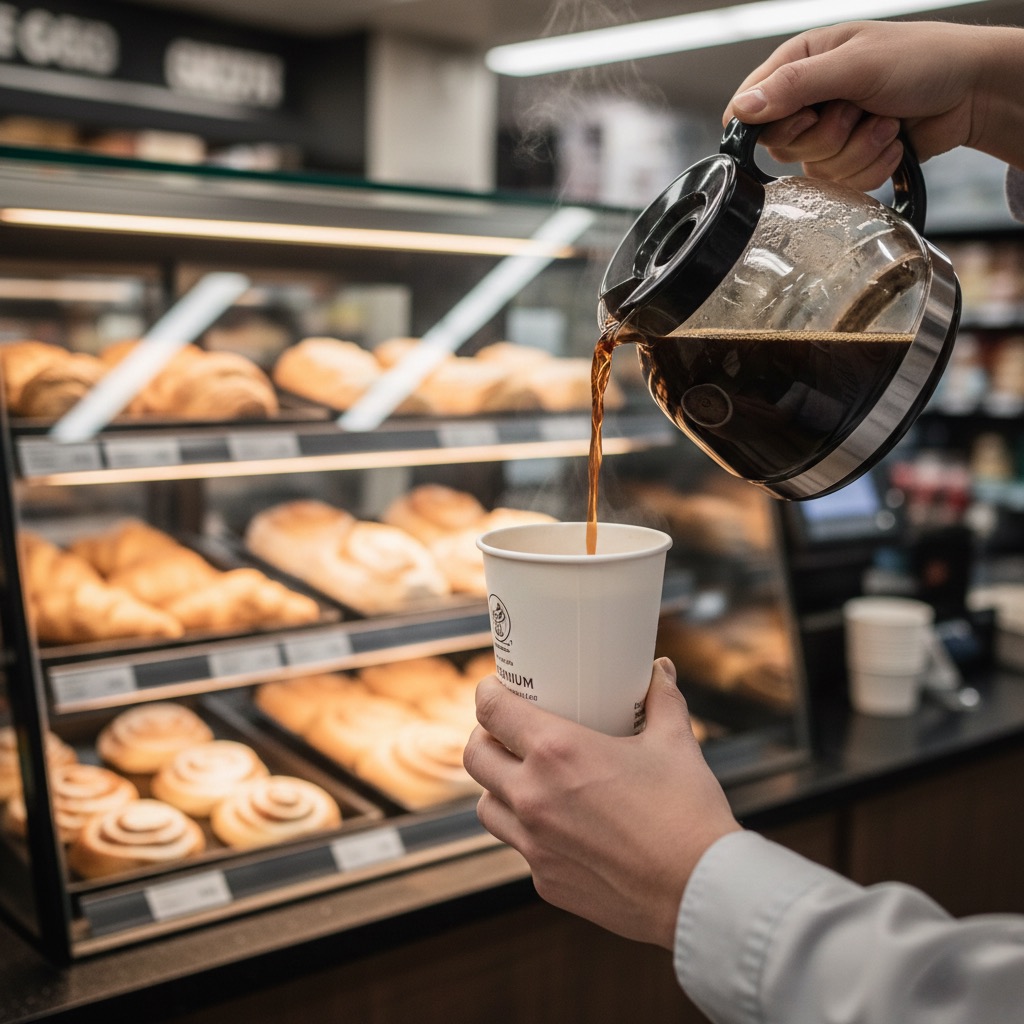
- Empower Your Front Line: Give your employees the “power of the pot.” If a customer wants fresh coffee, don’t make the employee ask for permission to brew it. Empowerment is the key to maintaining dignity at the point of sale.
- Review Your Friction Points: Identify where your customers struggle. Is it a confusing loyalty sign-up? A locked display case that makes them feel like a suspect? Every “bump” in their journey is a withdrawal you can’t afford.
The Bottom Line: The Long Game of Loyalty
I understand that in the heat of a busy morning rush, worrying about “emotional bank accounts” might feel like a luxury you don’t have. But the data tells a different story. It costs five to seven times more to acquire a new customer than to keep an existing one. When you invest in the relationship, you aren’t just being a “good neighbor,” you are protecting an asset that will pay dividends for decades.
Take a look at Kwik Trip. They’ve reached “cult-like” status in the Midwest not because they have the cheapest gas, but because they’ve mastered the art of the “small deposit.” Whether it’s their trademark “See ya next time” farewell or their genuine community involvement, they have built a buffer of goodwill that makes them nearly immune to competition. They understand loyalty isn’t bought at the register; it’s built through a thousand moments of connection.
In this series, we’re going to move past the surface-level “buy ten, get one free” tactics. We’re going to dig into the brain science of why people stay, the relationship habits that prevent churn, and the economic formulas that prove your “nicest” employees are actually your most profitable ones. We are building a “Sound Relationship House” for your business, and it starts with the most important brick of all.
I’m excited to have you on this journey. In our next post, we’re going to dive deep into The Psychology of Trust. We’ll explore why trust is the “Eigenvalue” of your business, the one factor that makes all other marketing efforts work, and how you can start building it from the very first second a customer pulls onto your lot.
I’ll see you in Part 2.

 The5For
Leave a comment