How Small Customer Requests Drive Huge Profits
In our previous post, we explored the concept of the Emotional Bank Account and the magic 5:1 ratio. We learned that small, daily deposits are the “insurance” that keeps your customers loyal even when things go wrong. If you missed it, we talked about how a healthy balance allows you to weather the occasional service hiccup without losing a lifelong fan. But where do these deposits actually come from? How do you know when a customer is giving you an opportunity to build that balance?
The answer lies in what Dr. John Gottman calls a “Bid for Connection.” In the world of relationship science, a bid is any attempt, verbal or non-verbal, to get attention, affirmation, or service. In our world of convenience retail, a bid is every single moment a customer reaches out to you. It might be a direct request for a specific product, or it might be a subtle, off-hand comment about the weather while they wait for their receipt.
As an operator, your success depends on your ability (and your staff’s ability) to spot these bids and “turn toward” them. Today, we’re going to look at the psychology of the bid, why ignoring them is a silent “relationship killer,” and how you can empower your team to turn every request into a long-term profit. When you understand that every interaction is an invitation, your store stops being a transaction hub and starts being a community destination.
Turning Toward, Away, or Against

When a customer makes a bid, you and your team have three choices. These choices dictate whether you are building equity or burning it.
- Turn Toward: You acknowledge the bid and respond with empathy, eye contact, or action. This is a Deposit.
- Turn Away: You ignore or miss the bid entirely. This often happens when staff are “task-oriented” (stocking shelves) rather than “people-oriented.” This is a Withdrawal.
- Turn Against: You respond with irritability, defensiveness, or contempt. This is a Heavy Withdrawal that often leads to immediate churn.
Think of a customer who says, “Wow, it’s really busy in here today!”
- Turning toward: “It sure is! We’re working hard to get everyone through quickly. How’s your morning going so far?”
- Turning away: The cashier continues scanning items without looking up or acknowledging that the customer spoke.
- Turning against: “Yeah, well, everyone decided to come in at once, didn’t they? I’m doing the best I can.”
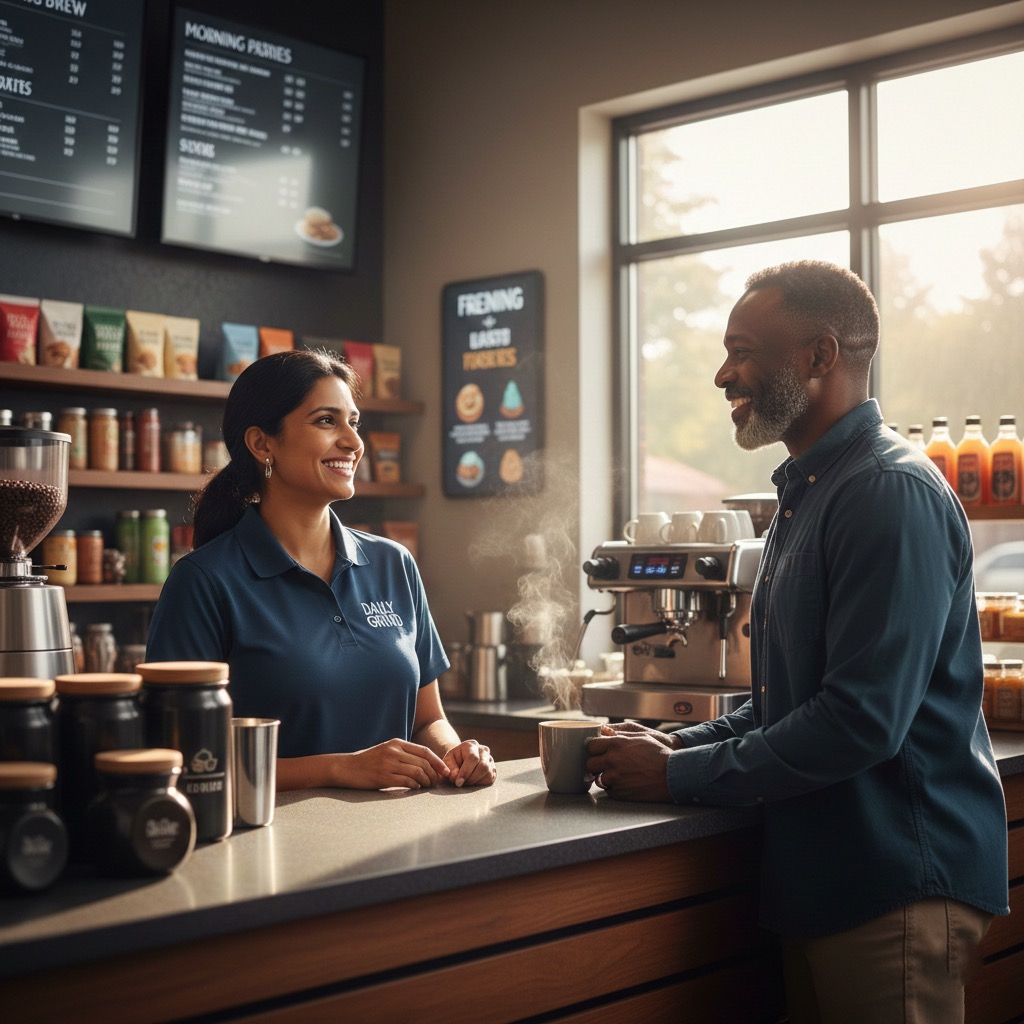
Research shows that “Masters” of relationships turn toward bids over 85% of the time, while “Disasters” do so only 33% of the time. In retail, the “Disasters” are the stores where customers feel like an inconvenience or a number. The “Masters” are the stores where a simple request for a fresh pot of coffee is met with a smile and a “My pleasure!”
The Power of Honoring the Request

Honoring customer requests is the ultimate “Turning Toward” behavior. When a customer asks for something out of the ordinary, like a specific item you don’t normally stock or a small modification to a food order, they are making a high stakes bid. They are testing to see if you actually care about their specific needs.
If you honor that request, you aren’t just providing a product; you are providing Agency. You are telling the customer that their voice matters and that they have some level of control over their experience in your store. This is exactly why Kwik Trip’s famous move to round down cash transactions to the nearest five cents was so powerful. They didn’t have to do it, but by doing so, they honored the customer’s unspoken bid for a hassle-free, fair, and “even” experience.
When we fail to honor these bids, we aren’t just missing a single sale; we are creating a sense of “service dehumanization.” The customer feels like a “unit of revenue” or a “ticket in a queue” rather than a human being. As we’ve discussed, a dehumanized customer is a customer who is actively looking for the exit, and they usually find it at your competitor’s store down the street.
What You Should Be Doing

To master the art of the bid in your store and ensure your team is consistently making deposits, focus on these actionable strategies:
- Train for “Subtle Bids”: Most bids are subtle because people are naturally hesitant to be demanding. Teach your staff to look for non-verbal cues: a heavy sigh, a confused look at a shelf, or a lingering glance at a new equipment display. These are “invitations” to step in and help.
- Implement the “Culver’s Standard”: Train your team to respond to every request, no matter how small, with a heartfelt “It’s my pleasure.” This simple linguistic shift signals a total “turning toward” the customer’s bid and elevates the perceived value of the service.
- The Power of the “Pot”: Give your frontline staff the authority to fulfill requests immediately without a manager’s “okay.” If someone wants a fresh pot of coffee or wants to try a sample of a new snack, empower the employee to “make it happen.” Empowerment is the fastest way to honor a bid.
- Proactive Problem Solving: Don’t wait for the bid to happen. If you see a customer struggling with a heavy door, a fussy loyalty app, or a messy condiment station, “turn toward” them before they even have to ask. Proactive service is a massive, high-interest deposit into the Emotional Bank Account.
- Audit Your Transitions: Look at where customers “turn away” in your store. Is your cabinetry designed to encourage interaction, or does it create a wall between staff and customers? Ensure your store layout facilitates easy communication so bids can be heard and acknowledged.
The Bottom Line: The ROI of Responsibility
I know it can be frustrating when a customer asks for something “extra” during a slammed morning rush or a graveyard shift. But I want you to reframe those moments entirely. Every request is not a “task”, it is a golden opportunity to prove that you are a “Master” of relationships.
When you honor a bid, you are building a resilient bond that can withstand price increases or construction delays. Failed bids are the number one source of conflict and resentment in any relationship. In the world of convenience retail, those failed bids lead directly to one star reviews and customer churn. But when you consistently turn toward your customers, you create a culture of “Genuine Caring in Action.”
You are proving that your store isn’t just a place of “selfish convenience,” but a place of “mutual support.” This is how you build a “Sound Relationship House” for your business, one brick, and one bid, at a time. By honoring these bids, we are doing something even deeper: we are protecting the customer’s dignity and making them feel like more than just a transaction.
In our next post, Marketplace Dignity, we’ll explore the three levers you can pull to make sure every customer feels seen, heard, and respected as a human being. This is the secret sauce to creating a store that people don’t just use, but truly love.
I’ll see you in Part 5.



 The5For
Leave a comment