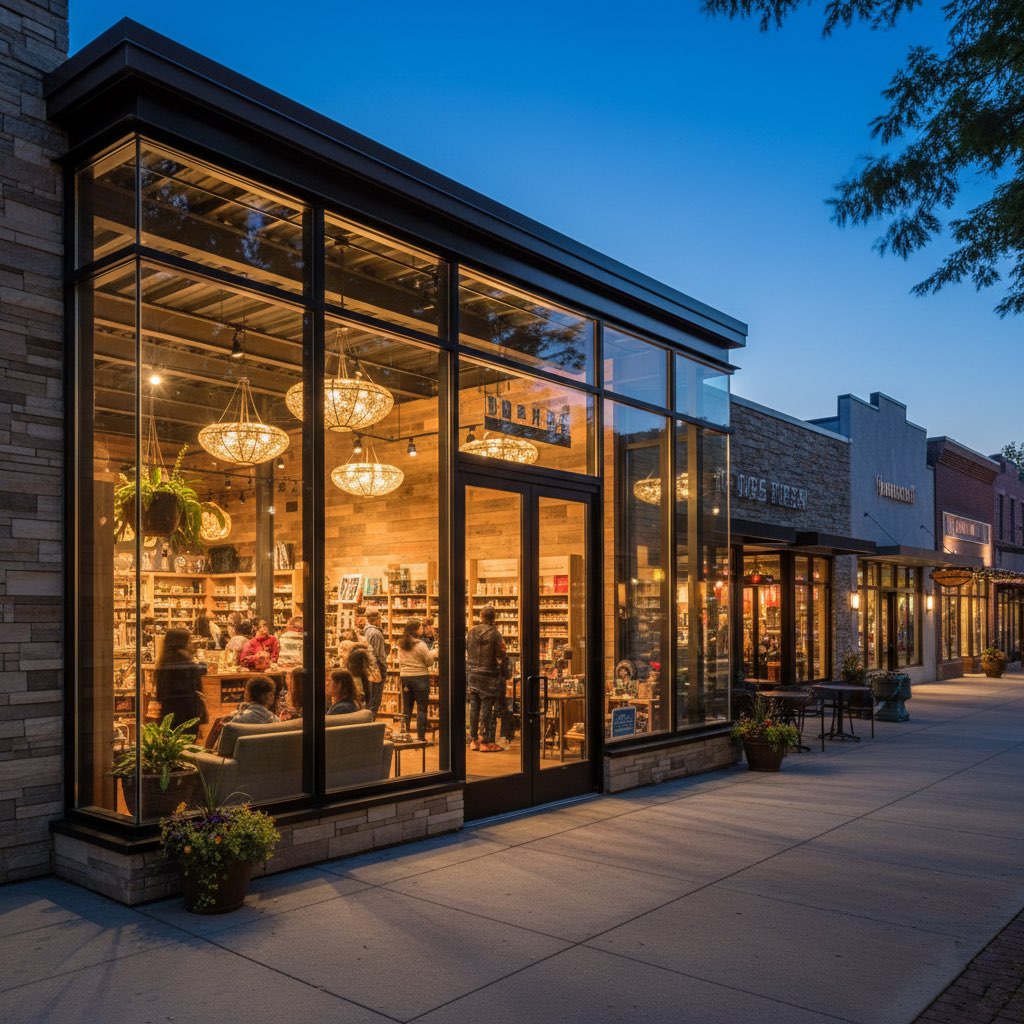
The Invisible Metric of Success
In our last deep dive, [Part 4: The Art of the Bid], we explored how “turning toward” a customer’s request builds a massive reserve of emotional capital. We learned that when you honor a simple request, you aren’t just providing a service; you are granting that customer agency. But there is a broader concept at play. It is more profound and separates the legendary, multi-generational brands from the forgettable, “commodity” stops: Marketplace Dignity.
Marketplace Dignity is the state of being valued and respected by a brand for who you are as a person, regardless of what you buy or how much you spend. In the high-stakes, high-speed world of convenience retail, dignity is often the first thing sacrificed at the altar of efficiency. We see it everywhere. There are “forced” self-service kiosks that feel like a chore. Intrusive security measures make honest neighbors feel like suspects. Impersonal service treats a human being like a walking credit card.
I spend my days helping operators design functional, beautiful spaces through cabinetry and layout. I’ve seen firsthand how a store’s physical and digital ‘bones’ can uplift a customer. They can also diminish them. If your store feels like a sterile cage, no amount of ‘suggestive selling’ will fix your bottom line.
In this post, I’m going to walk you through the three levers of dignity, Representation, Agency, and Equality, and show you how to use them to elevate your store from a mere utility to a respected community fixture. You’ll learn why dehumanization is a hidden tax on your business and how you can “design” respect into your daily operations to drive long-term loyalty.
The Three Levers of Dignity
Research consistently shows that when a customer feels their dignity has been compromised, they don’t just stop coming back; they become active detractors. To avoid this “dignity deficit,” you must consciously pull three specific levers throughout the customer journey.
1. Representation: The Power of Being Seen
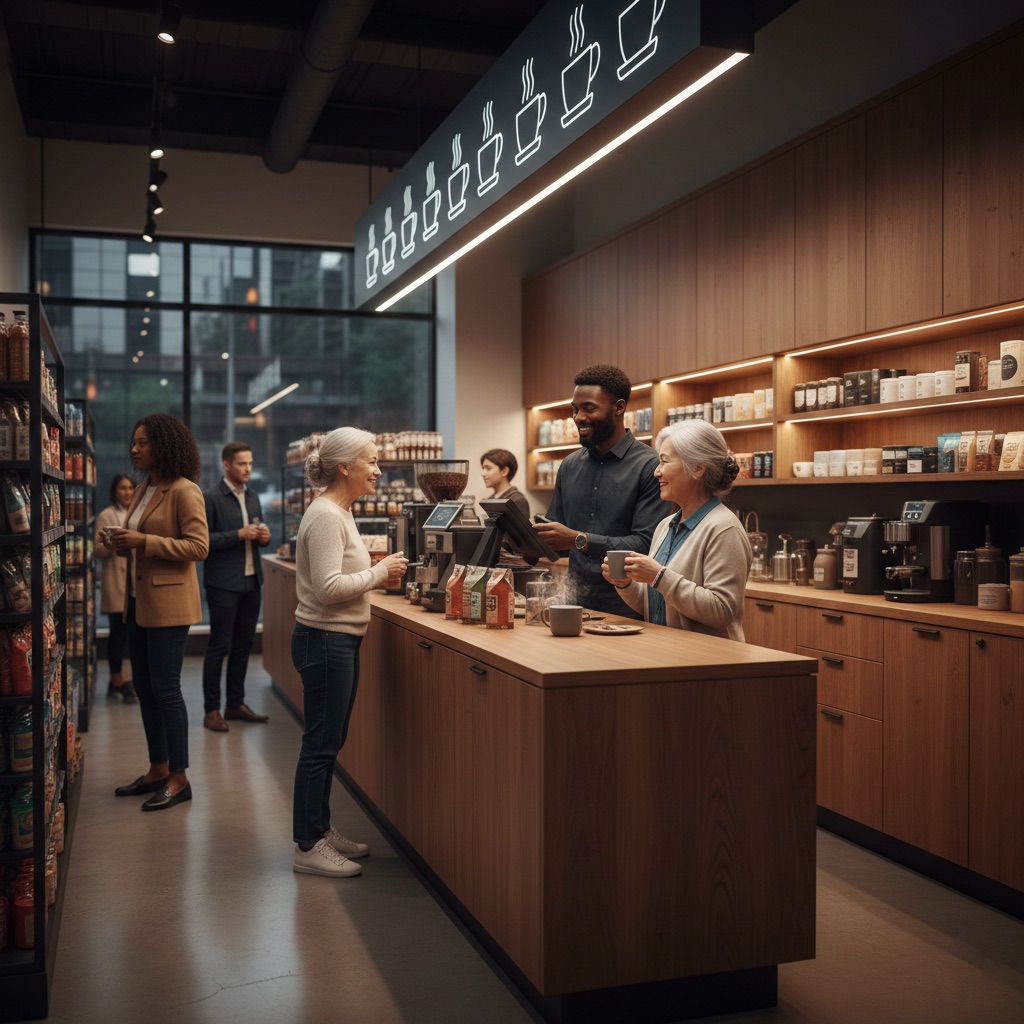
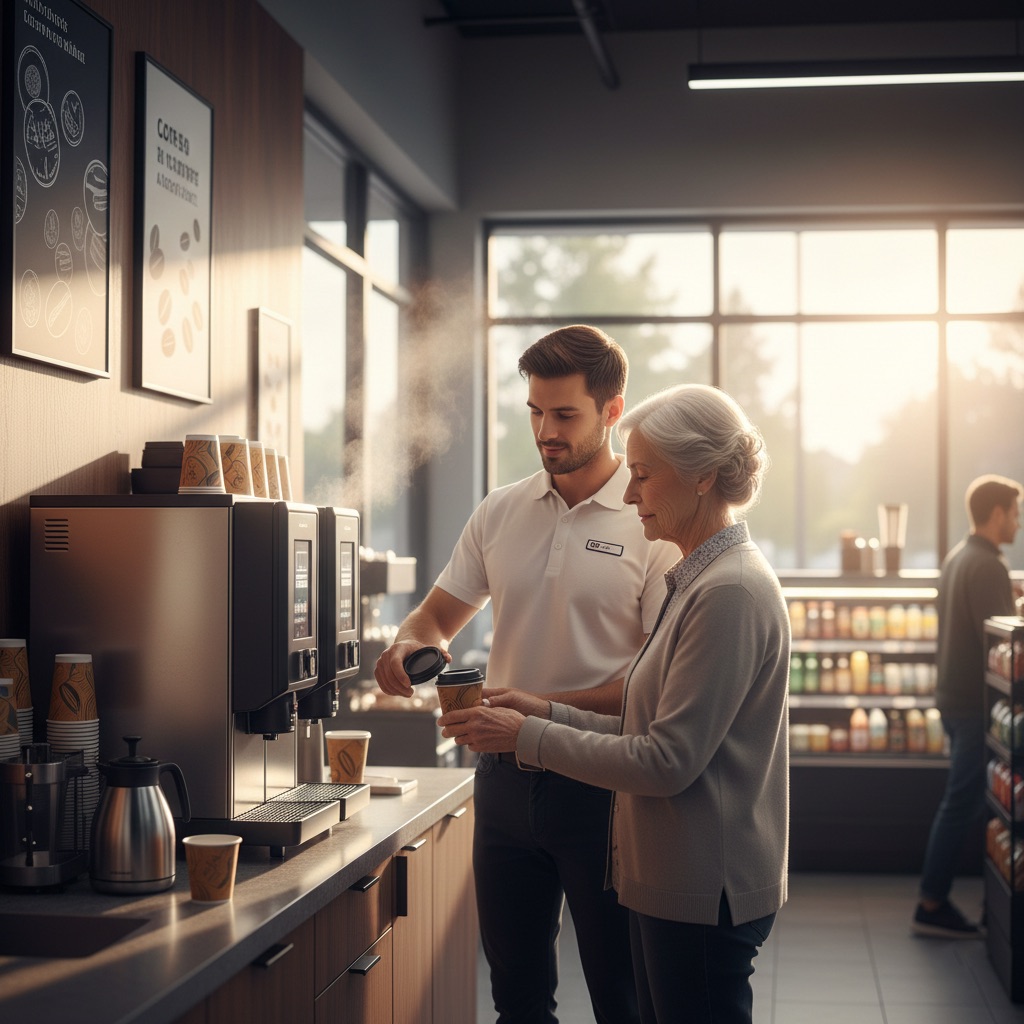
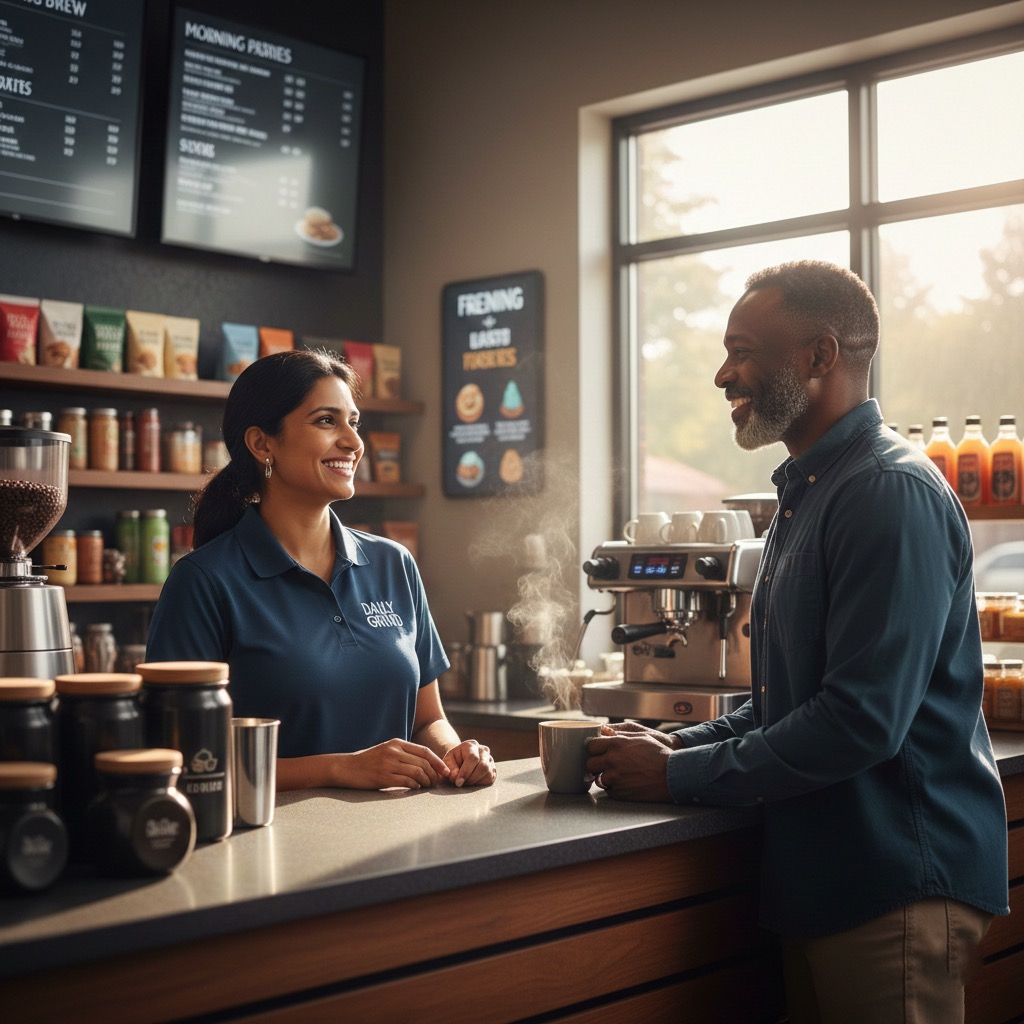
Representation means making the customer feel “seen and heard.” This isn’t just about marketing; it’s about the environment. When a regular walks in and you greet them by name, and pronounce it correctly, you are pulling the lever of representation.
From a design perspective, this also means your store should reflect the neighborhood. If your cabinetry and graphics feel like a corporate “copy-paste” from a different state, you aren’t representing your local community. When a brand like Kwik Trip greets you like a neighbor, they are signaling that you belong there.
2. Agency: The Freedom of Choice
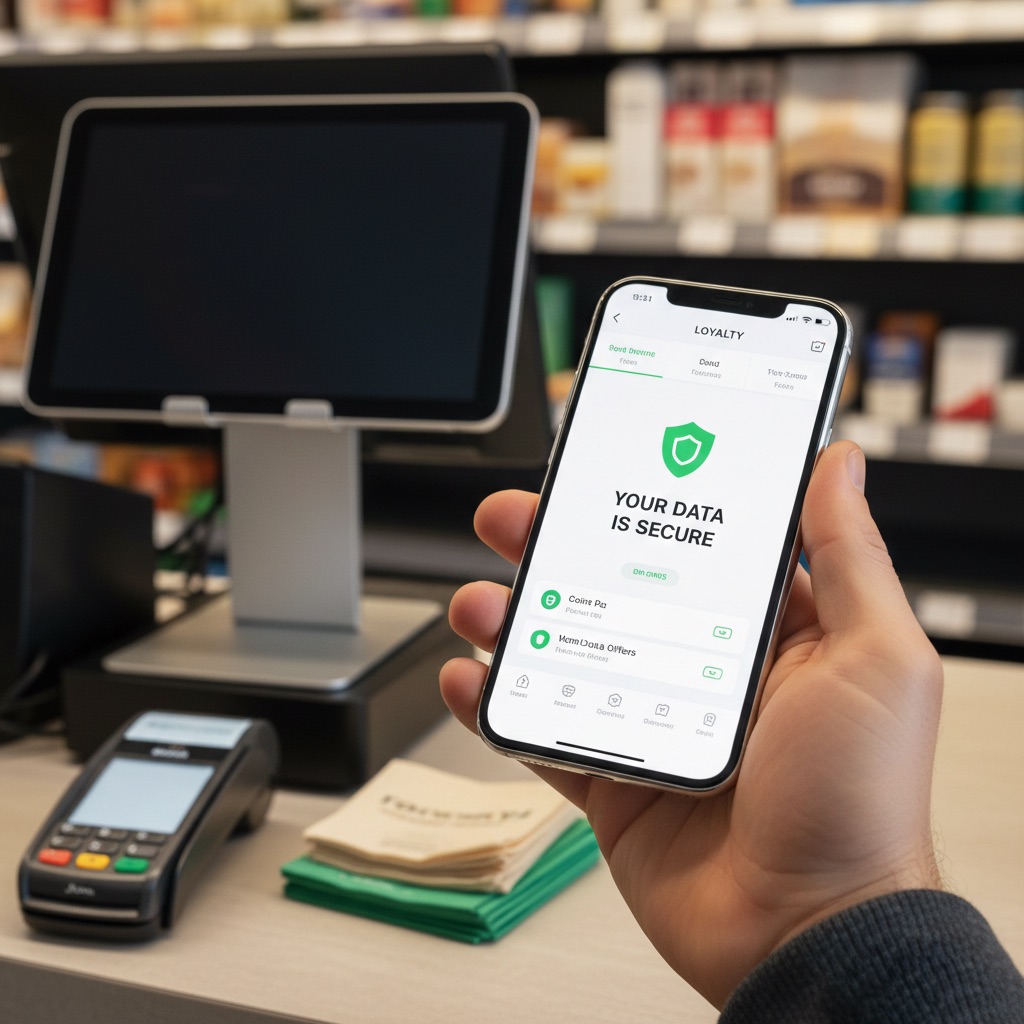
Agency is about control and consent. In a world of “forced” technology, customers crave meaningful choices. This means giving them control over their loyalty data or offering multiple ways to pay.
Whenever we implement new equipment or kiosks, we must ask: Are we helping the customer, or are we forcing them into a labor model that benefits only us? “Forced” use of technology without a human alternative is a direct hit to agency. True agency allows the customer to choose the level of interaction they want.
3. Equality: The Peer-to-Peer Standard
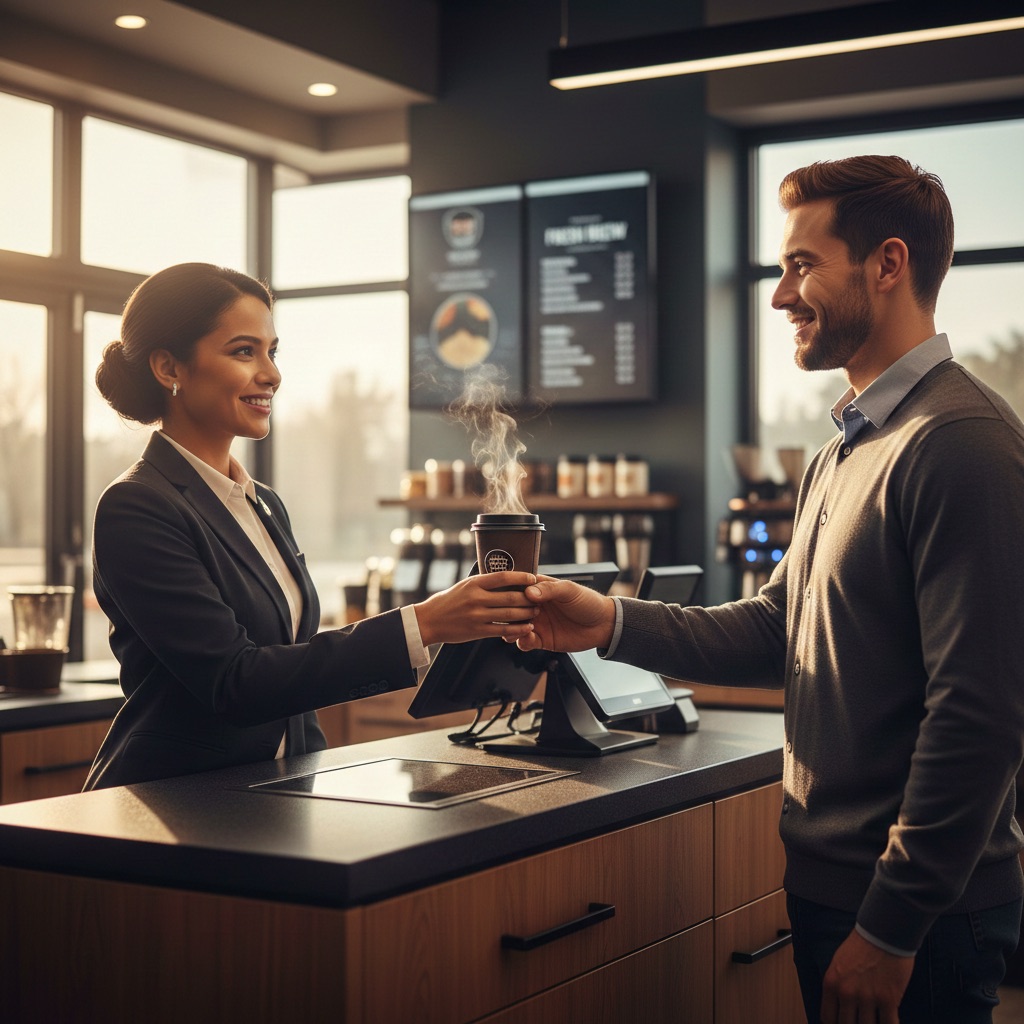
Equality is the expectation of even-handed treatment. Customers want to know that everyone, regardless of age, appearance, or background, receives the same high level of professionalism. In the B2B world, we call this “procedural justice.” If one person gets a “hello” and another gets a suspicious stare, the lever of equality has been broken, and the brand’s reputation will follow.
The Hidden Cost of Dehumanization
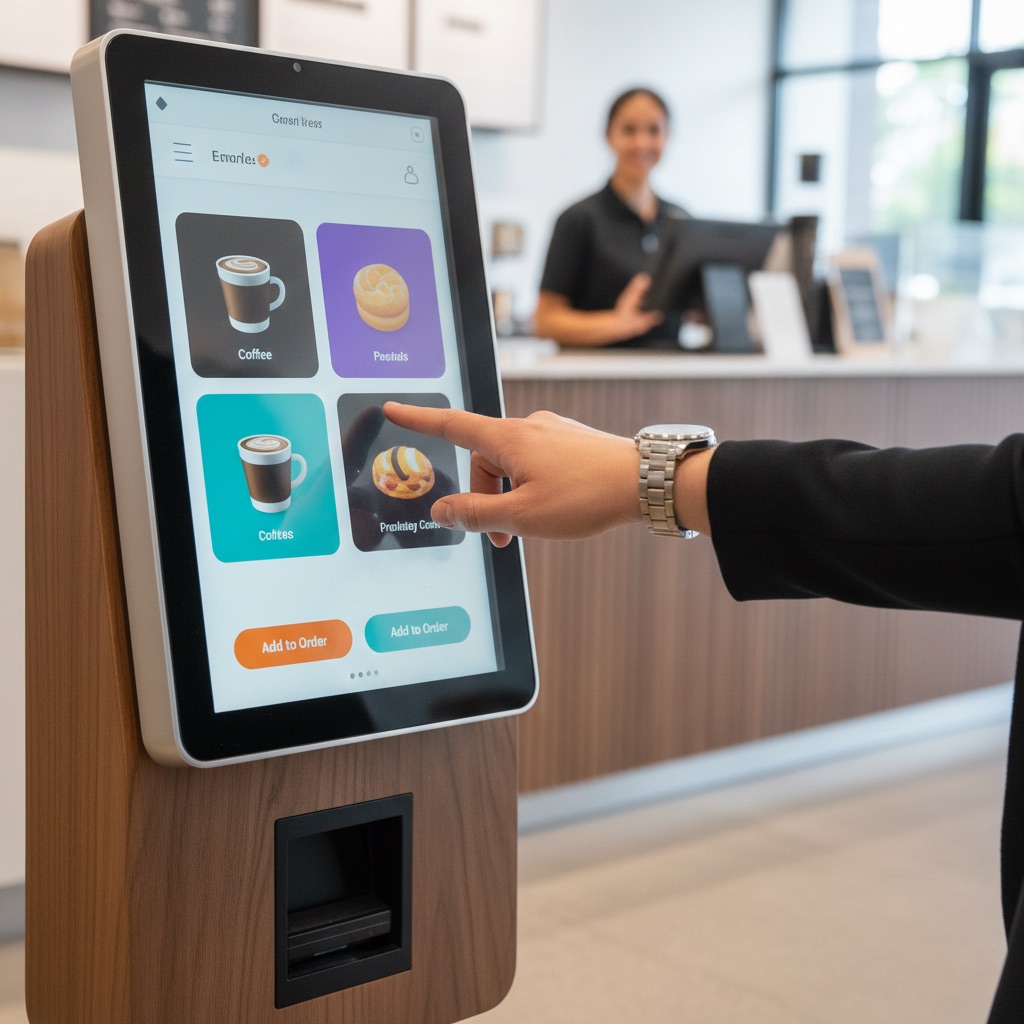
We often think of automation and security as ways to save money, but they carry a hidden “dignity cost.” Mandatory use of self-service technologies (SSTs) can diminish the “social value” of the visit. This leads to a feeling of service dehumanization.
Machines, no matter how fast, lack empathy. They cannot respond to a human’s emotional state. If a customer is having a rough day, a kiosk won’t notice, but a well-trained staff member behind a professionally designed service counter will.
Furthermore, intrusive security measures, like locking up common household items behind plexiglass, signal a lack of trust. While you must protect your margins, the “math” of security often ignores the “friction cost.” If a customer has to wait three minutes for a clerk to unlock a $5 item, you haven’t just lost a sale; you’ve stripped them of their dignity.
What You Should Be Doing
- Audit Your “Friction Points”: Walk your store as a customer. Identify areas where technology or security feels “forced” rather than helpful. If you have locked cases, ensure your staff is equipped to respond in seconds, not minutes.
- Implement Anti-Profiling Training: Ensure your staff is trained to treat every patron with the same professionalism. Profiling is a major “equality” withdrawal that can destroy your brand’s reputation in an instant on social media.
- The “Human Alternative” Policy: If you use self-checkout, always ensure a human staff member is within line-of-sight and ready to engage. This preserves the “empathy factor” and prevents the feeling of being “managed” by a machine.
- Invest in “Dignified” Design: Use your cabinetry and layout to create “dwell zones” that feel welcoming rather than industrial. Small touches, like high-quality coffee counters and clean, well-lit graphics, signal to the customer that they are a “guest” rather than a “unit of revenue.”
- Audit Your Post-Consumption Phase: Dignity doesn’t end at the exit. Ensure your loyalty program is easy to join (and leave) and that your digital support is context-aware. Nothing feels more disrespectful than a brand that treats a legitimate complaint like a generic support ticket.
The Bottom Line: Dignity is the Second Metric
I want to leave you with a powerful statistic that should change how you view your P&L statement. When consumers were asked to rank what matters most in their interactions with a brand, “Dignity” came in second, trailing only the actual value of the product itself.
It was rated as more important than a brand’s political alignment, its sustainability efforts, or even its social media presence. In our industry, where the Snickers bar or the gallon of gas is identical from one corner to the next, dignity is your ultimate differentiator. When a customer feels respected, they are willing to give you “grace” if a mistake happens. They become advocates who say, “They really take care of me there.” They don’t just see a store; they see a partner in their daily life.
Respecting dignity isn’t an expensive capital expenditure; it’s a mindset about the structure of your business. By pulling the levers of representation, agency, and equality, you aren’t just selling snacks, you are affirming the humanity of your neighborhood.
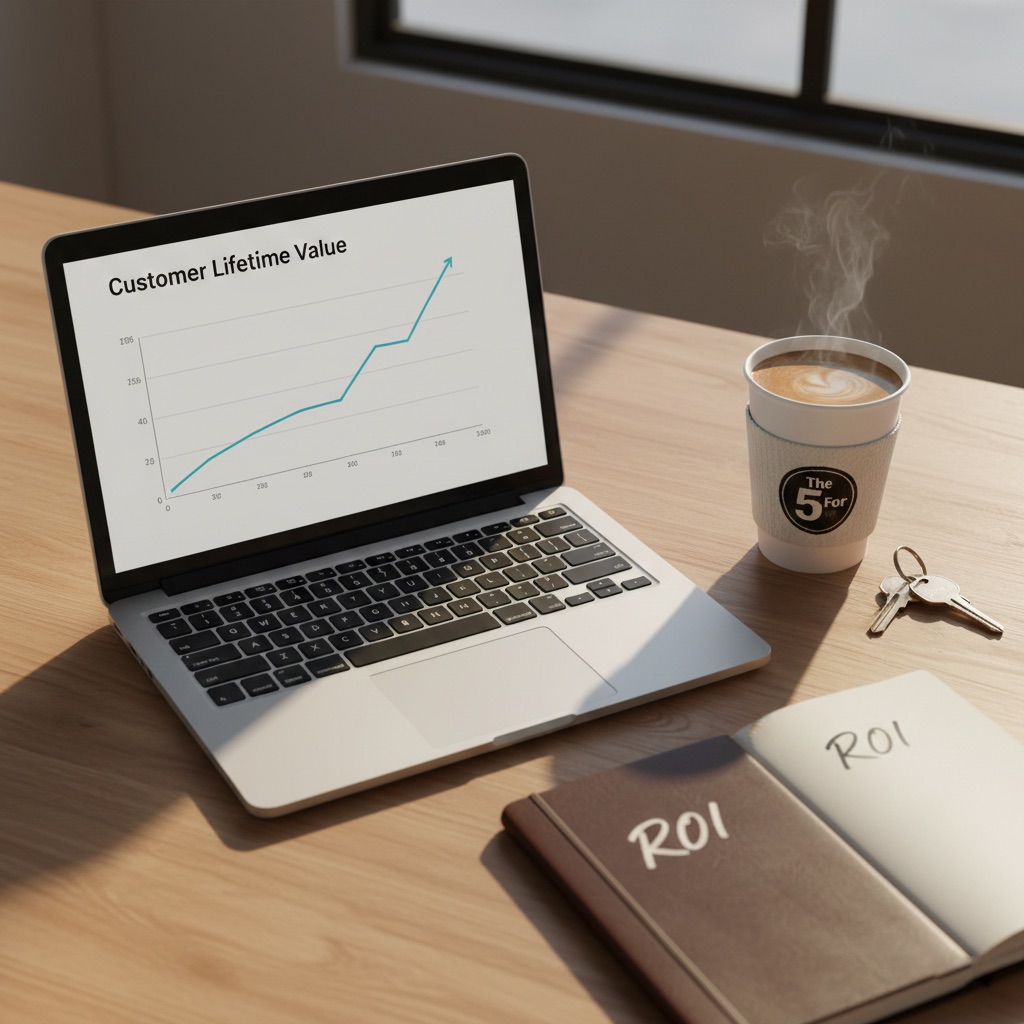
But I know what some of you are thinking: “This sounds great, but does this ‘niceness’ actually pay off in dollars and cents?” In our next post, The Economics of Connection, we’re going to look at the hard numbers. I’m going to show you why a $14,000 lifetime customer relationship is worth so much more than the $0.30 marginal cost of a cup of coffee. We’ll bridge the gap between “feeling good” and “doing well.”
I’ll see you in Part 6.

 The5For
Leave a comment