Unlocking the Power of Convergence
Welcome back to the final, and most critical, installment of The 5 For series on the future of hot beverages. Over the past six posts, we have embarked on a deep dive into the forces reshaping our industry. You now possess the five key puzzle pieces that define the 2026 market.
We started by defining the “Fourth Place” (Post 1), which is the evolution of the convenience store into a high-quality destination. Then, we unpacked the financial potential of Functional Fortification (Post 2), realizing that protein and nootropics turn coffee into fuel. We explored the sensory explosion of “Swicy” and Botanical flavors (Post 3), challenging the old standard of French Vanilla with the excitement of Hot Honey and Forest Pine. We didn’t stop at coffee; we analyzed the Hojicha and Matcha Revolution (Post 4), identifying the massive “clean energy” demographic demanding premium teas. Finally, we looked under the hood at Hyper-Automation (Post 5), showing how AI-driven machines solve the labor crisis, and then tackled the shift toward Circular Sustainability (Post 6), moving from single-use waste to powerful reuse ecosystems.
Knowing these trends individually is not enough. Execution is everything. In this final post, we are going to show you how these five forces are compounding one another to create a single, unified consumer demand. We will synthesize this entire series into a cohesive plan. It will become an immediate operational roadmap. We will look at the “Menu Matrix” and the equipment investments. These investments cover multiple trends at once.
- What you will learn: You will gain a deep understanding of how the five trends, Wellness, Flavor, Tea, Automation, and Sustainability, converge into a single consumer experience.
- What you will gain: By the time you finish reading, you will have a phased, 18-month battle plan complete with specific infrastructure audits and menu implementation timelines to dominate the morning commute and secure unprecedented profit margins in 2026 and beyond.
The goal is to move you from analysis to action. We will explain what the convergence of these trends looks like in a customer transaction. We will describe why this unified approach is the only way to break the current price ceiling. Lastly, we will show how you can adapt the necessary infrastructure to your locations using a smart, phased capital investment strategy. The future of your beverage program starts with a single, clear plan.

Analysis and Synthesis: The Convergence of Trends
The most critical insight from our year-long research is that the 2026 consumer does not view these five trends as separate categories or a la carte options. They want them simultaneously. Their demand is for a single, integrated, high-value experience.
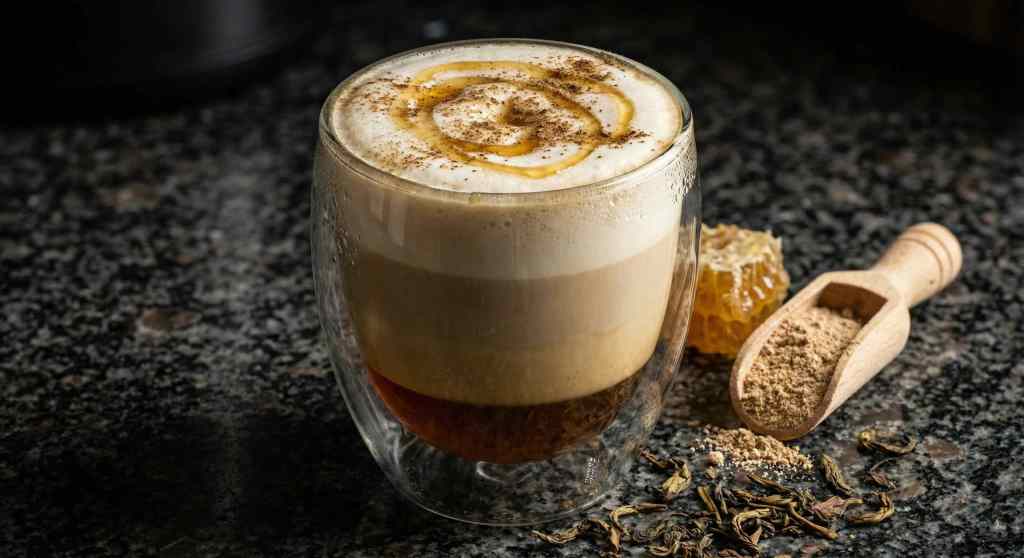
Consider the ideal high-margin transaction in 2026. The customer wants a Protein-Fortified (Wellness)Hojicha Latte (Tea/Clean Energy) with a Pump of Spiced Honey (Swicy Flavor). They order it via an AI-app (Automation). It is served in a Reusable Cup (Sustainability).
When you view the trends this way, the strategic path becomes clear: You are no longer just selling coffee. You are selling a hyper-personalized functional experience that leverages efficiency and ethics. This seamless integration of high-value components allows you to charge a premium that simply isn’t possible with a standard drip coffee.
The Financial Argument for Transformation
Why does this fundamental shift matter to your bottom line? This convergence is the only way to break the traditional c-store price ceiling and achieve maximum margin.
Traditional c-store overall profit margins hover between 5% and 10% on average. However, a well-executed, premium coffee program can generate margins upwards of 40% to 65%. The shift to “premium” and “functional” allows you to radically elevate the perceived value of your product.
A standard 12oz black coffee might cap out at $2.29. However, a “Functional Hojicha Latte with Oat Milk and Collagen” creates a high-value perception that easily supports a $4.99 – $5.99 price point. You are effectively doubling your penny profit per transaction without doubling your labor cost, provided you have the right automation. This is the difference between surviving on thin margins and dominating the market with significant profit drivers.
What You Should Be Doing
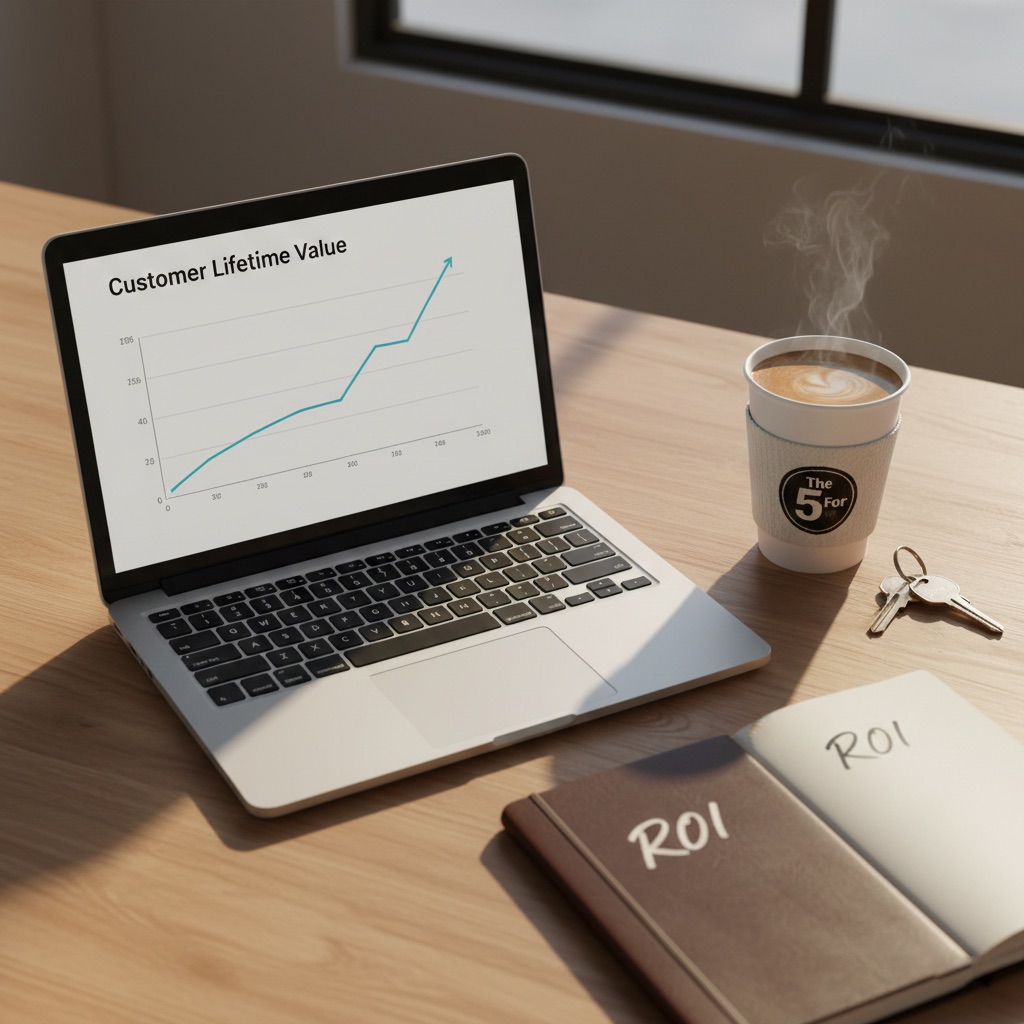
- Conduct a “Waste vs. Opportunity” Audit: Calculate exactly how much you are spending annually on single-use cups and wasted coffee from drip pots. Compare this annual cost against the lease or purchase payments of a telemetry-enabled super-automatic machine. The Return on Investment (ROI) often justifies the equipment upgrade purely on waste reduction and labor savings alone.
- Update Your Planogram for Functionality: Immediately carve out highly visible space directly adjacent to your coffee station for “Boosters.” If you can’t integrate them into the machine yet, offer single-serve sachets. These could include collagen, protein, or adaptogenic mushroom powder like Lion’s Mane. Customers can easily buy and stir these in themselves.
- Train for “The Fourth Place”: Retrain your staff (or configure your AI kiosk) to upsell based on mood and function, rather than size. Instead of “Do you want a large?”, the script should be “Do you want to add a protein boost for recovery today?” or “Looking for clean energy? Our Hojicha Latte is great.”
The Equipment Nexus: The Key to Unlocking All Five Trends
Throughout this series, one variable appeared in every single post: Technology.
You cannot execute the “Proffee” trend consistently with manual scooping; it’s too messy, inconsistent, and slow. You cannot execute “Hojicha” or “Matcha” without high-speed, consistent mixing modules. You cannot execute “Circular Sustainability” without a digital tracking system tied to a loyalty app.
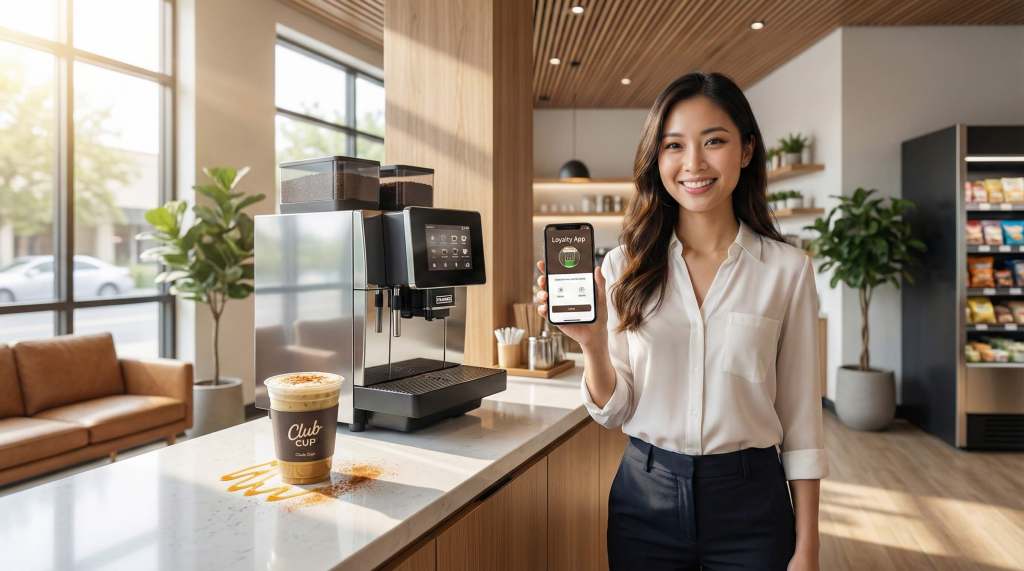
Therefore, your primary, foundational strategic move for 2026 is an infrastructure audit and upgrade. The “Super-Automatic” machines we discussed (like the Eversys Legacy or Franke A1000) are no longer just coffee brewers; they are integrated beverage factories.
Investing in a machine with Dual Milk Systems (for dairy and oat) provides a solution for Wellness (Trend 1). Additionally, Powder Dosing Modules (for chocolate, matcha, and protein) address Tea (Trend 3) and Automation (Trend 4). This is a capital expenditure that future-proofs your entire menu, ensuring consistency and driving margin.
What You Should Be Doing
- Prioritize Powder Dosing: When sourcing new equipment, insist on integrated powder dosing modules. These modules should handle both light ingredients like matcha and tea. They should also manage heavy ingredients such as protein and cocoa without clumping or clogging. This is the linchpin for the Wellness and Tea trends.
- Require Telemetry: Ensure any new equipment has telemetry enabled to track drink velocity, manage inventory remotely, and monitor cleaning compliance. This data informs your flavor strategy and protects your labor savings.
- Establish a Capital Investment Plan: Draft a 3-year capital expenditure plan. This plan should allocate budget to replace your drip systems with super-automatic machines. Start with your highest-volume, most profitable locations.
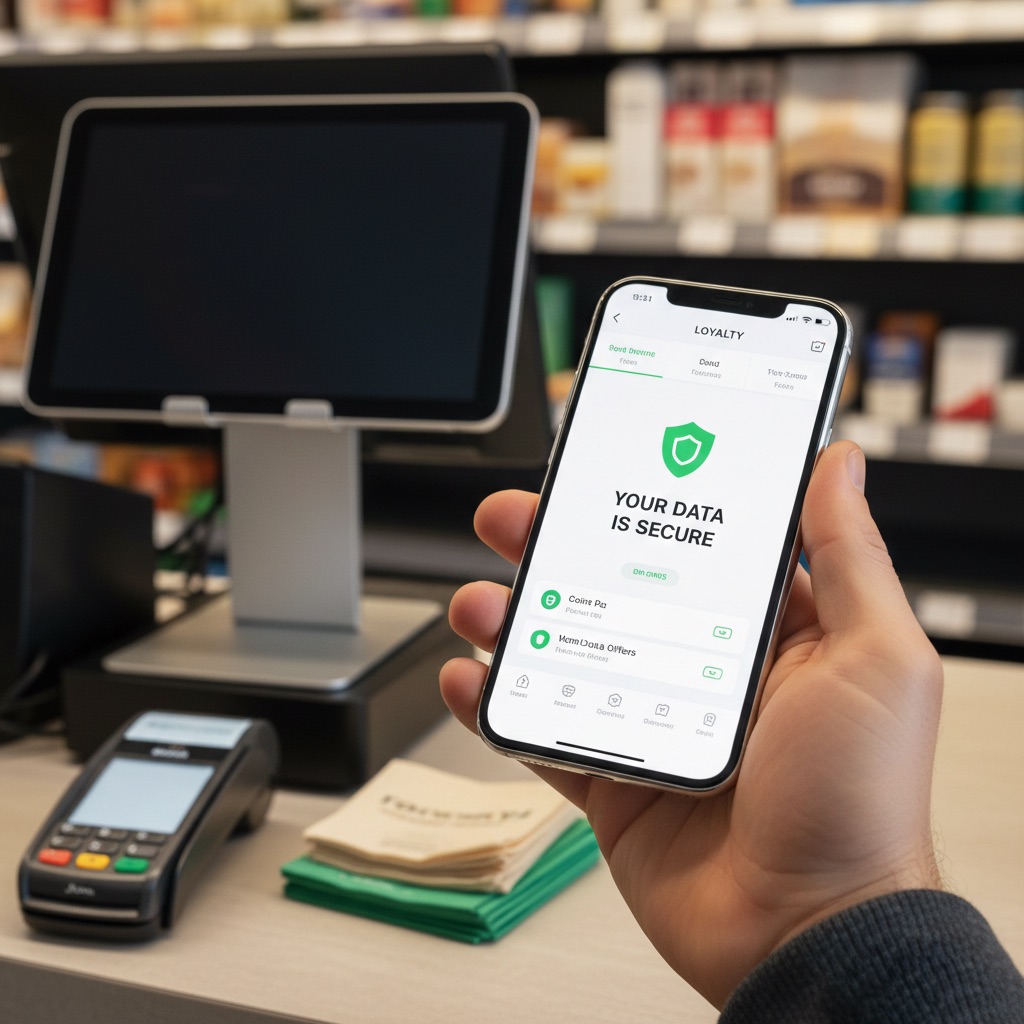
- Integrate POS/App First: Before rolling out the equipment chain-wide, ensure your loyalty app communicates seamlessly with the machines. Your Point-of-Sale (POS) system should also facilitate personalized ordering and subscription tracking.
Actionable Insights: The Accelerated 2026 Implementation Timeline
Since we are already at the end of 2025, the strategy must be an aggressive, compressed, high-impact plan targeting quick wins and margin protection in the first three quarters of 2026.
We will execute this transformation in three decisive, back-to-back phases:
1. Phase 1 (Q1 2026: Immediate Cost and Menu Wins)
Timeframe: January – March 2026 Primary Focus: Cost Reduction & Menu Expansion (Quick, low-CAPEX wins).
This phase is about securing the lowest hanging fruit: cutting wasted expenditure and quickly adding high-margin functional products.
- The Menu Audit and Syrup Swap: Look at your current syrup and powder contracts. Swap a slow-moving, generic syrup (e.g., Raspberry) for a “Swicy” option (e.g., Hot Honey or Chili Mocha) to introduce the flavor trend with minimal investment.
- Manual Proffee Pilot: Immediately carve out space for and introduce a manual “Proffee” station with single-serve protein/collagen sachets next to the coffee bar. This gauges sales velocity for functional boosters before you buy a machine.
- Start the Sustainability Switch: Begin the transition away from high-risk PE-lined cups. Switch inventory to Aqueous coated or PHA lined cups to future-proof against impending EPR costs and immediately gain a sustainability talking point.
2. Phase 2 (Q2 2026: Loyalty and Technology Pilot)
Timeframe: April – June 2026 Primary Focus: Test Customer Experience & Upsells (Gathering data for CAPEX justification).
This quarter is focused on testing the customer-facing systems that create loyalty and drive foot traffic.
- Pilot Program Activation: Select your highest-volume store and launch a small-scale reusable cup membership program (the “Club Cup” model). Focus on operational simplicity and tracking customer return rates (loyalty lock-in).
- Signature Beverage Test: Launch the first major LTO from your calendar (e.g., a “Botanical Refresher” or a “Spicy Mocha”). Use the sales data to validate the demand for premium, complex drinks.
- Finalize Equipment Order: Use the sales performance of your “Proffee” pilot and LTOs to guide the decision. Place the definitive order for the super-automatic machinery. Ensure it includes the necessary powder dosing modules.
3. Phase 3 (Q3/Q4 2026: The Capital Upgrade and Full Rollout)
Timeframe: July – December 2026 Primary Focus: Capital Investment & Full Rollout (Locking in labor savings and consistency).
This is the execution phase, where the capital investment is deployed to fully automate the entire beverage strategy, securing the labor savings and product consistency.
- The Big Unlock: Install the super-automatic machinery that handles powders, fresh milk, and cold foam. This is the moment you fully automate the functional, tea, and consistency trends.
- Staff Training and Full Menu Integration: Conduct intensive staff training on the new machines and the high-value upsell scripts (“Add a protein boost?”). Roll out the full Hojicha, Matcha, and functional beverage menu enabled by the new equipment.
- Scale the Loyalty Program: Expand the reusable cup and subscription loyalty program across the chain, leveraging the data collected in the pilot phase.
This aggressive 2026 timeline ensures you capture market share immediately. It helps you justify your capital investment with real-world data. You will finish the year operating a modern, high-margin, and future-proof beverage program.
The Bottom Line: 2026 Is Yours For The Brewing
We are standing at the precipice of a massive shift in convenience retail. The days of the “gas station coffee” stigma are numbered. In 2026, the convenience store that wins will be a destination of wellness, a playground of flavor, and a leader in sustainability.
You now have the complete roadmap. You understand that Protein drives the ticket size. Flavor drives the visit. Tea expands the audience. Automation protects the margin. Sustainability secures the loyalty. These elements must work in concert.
The operators who hesitate and continue to rely on manual processes will struggle. They will find themselves fighting for the shrinking bottom of the market. The operators who act now will succeed. They will start piloting, upgrading, and strategically unifying these five trends. This will allow them to successfully capture and own the morning routine of the future.
This concludes our series on the 2026 Hot Beverage Forecast. My final advice to you is this: Don’t try to be a better gas station. Strive to be the best café in your neighborhood that just happens to sell fuel. The opportunity to transform your most profitable category is yours for the brewing.

 The5For
Leave a comment