
If you’ve been operating a convenience store for more than a decade, you know the “crave cycle” like the back of your hand. It’s the engine that has powered our industry for fifty years: a customer walks in seeking a quick energy spike, grabs a sugary soda or a high-calorie snack, and leaves satisfied. It was a volume game, built on impulse and indulgence.
But recently, have you noticed a change in the basket? Maybe your king-size candy bars are moving a little slower, while the hard-boiled eggs and premium protein shakes are flying off the shelf. You aren’t imagining it. We are currently witnessing the most significant disruption to the convenience channel since the introduction of pay-at-the-pump.
The widespread adoption of GLP-1 medications (like Ozempic, Wegovy, and Mounjaro) and the accelerating “Food as Medicine” movement are fundamentally altering the biology of your customer. They aren’t just “dieting”, they are physiologically changing how they experience hunger and satiety.
In this exclusive seven-part series on The 5 For, I’m going to guide you through this metabolic revolution. We will move beyond the buzzwords and dig into the operational realities. Over the next few posts, I’ll show you exactly how to pivot your foodservice, merchandising, and marketing to not just survive this shift, but to thrive in it.
Here is the roadmap for our journey:
- Part 1: The Metabolic Shift – Understanding the New Physiology of Convenience.
- Part 2: Foodservice Evolution – From “Supersize” to Protein-Packed Micro-Meals.
- Part 3: The Snack Aisle Revamp – Why Fiber is the New Protein.
- Part 4: Beverage Innovation – Functional Hydration, Prebiotics, and the “Sober Curious.”
- Part 5: Merchandising & Layout – Designing for the Health-Conscious Impulse.
- Part 6: Marketing & Partnerships – Becoming a Community Health Destination.
- Part 7: The Future C-Store – Your Roadmap to 2026 and Beyond.
Let’s get started with the big picture.

The End of “Empty Calories”
To understand why your inventory needs to change, you have to understand what is happening inside your customer’s body. GLP-1 medications work by mimicking hormones that signal satiety to the brain. In a traditional c-store transaction, the customer is driven by a dopamine spike, the anticipation of sugar or fat. GLP-1s dampen that signal.
For the first time, a growing segment of your customer base is physically incapable of consuming large volumes of food without discomfort. Technomic reports that 69% of GLP-1 users are selecting smaller portions, and nearly half are skipping meals entirely.
This spells the end of the “supersize” era. The value proposition of “more food for less money” is being replaced by “better nutrition in a smaller package.” These customers aren’t looking for the cheapest 1,000 calories; they are looking for the most efficient 300 calories.

“Food as Medicine” is Mainstream
It would be a mistake to think this is only about weight loss drugs. The “Food as Medicine” movement has permeated the wider culture. Consumers are increasingly viewing food as a pharmacological input, a tool to manage anxiety, boost focus, gut health, and energy levels.
If 2024 was defined by the obsession with protein, industry experts predict 2026 will be the “Year of Fiber”.Why? Because fiber is the critical companion to these new medications, aiding digestion and mitigating side effects. But even for those not on medication, “gut optimization” has become a top priority.
This shift changes your store from a “guilty pleasure” pit stop into a potential “health hub.” Your customers are looking for functional benefits:
- Satiety: Foods that keep them full for hours (high protein/fiber).
- Digestion: Ingredients that support gut health (prebiotics).
- Hydration: Electrolytes and functional waters that do more than just quench thirst.

The “Safe Harbor” Strategy
One of the most fascinating insights from my research is that GLP-1 users often feel anxiety about eating out. They fear nausea or gastrointestinal distress from greasy or heavy foods.
This creates a massive opportunity for you. If your store can become a “Safe Harbor”, a place where they know they can find a clean, small-portion, protein-rich snack that won’t make them sick, you will earn a level of loyalty that a 99-cent soda never could. You become an essential part of their health journey.
What You Should Be Doing
You don’t need to turn your c-store into a Whole Foods overnight. Start with these actionable steps to assess where you stand:
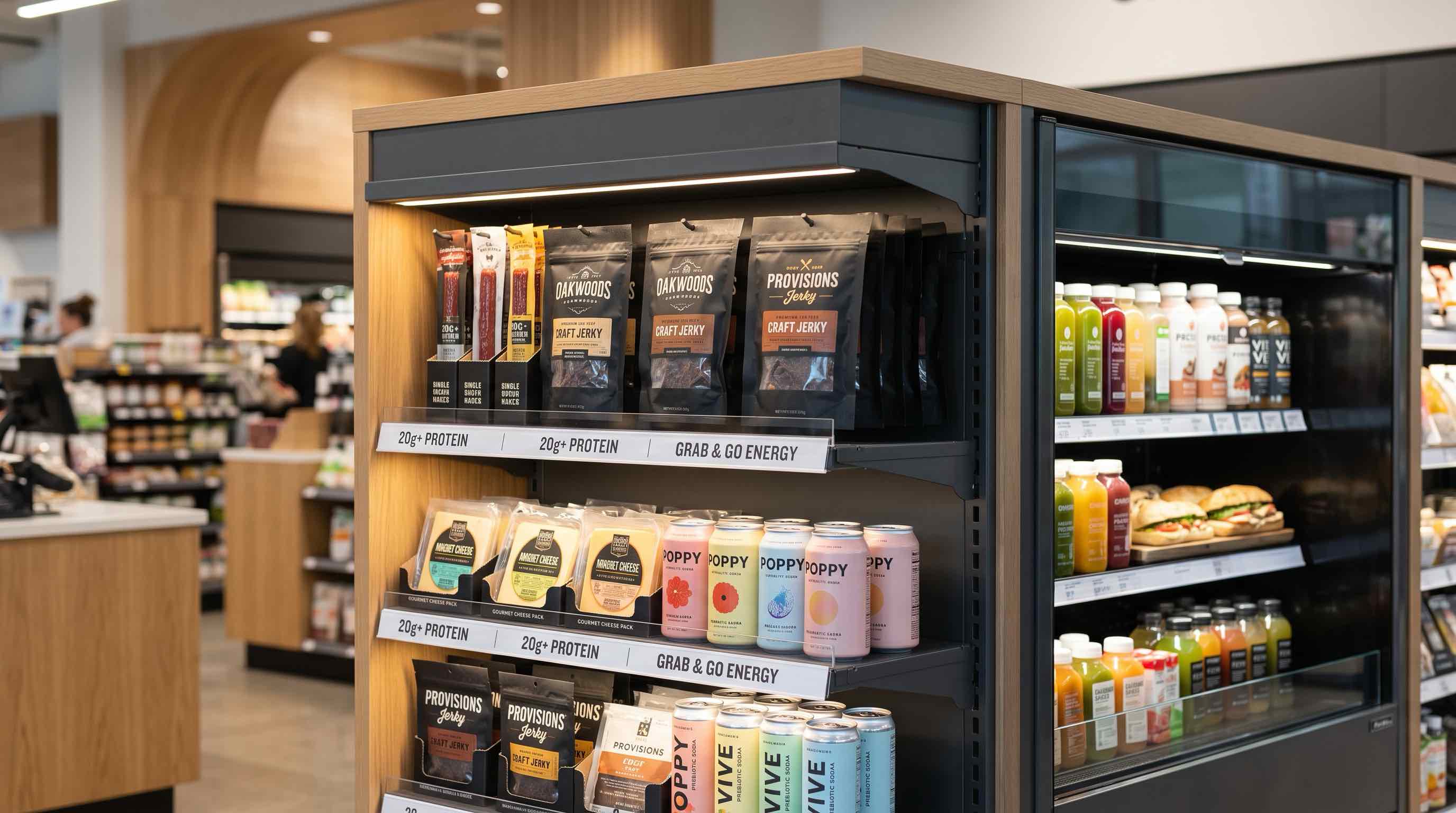
- Audit Your “Nutrient Density”: Walk your aisles today. Look at your prime real estate (end caps and eye-level shelves). Is it 100% empty calories? Identify three spots where you can swap a “fun” snack for a “functional” snack (e.g., swapping a row of king-size candy for beef jerky or protein packs).
- Review Your Sales Data: Pull your reports for the last 6 months. Are unit sales of large-format sugary drinks trending down? Are protein shakes and water trending up? Validate the shift in your own specific location.
- Talk to Your Customers: This sounds simple, but it’s powerful. Ask your regulars, “Are you looking for healthier options?” You might be surprised to find that the construction worker buying an energy drink is also looking for a high-protein breakfast. They want something that won’t result in a sugar crash.
- Clean Up the “Killer” Categories: Identify the items that are “GLP-1 repellents”, extremely greasy, fried foods or massive sugary pastries. You don’t have to remove them yet but stop prioritizing them in your marketing.
The Bottom Line: Moving From “Empty” To Fuel
The convenience industry is at an inflection point. The definition of “value” is shifting from volume to function. The operators who recognize this now will start adjusting their mix from “empty calories” to “fuel”. They will secure the loyalty of the most valuable consumer demographic of the next decade.
In the next post, we are going to dive deep into Foodservice. I’ll show you how to ditch the “supersize” mentality and build a menu of “Micro-Meals” and protein packs that drive high margins and repeat visits.

Leave a Reply