Navigating Third-Party Delivery Realities in 2026
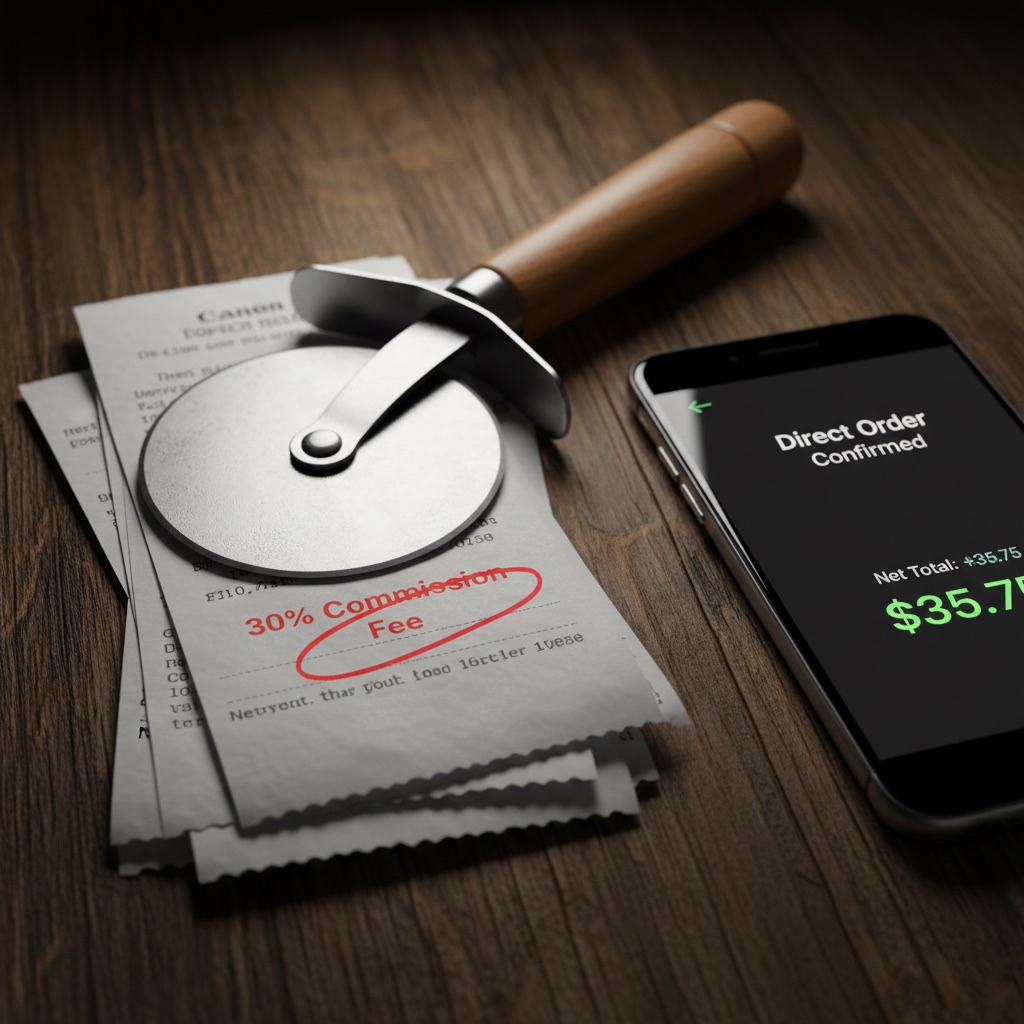
In our last deep dive, we established that quality is your absolute best loyalty driver. We looked at how consistent crust, premium toppings, and temperature control aren’t just “nice to haves”,they are the foundation of your brand. But here is the hard truth: even the most perfect, artisan-quality pizza can’t save a business model that is leaking 30% of its revenue to a third-party app.
As we move through 2026, the delivery landscape for convenience store operators has reached a tipping point. We’ve seen commissions of 15% to 35% become the “new normal,” which can effectively turn a healthy 15% in-house profit margin into a 7.6% net loss per order. I’ve seen many of you struggle with the “volume trap”, you’re busier than ever, your staff is exhausted, but your bank account isn’t reflecting that effort because the aggregators are taking the lion’s share.
In this post, I want to pull back the curtain on the data between in-house and third-party delivery. We are going to look at why the “handoff” is the most critical moment in your customer’s journey and how industry leaders like Donatos are using Voice AI to reclaim their margins. My goal today is to give you the blueprint to stop the “30% leak” and start owning your customer data again.
The True Cost of “Outsourced” Hospitality
When you hand a pizza to a third-party driver, you aren’t just outsourcing a delivery; you are outsourcing your brand reputation. The 2026 data is clear: In-house delivery is the undisputed winner for customer satisfaction. On average, orders delivered by a store’s own staff arrive nearly 3 minutes faster and score 19% higher in overall satisfaction.
Why is this? It comes down to the “Handoff.” When your own employee, someone who understands your standards and values, handles the food, there is a level of care that a gig worker juggling three different apps simply cannot match. When you own the delivery, you own the relationship. You get the data, the email address, and the ability to fix a mistake before it becomes a one-star review.
Learning from the Leaders: The Donatos Model
One of the biggest hurdles for c-store operators in moving delivery in-house is the labor. Who is going to answer the phones? Who handles the technical errors? Smart operators are bridging this gap with technology.
Take Donatos Pizza as a marquee example. They recognized that missed phone calls were missed revenue. They implemented a voice-ordering AI that handled over 300,000 phone calls in just five months with a staggering 99.9% accuracy. By automating the order-taking process, they freed up their in-store staff to focus on what matters most: food quality and speed of service. This is the 2026 standard, using AI to handle the mundane tasks so your humans can handle the hospitality.
Accuracy: The Silent Profit Killer
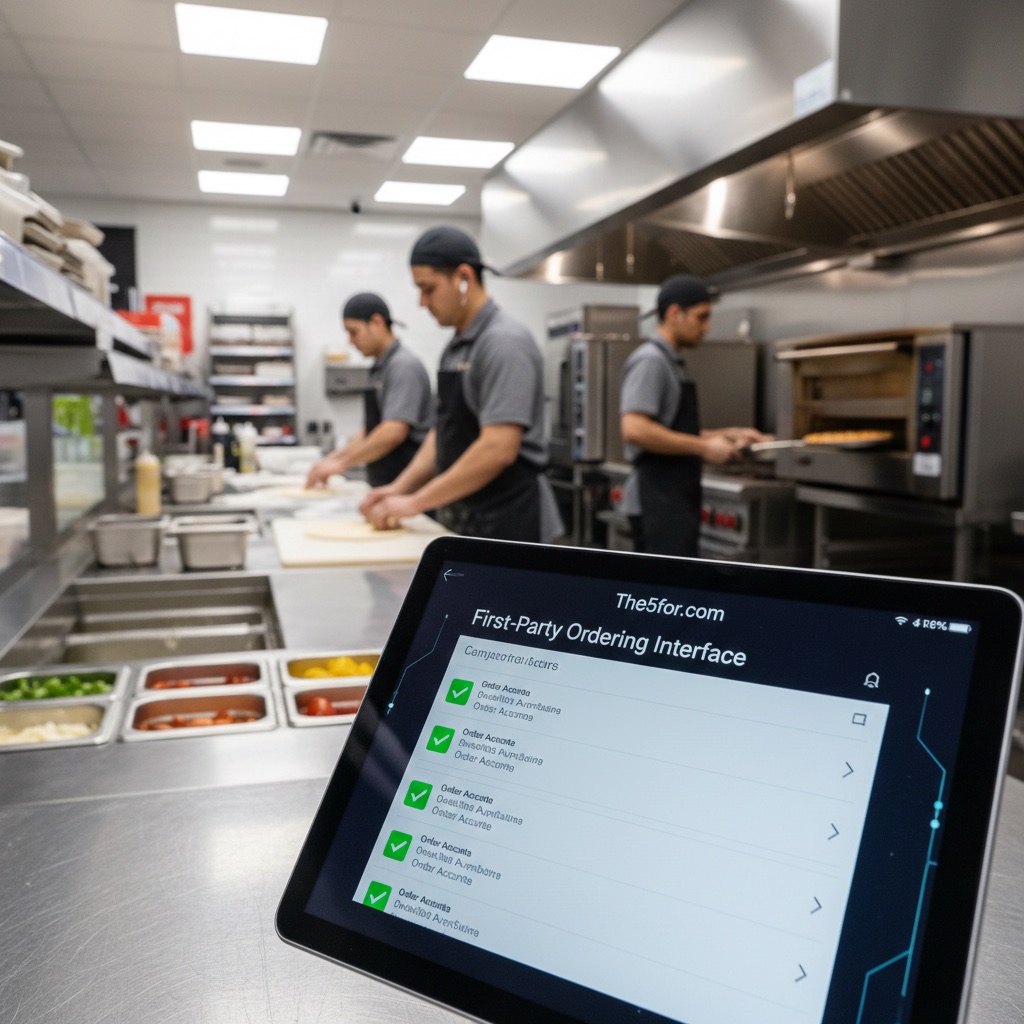
There is also a massive gap in order accuracy. First-party apps (your own website or app) generally boast a 9 percentage point higher accuracy rate than third-party aggregators. This is because first-party systems integrate seamlessly with your Point of Sale (POS). When a third-party app is involved, there is often a “tablet-to-POS” manual entry or a glitchy API that leads to missing toppings or wrong sodas. Those errors cost you money in refunds and, more importantly, they cost you the customer’s trust.
What You Should Be Doing: Reclaiming Your Margins
To stop the revenue leak, you need a multi-pronged approach that incentivizes direct ordering while still leveraging the “discovery” power of the big apps.
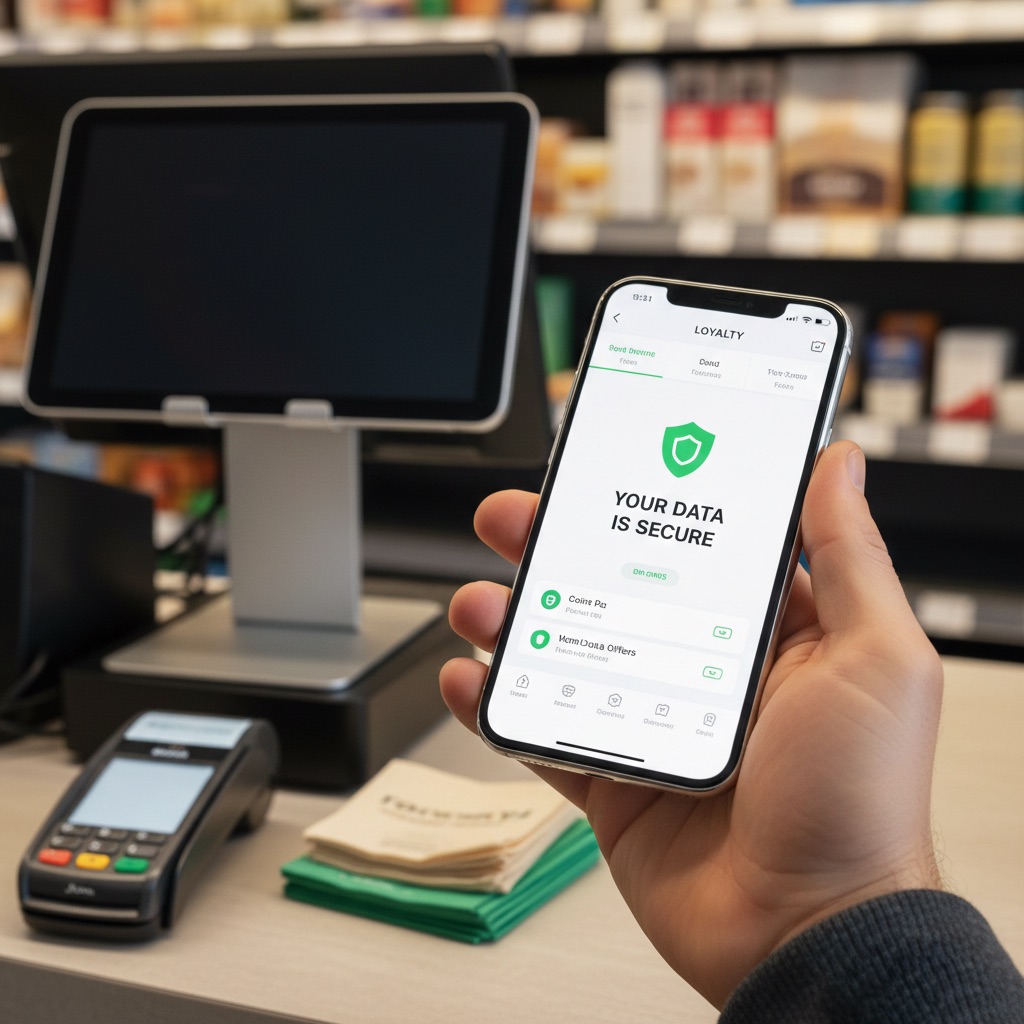
- Launch a Branded Mobile App Now: 2026 is the year to move your heavy hitters in-house. Moving just $5,000 in monthly delivery sales from an aggregator to your own app creates $1,750 in instant gross profit by avoiding commissions.
- Implement “Surcharge” Pricing: If you must use aggregators for the “reach,” increase your app prices by 15-20% to offset the fees. Most customers understand this is the “convenience tax” for using those platforms.
- Use “Buy-Back” QR Codes: Every box that leaves your store with a third-party driver should have a large, visible QR code. Offer a “10% off your next order” incentive if they order directly through your site or app next time.
- Adopt Voice AI for Phone Orders: Don’t let a busy lunch rush lead to a busy signal. Follow the Donatos model and implement a voice-ordering AI to ensure 100% of your calls are answered and orders are entered with near-perfect accuracy.
- Focus on First-Party Integration: Ensure your online ordering system talks directly to your kitchen display system. Reducing the number of “touches” an order takes reduces the chance for errors.
The Bottom Line: It’s All In The Delivery
Navigating the third-party delivery world in 2026 isn’t about quitting the apps “cold turkey.” It’s about being strategic. We’ve seen that the “handoff” is where the profit and the customer experience are either won or lost. By prioritizing in-house delivery, utilizing Voice AI to manage labor, and using smart pricing strategies, you can stop the 30% leak and keep that hard-earned revenue in your store.
Remember, the goal is to own the customer relationship. When you have their data, you can market to them directly, reward their loyalty, and ensure that your pizza is delivered exactly how you intended it to be: hot, fresh, and on time.
But getting the order right and keeping the profit is only half the battle. If the pizza arrives soggy or cold, the best app in the world won’t bring that customer back. Next, in Post 4, we will look at “HeatWave” technology and the specific packaging innovations keeping the 2026 pizza crisp and hot from your oven to their door.

 The5For
Leave a comment