
The 2026 Customer Mandate for C-Store Pizza
In our series introduction, we laid out the “Pizza Profit Paradox” and discussed why convenience stores are currently the “sleeping giants” of the pizza world. We touched on the massive opportunity sitting right in your warmers, but today, I want to pivot to the most significant shift in consumer behavior I’ve seen in my decades in the food industry. For years, the mantra in our business was “speed is king.” We thought being the fastest was the only way to win the lunch rush or the “what’s for dinner” debate.
However, according to the latest 2026 Pizza DELCO Report, the game has changed. Quality has officially emerged as the strongest driver of overall satisfaction, outweighing even the fastest delivery or checkout times. Customers aren’t just looking for “fast food” anymore; they are looking for “good food, fast.” As an operator, this shift is your greatest opportunity. While the massive national chains are stuck in a “race to the bottom” on price and delivery windows, you have the agility to focus on the craft.
In this post, we’re going to dive deep into why the 2026 customer is willing to wait a few extra minutes for a superior product. I will illustrate why the data shows that taste and temperature are the real metrics of success. Moreover, c-stores like yours are actually beating the big national brands in satisfaction scores. We’ll look at real-world case studies from Jet’s Pizza to Sprint Mart to see how “quality-first” translates to bottom-line growth. By the end of this read, you’ll have a roadmap for auditing your own program to ensure you aren’t sacrificing your reputation for the sake of a few seconds on the clock.
The Data Behind the Shift: Why Better Beats Faster
The 2026 Pizza DELCO Report highlights a fascinating case study that every c-store operator should pin to their office wall: Jet’s Pizza vs. Domino’s. In the study, Domino’s did exactly what they are known for, they won on speed, clocking a 33-minute delivery average. Jet’s Pizza was significantly slower, averaging 46 minutes. In the old world of foodservice, Domino’s would be the runaway winner.
But in 2026, the results were flipped. Jet’s achieved a much higher satisfaction score (93.1% vs. 86.7%) and a staggering taste rating of 96.6%. What does this tell us? Consumers will forgive a delay for a pizza that arrives hot and tastes artisanal. They have “speed fatigue.” They’ve had the 10-minute cardboard pizza, and they don’t want it anymore. They want the dual-texture crust, the premium cheese, and the “wow” factor.
The C-Store Advantage: Quality in Plain Sight

Convenience stores are uniquely positioned to capitalize on this “quality mandate.” In recent mystery-shop benchmarks, c-stores earned an 86% approval rating, actually edging out several large national pizza chains. Why? Because we have the advantage of “physical touch.” When a customer walks into your store, they smell the yeast, they see the oven, and they interact with your team.
Look at Sprint Mart as a prime example. They didn’t just accept “good enough” for their proprietary SprintZoni program. They went back to the drawing board to reformulate their dough and recipes. They prioritized “Dough Science”, creating a crust that holds up under heat lamps without becoming a brick. By focusing on quality over generic speed, they witnessed tremendous sales and unit growth. They proved that if you build a better pizza, the traffic will follow.
Transparency as a Sales Tool
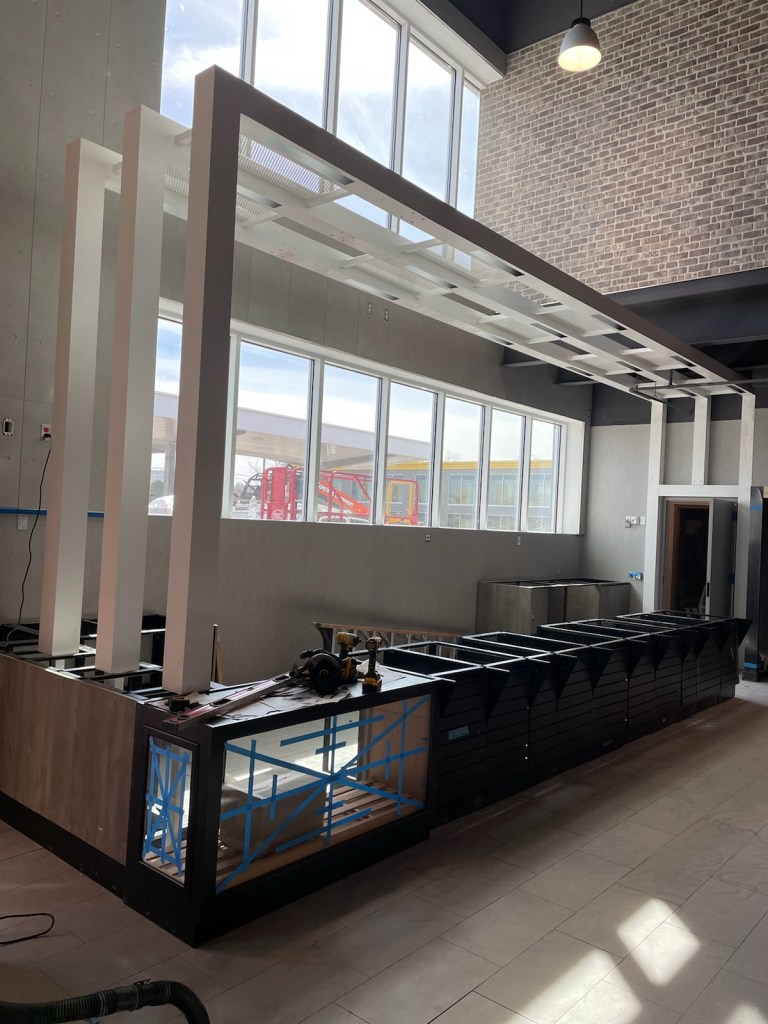
Another lesson comes from Dysart’s Travel Stops. They moved toward an “Open Kitchen” model, and the results were “through the roof.” When a customer sees a team member stretching dough or pulling a bubbling pie out of the oven, the “convenience store stigma” evaporates. Transparency builds instant trust. It signals to the customer that this isn’t a frozen product being reheated; it’s a meal being prepared.
Even if you don’t have the footprint for a full open kitchen, you can implement “Visual Cues of Quality.” This could be as simple as clear packaging that shows off the toppings or a dedicated “Fresh From the Oven” bell. In 2026, if the customer can’t see the quality, they assume it isn’t there.
What You Should Be Doing
- Implement “Open Kitchen” Visuals: If you are remodeling, prioritize line-of-sight to your ovens. If you aren’t remodeling, use signage and glass-front warmers to show the “birth” of the pizza. Transparency signals freshness.
- Audit Your Hot-Hold Times: C-stores scored a perfect 100% on food temperature in carryout studies because we serve it right at the counter. However, that advantage dies if a slice sits for 45 minutes. Ensure no slice sits for more than 30 minutes; modern customers can “taste the light” of a heat lamp.
- Focus on “Dough Science”: Work with your suppliers to find or create a dual-texture crust, crispy on the outside, airy on the inside. This “artisanal” feel is what separates a $3 slice from a $5 premium experience.
- Use Quality “Post-Bake” Toppings: You don’t need to change your whole inventory. Elevate a standard pepperoni pie with finishing touches like hot honey, fresh basil, or a balsamic glaze after it leaves the oven. It adds massive “wow-factor” for pennies in food cost.
- Update Your Training: Ensure your staff can speak to the “why” behind the pizza. If a customer asks why it takes 5 minutes longer, the answer should be: “Because we’re fire-baking it to get the crust exactly right for you.”

The Bottom Line: Embracing the Slow Down to Speed Up Sales
The transition from a “speed-at-all-costs” mindset to a “quality-first” approach might feel counterintuitive in the convenience industry. We are built on the word “convenient,” after all. But we have to redefine what convenience means in 2026. Convenience is no longer just about the number of seconds it takes to grab a box; it’s about the convenience of getting a high-quality, restaurant-level meal without having to make a separate stop at a QSR.
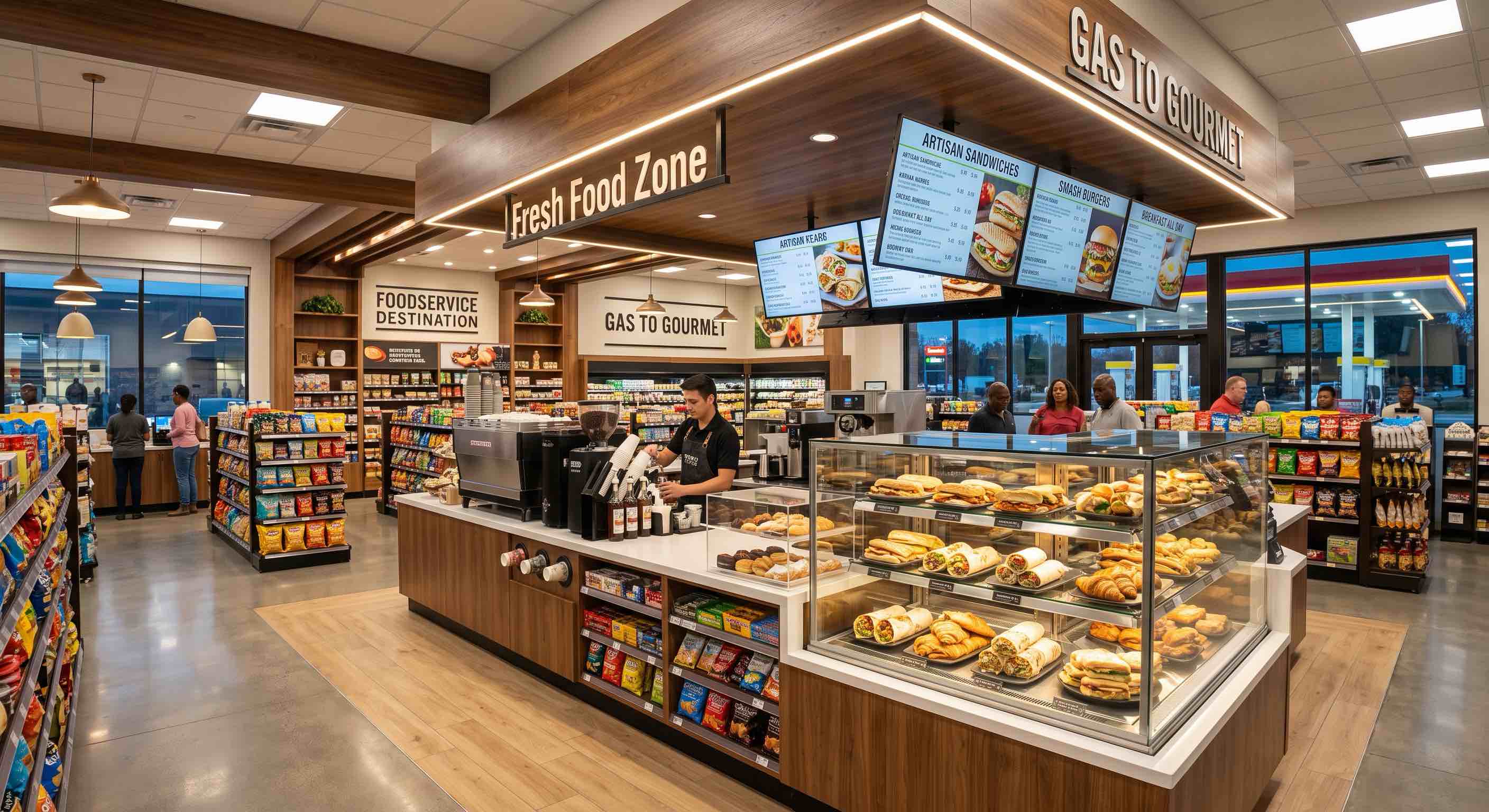
As we’ve seen from the data, your customers are literally telling you that they will wait 13 minutes longer (the Jet’s vs. Domino’s gap) if the taste is there. When you prioritize “Dough Science,” temperature control, and visual transparency, you aren’t just selling pizza; you’re building a food brand. You’re moving your store from a “gas station that happens to have food” to a “food destination that happens to have gas.”
I want you to take a hard look at your current pizza program this week. Buy a slice from your own warmer at 2:00 PM. Is the crust still crispy? Does the cheese still have a pull? Does it look like something a chef would be proud of, or does it look like a commodity? If it’s the latter, don’t worry, that’s exactly why we are doing this series. The shift to quality is a journey, and the ROI on better ingredients and better processes is the highest you’ll find in the foodservice category.
In Post 3, we’re going to tackle the “Elephant in the Room”: Third-party delivery fees and the 19% “satisfaction gap.” We’ll look at how to protect your margins when the “middleman” comes knocking and how to ensure your quality survives the trip in the back of a delivery driver’s car. See you in the next one!

Leave a Reply