Using Sensory Psychology to Hook Your Customers
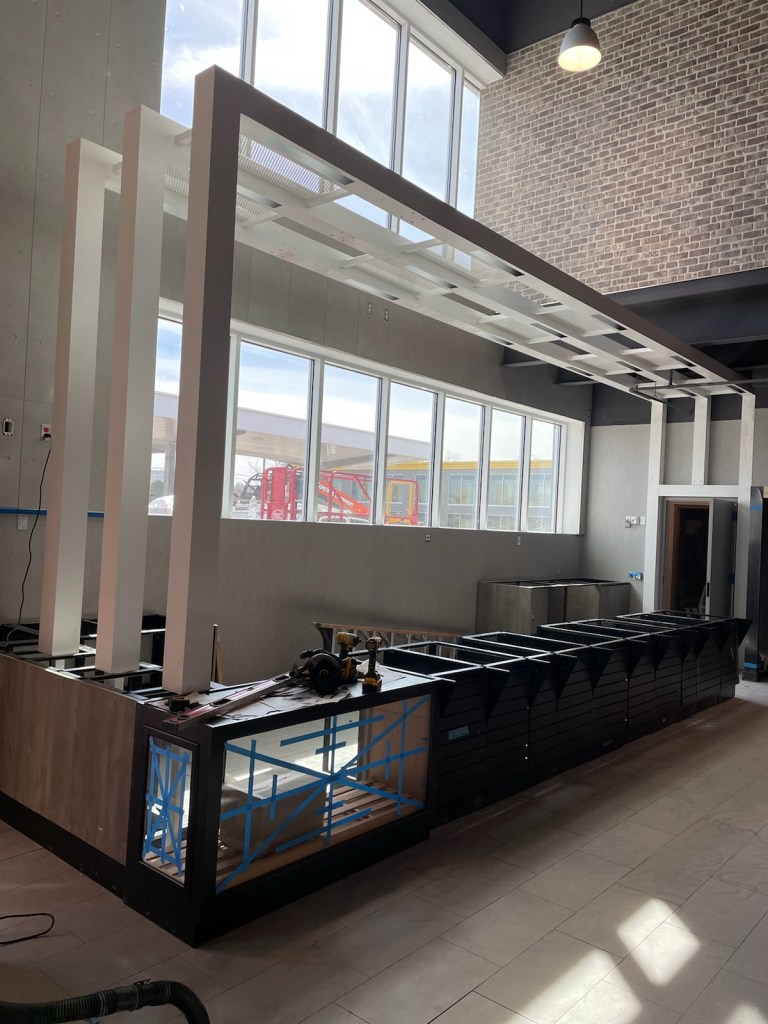
In our first post, we pulled back the curtain on the “Silent Sales Manager,” exploring how your store’s physical bones, the cabinetry, the equipment, and the layout, dictate the success of every transaction. We established that design isn’t just about looking “new”; it’s about a strategic framework that drives behavior. But to truly master the art of the convenience store, we have to go deeper into the human brain. We have to talk about the “Sensory Experience.”
Research indicates that a staggering 62% to 90% of consumers subconsciously judge a retail environment within the first 90 seconds based on color alone. Think about that: before a customer even checks the price of a gallon of milk or looks at your roller grill, their brain has already decided if they trust you. If your “vibe” is off, you’ve lost the sale before it even began.
As someone who works daily with cabinetry, graphics, and store equipment, I often see operators focus solely on the “specs” of an oven or the durability of a counter. While those matter, even the most expensive rapid-cook oven won’t drive sales if the surrounding lighting makes the food look unappealing or “gray.” This post is about modulating your environment, using color, light, sound, and even scent, to create an atmosphere that encourages browsing, builds immediate brand trust, and ultimately increases that average basket size.
Chromatic Strategy: More Than Just Paint

Color isn’t just an aesthetic choice; it’s a biological trigger that bypasses logic and hits the emotional center of the brain. In the 2026 retail landscape, smart operators are moving away from accidental color schemes and toward “intent-based” palettes.
We use “warm” colors like red, yellow, and orange to stimulate excitement, appetite, and urgency. These are your “impulse” colors, perfect for high-energy zones near the register or the hot food program. Conversely, “cool” colors like blue and green evoke tranquility and health. This is why we see a shift toward these tones in premium beverage centers, “better-for-you” snack sections, and pharmacy zones.
If you want your brand to be perceived as a modern, tech-forward hub, sleek grays, crisp whites, and matte black finishes are the standard. If you are aiming for a family-friendly, “neighborhood kitchen” feel, we look toward earthier tones, warm ambers, and wood-grain cabinetry finishes. The key is coherence. Your cabinetry, wall paint, and digital graphics must all speak the same visual language to prevent “sensory friction,” which causes customers to leave quickly.
Lighting: The Biological Sales Lever

Lighting is perhaps the most undervalued tool in a c-store operator’s arsenal. It isn’t just for visibility; it’s for storytelling. It sets the mood and, more importantly, it highlights quality.
For your foodservice areas, the Color Rendering Index (CRI) is your best friend. To make fresh food look “true,” vibrant, and safe to eat, you need a CRI of 80 or above. Lower-quality lighting can make red tomatoes look brown and fresh bread look dull, killing your margins instantly.
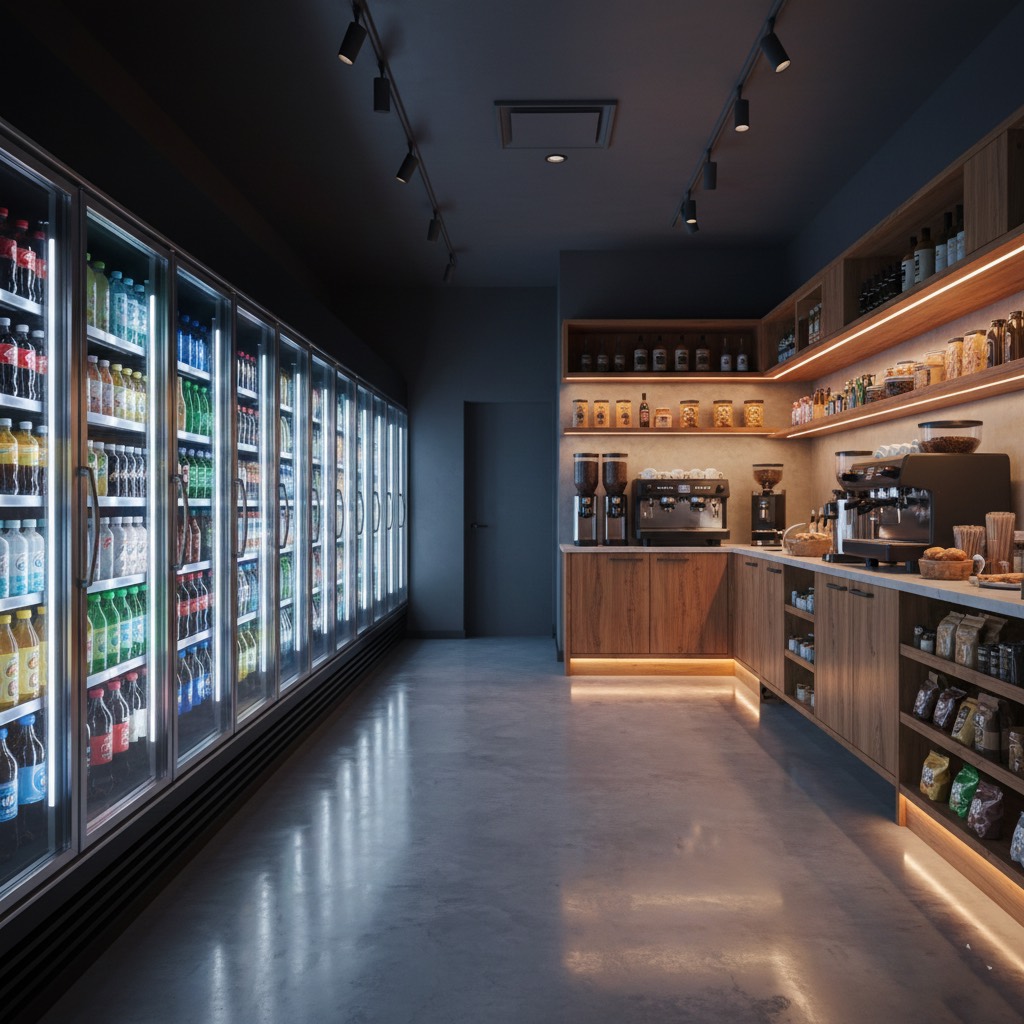
Furthermore, humans naturally gravitate toward contrast. A store with uniform, flat, fluorescent lighting is boring and feels clinical, or worse, like a warehouse. By using a combination of bright ambient light and focused “spotlighting” (accent lighting) on high-margin items or new promotional graphics, you create a visual hierarchy. You are essentially “pointing” at what you want the customer to buy without saying a word.
The Olfactory and Auditory “Rhythm”

Never underestimate the power of a “nose-friendly” environment. Scent is the only sense with a direct link to the amygdala and hippocampus, the areas of the brain processed for emotion and memory. The smell of freshly brewing coffee or baked goods should be an intentional part of your marketing, not a happy accident. If a customer walks in and smells floor stripper or old grease, their “food brain” shuts off immediately.
Similarly, background music serves as the “unseen rhythm” of the shopping experience. Science shows that fast-tempo music encourages quicker movement, which is great for clearing a line during a morning rush. However, slower tempos invite customers to linger, explore premium aisles, or enjoy a meal in your seating area. Your “vibe” should shift with the clock to match the needs of your guests.
What You Should Be Doing
Sensory Optimization
To turn your store from a “stop” into a “destination,” you need to audit your sensory output. Here is how to start:
- Audit Your Lighting Today: Walk your floor and replace any flickering or dim bulbs immediately. If your foodservice area looks “washed out,” consult with a pro about high-CRI LED fixtures that make your food colors pop.
- Coordinate Your Material Palette: Ensure your cabinetry finishes and countertop colors match your brand’s personality. If you are a premium brand, stay away from loud, clashing primary colors that can cause “visual noise” and anxiety.
- Manage the “Smell-scape”: If your store smells primarily of cleaning chemicals, you are deterring high-margin food sales. Use localized scent triggers, like moving your coffee grinding station closer to the entrance, to reset the customer’s expectations the moment they walk in.
- Layer Your Sound Environment: Avoid “dead silence,” which makes customers feel watched and uncomfortable. Use a moderate, curated playlist to keep them in a “discovery” mindset.
- Use Visual “Pops” Strategically: Use high-contrast graphics and spot lighting on your most profitable endcaps to draw the eye away from lower-margin utility items.
The Bottom Line: Moving from Feeling to Flow
When you get the sensory mix right, you trigger an “approach” response in the human brain rather than an “avoidance” response. You’ve successfully made the customer feel safe, welcomed, and, most importantly for your bottom line, hungry and curious. By modulating the light, color, and scent, you aren’t just “decorating”; you are engineering a mood that leads to higher sales.
However, a great “vibe” is only half the battle. You can have the most beautiful, best-smelling store in the world, but if the customer can’t find the milk or feels trapped in a corner, the experience fails. A great atmosphere needs a logical path to follow.
In our next post, we are going to dive into Spatial Engineering. We will discuss the “Rule of the Right”, why 90% of your customers instinctively turn right when they enter, and how to use “Decompression Zones” and “Racetrack Layouts” to ensure your customers see your most profitable items before they ever reach the register.
I’ll see you in Post 3, where we will master the psychology of flow and floor planning.
Want the ‘Sensory Engineering’ infographic in a printable PDF? Leave me a comment and I’ll reach out. Stay tuned for the rest of the series.

Leave a Reply