Transforming Your C-Store into a Digital Nomad HQ
In our previous deep dive into The Social Anchor, we explored how your store can serve as a hub for human connection and a sense of belonging. We looked at how layout and seating can turn a quick stop into a community cornerstone. But as we move further into 2026, a new type of customer is appearing on your lot, one who isn’t just looking for a “third place” to socialize, but a “fourth place” to produce.
Welcome to The Fourth Place: The Digital Nomad Hub. This stage of our series focuses on Autonomy. In the old model of convenience, a “long dwell time” was often a sign of a slow line or a problem. Today, thanks to the massive shift toward Electric Vehicles (EVs) and remote work, dwell time is your greatest untapped asset. We have moved from the “Home Annex” (Security) to the “Work Accelerator” (Competence) and through the “Social Anchor” (Belonging). Now, we are addressing the “tethered” customer.
As EV charging becomes the standard, the traditional five-minute liquid fuel stop is being replaced by the 20- to 35-minute “power-up.” If a customer is tethered to your parking lot for half an hour, they are looking for more than a bag of chips; they are looking for a functional workspace. If you don’t provide the environment for them to be productive, they will sit in their cars, scrolling on their phones, while your store remains empty.
In this post, I’m going to show you how to stop “selling electrons” and start “monetizing dwell time.” We will explore how to blend physical comfort with digital utility to create a “Phygital” service scape that captures the mindshare, and the wallets, of the modern mobile workforce. By the end of this article, you’ll see why a few strategic changes to your cabinetry and floor plan can transform your store from a utility stop into a digital destination.
The New Reality of the “Tethered” Customer

As an industry expert who spends every day looking at how cabinetry, equipment, and graphics shape the customer journey, I see a massive opportunity in the EV revolution. The data is clear: EV drivers are 45% more likely to enter your store than traditional gas customers. Even better? Their average food spend is 25% higher.
They aren’t just “stopping by”; they are “moving in” for a short duration. They are often bored, likely need a clean restroom, and almost certainly need reliable Wi-Fi. This is where you win the “Mindspace.” When a customer takes a photo of their “work-from-c-store” setup, complete with a premium coffee and a clean, modern counter, and posts it to social media, your brand has successfully transitioned from a commodity to a partner in their digital lifestyle.
Creating the “Phygital” Servicescape

To cater to the digital nomad, you must master the “Phygital” approach, the seamless blend of physical infrastructure and digital convenience. This isn’t just about putting a desk in a corner; it’s about intentional design.
Acoustic Management: For a nomad, a “dealbreaker” isn’t a long line; it’s background noise. If they have to drop out of a Zoom call because your frappe machine is too loud or your overhead music is too aggressive, they won’t come back. Consider “Quiet Pods” or integrated acoustic panels in your seating area.

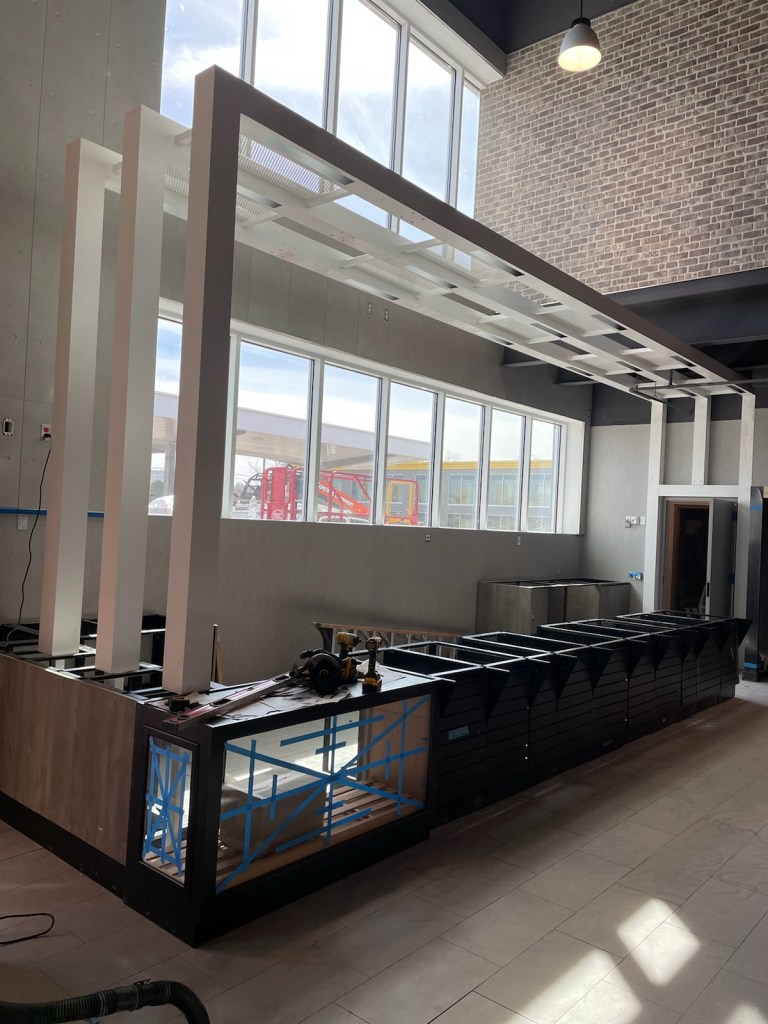
Zoning and Traffic Flow: The “Nomad Zone” needs to be separated from the high-traffic “Grab-and-Go” zones. You don’t want someone trying to finish a spreadsheet while being bumped by people reaching for the soda fountain. Using modular walls, glass partitions, or even strategically placed equipment towers can create a “Focus Zone” that feels private while remaining part of the store’s energy.
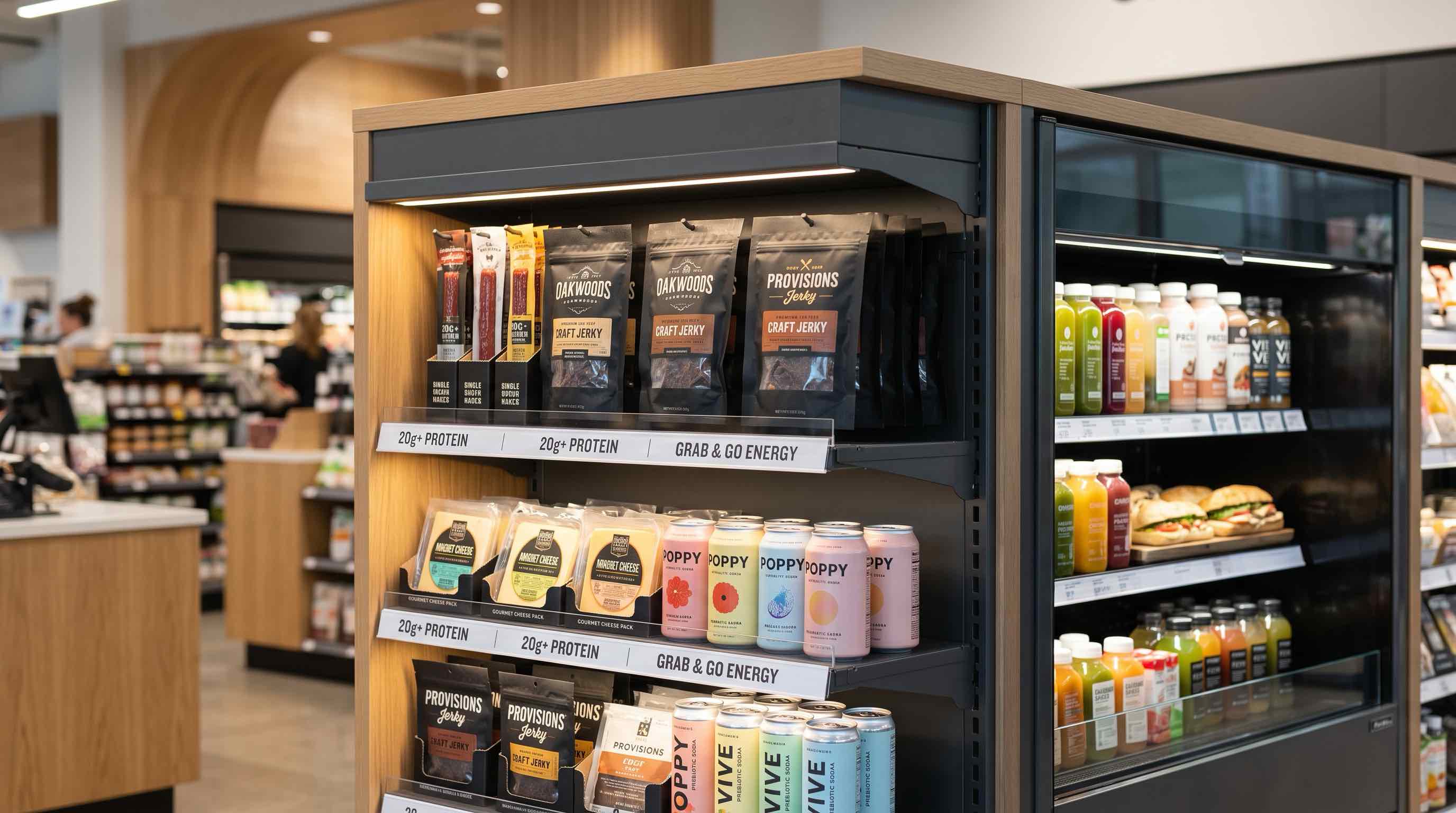
Tech-Forward Amenities: If you want to be a digital HQ, you need the “table stakes”: rock-solid, high-bandwidth Wi-Fi and accessible power. But to truly lead, consider smart-vending for tech accessories (chargers, earbuds, or screen wipes) and Amazon lockers. These amenities give the customer more reasons to step away from their vehicle and into your environment.
What You Should Be Doing
1. Designate and Design a “Nomad Zone”
You don’t need a multi-million dollar remodel to start capturing this audience. You just need to be intentional with your current footprint.
- Audit your floor plan: Identify a lower-traffic corner that can be shielded from the main entrance noise.
- Invest in “Work-Ready” cabinetry: Replace standard cafe tables with ergonomic heights and, most importantly, integrated power outlets and USB-C ports.
- Create visual privacy: Use frosted glass partitions or high-backed booth seating to give workers a sense of “office” privacy without losing the store’s open feel.
2. Offer “EV & Nomad” Specific Incentives
Since these customers are “creatures of habit” and tech-savvy, your loyalty program needs to speak their language.
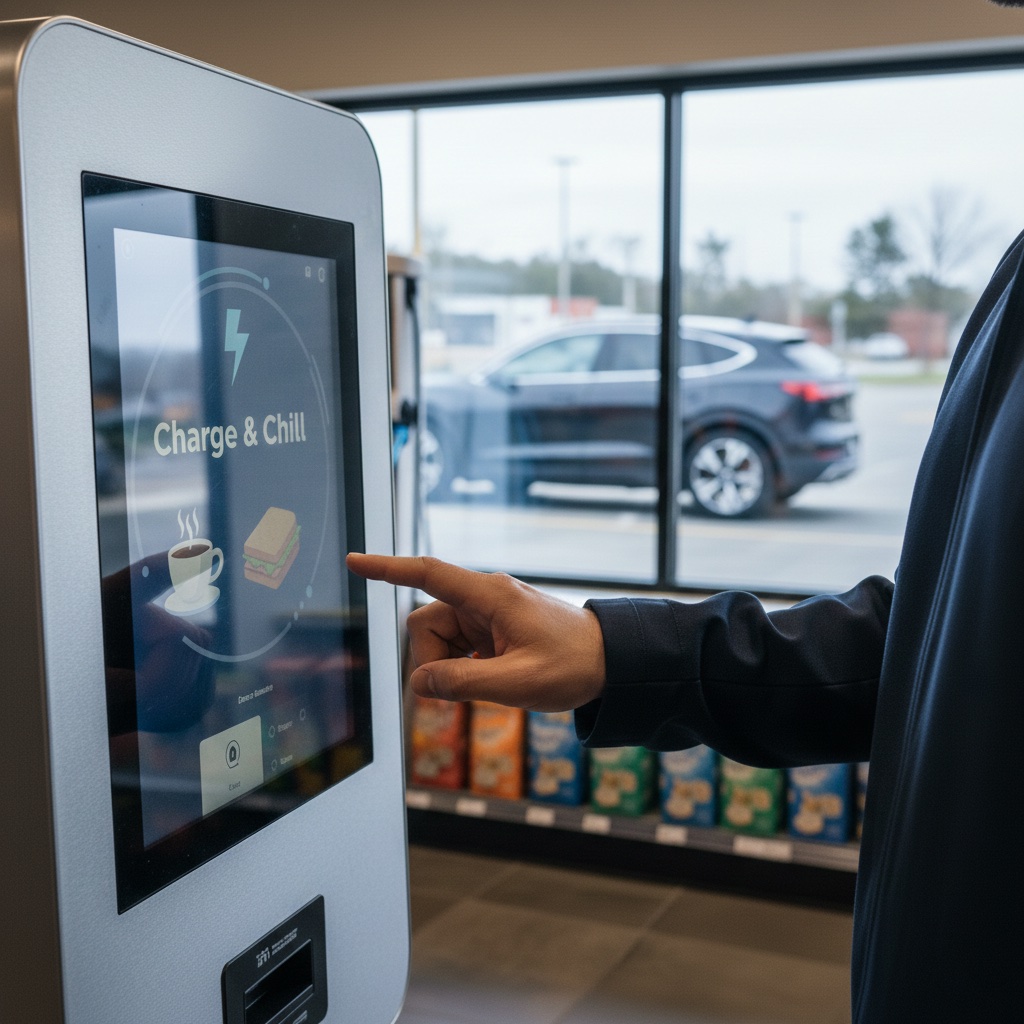
- The “Charge & Chill” Combo: Create a high-margin bundle (e.g., a premium sandwich and a functional energy beverage) that is specifically promoted to those using your EV chargers.
- Timed Rewards: Use your app to offer a “Second Cup” discount that triggers 20 minutes after their initial purchase, right when they are likely settling into their work.
- App Integration: Ensure your charging station interface prompts the user to join your loyalty program to unlock “High-Speed Guest Wi-Fi.”
3. Maximize Your Digital and Environmental Graphics
Because these customers are lingering, you have a rare gift in the c-store world: time. You have more than 30 seconds to tell your story.
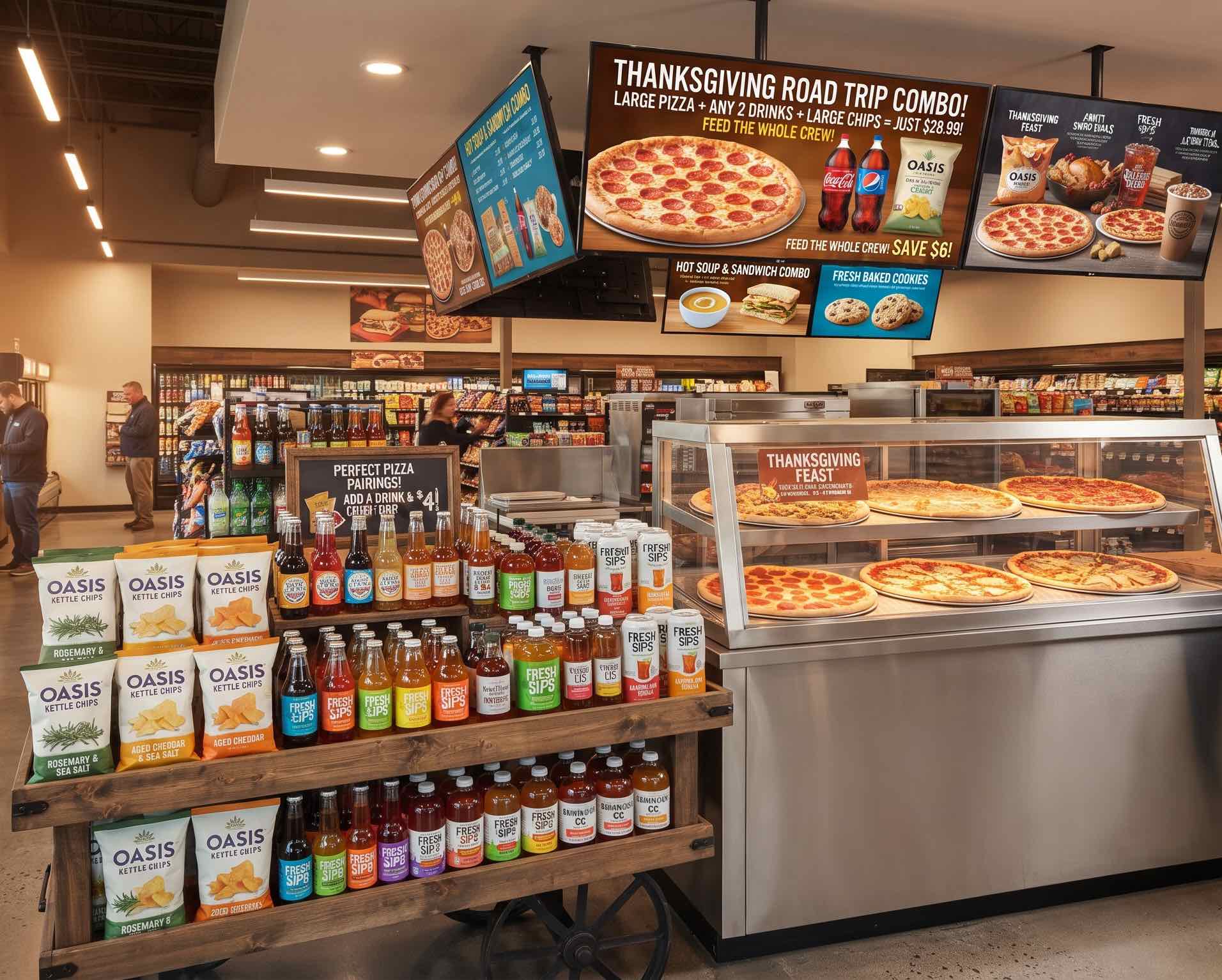
- Targeted Digital Signage: Place screens specifically in the “Nomad Zone” that rotate content relevant to their stay, perhaps promoting your “Home Annex” meal kits for them to take home after their work session is over.
- Brand Storytelling: Use wall graphics to highlight your commitment to the local community or your sustainability efforts. This audience values “Radical Transparency.”
- Functional Signage: Clearly mark your “Power Zones” and “Wi-Fi Info” so the customer doesn’t have to hunt for the basics.
The Bottom Line: From Utility to Identity
The “Digital Nomad Hub” represents a fundamental shift in how we value a convenience store’s square footage. It’s no longer just about how many people you can get through the store; it’s about how much value you can provide to the people who are in the store. By providing the tools for autonomy, power, quiet, and connectivity, you ensure that those 30 minutes of “tethered” time are spent inside your four walls, driving up basket size and brand loyalty.
As someone who works behind the scenes in store design and graphics, I can tell you that the stores winning this race are the ones that stop treating “dwell time” as a nuisance and start treating it as a product. When you give a nomadic worker a place to “land,” you aren’t just selling them a snack; you are providing them with the freedom to work from anywhere. That creates a level of customer stickiness that no gas discount can match.
But we aren’t done yet. While the Digital Nomad Hub focuses on productivity and autonomy, there is one final, highest evolutionary step for the modern c-store. It is the peak of the pyramid where your store becomes more than just a place to work, it becomes a place to heal.
Coming up next: In Part 6: Radical Transparency and Wellness: The “Fifth Place” Sanctuary, we will reach the pinnacle of our series. I’ll show you how to align your store with the deepest values of your customers through “Radical Transparency” and wellness-focused design. Get ready to turn your store into a destination for the mind, body, and soul.
See you in the next post.

Leave a Reply