The 2026 Masterclass on Operational Excellence and the Human Element
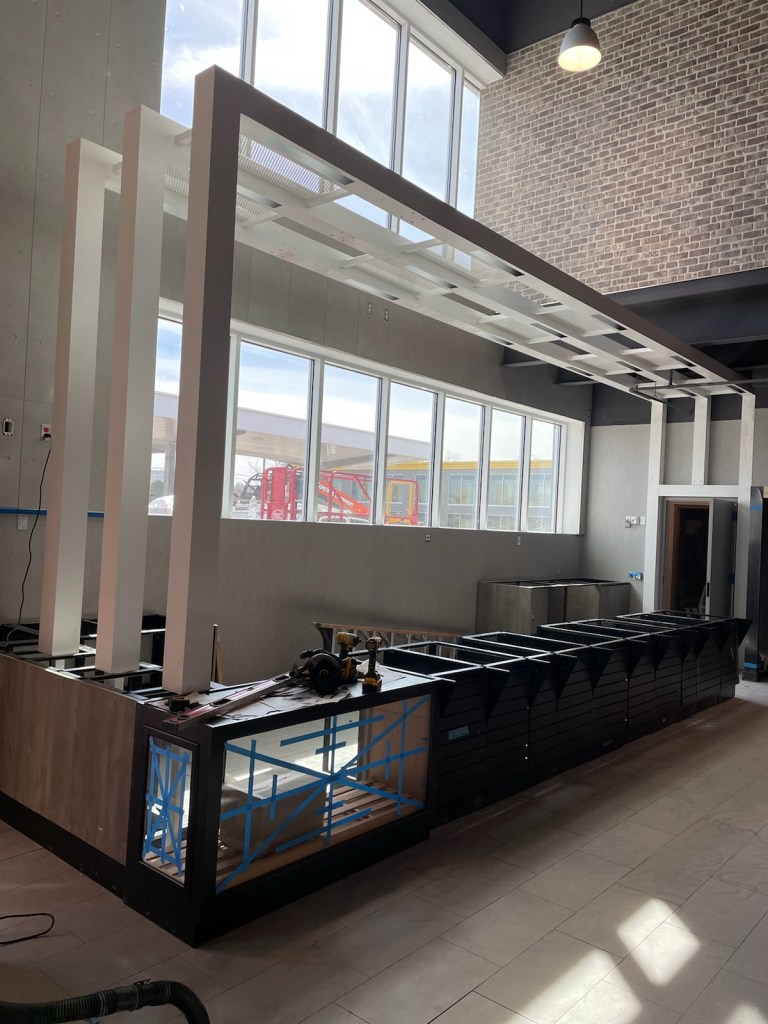
A poorly designed checkout counter creates physical strain. A cluttered, confusing promotional display creates mental fatigue for already overstretched cashiers.
We are standing in April 2026, and the old way of running a convenience store, minimizing labor costs to the bone, is no longer just a weak strategy. It is becoming a legal, financial, and operational liability. Burnout is no longer only an HR concern; it is now a business risk that affects safety, service, retention, and profitability.
If you are an owner-operator feeling the pressure of turnover, rising expectations, and thin margins, I want to show you a different path. The strongest operators in our industry are not simply cutting harder. They are building smarter. They are investing in people, designing for efficiency, and creating stores that support better performance at every level.
In this guide, I will walk you through four pillars of what I call the Human Capital Frontier. We will look at how to build psychologically safer workplaces, improve scheduling and ergonomics, and use design and innovation to reduce burnout while driving sales. By the end, you will have a practical roadmap you can use to transform your store from a transactional stop into a destination that drives higher foot traffic, larger basket sizes, and stronger long-term profitability.
The Foundational Landscape
The convenience retail industry has reached a turning point. The old cycle of low wages, minimal training, and constant turnover is not just inefficient anymore. It is increasingly incompatible with the realities of modern retail.

Mental health is now a business issue
For decades, most operators thought of workplace safety in physical terms: slips, falls, lifting injuries, food safety, and theft prevention. That is still true, but it is no longer enough. Today, chronic stress, burnout, harassment, and emotional overload are part of the same conversation.
That matters because the convenience store environment is uniquely demanding. Your team is dealing with fast transactions, time pressure, unpredictable customers, late-night shifts, security concerns, and constant interruptions. When those stressors stack up without support, the result is lower morale, weaker service, and higher turnover.
As an operator, that means psychological safety is no longer optional. It is part of building a store that performs well and avoids unnecessary risk. If your team does not feel supported, they will not stay engaged for long.
The economics have changed
Many owners worry that paying more will erode profit. In reality, the opposite is often true. The best operators understand that labor is not just a cost center. It is a performance engine.
When you pay better, train better, and retain better people, you reduce the hidden costs that quietly drain your business:
- Rehiring.
- Repeating training.
- Error correction.
- Shrink.
- Poor customer experiences.
- Missed upsell opportunities.
A stronger team works more accurately, serves customers more confidently, and handles pressure with more consistency. That is where labor starts generating return instead of simply consuming budget.
Burnout affects the customer experience
This is where many operators underestimate the cost of burnout. A burned-out employee is not just tired. They are less likely to greet guests warmly, less likely to stay attentive, and less likely to create the kind of experience that drives loyalty.
In convenience retail, those small moments matter. A warm greeting, a clean checkout area, a fast recommendation, or a confident foodservice order can all influence basket size and repeat visits. When employees are emotionally drained, those moments disappear.
What You Should Be Doing
- Conduct a psychosocial risk audit to identify your store’s biggest stress points.
- Review scheduling patterns, solo shifts, and peak conflict periods.
- Reframe labor as an investment, not just an expense.
- Start regular check-ins with your team about workload, pressure, and safety.
- Use your safety huddles to normalize conversations about burnout and support.
Strategic & Operational Execution
Once you understand the “why,” the next step is the “how.” Strong stores do not rely on good intentions alone. They build systems, layouts, and routines that make good performance easier to sustain.
Rethink the workweek

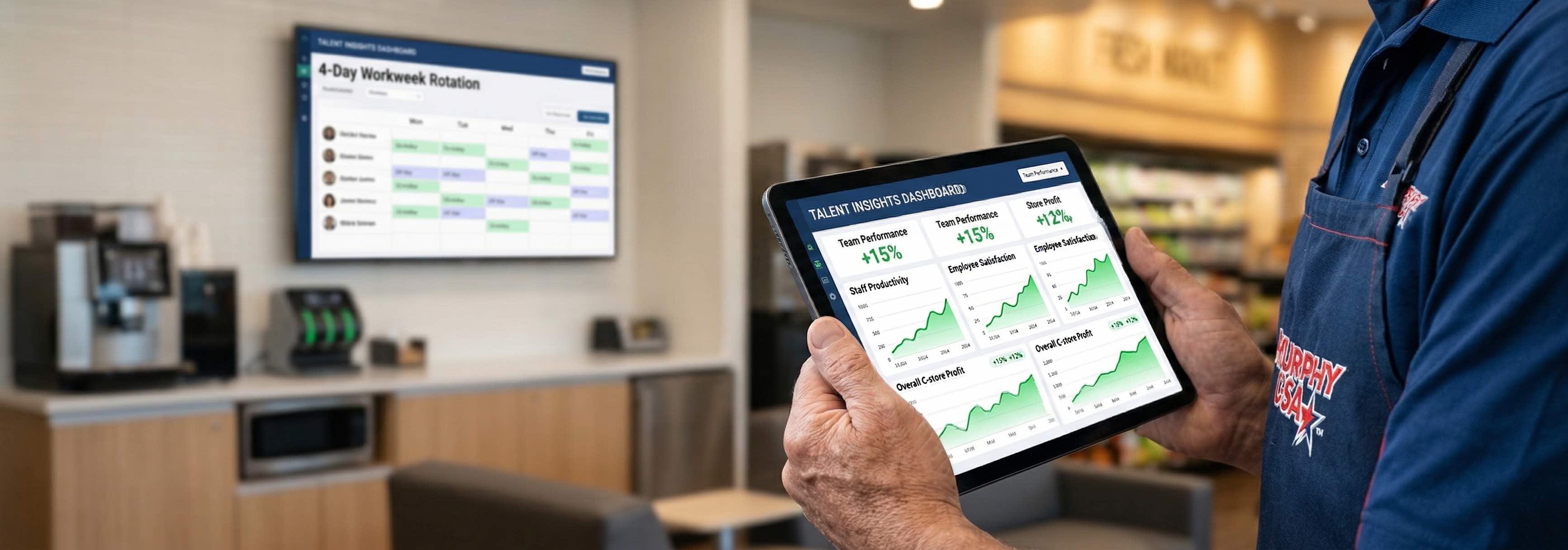
The traditional five-day schedule is not always the best fit for convenience retail. In some stores, compressed schedules can improve retention, attendance, and morale by giving employees more predictable time away from work.
For high-performing staff, a four-day, ten-hour schedule can be attractive because it creates longer recovery time and more flexibility for personal responsibilities. In a 24/7 business, that may not work everywhere, but elements of schedule flexibility can still improve the employee experience.
The key is fairness and predictability. If your team never knows when they are working, the stress compounds quickly. If your schedule is stable, transparent, and thoughtfully managed, your store becomes easier to staff and easier to run.
Design for less fatigue
As an industry partner, I cannot stress this enough: physical fatigue drives mental fatigue. If your team is standing for prolonged periods, reaching constantly, bending repeatedly, or working in awkward positions, they will burn out faster.
Simple equipment and design upgrades can make a real difference:
- Anti-fatigue mats at checkout and prep zones.
- Spring-loaded shelving to bring product to the front.
- Adjustable work surfaces for back-room and prep tasks.
- Computer carts on wheels for flexible station work.
- Better counter heights to reduce unnecessary strain.
These are not cosmetic upgrades. They are operational tools. When employees move more comfortably, they work more efficiently and with less frustration.
Simplify the store experience
Too many promotions, too many tools, and too many competing priorities create confusion. When staff have to manage too much at once, execution suffers.
The best operators simplify where they can:
- Reduce low-value tasks.
- Limit the number of concurrent promotions.
- Standardize routines.
- Train the team to handle exceptions with confidence.
- Build enough staffing flexibility to handle rushes without panic.
This is where operational discipline creates speed. A clean, simple store is not just easier for customers to shop. It is easier for employees to run.
Cross-train and empower
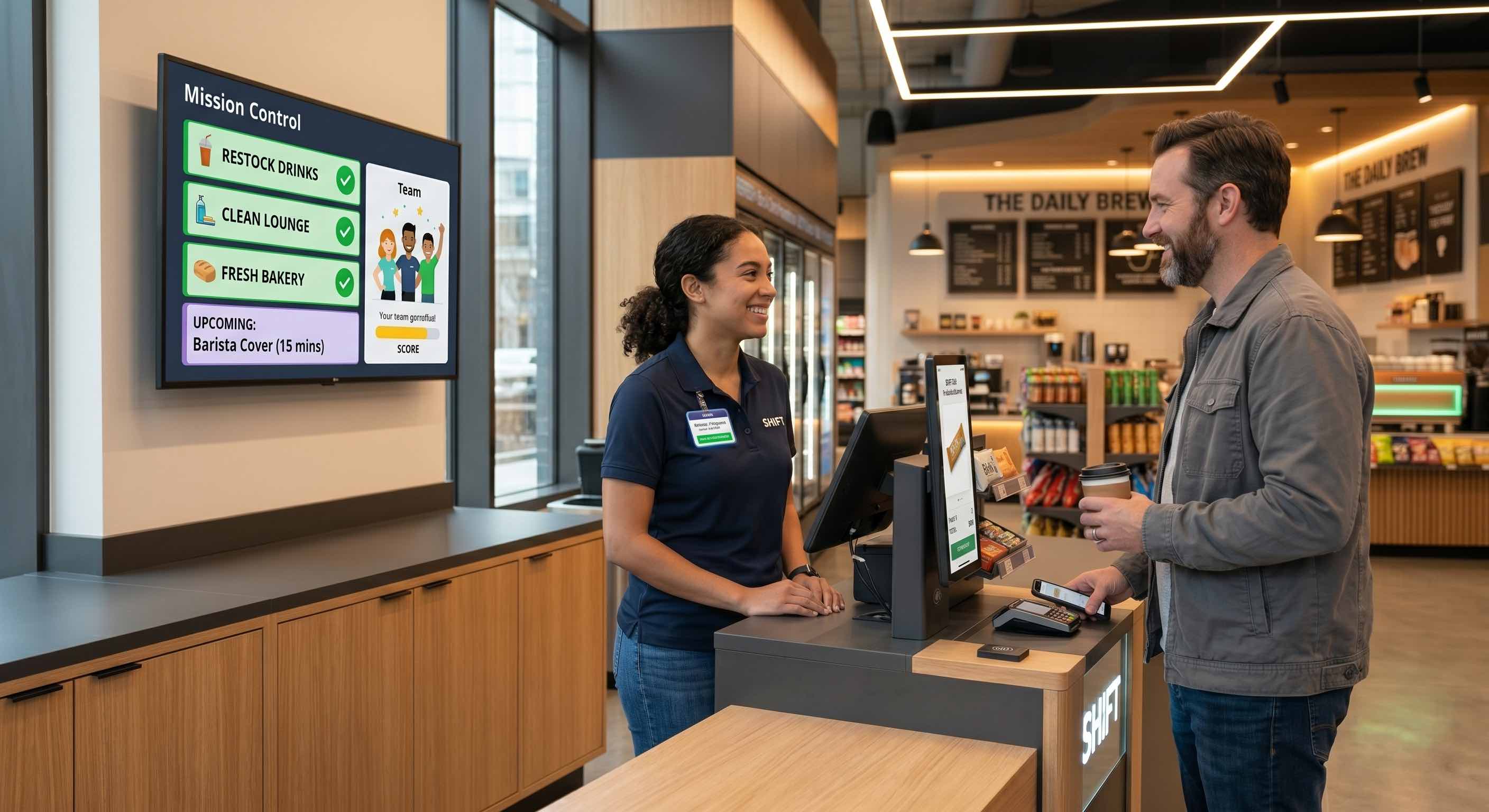
A cashier-only role is often a waste of talent. If your team can be cross-trained across cashiering, foodservice, stocking, cleaning, and merchandising, they become more valuable and more engaged.
Cross-training also gives your team something important: variety. Repetition without growth leads to boredom. Variety with structure builds confidence. That matters in a business where motivation and consistency are everything.
Empowerment matters too. If every small decision requires manager approval, the store slows down. A strong team should know how to solve routine customer problems without waiting for permission.
What You Should Be Doing
- Pilot schedule flexibility with your most reliable employees.
- Audit your store for stooping, reaching, and unnecessary physical strain.
- Add ergonomic upgrades where your team spends the most time.
- Simplify promotions and reduce operational clutter.
- Cross-train employees so they can shift between tasks during slower periods.
- Give staff clear authority to resolve small customer issues on the spot.
Innovation & Profit Maximization
Once the foundation is stronger, the payoff starts showing up in the numbers. Better operations do not just improve morale. They improve revenue, shrink control, customer loyalty, and category performance.
Experience drives willingness to spend

In today’s retail environment, customers have more options than ever. If your store feels fast, clean, welcoming, and reliable, you have a competitive edge that customers notice immediately.
Great service creates a premium experience. That premium can influence what customers are willing to pay, how often they return, and how much they add to the basket. In other words, the human element still matters, a lot.
The convenience stores that win are not always the cheapest. They are the easiest to trust and the most pleasant to visit.
Engagement reduces loss
Shrink is often treated as a security problem, but it is also an engagement problem. Teams that are invested in the business tend to notice problems sooner, handle product more carefully, and follow processes more consistently.
When employees care, they are more likely to:
- Check inventory accurately.
- Rotate product properly.
- Notice spoilage sooner.
- Keep displays full.
- Catch issues before they become losses.
That is why better team culture often leads to better operational results.
Foodservice is the growth engine
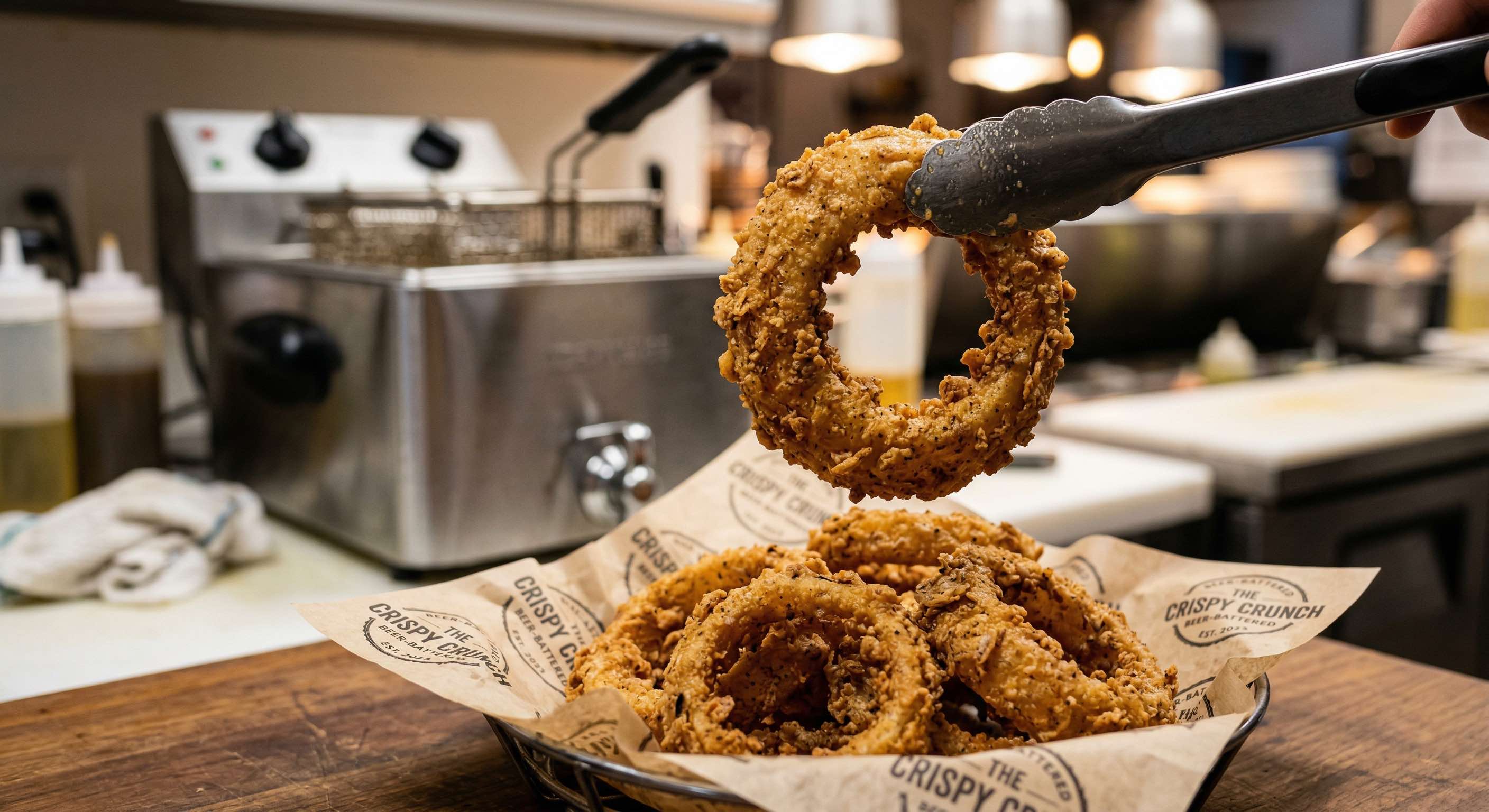
Foodservice continues to be one of the most important areas of growth in convenience retail. It drives higher margins, stronger traffic, and more reasons for shoppers to choose your store over a competitor.
But foodservice only performs well when execution is strong. Customers want speed, consistency, freshness, and customization. That requires employees who are trained, supported, and proud of what they make.
If your store wants to win in foodservice, the operation has to feel organized and the team has to feel confident. Great food in a disorganized environment does not scale well.
Community matters more than ever
Convenience stores are local businesses, and local relevance still matters. Stores that participate in community events, school partnerships, local sponsorships, and neighborhood activities build stronger emotional loyalty than stores that remain purely transactional.
People remember the store that shows up. They remember the store that supports their town. And they remember the store that feels like part of the community, not just another stop along the way.
This is one of the most underrated forms of brand building in the industry.
What You Should Be Doing
- Reward employees for reviews that mention great service by name.
- Use microlearning or AI-supported training to keep skills fresh without pulling people off the floor.
- Improve foodservice execution with better systems, cleaner layouts, and smarter equipment.
- Focus on freshness, consistency, and visible pride in prepared foods.
- Sponsor or host a local community event to increase store goodwill and brand presence.
- Build a store experience people are happy to pay for, not just tolerate.
The Executive Action Plan
Real change does not happen all at once. It happens in phases, with clear priorities and measurable progress. If you want to move from theory to action, this is the roadmap.
First 90 days: assess and simplify
Start by understanding where your biggest problems are. You cannot fix what you have not identified.
In the first month, gather honest feedback from your team. Use anonymous surveys if needed. Look for the biggest pain points in scheduling, workload, layout, customer behavior, and training gaps.
In the second month, make small but visible improvements. Add anti-fatigue mats, improve workstation heights, and remove obvious physical friction from the store.
In the third month, simplify promotions and workflow. Cut low-value tasks that consume time without creating value. Give your team room to breathe.
Months 4 to 8: test and pilot
This is the time to experiment carefully. You do not need to redesign the whole store overnight. You need to test what works.
Pilot one scheduling change with a reliable team. Introduce cross-training where it will have the most immediate effect. Consider career pathing so employees can see that the job can lead somewhere meaningful.
You should also start building community visibility. Join local business organizations, support a community initiative, or sponsor an event that gets your name in front of the right people.
Months 9 to 12: scale what works
By this point, you should have enough data to make stronger decisions. If turnover improves, shrink improves, and customer experience improves, use those gains to invest further in the people and systems driving the results.
That may mean adjusting wages, expanding empowerment, or formalizing new operational standards. It should also mean measuring basket size, guest feedback, and team stability against your original baseline.
The important thing is to treat this as a cycle. Better systems create better people performance. Better people performance creates better customer experience. Better customer experience creates stronger profit. That is the virtuous cycle worth building.
What You Should Be Doing
- Commit to one clear change in the next 30 days.
- Track the impact of that change before adding another.
- Staff with enough margin to keep the store functioning well under pressure.
- Give employees tools and authority to solve problems quickly.
- Publicly recognize improvements in service, cleanliness, and execution.
- Measure results across labor, customer experience, and sales, not just payroll.
The Bottom Line: The New Frontier of Convenience Retail
The convenience store of the past was built on constant pressure, lean staffing, and the idea that labor should always be reduced. The convenience store of 2026 is built on something stronger: the human element.
As an industry partner, I see the difference every day. Stores that invest in their people operate more smoothly, present better, serve faster, and earn more trust from the communities they serve. Their floors are cleaner, their lighting feels brighter, their service feels more polished, and their bottom lines are healthier.
This is not about choosing between people and profit. It is about understanding that the right investment in people creates better performance across the entire store.
If your team feels safe, valued, and physically supported, they stop watching the clock and start watching the customer. They become problem-solvers instead of placeholders. They become brand ambassadors instead of just cashiers.
The roadmap is clear. The opportunity is real. The only question is whether you are ready to stop managing costs and start leading people.
Leave a Reply