
A Seven-Part Roadmap to the Convenience Store of 2026
Welcome to the first installment of our exclusive series on the future of convenience retail. I’m excited to go on this journey with you as we explore a radical shift in how we think about our businesses. Over the next seven posts, we are going to dive deep into a framework that will transition your store from a simple “stop-over” to a “must-visit” destination.
The reality of 2026 is clear: the convenience store industry is at a major crossroads. We recently saw a slight contraction in the total number of stores, down 0.2% to roughly 151,975 locations. While that might sound like a small dip, it signals a massive structural change. We have one store for every 2,257 people in this country, and competition is no longer just the guy across the street; it’s the changing habits of the consumer.
I’ve been watching the numbers closely, and the days of relying solely on fuel and cigarettes to keep the lights on are fading. While fuel-selling locations actually hit an eight-year high recently, the total volume of liquid fuel is facing long-term pressure as electric vehicles (EVs) begin to take up more road space. In fact, total store transactions have seen a decline of about 1.5% in recent periods, and even though basket values are up, we are having to work much harder at the pump just to stay in the black.
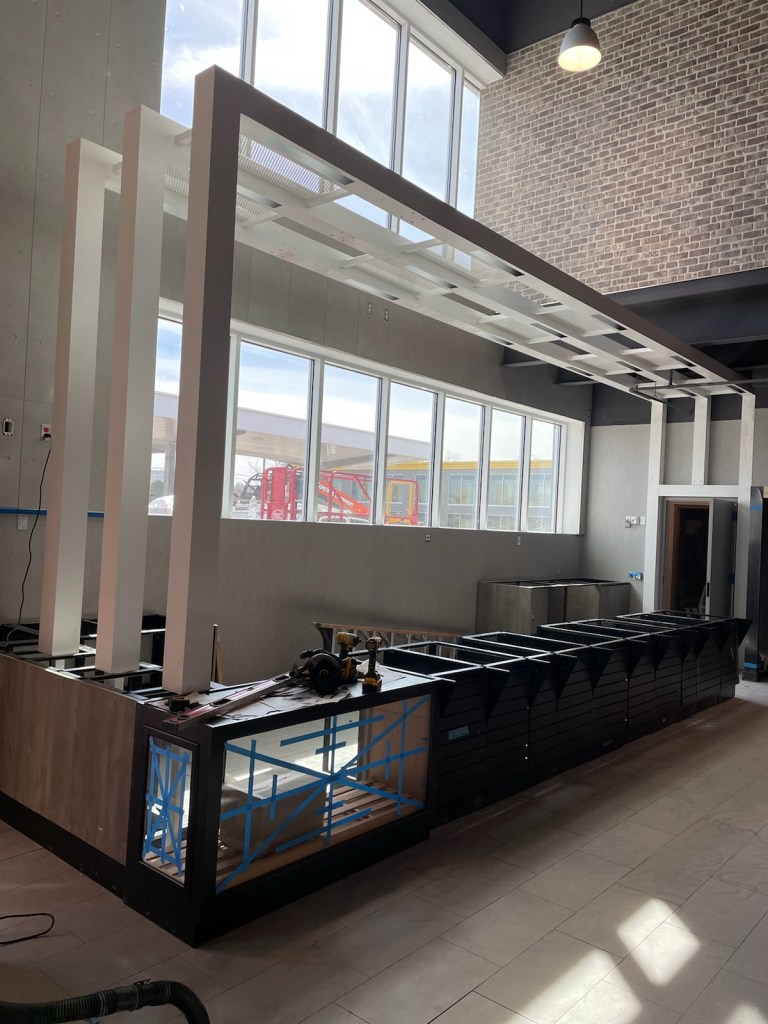
So, what is the answer? It’s not about building more boxes but about what is happening inside them. We are moving “from gas to gourmet.” Today, a staggering 92% of consumers say food and drink, not fuel, are the primary reasons they pull into a c-store. In this series, I am going to introduce you to the Strategic Architecture of the Five Places. This is a multi-faceted perspective that combines retail psychology, brand development, and innovative marketing to help you win the hearts (and wallets) of the 2026 consumer. We aren’t just selling products anymore; we are curating a lifestyle and solving human problems.
Here is what we’ll be covering in this series:
- Part 1 (Today): The State of the Industry and the “Inside-Out” Revolution.
- Part 2: The First Place: The “Home” Annex, Solving pantry emergencies.
- Part 3: The Second Place: The “Work” Accelerator, Becoming a partner in productivity.
- Part 4: The Third Place: The Social Anchor, Building community and belonging.
- Part 5: The Fourth Place: The Digital Nomad Hub, Monetizing the EV charging wait.
- Part 6: The Fifth Place: The Transformative Sanctuary, Aligning with customer values.
- Part 7: Series Summary: Your Action Plan for 2026.
I’m here to help you move from your customer’s pocket (the transaction) to their heart (their values). Let’s get started.
The 2026 Landscape: Why “Convenience” is No Longer Enough

You’ve been in this business a long time, and you know that “convenience” used to mean a quick in-and-out. But the 2026 consumer has a different definition. For them, convenience is about relevance. The industry is seeing a shift where larger players are using acquisitions to expand their footprint and boost foodservice, while smaller operators, who still own 63% of all stores, are feeling the pressure to modernize or exit.
The Psychology of the Modern Shopper
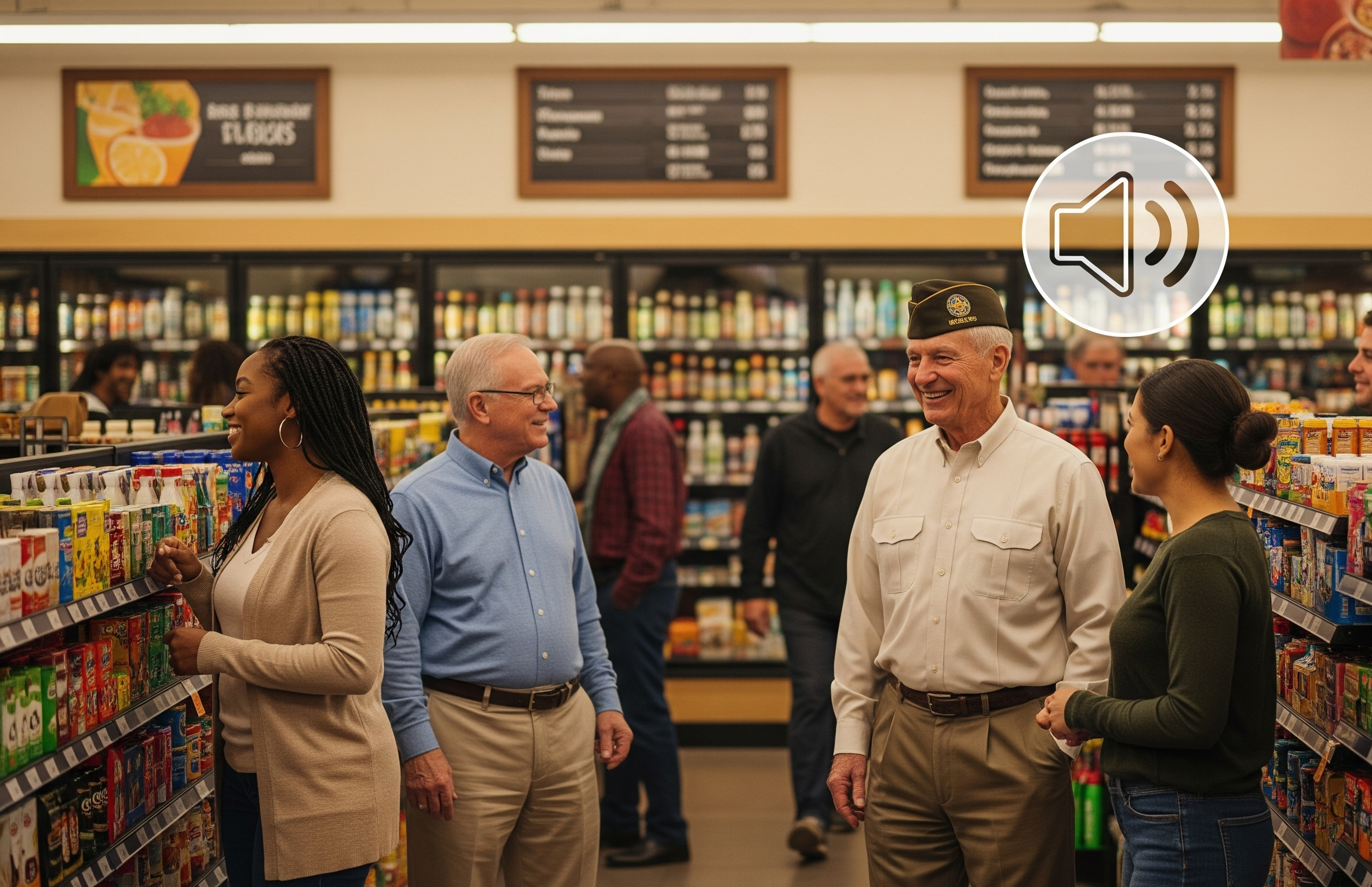
When we examine this space, we have to look through a psychologist’s lens. Why does a customer choose you? It’s often about “Commercial Friendship,” the social support and rapport they find with your staff. We know that for many of our customers, especially older demographics, a quick chat with a clerk might be their only human interaction of the day. That is “social capital” that big-box retailers can’t easily replicate.
However, we also must respect the “Flow State.” When a busy professional stops in for a 3:00 PM brain boost, they need zero friction. If your counters are messy or your checkout is slow, you’ve broken their momentum and created resentment toward your brand. In 2026, you must be a master of both: the high-touch social connection and the high-speed digital experience.
The “Inside-Out” Growth Strategy
The data shows that foodservice and in-store sales are the real drivers of growth now. While average fuel price declines can hurt your top-line revenue, your inside sales, specifically prepared foods, offer the higher margins needed to offset fluctuating fuel profits. Brands like Kwik Trip have shown us the way by focusing on quality, innovation, and “authentic connection.” They ripen their own bananas and bake their own bread because they know that freshness is a trust-builder. To win in this environment, you need to think of your store as a “fluid ecosystem” that adapts to the human clock. This brings us to the core framework of our series: The Five Places.
The Five Places Framework
| Place Identity | Psychological Need | Marketing Strategy |
| 1st Place (Home Annex) | Security | “Your Local Pantry” – Replenishment |
| 2nd Place (Work Accelerator) | Competence | “The Professional Fueler” – Efficiency |
| 3rd Place (Social Anchor) | Belonging | “The Neighborhood Porch” – Connection |
| 4th Place (Digital Nomad Hub) | Autonomy | “The Nomad’s HQ” – Productivity |
| 5th Place (Transformative Sanctuary) | Purpose | “The Values Partner” – Wellness |
Monetizing Dwell Time

One of the biggest shifts we will discuss later in the series is the rise of the “Digital Nomad.” With more EVs on the road, customers are “tethered” to your site for 20 to 35 minutes while they charge. This isn’t a threat; it’s a massive opportunity to monetize boredom. If someone is sitting there for half an hour, they aren’t just looking for gas; they want a clean restroom, free Wi-Fi, and a high-quality food offering.
What You Should Be Doing Now
- 1. Audit Your Current “Place” Identity Before you can grow, you need to know who you are to your community. Spend a day observing your customers. Are they mostly “Work Accelerators” looking for a fast nitro cold brew to stay in their flow state? Or are you a “Home Annex” where neighbors come because they ran out of eggs in the middle of a recipe?
- The Action: Identify which of the “Five Places” generates your most loyal foot traffic.
- 2. Prioritize “GUEST” Training Relationship marketing costs five times less than acquiring new customers. I recommend the “GUEST” acronym: Greet, Understand, Eye Contact, Speed of Service, and Thank You.
- The Action: Train your staff to “make friends, not transactions.” Authentic kindness is a competitive advantage that costs you zero dollars but builds massive emotional trust.
- 3. Focus on “Hero Ingredients” Since 92% of people are there for food, your “Hero Ingredients” must be top-notch. You don’t need a 50-page menu; you need one thing you do better than anyone else, whether it’s the freshest coffee or a proprietary sandwich.
- The Action: Evaluate your foodservice. If it’s not “gourmet,” it’s time to upgrade your menu consistency and quality.
- 4. Optimize Your Local SEO If a customer is looking for “fresh coffee near me,” you need to show up. 2.7x more customers consider a business reputable if they have a complete Google Business profile.
- The Action: Claim your Google Business profile, add high-quality photos of your storefront and your “hero” food items, and respond to every review, good or bad.
The Bottom Line: Ready for the Next Step?
The c-store of 2026 is no longer a box that sells gas; it’s a destination that satisfies human needs. We’ve seen that while store counts are slightly down, the opportunity for inside profit is higher than ever for those willing to innovate. By understanding the psychology of your shoppers and building authentic “commercial friendships,” you can ensure your store remains a necessity in their daily lives.
In this first post, we’ve set the stage for why this transformation is essential. We’ve looked at the macro-trends and the psychological foundations of the destination store. We’ve seen that the transition from a “transitional” stop to a “destination” requires a shift in how we view the internal space of the store. By focusing on the “Inside-Out” revolution, we can tap into the 92% of consumers who are visiting us for reasons beyond the fuel pump.
We are no longer in the business of just selling gallons and packs; we are in the business of time and experience. Whether it’s the 30 seconds a customer spends grabbing a coffee or the 30 minutes an EV driver spends at a charger, every moment is an opportunity to prove your value. This framework is your roadmap to capturing that value and future-proofing your business against the shifts in the automotive and retail landscapes.
Coming up next: We dive into Part 2: From Corner Store to Community Pantry: Mastering the “Home” Annex. I’ll show you exactly how to position your store as the reliable neighbor that solves “pantry emergencies” and reduces the mental load of your customers. We will explore how to curate your inventory to serve as the local community’s secondary pantry, ensuring you are the first place they think of when they need a quick household fix.
I’ll see you in the next post. Let’s build something great together.

Leave a Reply