
A 2026 Guide to September Food Holiday Planning and Space Transformation
The convenience store industry has reached a clear inflection point in 2026. Operators are no longer designing quick transactional stops, they are building community destinations. The late-summer transition into back-to-school season is one of the most consequential periods on the retail calendar, testing a store’s flow, equipment capability, and visual communication all at once.
As foot traffic shifts from high-volume summer road-trippers to loyal, routine-driven daily customers, operators who prepare their physical space and promotional calendar in advance stand to capture significant long-term gains. This guide walks through the macroeconomic landscape of convenience retail in 2026, the psychology of the modern c-store consumer, and the operational steps needed to execute five high-profit September food holidays.
The Foundational Landscape of 2026 Convenience Retail
The overall U.S. convenience store count has experienced a marginal decline of 0.2% to 151,975 active locations, reflecting margin pressures, rising labor costs, and high capital requirements. At the same time, the number of locations selling motor fuels has risen 0.6% to an eight-year high of 122,620.
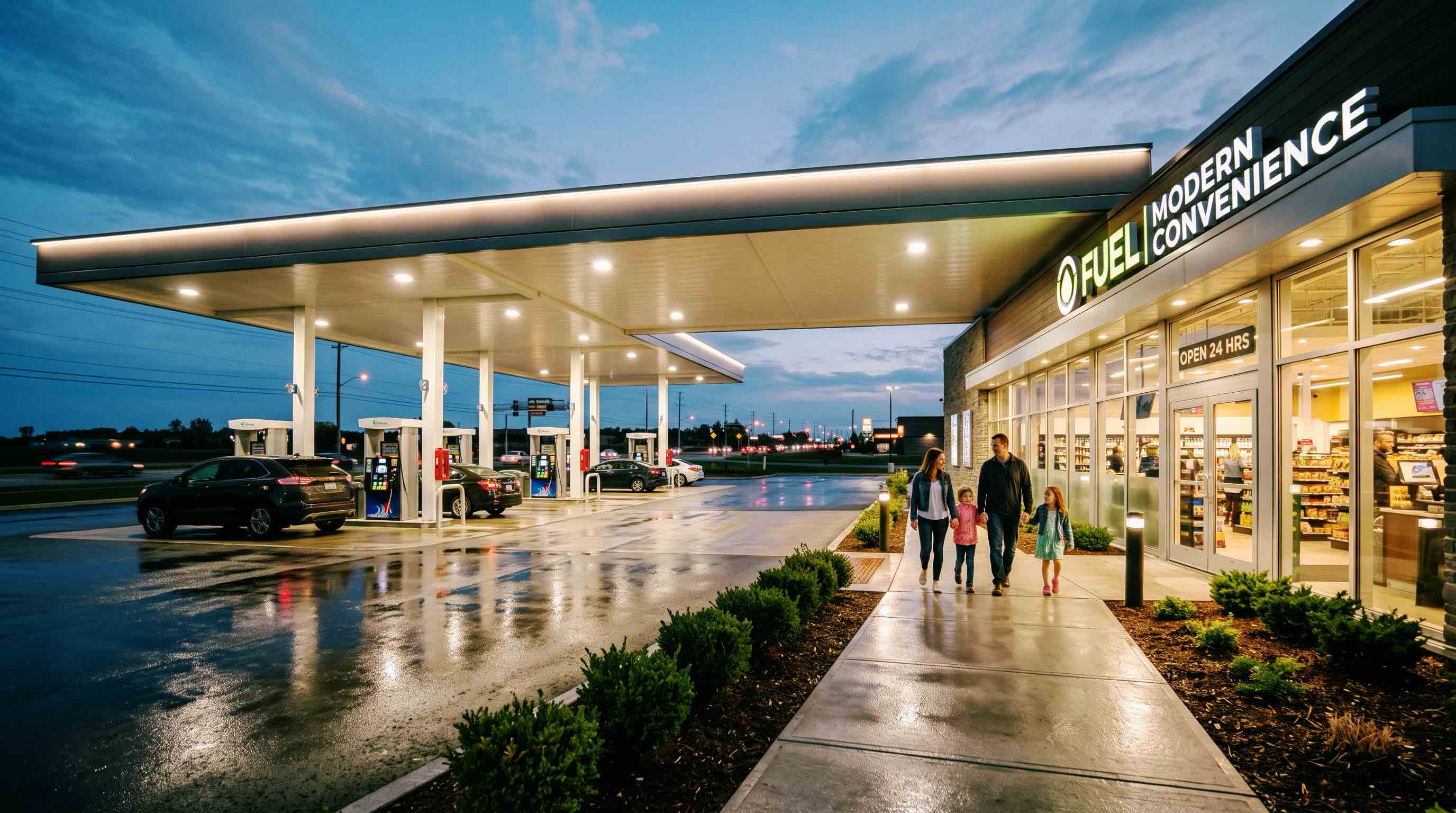
Fuel remains a vital customer acquisition tool, convenience stores sell an estimated 80% of all fuel purchased by U.S. consumers, but fuel margins alone are not sufficient to sustain a competitive operation. The pump functions best as the entry point of the customer visit, with clear sightlines, modern graphics, and compelling signage drawing fuel-only guests inside.

This structural shift coincides with a significant change in consumer perception sometimes called the “Reputation Revolution.” The historical stigma of “gas station food” has largely eroded: approximately 68% of consumers now believe convenience stores can offer high-quality, fresh prepared food that rivals traditional quick-service restaurants (QSRs). Forty percent report that c-store variety is actively improving, 35% cite gains in taste and quality, and 33% observe improved freshness. Sixty percent of operators report increased foodservice revenues, and the category now accounts for a substantial share of in-store gross margins.
Alongside this shift, convenience stores are increasingly functioning as “third places”,informal community gathering spaces. By introducing café-style layouts with comfortable seating, public Wi-Fi, and charging stations, operators encourage guests to linger, dine in, and return. This trend is reinforced by the growth of on-site EV charging: while only 6% of locations currently offer EV charging, those that do see customer dwell times extend from under four minutes (traditional fuel) to 20–30 minutes per session, time that can be converted into foodservice revenue.
Operators can track this potential using the Forecourt-to-Store Conversion Index:
Forecourt Conversion Index = (Inside Food Transactions ÷ Total Fuel Discharges) × (Average Dwell Time ÷ 3.5)
Understanding generational differences also matters for targeting. Gen Z and Millennial consumers are promotion-driven, 25% and 28%, respectively, visit c-stores specifically to find deals, compared to 12% of Baby Boomers. Younger customers also prioritize customization, bold flavors, and digital convenience; 50–60% express interest in mobile apps, scan-and-pay, and automated order pickup, versus 15–21% of Baby Boomers.
Recommended Actions:
- Walk your fuel pumps and assess whether your high-margin foodservice offerings are clearly visible through windows and signage.
- Designate a seating zone with Wi-Fi and USB charging to encourage longer dwell times.
- Add QR codes to pump-topper and in-store displays to drive loyalty app registrations.
- Prioritize cleanliness at every customer touchpoint, restrooms, food prep areas, and condiment stations.
Strategic & Operational Space Execution
Converting transient fuel guests into in-store foodservice customers requires a physical environment that feels natural, intuitive, and visually clear.

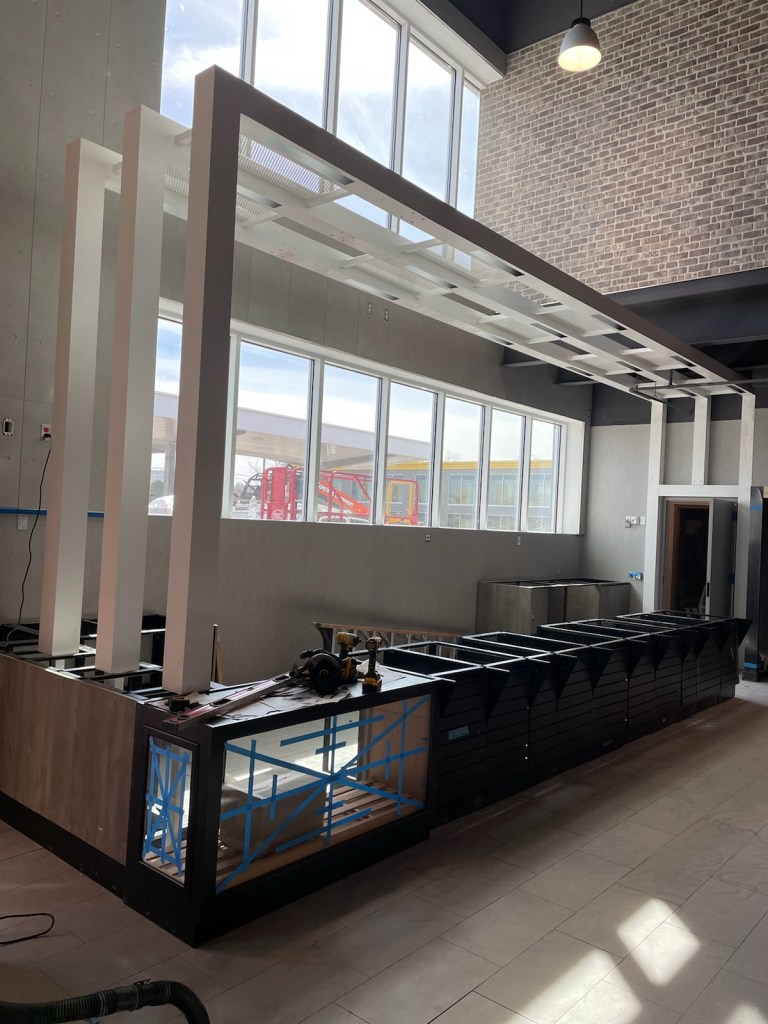
Counter design directly affects labor efficiency and speed of service. Durable, non-porous countertop surfaces, such as quartz or heavy-duty acrylic, withstand constant cleaning and heavy use. Recessed trash chutes, cup dispensers, and condiment wells built into cabinetry keep counter space organized and sanitary, which research consistently links to higher coffee and beverage sales.
Self-service ordering kiosks serve as labor multipliers, absorbing peak rush periods, improving order accuracy, and freeing staff for food preparation. Seamless integration requires dedicated cable-routing and secure mounting so the counter presents a clean, professional appearance.
Kiosk Cabinetry Integration Design:
For hot food programs, warming cabinets with independent temperature and humidity controls keep grab-and-go items at proper texture and flavor for up to four hours, reducing waste meaningfully.
Retail media networks (RMNs), dynamic digital screens at fuel pumps, entry doors, and checkout lanes, display localized, time-sensitive promotions and are associated with in-store sales lifts of 5–9%. These work best when paired with cohesive printed graphics that reinforce brand identity throughout the store.
Recommended Actions:
- Replace laminate counters with quartz or solid acrylic surfaces for improved sanitation and durability.
- Install kiosk tablets with internal cable routing for a clean ordering zone.
- Mount digital screens near the coffee bar and checkout lanes for retail media placements.
- Stock warming cabinets with transparent, tamper-evident packaging to signal freshness.
The September Food Holiday Roadmap
September’s five key food holidays offer structured opportunities to drive consistent foot traffic, build community goodwill, and grow margins through targeted promotions tied to real consumer behavior.
September 1: National Gyro Day
Gyro Day is an effective launch point for the September transition, capturing lunch and dinner traffic through globally inspired deli offerings. Younger demographics in particular seekadventurous, global flavor profiles, a trend researchers describe as “passport-free” culinary discovery.
Historically, Mediterranean menus were difficult for c-stores to execute due to labor constraints and raw meat handling. Pre-cooked Mediterranean proteins, available from several commercial suppliers, allow operators to deliver a consistent global offering without specialized kitchen training. The success of gyro-based limited-time offers at national chains points to strong consumer demand in this category.
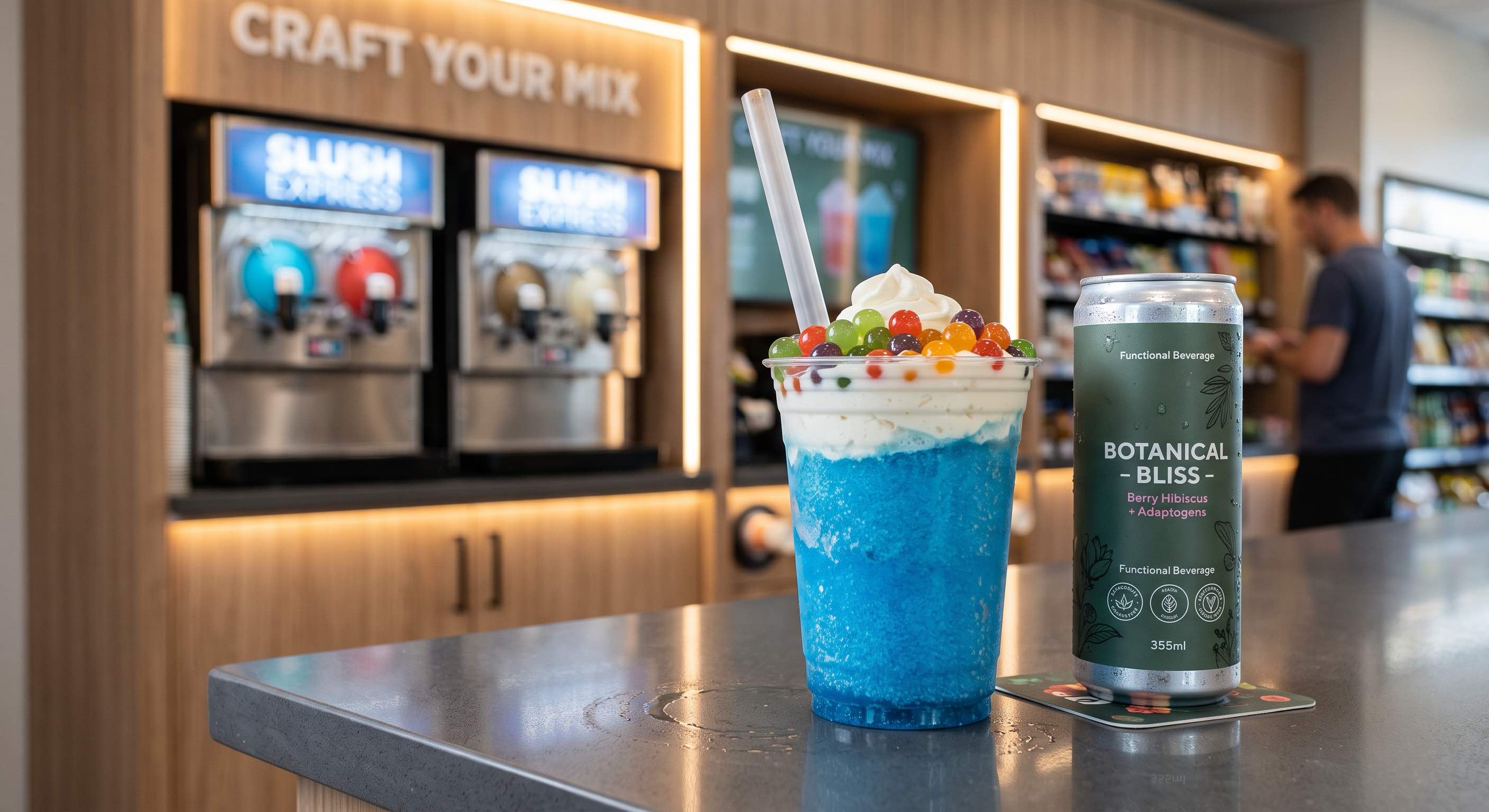
Pairing a warm pita gyro wrap with a high-margin specialty iced tea or functional beverage through a kiosk bundle manages peak lunchtime volume and improves order accuracy.
Recommended Actions:
- Install temporary high-impact banners and sneeze-guard decals highlighting Mediterranean flavors.
- Arrange your prep line so pre-cooked proteins move directly from under-counter refrigeration into a rapid-cook oven.
- Configure kiosk upsell prompts to suggest specialty beverages or pita chips alongside gyro orders.
September 16: National Guacamole Day
Guacamole Day aligns well with growing demand for fresh, transparent, health-forward foods. High-pressure pasteurized, pre-made guacamole products eliminate the labor and food safety concerns of in-store avocado preparation, oxidation and knife handling, while delivering consistent quality and a longer shelf life.
Portion-controlled grab-and-go pairings (guacamole cups with seed crackers, vegetables, or tortilla chips) displayed in central cold wells perform well as impulse purchases. This date also lends itself to community goodwill initiatives: a “Guac It Forward” program donating a portion of sales to a local charity or offering buy-one-give-one coupons builds local brand equity at low cost.
Recommended Actions:
- Build a “Fresh & Healthy” cold well endcap with green graphics and grab-and-go guacamole pairings.
- Place clearly branded donation jars at registers to collect contributions for a local school or food pantry.
- Coordinate with distributors for co-sponsored coupons to hand out at point of sale.
September 18: National Cheeseburger Day
Cheeseburger Day is one of the most competitive food holidays on the retail calendar. Major QSR chains and large c-store operators run aggressive digital promotions, $2 loyalty deals, cent-based app offers, and historically, high traffic volume has caused app crashes that frustrate consumers. Operators with reliable digital infrastructure can gain an edge simply by being available when competitors’ systems go down.
A “Hot Foodservice Bundle”, a quarter-pound cheeseburger on a brioche bun paired with fries and a fountain or frozen drink, increases average basket size. Clear POS signage near pumps converts fuel-only customers into in-store transactions.
Recommended Actions:
- Run a complete hardware and software check on all kiosks and registers 48 hours before the holiday.
- Install high-contrast window decals promoting your loyalty cheeseburger deal and bundle offer.
- Set heated display cases to the correct holding temperature to keep pre-wrapped burgers fresh through lunch and dinner dayparts.
September 20: National Pepperoni Day
Pepperoni pizza dominates take-out dinner choices, and this date allows c-stores to compete directly with pizza chains on speed and price during the evening daypart. A loyalty app promotion, discounted large fresh-baked pepperoni pizza for members between 4:00 and 7:00 PM, targets busy parents looking for a quick weeknight meal.
Cross-merchandising pizzas with multi-liter soft drinks or family-sized snacks near the point of purchase increases basket sizes during a traditionally slower evening window.
Recommended Actions:
- Position a modular heated shelf display near the entrance for fully baked, boxed whole pizzas.
- Place beverage coolers and chip displays directly adjacent to the pizza pickup area to encourage bundle sales.
- Deploy pump-topper signs and outdoor flags advertising hot, ready-to-carry pizzas for the dinner stop.
September 29: National Coffee Day
Coffee Day is a cornerstone opportunity to re-establish the morning commute ritual as the school year hits full stride. Consumer preferences have shifted toward bean-to-cup brewing, cold brew variety, and sanitary preparation stations.
Leading operators use this date to drive loyalty program registrations, free medium coffee with a breakfast sandwich purchase via app, or a free cup for loyalty members during peak morning hours. Launching an autumn LTO beverage menu on this date (pumpkin spice cold brew, cinnamon lattes, seasonal syrups) encourages customization and repeat visits through the season.
Recommended Actions:
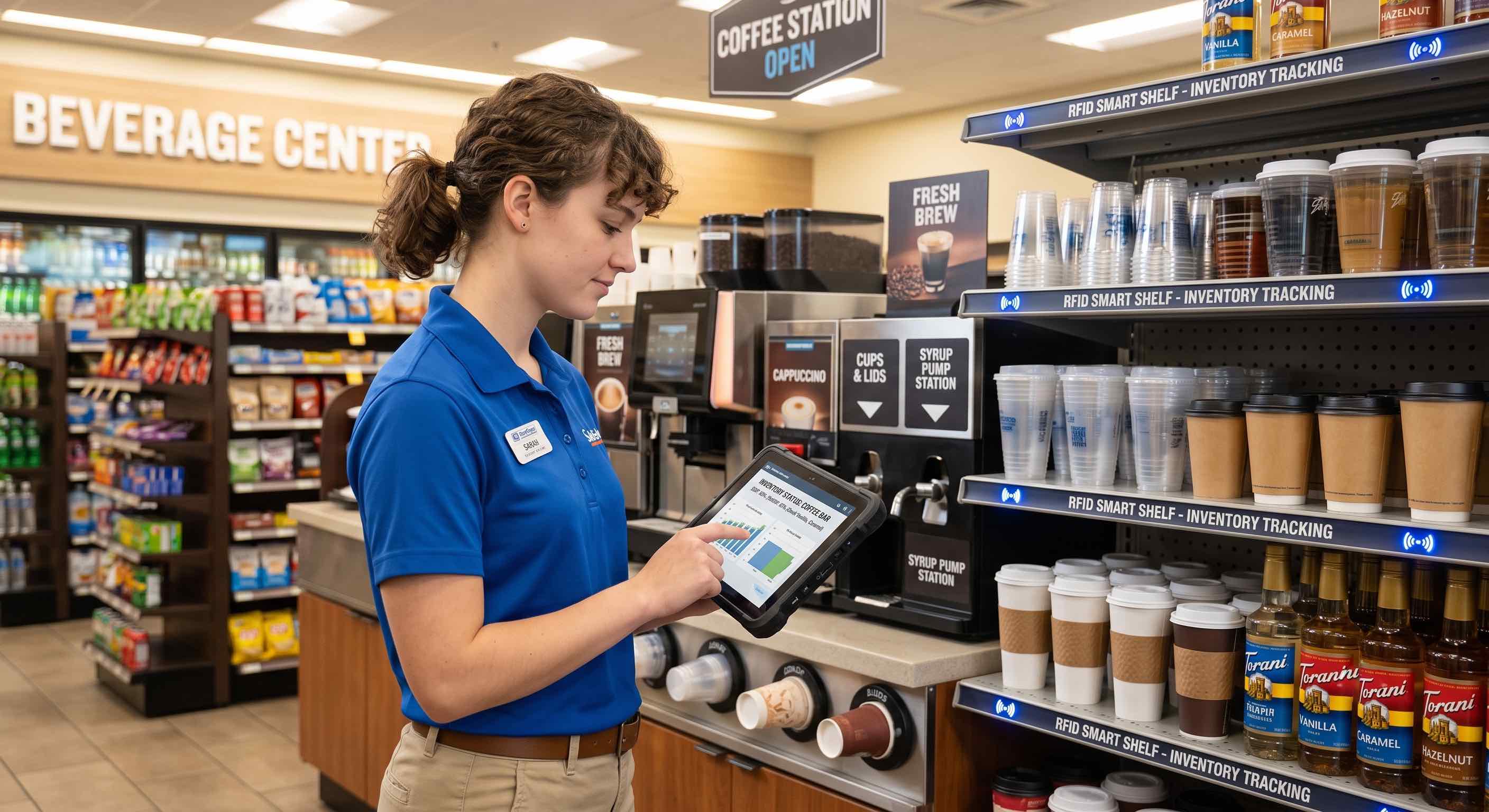
- Deep-clean the beverage bar: immaculate countertops, fully stocked condiment wells, bean-to-cup machines at peak efficiency.
- Update overhead menu boards with autumn-themed graphics highlighting seasonal LTO flavors.
- Place a small heated display case directly next to the coffee bar stocked with breakfast wraps to encourage morning pairing purchases.
Capitalizing on Protein & Fiber Trends and GLP-1 Consumer Shifts
Functional nutrition is increasingly shaping convenience foodservice in 2026. The widespread adoption of GLP-1 weight-loss medications has steered a meaningful segment of consumers away from high-calorie, sugary snacks toward nutrient-dense, portion-controlled foods that support satiety and lean muscle preservation.
Operators can capture this segment by creating a “Protein + Fiber Synergy” offering: protein supports satiety and muscle maintenance, while dietary fiber aids digestive wellness and blood sugar regulation. Snack kits pairing sustainably raised uncured meats with real cheeses and gluten-free seed crackers hit an optimal 3:1 protein-to-fiber ratio and package well in grab-and-go cup formats.
GLP-1 Wellness Satiety Snack Kit (3:1 Ratio):
- Sustained Energy Protein (20g): Uncured turkey or pepperoni + premium cheese
- Digestive Fiber (7g): Organic gluten-free seed crackers + seasoned fava beans
- Packaging: Transparent window cup, cup-holder compatible, tamper-evident seal
Displaying these in dedicated wellness endcaps or inside cold beverage doors drives high-margin impulse sales.
To measure the financial return of shifting shelf space toward functional nutrition, operators can calculate the Satiety Yield Index:
Satiety Yield Index = (Snack Kit Units Sold ÷ Standard Candy Units Sold) × (Wellness Markup % ÷ Standard Margin %)
The 30-Day Operational Roadmap
Days 1–10: Structural Audit and Space Assessment
Before introducing new menu items or promotional graphics, evaluate your physical footprint and equipment readiness.
- Test hot holding cases, rapid-cook ovens, and coffee machines for temperature consistency.
- Measure countertop space around checkout lanes and the beverage bar; identify clutter that would hinder kiosk integration.
- Walk the forecourt, entryway, and interior aisles to identify outdated or missing signage.
Days 11–20: Design Configuration and Graphics Procurement
- Order countertop inserts and kiosk mounting hardware for a clean ordering zone.
- Commission seasonal graphics packages, window clings, pump-topper signage, hanging banners, for each September holiday.
- Stock thermal wraps, oven-safe susceptor film bags, and tamper-evident containers for foodservice packaging.
Days 21–30: Installation, Integration, and Staff Training
- Complete countertop upgrades and install all forecourt and in-store graphics.
- Load September holiday promotions into your POS and mobile rewards platforms and run test transactions.
- Train staff on fast assembly techniques, warm-holding display times, and operation of community donation bins.
Cultivating Community Goodwill Through Localized September Initiatives
Long-term foot traffic growth depends partly on how meaningfully a store integrates into its local community. September’s back-to-school context creates several natural entry points.

Teacher and Administrator Appreciation Many educators spend personal funds on classroom supplies. A simple free coffee or breakfast item for anyone presenting a school ID,or registering through the loyalty app, generates goodwill at low food cost. Co-sponsoring the offer with a wellness beverage or snack brand reduces the promotional outlay further.
Classroom Supply Donation Hubs Over 54% of students in under-resourced public schooldistricts lack basic educational supplies. C-stores, with their high traffic and convenient locations, are natural donation collection points. Branded collection bins at checkout encourage customers to purchase and donate pencils, notebooks, or hand sanitizer in-store, generating incremental impulse sales alongside the charitable contribution. Partnering with regional educational nonprofits (such as Classroom Central, PENCIL, or local school foundations) ensures donated materials reach students efficiently.
Youth Athletic Program Fundraising Local booster clubs and athletic programs need ongoing support for registration fees, equipment, and travel. Operators can support them through:
- Coin jars at registers: Customers paying with cash frequently donate change, turning small transactions into collective support.
- Spirit Nights: Designate evenings where 10–20% of foodservice or specialty beverage sales are donated to a partner booster club. These events bring athletic teams and families into the store, increasing volume and app engagement.
- On-site events: Offering parking lot space for booster club car washes or youth recycling drives brings community members to the location and drives cross-sales in snack and beverage categories.
The Bottom Line: Partnering for a Profitable Future
The convenience retail landscape in 2026 rewards operators who treat their physical space as a deliberate stage for customer experience. The shift from summer road-trip traffic to back-to-school routine is one of the most valuable transitions on the retail calendar, and the operators who plan for it systematically, from equipment readiness to community programming, are best positioned to convert one-time fuel stops into loyal daily visits.
September’s food holidays are not just promotional occasions; they are structured opportunities to demonstrate product quality, operational reliability, and genuine community investment. Executed well, they build the kind of local loyalty that sustains a store through every season.
Leave a Reply